Understanding LED Strip CRI: Color Rendering Index Explained (CRI 80 vs 90 vs 95+)
- 2026-09-09 15:28
- /
- Arraystar LED
I've lost count of how many times a client sent me a photo of a finished kitchen and asked why everything looked off. The cabinets were the right color on the swatch, the marble was genuine, and yet under the strip lights the whole room felt flat, washed out, or just wrong. Nine times out of ten the culprit wasn't the layout or the brightness. It was CRI. Here's how I explain it on site, and how to pick the right number without overpaying.
What CRI actually measures
CRI stands for Color Rendering Index. It's a score from 0 to 100 that tells you how accurately a light source reveals the true color of an object compared to a reference light (daylight or a black-body source). A perfect 100 means colors look exactly as they would under natural light.
The headline number you usually see, Ra, is the average of the first eight test colors (R1 through R8) — pastel shades like greyish red, yellow-green, and light blue. The two numbers that matter most for real projects aren't even in that average:
- R9 — saturated red. This is why skin, wood, meat displays, and red fabrics either look rich or strangely dead.
- R13 — skin tone. A low R13 makes people look pale or greenish under the light.
A strip can advertise CRI 80 and still have a terrible R9, because R9 isn't part of the Ra average. Always ask for the extended values if color is critical.
CRI 80 vs 90 vs 95: what you actually see
CRI 80 (the budget tier)
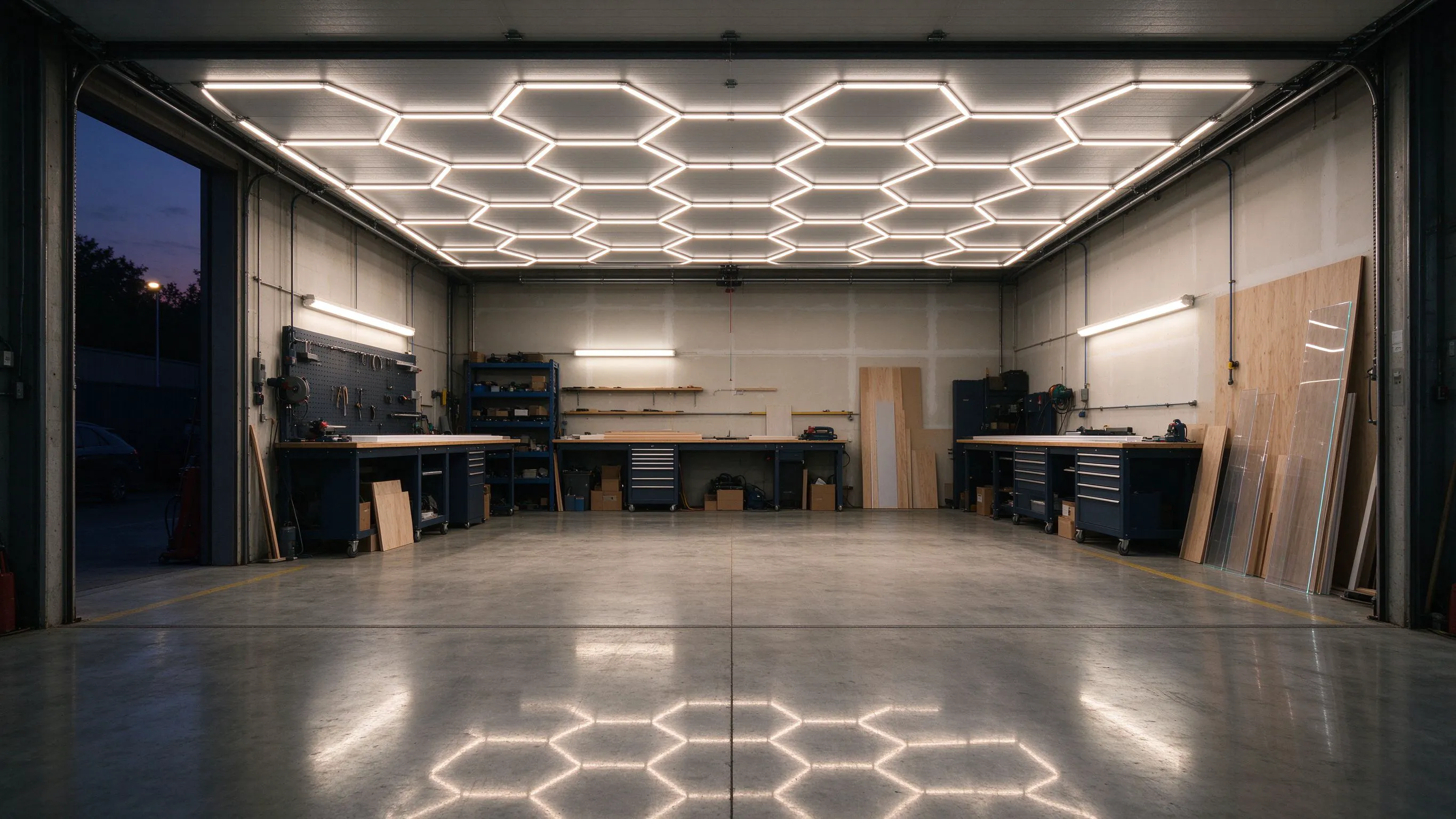
This is the default on a lot of cheap strip. Colors render acceptably, but reds and warm wood tones skew dull, and whites can carry a faint grey cast. It's fine for a utility closet, a garage, or accent lighting where nobody lingers. I wouldn't put it anywhere someone's face or product is the point.
CRI 90 (the sweet spot)
This is what I spec for most homes and retail. Wood grain reads correctly, fabric colors are trustworthy, and skin looks natural. The jump from 80 to 90 is the most visible, most cost-effective upgrade you can buy. For reference, our high-CRI COB lines sit here and above.
CRI 95+ (the specialist tier)
Reserve this for art galleries, makeup areas, jewelry, high-end retail, photography, and healthcare where color matching is the job. Diminishing returns kick in hard above 95 for ordinary living spaces — you're paying for accuracy most people won't consciously notice.

Where high CRI genuinely matters
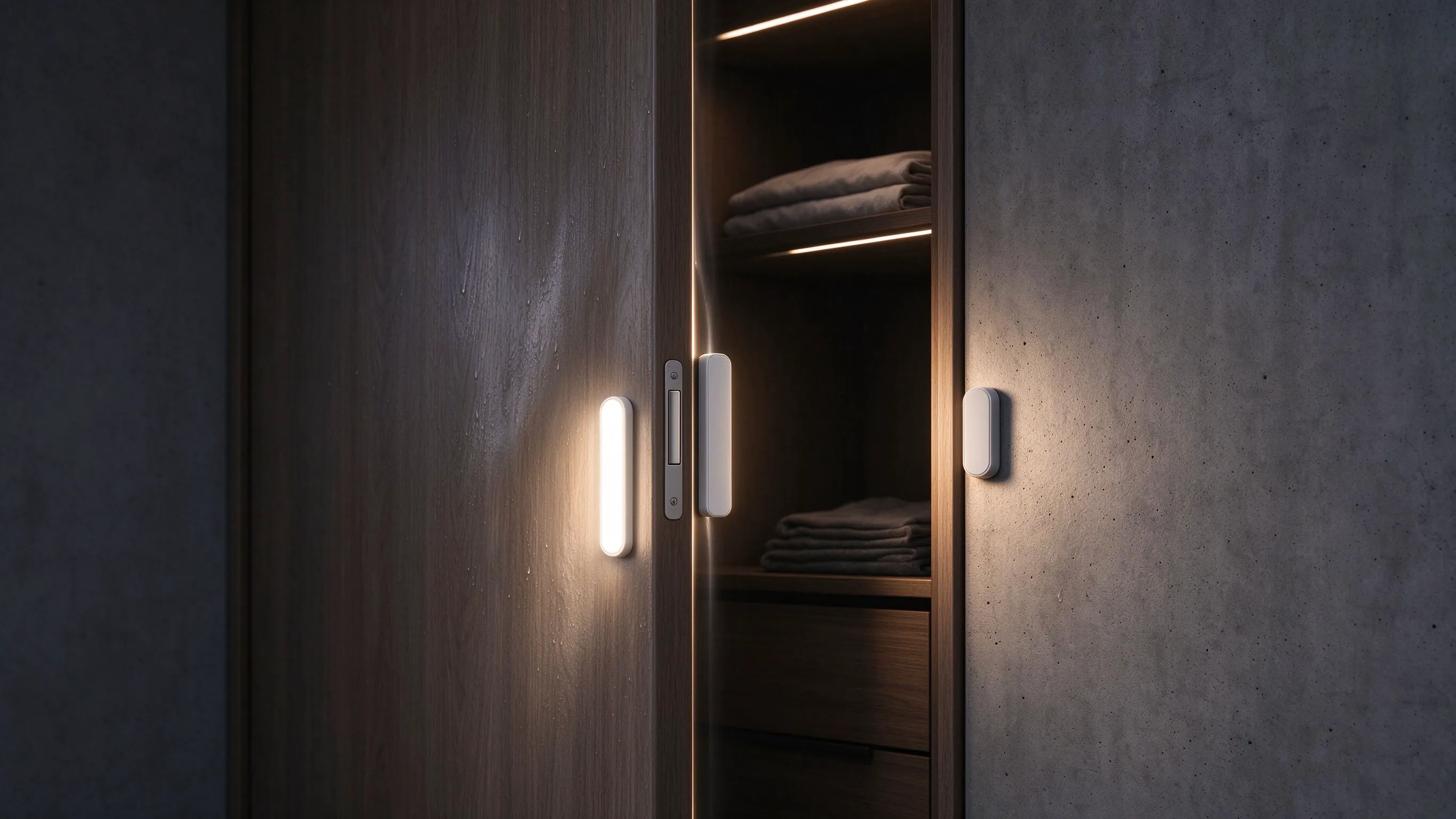
- Kitchens and wardrobes — you prep food and pick clothes under this light; low CRI hides freshness and mismatches outfits.
- Bathrooms and vanities — makeup and shaving need honest skin color.
- Retail and display — if the product looks wrong, it doesn't sell. This is non-negotiable.
- Art and feature walls — you paid for the piece; don't light it with a source that shifts its colors.
Two things CRI can't fix
CRI only describes color fidelity. It says nothing about how bright the strip is, and it doesn't guarantee consistency between batches. Two reels both labeled CRI 90 can still sit at slightly different color points. That's why I also check the SDCM (binning) value — under 3 SDCM means you won't see visible steps between runs. Pair a CRI 90+, low-SDCM strip with a clean constant-voltage driver, and you've solved 95% of color complaints.
FAQ
Is CRI 90 worth the extra cost over CRI 80?
For anywhere people live, shop, or look at products — yes. The per-metre price difference is usually small and the visual upgrade is obvious. Save the CRI 80 for purely functional spaces.
Can I mix CRI 90 and CRI 95 strips in the same room?
Technically yes, but you may notice a subtle difference where they meet. Keep the same CRI, color temperature, and binning within a single continuous run for the cleanest result.
Does dimming change CRI?
Good LED drivers hold CRI across the dimming range, but very cheap drivers can shift color as you dim. Use a driver and dimmer matched to the strip.
If you're planning a kitchen, retail fit-out, or gallery wall and want help picking the CRI and color temperature, the high-CRI COB strip range is where I usually start clients — just tell me the space and I'll point you to the right reel.