Wall Washer vs Wall Grazing: LED Strip Techniques Compared
- 2026-09-18 15:35
- /
- Arraystar
Quick Answer
Both techniques use an LED strip at the base of a wall, but they do opposite jobs. Wall washing lays a smooth, even light “film” across a clean plaster or paint wall — use a wide beam, diffused or front-emitting strip mounted 10–30 cm out from the wall. Wall grazing rakes light at a steep angle to make stone, brick and texture pop — mount the strip tight, 2–5 cm from the surface. Pick by surface: smooth → wash, textured → graze.
📑 Table of Contents
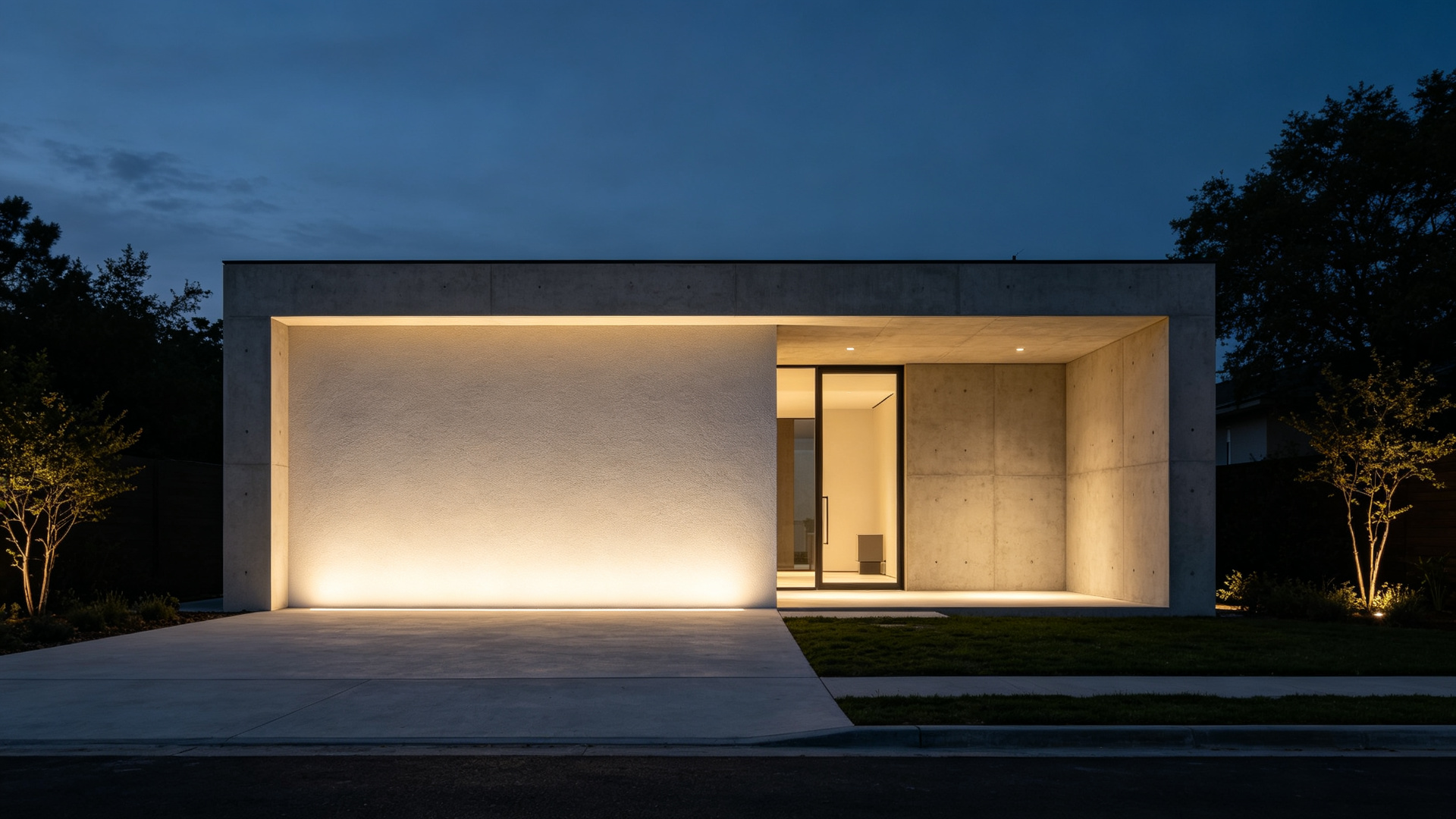
Wall washing: one smooth, luminous field across a clean plaster facade.
Wall Washing vs Wall Grazing: The Core Difference
“Wall washer” and “wall grazer” sound like synonyms but produce opposite visual effects. Wall washing aims to eliminate shadows and present the wall as a smooth, evenly lit plane — think of laying a translucent luminous wash over the surface. Wall grazing aims to create shadows: the light rakes across the surface at a shallow angle so every bump, grain and joint casts a tiny shadow, making texture come alive.
The technique you choose is not a matter of taste alone — it is dictated by the wall material. A beautifully washed plaster wall looks flat and dull when grazed; a rough feature stone looks muddy and over-lit when washed. Start from the surface, then choose the geometry.
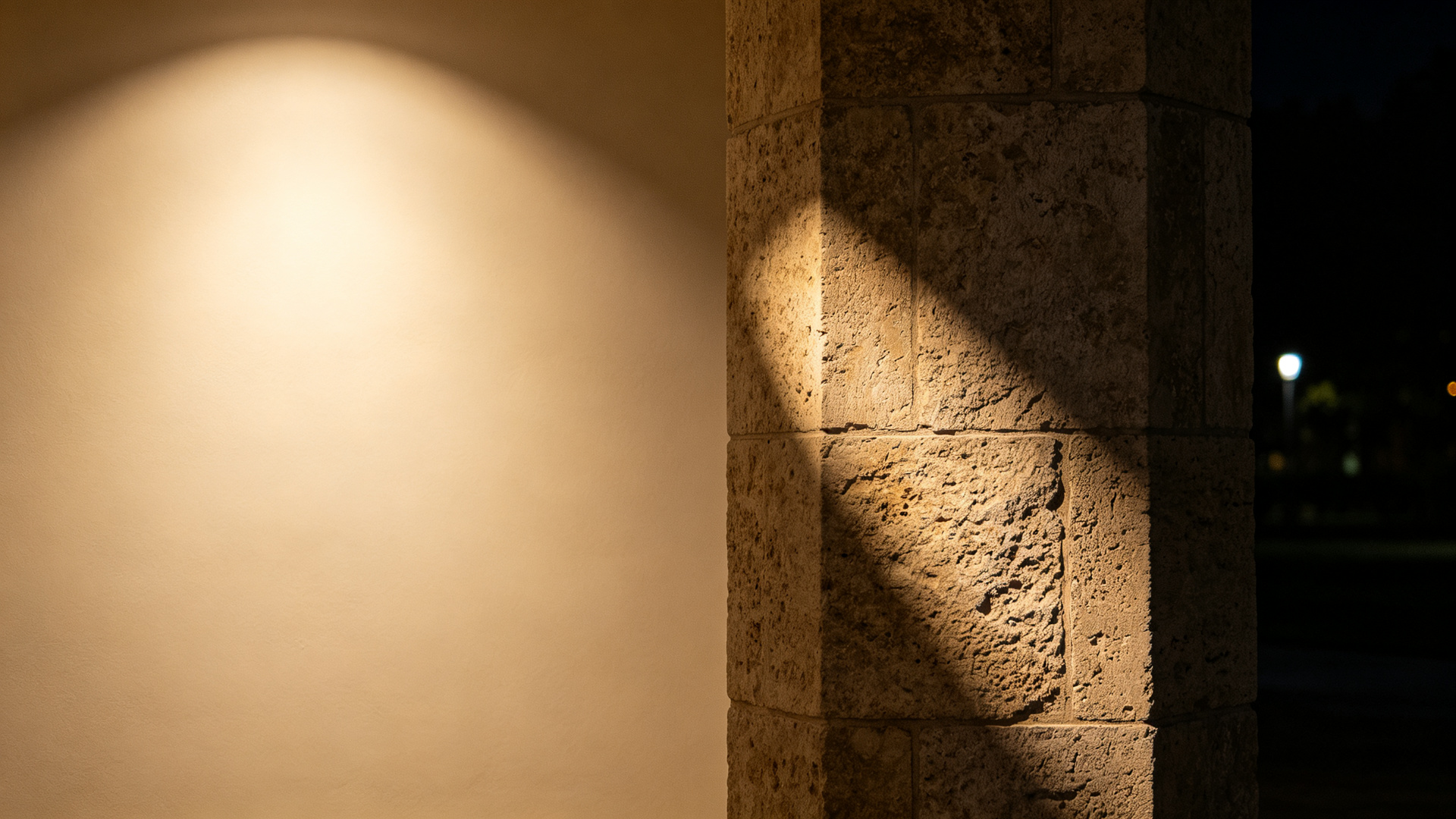
The two techniques side by side: wash on plaster, graze on stone.
How Mounting Distance and Beam Angle Change the Result
Two variables control the effect: how far the strip sits from the wall and the beam angle / optics. For wall washing, the strip sits 10–30 cm out and throws a broad, symmetrical beam (≈120° or a designed diffuser) so the light crosses the wall evenly from floor to a chosen height. For grazing, the strip sits tight — 2–5 cm — and uses a narrow or asymmetric beam so the light enters the surface at a shallow, raking angle and every texture casts a shadow.
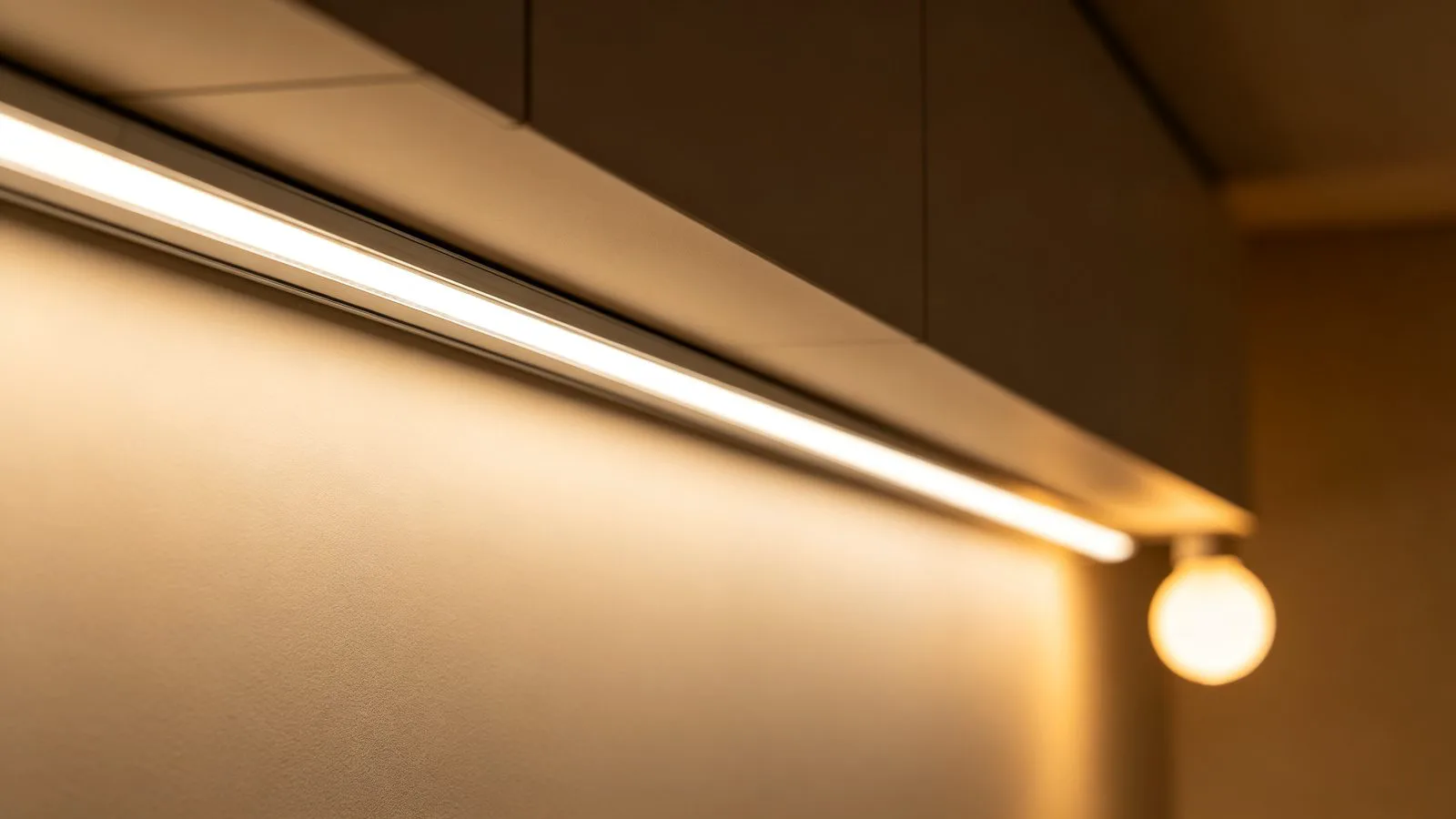
Special wall-washer strips and profiles add an asymmetric optical lens or reflector that directs light upward in a controlled band, avoiding both a hot spot at the base and a dark top. Understanding beam angles helps here — read our 120° vs 180° beam-angle explainer.
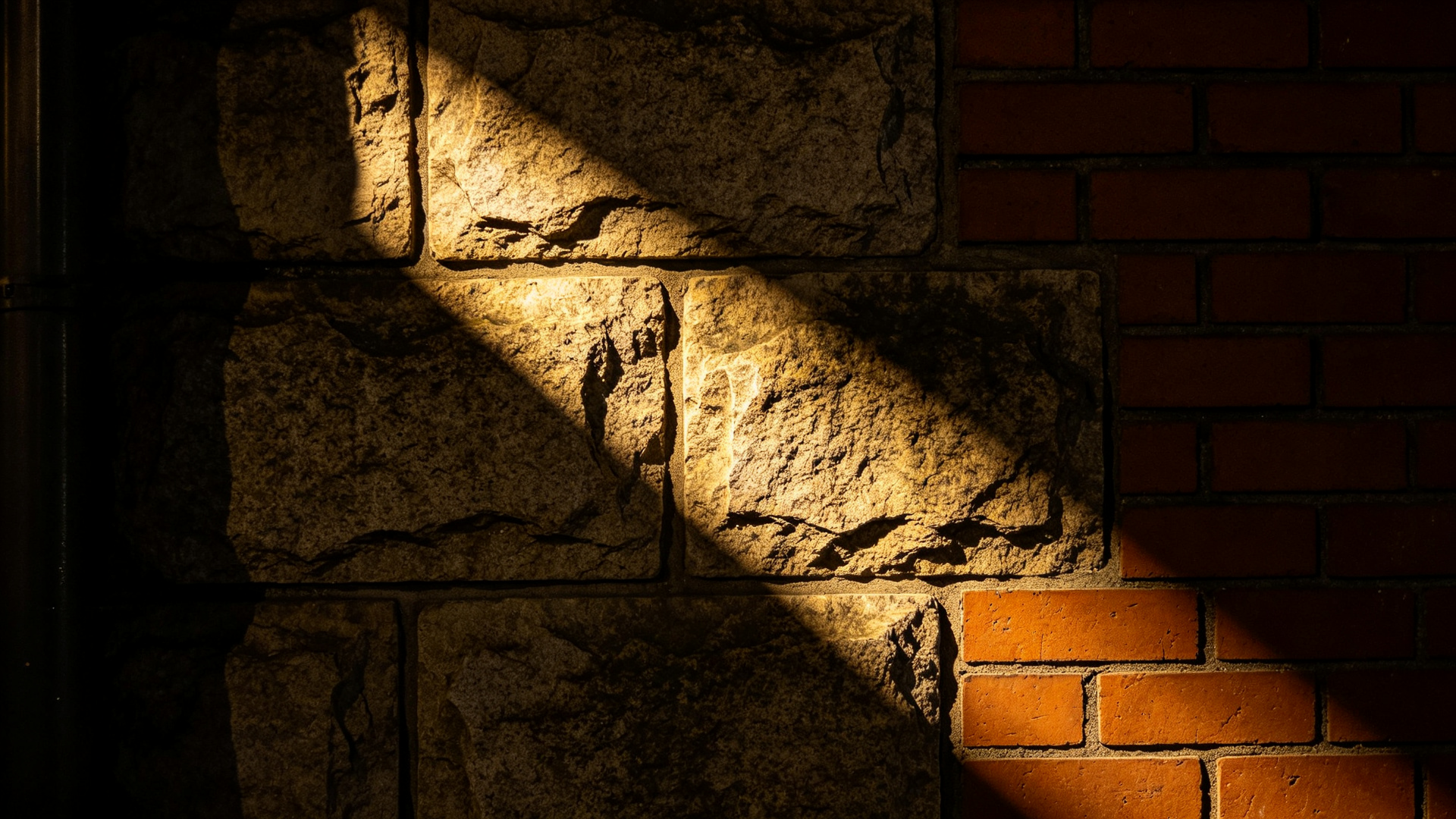
Grazing at a shallow angle turns a flat stone wall into a textured relief.
Spec Comparison: Washer vs Grazing Strip Setup
Parameter | Wall Washer | Wall Grazing |
|---|---|---|
Goal | Smooth, even light plane | Texture and shadow definition |
Best surface | Plaster, paint, concrete, smooth tile | Stone, brick, timber, textured render |
Strip-to-wall distance | 10–30 cm | 2–5 cm (tight) |
Beam / optics | Wide ~120° or designed diffuser | Narrow / asymmetric optical lens |
Typical product | Front-emitting wall-washer profile | Top-bend / asymmetric grazer strip |
Mounting | Floor or floor-recessed, set out | Floor-recessed or base, tight |
Light character | Soft, uniform, low contrast | Dramatic, high shadow contrast |
Key risk | Dark band at top; hotspot at base | Uneven grain; over-spill onto adjacent wall |
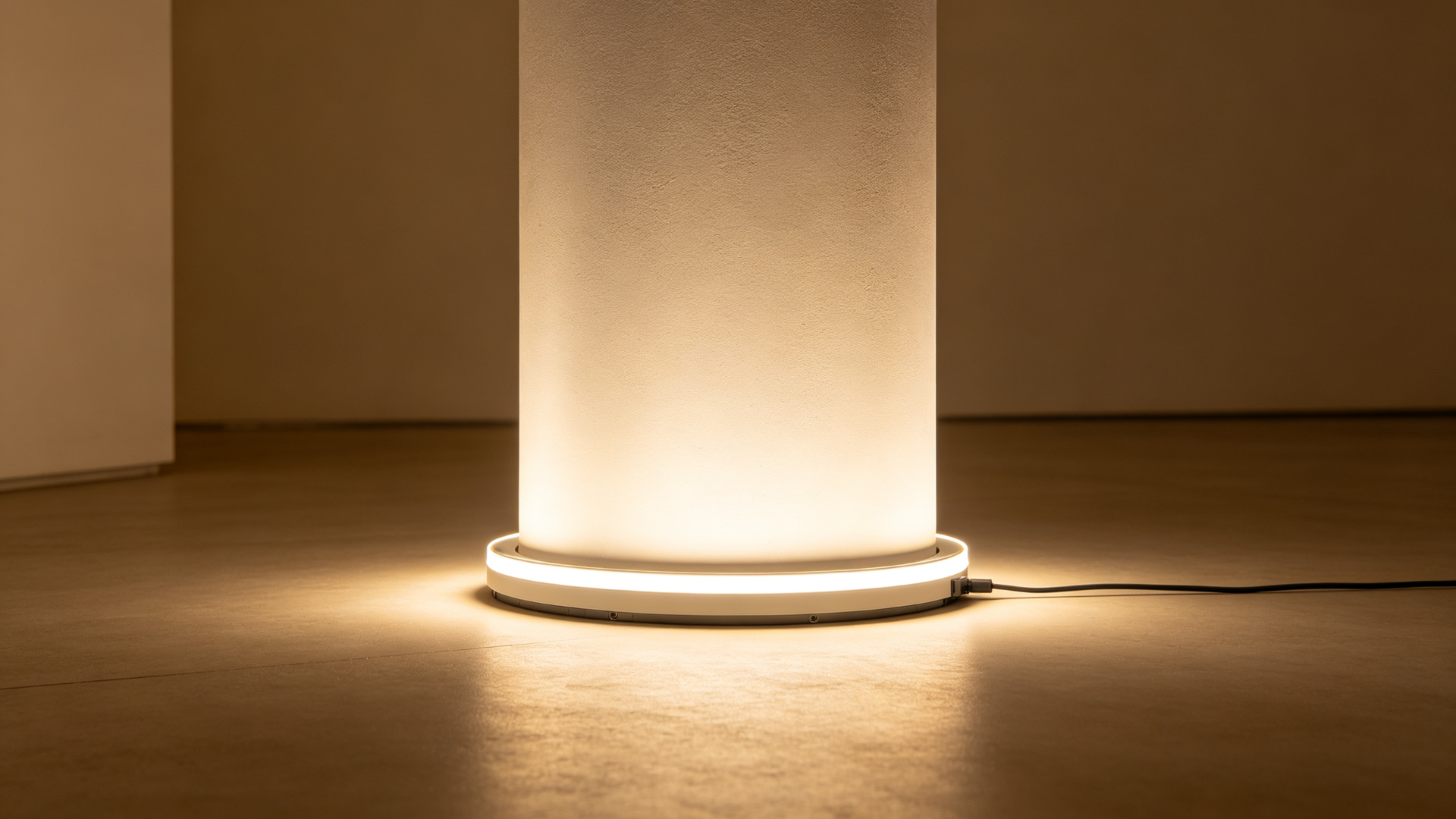
A top-bend washer at the column base produces a clean, symmetrical lift of light.
Matching the Technique to the Surface
Smooth plaster / painted walls: wash. You are lighting a plane, so evenness matters — use a front-emitting washer profile or a diffused strip set back from the wall.
Natural stone, cultured stone, brick: graze. Let the light rake across the grain so the texture reads at night.
Timber cladding / slatted screen: graze to make the vertical slats cast alternating light and shadow.
Retail and hospitality feature walls: wash a clean panel, graze a textured accent — often both in one space.
Glass / glossy tile: neither — reflection will blind. Use indirect cove light instead.
If in doubt, mock it up: tape a strip to the wall at night, try 5 cm and 25 cm, and look at the result from the viewing distance. The camera does not lie — what you see is what you will get.
Strip, Optics and Profile Selection
For architectural wall washing, dedicated top-bend wall-washer strips and front-emitting silicone profiles outperform a generic strip because their optics shape the beam into the exact upward band you want. Choose 24 V DC for controllable runs and smooth dimming, and match LED density to the viewing distance: close views want COB (dot-free) output; distant facades can use standard SMD behind a diffuser.
Outdoor walls mean IP65–IP67 protection. House the strip in a weatherproof silicone or aluminum channel with a sealed diffuser, and specify a 24 V driver sized for the run. For very long continuous washes, high-voltage or 48 V systems limit voltage drop along the base.
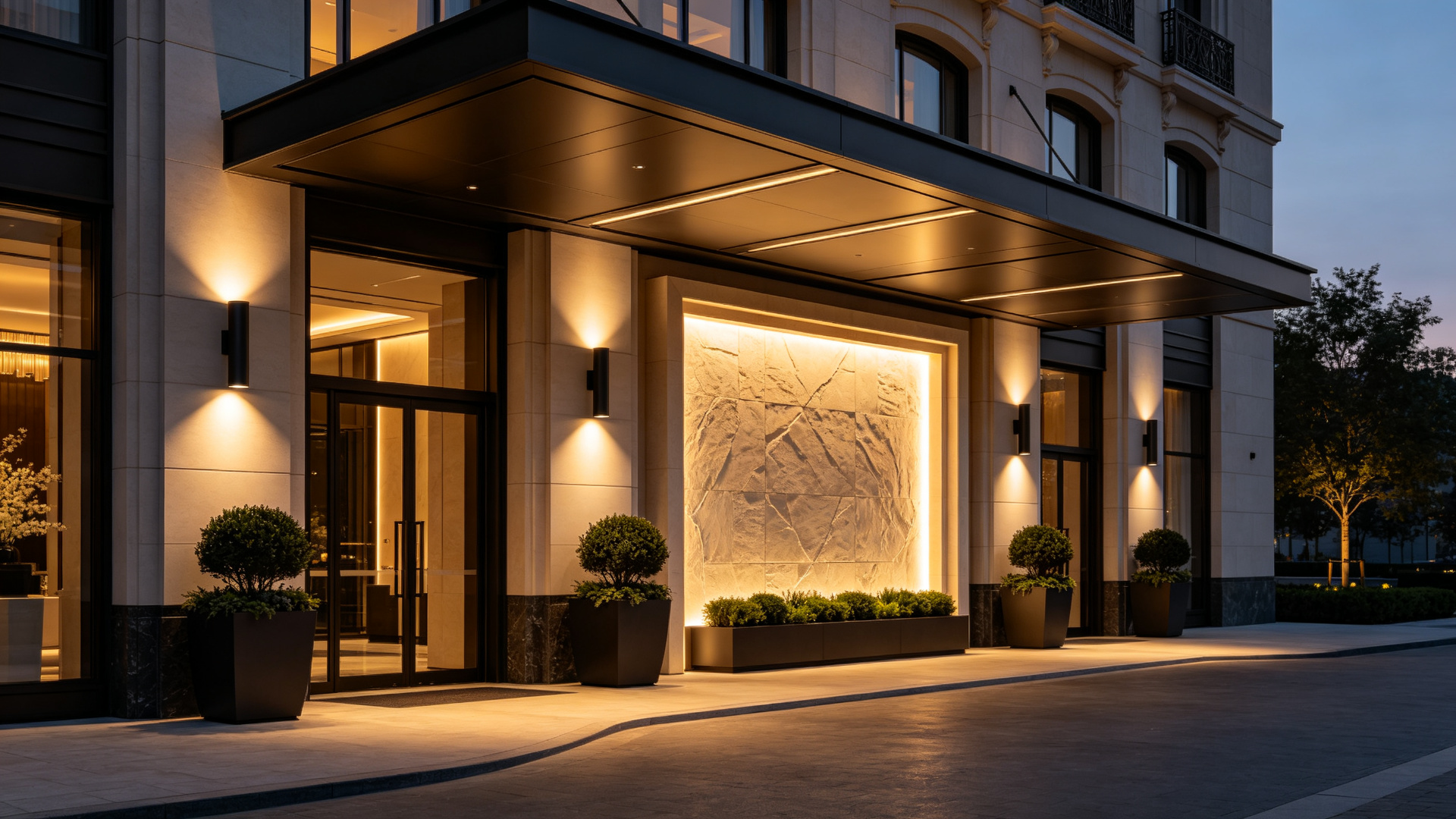
Hospitality entrances use washing to frame and welcome; grazing would compete with the signage.
Common Mistakes and How to Avoid Them
Too far out on a textured wall: grazing stops working when the strip is set away from the surface — you lose the raking angle.
No diffuser on a close view: bare SMD dots read as individual bulbs; use COB or a diffused profile.
Mismatched color temperatures: washing and grazing adjacent walls in different kelvin looks accidental.
Under-sized driver: long washes dim toward the end — feed centrally and size the driver at +25%.
Ignoring glare: an exposed wall-washer source at foot level glares at pedestrians — shield it or recess it.
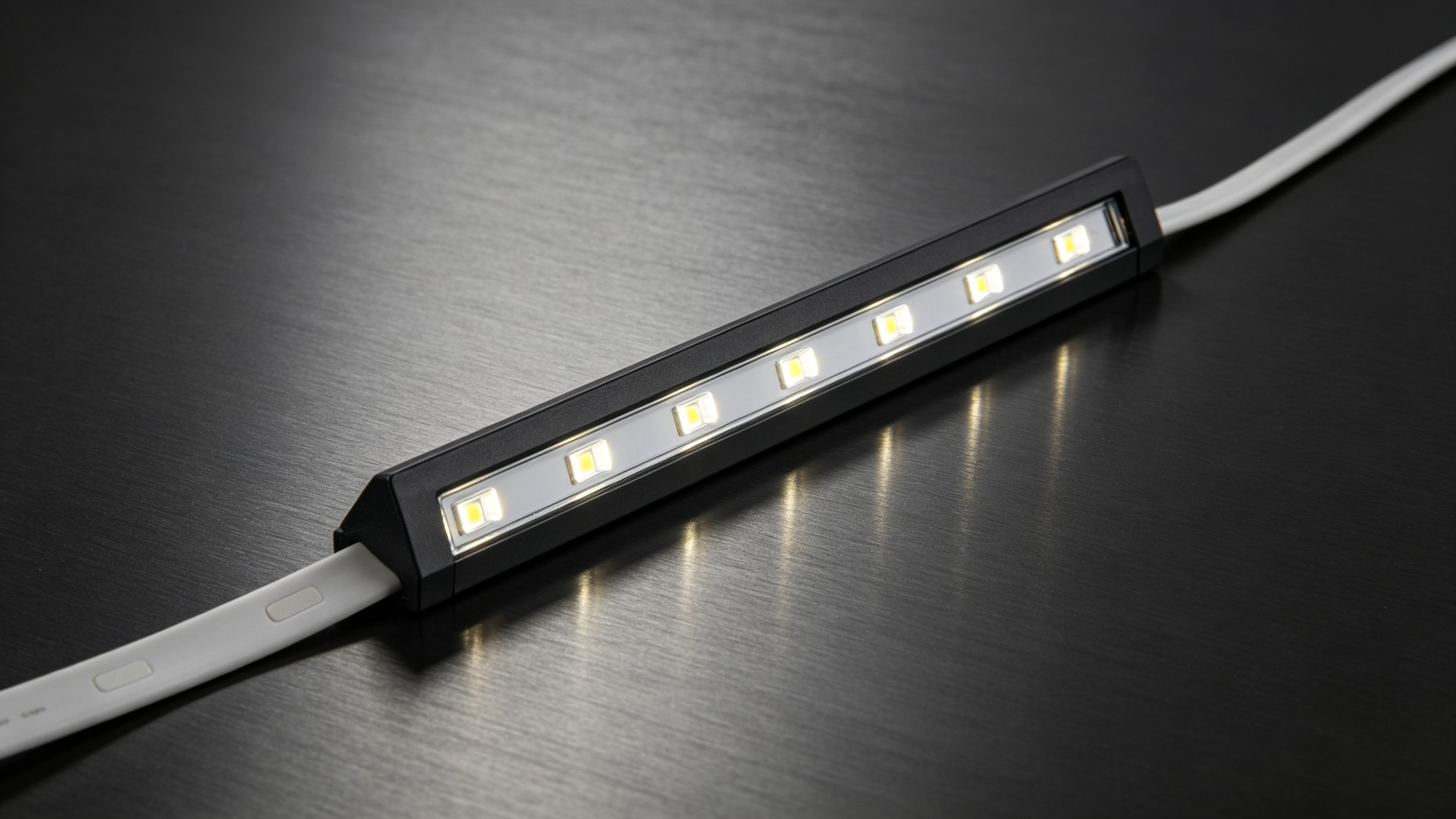
A dedicated wall-washer strip shapes the beam; a generic strip cannot.
Recommended Products
Top Bend Flex Wall Washer Strip ART-WL1006-56-24
Flexible top-bend wall washer strip engineered for controlled upward washes on columns and feature walls.
Top Bend Flex Wall Washer Strip ART-WL1207-48-X-24
Mid-size flexible wall washer strip for even linear washes across plaster and smooth facades.
18×18 mm LED WallWasher Strip ART-WL1818T-X-24
Robust 18 mm square wall washer for architectural floor-recessed and column-base washing.
20 mm Front-Emitting Silicone Wall Washer Profile
Food-grade silicone front-emitting profile for a clean, broad, glare-free wash band.
Planning an outdoor LED strip project?
Get factory-direct pricing, free layout advice, samples and a custom quote within 24 hours.
Frequently Asked Questions
What is the difference between wall washing and wall grazing?
Wall washing spreads a smooth, even light across a wall to make it look like a uniformly lit plane. Wall grazing rakes light across the surface at a shallow angle so texture, grain and joints cast shadows and become prominent. Wash smooth surfaces; graze textured ones.
How far should the LED strip be from the wall?
For wall washing, mount the strip about 10–30 cm out from the wall so the beam crosses evenly. For wall grazing, mount it tight, about 2–5 cm from the surface, so the light enters at a raking angle and creates shadow detail.
Can a regular LED strip be used as a wall washer?
A generic strip can produce a rough wash, but dedicated wall-washer strips and front-emitting profiles include asymmetric optics that avoid hotspots at the base and dark bands at the top. For professional results, specify a wall-washer strip rather than improvising with a standard roll.
Which LED strip is best for a stone or brick feature wall?
Use a wall-grazing strip mounted tight to the surface with a narrow or asymmetric beam, so light rakes across the texture. A 24 V IP66/IP67 strip in a weatherproof channel works outdoors; set it at the base of the feature wall and aim the beam upward across the stone.