18x18 Flex Wall Washer Strips: Beam Angles and Mounting Setup
- 2026-10-09 18:40
- /
- Arraystar LED
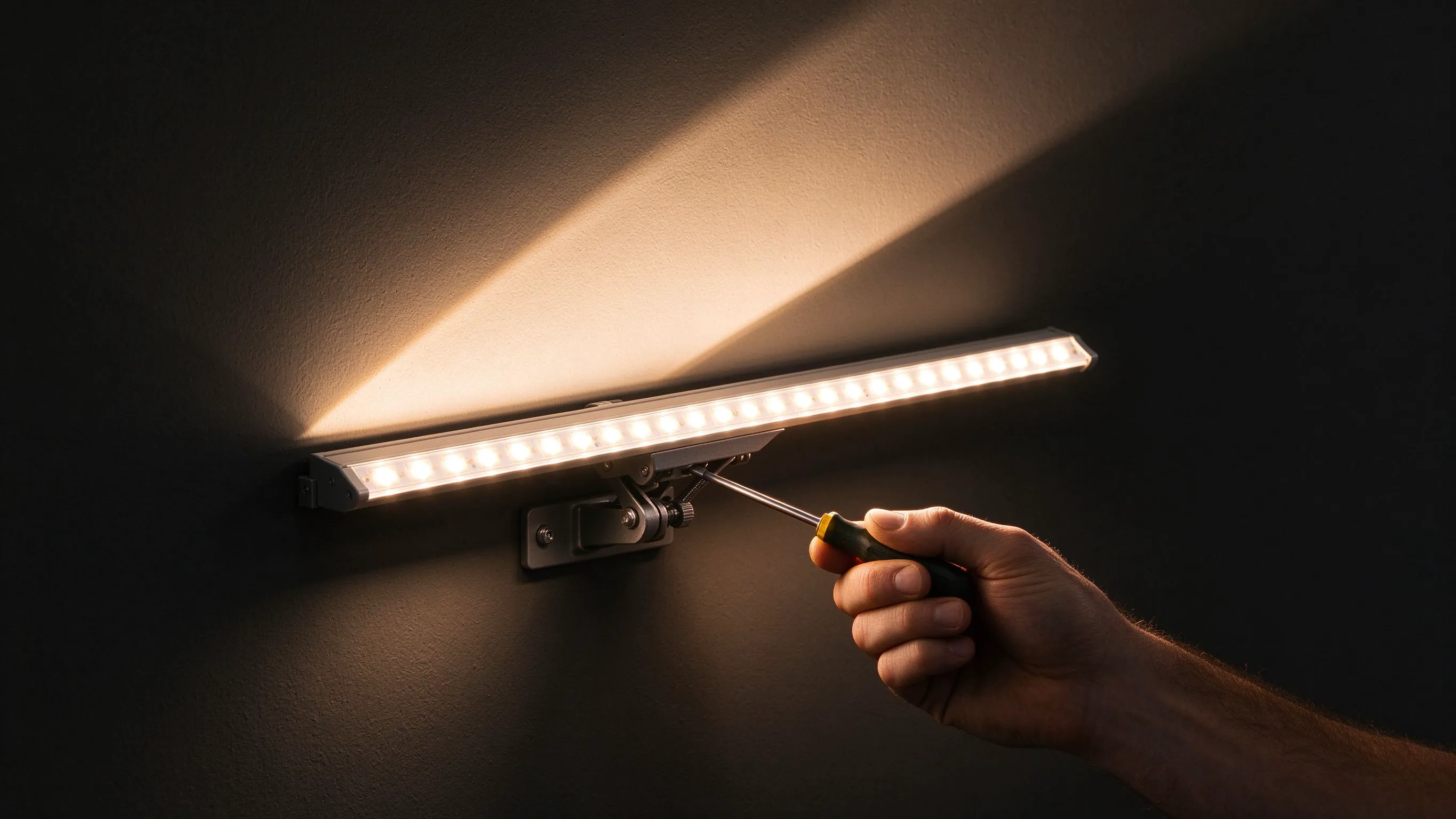
The 18x18 flexible wall washer is the workhorse mid-size profile for interior feature walls and medium-height facades, and most of its success comes down to beam angle and mounting setup rather than raw brightness. Get the tilt, setback and spacing right on a trial bay and the rest of the install replicates cleanly; rush the aiming and even a good washer looks patchy.
Why the 18x18 Is the Default Mid-Size Washer
Specifications tend to chase extremes, the tiniest neon and the most powerful facade fixture, but a huge amount of real lighting work sits in the middle: a hotel lobby feature wall, a restaurant interior surface, a retail brand wall, a two or three-storey facade. These jobs need more control than a decorative neon tube but less scale than a high-power tower washer.
That middle ground is where the 18x18 flexible wall washer lives. It is small enough to mount discreetly and follow mild curves, yet large enough to carry a proper beam and useful output across a medium surface.
What the 18x18 Handles Well
- Interior feature, reception and brand walls from floor to a few metres.
- Medium-height exterior facades and entrance surrounds.
- Corridor and lobby surfaces where a smooth even wash is the goal.
- Slightly curved or column-wrapped surfaces thanks to the flexible body.
- Accent washing of textured panels, stone and signage backdrops.
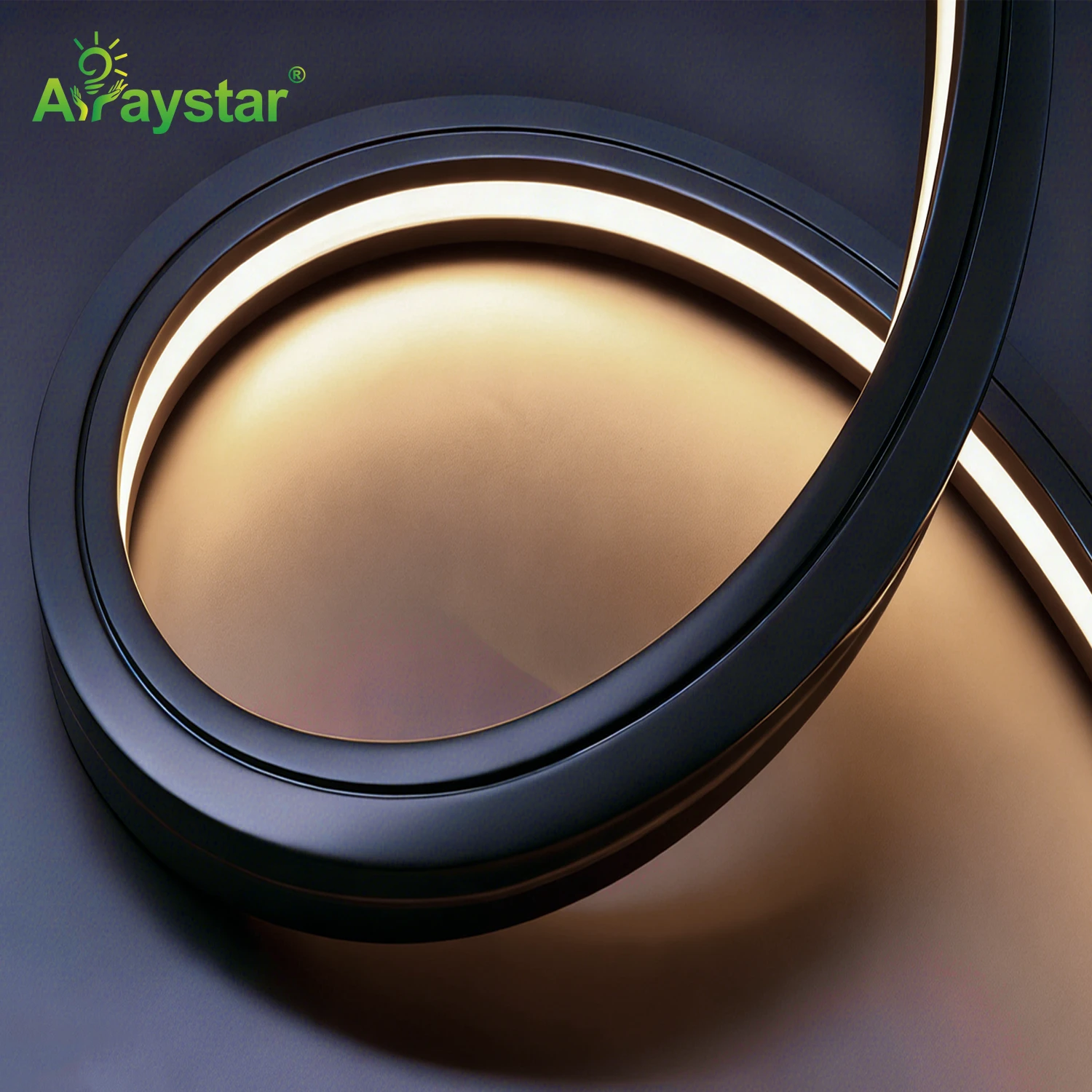
The ART-WL1818T is the profile I specify for these everyday washing tasks. It is the workhorse I reach for before stepping up to the 25x27 high-power body on taller projects.
Beam Angle: Start the Design Here
The beam angle defines how the light spreads, and choosing it is the first real design decision. A narrow beam throws further and creates more contrast and texture; a wide beam covers more area evenly but runs out of height sooner. For a tall, narrow interior void I lean narrower; for a broad low feature wall I lean wider. The 18x18 is commonly offered with beam options, so I match the optic to the surface rather than accepting a default.
Match beam to height and surface texture.
| Surface | Beam tendency | Reason |
|---|---|---|
| Tall narrow wall / column | Narrower | Carries the light upward |
| Broad low feature wall | Wider | Even coverage without hot spots |
| Textured stone / brick | Narrow, close setback | Creates raking-grazing texture |
| Smooth painted panels | Wider, moderate setback | Smooth flood, low contrast |
Setback and Tilt Setup
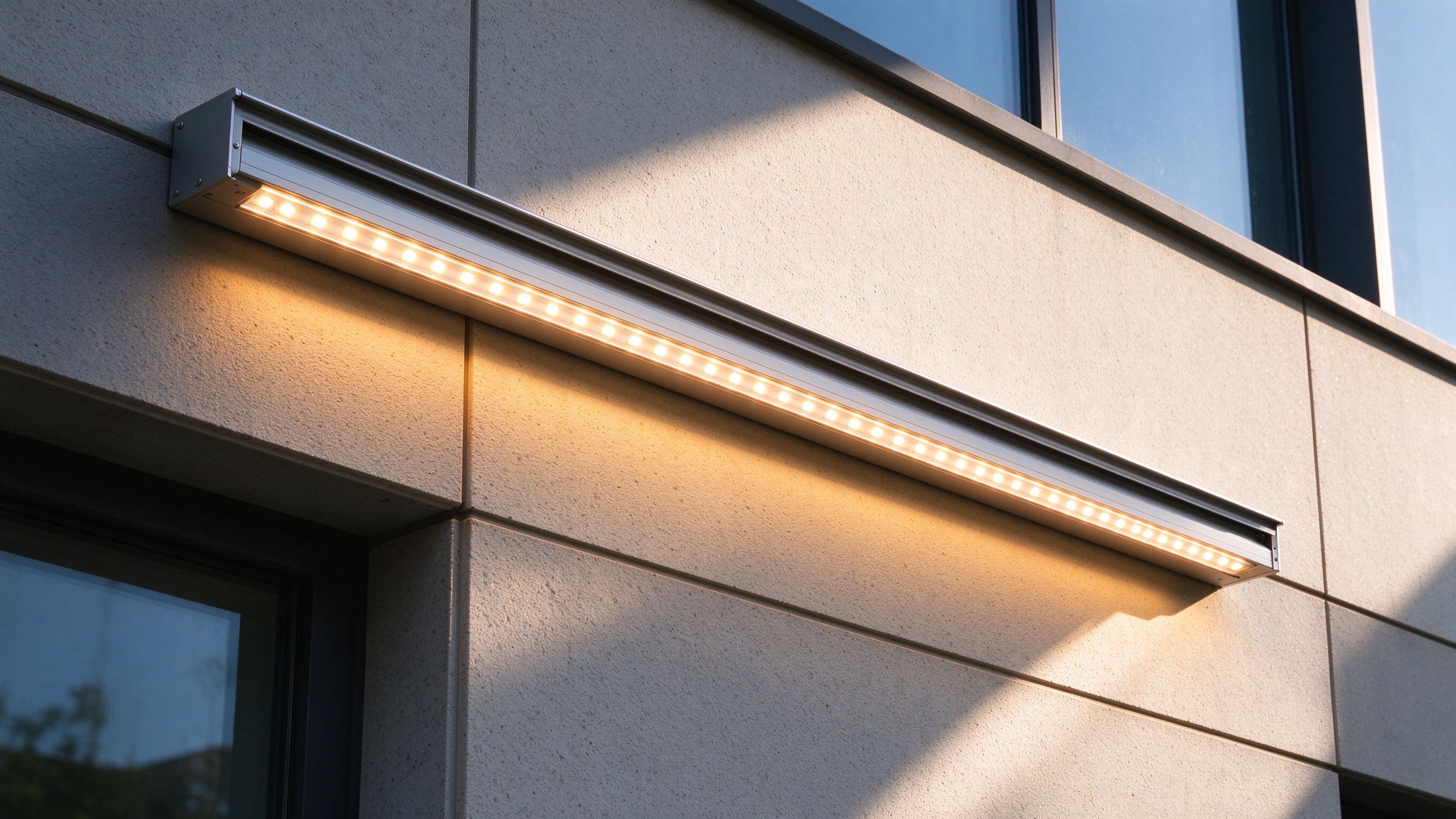
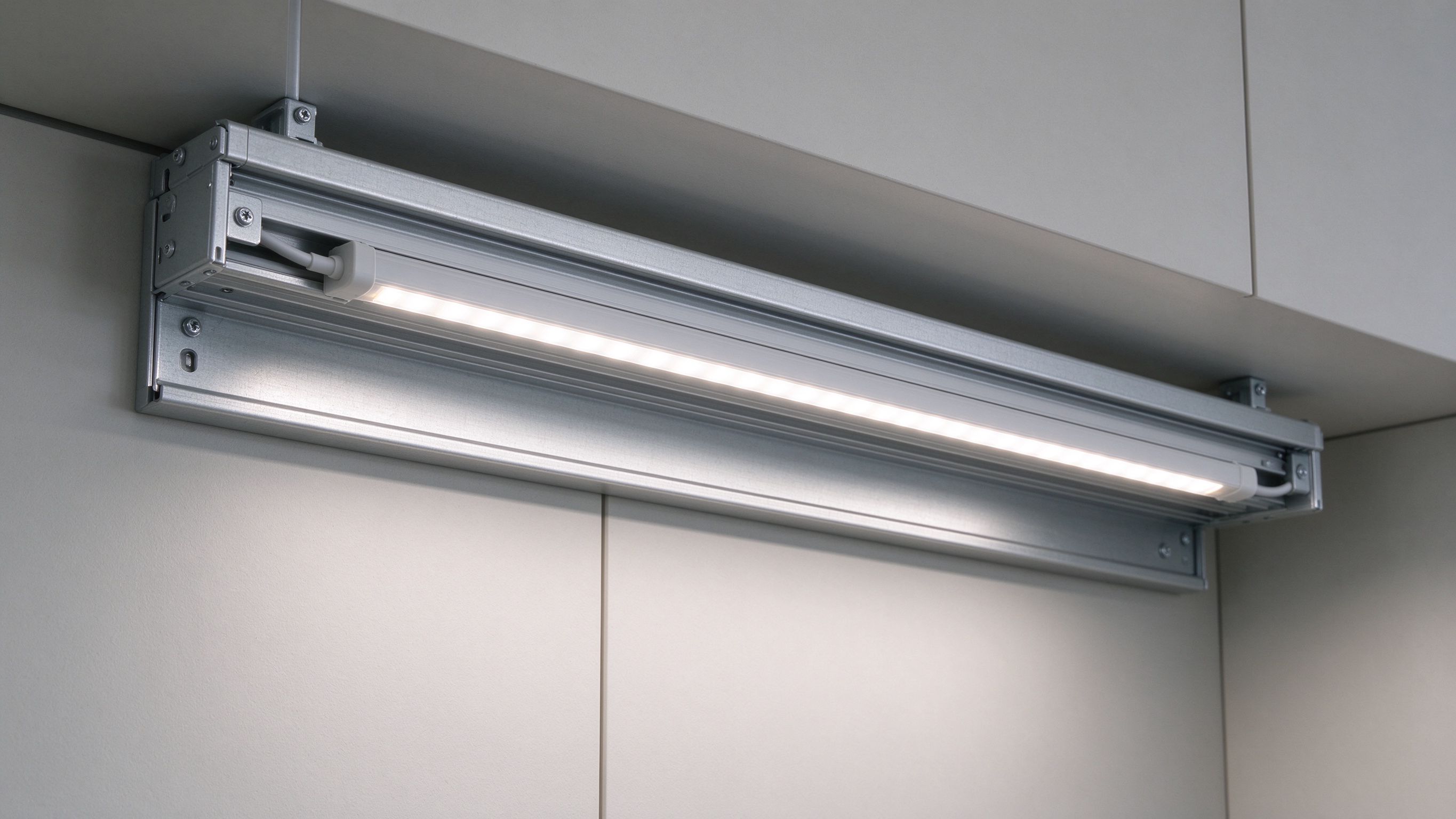
Mounting the 18x18 flush at the wall is the most common and most fixable error. A small offset lets the beam open up; tight against the surface it produces a bright base band. I mount on stand-offs or in a shallow track with a slight upward tilt, then adjust on a powered trial. The aim is a smooth gradient with no blown-out lower edge and enough reach at the top.
A repeatable setup routine
- Install one trial run at the proposed offset and power it.
- Adjust tilt until the base is not over-bright and the top target is reached.
- Lock the bracket angle and measure the setback for replication.
- Fit the remaining runs to the identical geometry.
- Walk the full wall at night to catch uneven aiming.
Spacing for an Even Wash
On walls washed by multiple runs or vertical fixtures, spacing controls the overlap. I aim for adjacent beams to blend before the surface, typically with noticeable overlap rather than meeting at a hard edge. Light surfaces forgive wider spacing; dark or textured walls absorb light and need the runs closer and the output higher. A quick night mock-up of two adjacent runs sets the spacing for the whole wall faster than calculating it from datasheets alone.
Wash vs Graze on the Same Profile
The 18x18 can wash or graze depending on setup. Pull it back with a wider beam for an even flood on smooth surfaces; push it close with a narrow beam to rake textured stone and reveal every joint. I decide which effect the material deserves before aiming, because the same fixture mounted two different ways produces opposite results. Clients sometimes ask for 'texture' on a smooth painted wall, which no grazing setup can create; the surface has to have texture for raking light to reveal it.
Power, Dimming and Finish
Medium runs are straightforward to power, but I still size drivers for the loaded length and specify flicker-free dimming for hospitality interiors where the wash will be scene-set. Housing colour should match the mounting surface or track so the fixture itself disappears; in interiors I often use a recessed or painted track so only the washed wall is visible, not the washer.
Specifying and Trialling the 18x18
Send the wall dimensions, surface colour and texture, the mounting setback you can achieve and whether the look is an even wash or textured grazing. I will confirm the beam option, run spacing and tilt, and I always recommend trialling one powered bay before fitting out. We supply the WL1818T flexible washer and can provide the beam and mounting guidance so the replicated runs stay even across the whole feature.
Five Feature-Wall Setups I Use Repeatedly
Most interior wall-wash requests fall into a handful of repeatable patterns, and having a default setup for each speeds specifying and avoids reinventing the aiming on every job.
- Reception brand wall: moderate setback, wide-ish beam, low glare for seated visitors, matched to the logo backdrop.
- Textured stone or timber feature: close setback with a narrow beam to graze and reveal the material's texture.
- Tall lobby void: slightly narrower optic and greater offset to carry the wash up two or three storeys.
- Corridor wash: low-glare continuous runs with consistent tilt so the effect repeats down a long space.
- Retail display wall: even flood at slightly higher output to make merchandise read under controlled light.
I keep these as starting points rather than rigid rules, because wall colour and finish still shift the answer. A stone wall that should be grazed in a restaurant might be painted smooth in a hotel and need a flood instead, and a corridor finished in dark paint absorbs so much light that the same run needs higher output or closer spacing. What the five patterns give me is a proven beam, setback and spacing to begin the trial from, which makes the powered mock-up a fine-tuning exercise rather than guesswork. I light one representative section for each wall type, adjust from the correct viewing position, and then replicate the locked geometry. New joiners on the install team get the five setups as a checklist so the aiming is consistent even when different people fit different bays.
Recommended Products
Frequently Asked Questions
What is an 18x18 flexible wall washer used for?
It is the mid-size workhorse for washing interior feature, reception and brand walls and medium-height facades. It is discreet and flexible enough for mild curves and columns while carrying a proper controlled beam and more output than a decorative neon tube.
What beam angle should I choose for a feature wall?
Use a narrower beam for tall, narrow surfaces or to graze textured stone, and a wider beam for broad, low, smooth walls where even coverage matters more than reach. Match the optic to the wall height and surface rather than accepting a default, and confirm on a powered trial.
How far from the wall should I mount an 18x18 washer?
Do not mount it flush, which creates a bright base band. Use a small offset on stand-offs or in a shallow track with a slight upward tilt, adjust on a powered trial until the base is even and the top is reached, then lock and replicate that setback across all runs.
What is the difference between washing and grazing a wall?
Washing floods a smooth surface evenly from a moderate setback, usually with a wider beam; grazing places a narrow beam very close to a textured surface to rake light across it and exaggerate stone or brick texture. The same 18x18 can do either depending on setback, beam and tilt, but grazing only works if the surface actually has texture.
How do I make multiple wall-washer runs look even?
Space runs so adjacent beams blend with noticeable overlap before the surface, bring runs closer on dark or textured walls that absorb light, and commission at night from across the room or street. Trialling two adjacent powered runs sets the spacing and tilt for the entire wall more reliably than calculation alone.
Need help with your LED project?
Get factory-direct pricing, free samples and engineering support within 24 hours.
Email: info@arraystarled.com | Phone: +86-0755-2103-6746 | WhatsApp: 0086 1581 8514 077
Need to size your power supply? Use our LED Strip Power Calculator to find the right driver in seconds.