25x27 High-Power Flex Wall Washers for Tall Facades
- 2026-10-09 18:40
- /
- Arraystar LED
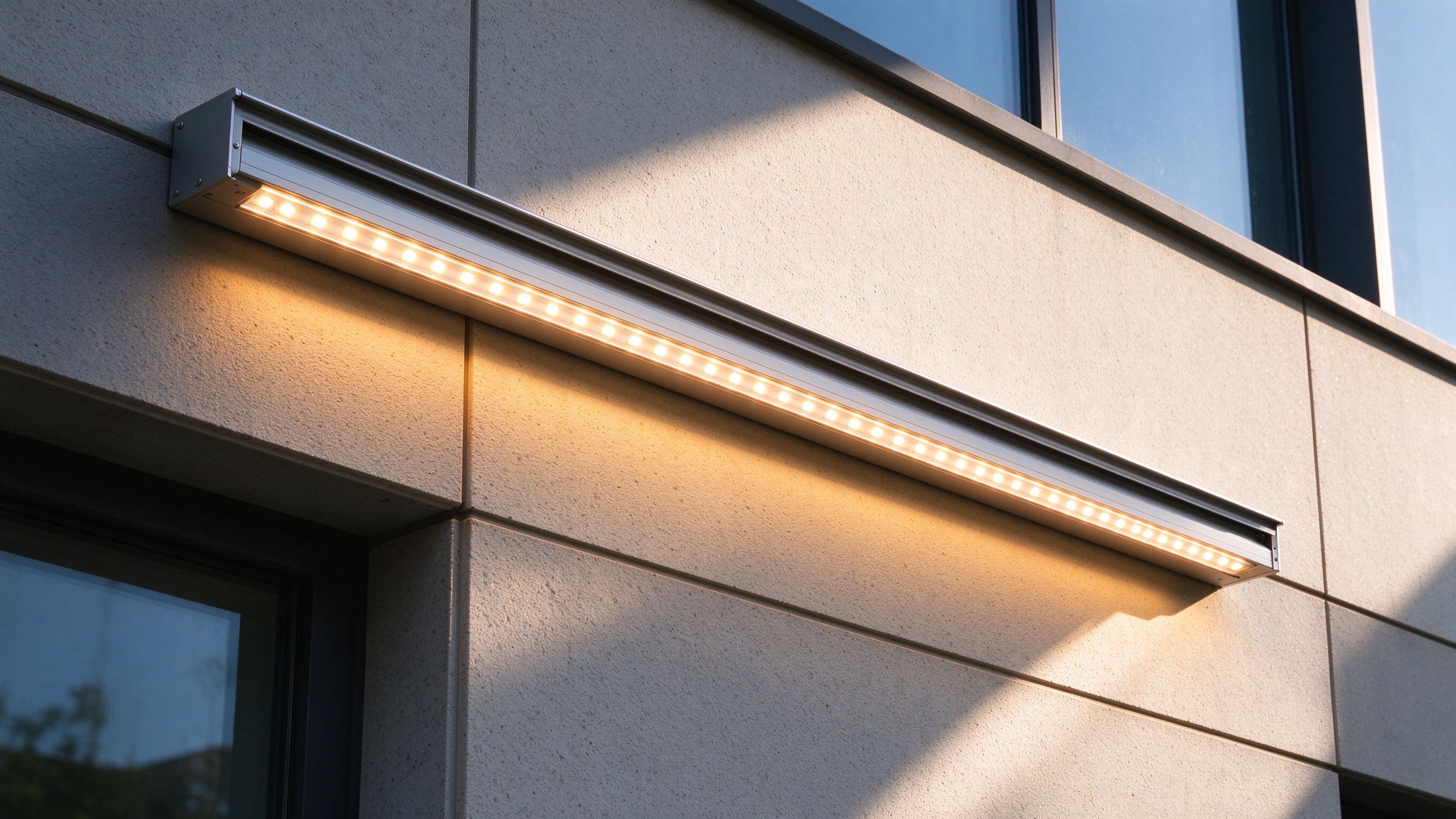
When a facade is tall and the setback is limited, a standard wall-washer runs out of throw before it reaches the upper floors. A 25x27 high-power flexible wall washer packs the LEDs, beam control and thermal mass needed to graze light much higher while still following a building's contours. The price of that power is serious heat management and correctly spaced, well-fed runs.
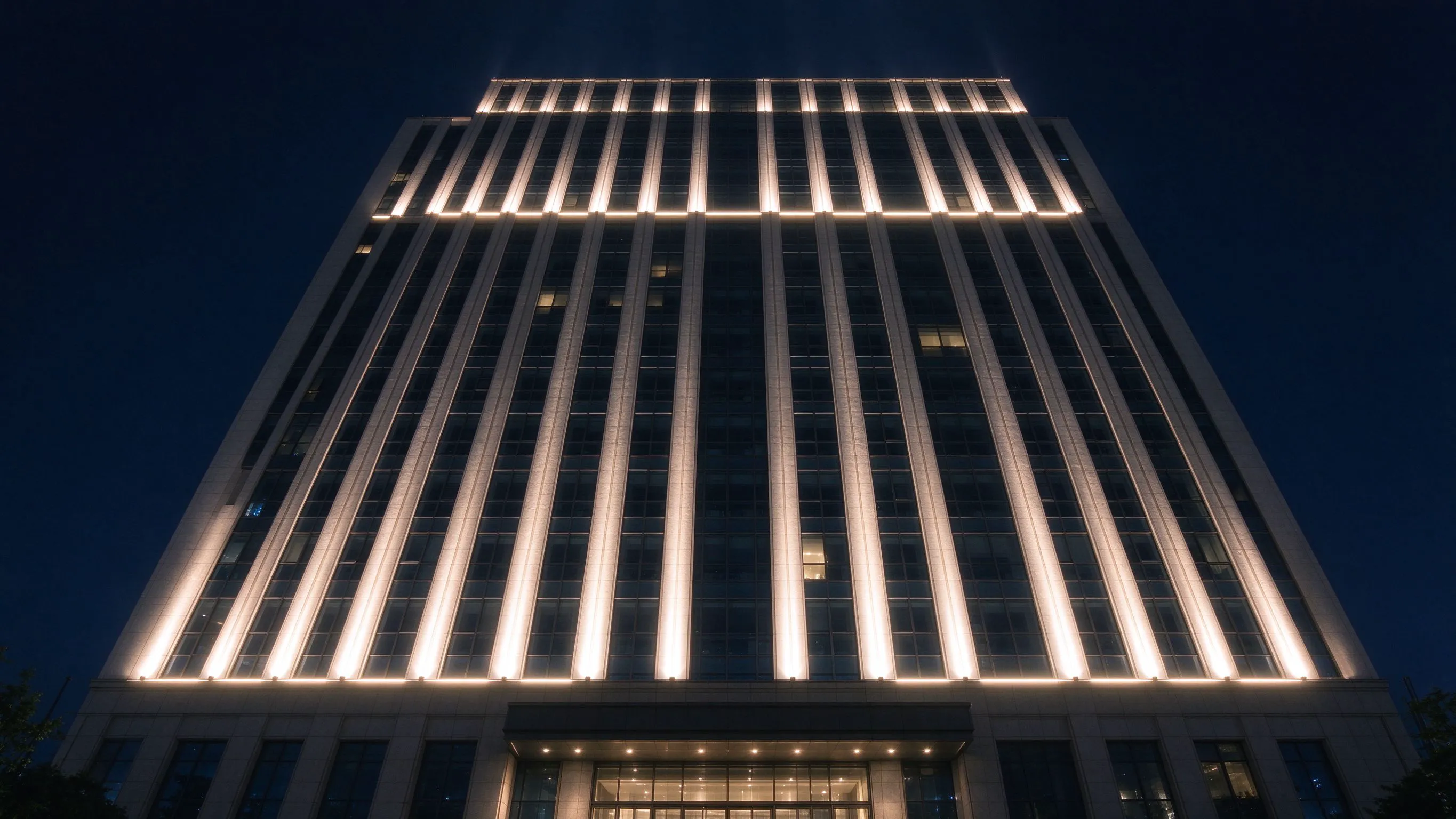
When a Normal Wall Washer Runs Out of Reach
Mid-size wall washers are excellent on feature walls and low facades, but they are built for moderate throws. Point one at a multi-storey facade from a realistic setback and the beam simply dies partway up: bright ground floor, fading mid-rise, dark roofline. Adding more of the same low-power fixtures does not fix the optic; it just creates overlapping hot bands at the base.
Reaching height needs a product that combines a controlled beam with genuinely higher optical power, which is the role of a high-power 25x27 flexible wall washer.
What the 25x27 High-Power Body Provides
- Larger cross-section (around 25x27 mm) to carry high-power LEDs and optics.
- Higher lumen output per metre for a beam that carries up tall surfaces.
- Integrated beam control to direct light upward rather than spilling it at the base.
- More thermal mass and aluminium to dissipate the heat high power generates.
- Flexibility to follow curved or faceted facades that rigid bars cannot.
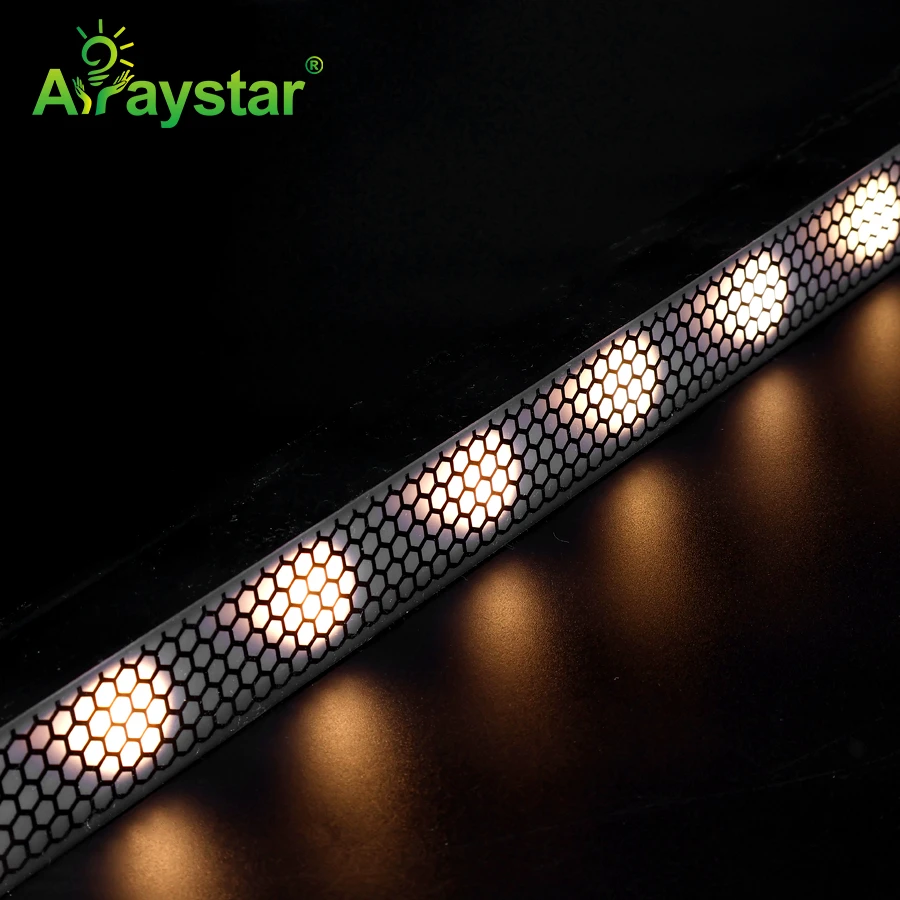
For tall grazing applications I use the 25x27 high-power flex wall washer. It bridges the gap between a small decorative neon washer and a rigid architectural linear fixture, giving height and flexibility in one product.
High Power Means Real Heat to Manage
The single biggest mistake with high-power linear products is treating them like ordinary strip. A 25x27 washer at full load generates substantial heat per metre, and heat is what shortens LED life, shifts colour and degrades the optics. These products are designed around an aluminium body for a reason; mounting them to a thermally conductive surface or their intended profile is not optional.
- Always mount to the aluminium profile or a thermally conductive facade surface.
- Observe the rated wattage; never overdrive to chase extra height.
- Allow air movement around the fixture; do not bury it in insulation or a sealed channel.
- Check ambient temperature de-rating for facades in hot climates.
Beam, Setback and Reaching the Top
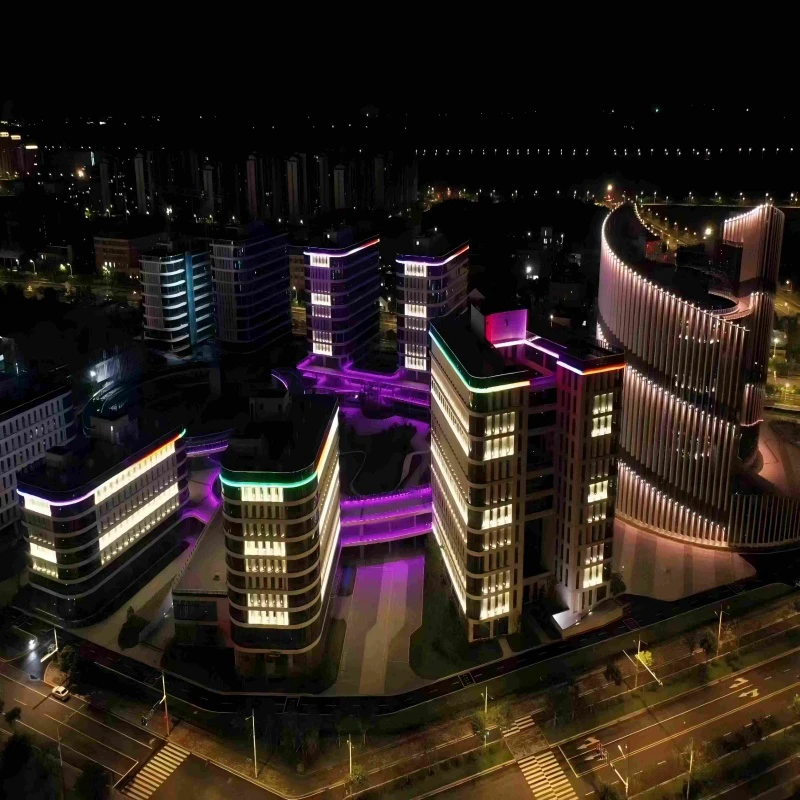
Even a high-power washer needs the right geometry. I set the setback and tilt so the asymmetric beam opens up as it climbs rather than blasting the base, and on very tall facades I plan staged runs at floor lines instead of expecting one ground-level throw to reach the roof. The high-power product extends what each run can cover; it does not suspend the laws of optics.
High power extends reach; staging still wins on towers.
| Facade height | Likely approach with 25x27 |
|---|---|
| 2-4 storeys | Single ground-level run with correct setback often suffices |
| 5-8 storeys | Ground run plus intermediate or tighter-beam staging |
| Towers / high-rise | Multiple staged runs across floor lines |
| Curved facades | Flex body follows the curve; stage by height |
Spacing Runs and Controlling Overlap
Where multiple high-power runs wash a facade, spacing and aiming decide whether the result is even or striped. I aim for controlled overlap so adjacent beams blend, and I commission at night from across the street rather than from the scaffold. Dark, textured cladding absorbs light and needs tighter spacing and the higher output this product provides; light, smooth surfaces can be spaced further apart.
Powering High-Wattage Facade Runs
High output means high current, so driver sizing and voltage drop demand careful calculation. I size outdoor drivers for the full loaded wattage with headroom, use the voltage option suited to long horizontal runs, and inject power at planned intervals so the top and far sections match the base. Drivers live in accessible, weather-protected locations rather than sealed behind cladding where they cannot be reached.
Rigid Bars vs Flexible High-Power Washers
Choose flex for contours, rigid for long straight precision runs.
| Factor | 25x27 flexible washer | Rigid linear wall-washer bar |
|---|---|---|
| Curved / faceted surfaces | Follows the contour | Needs angled segments |
| Straight tall facades | Good | Excellent and very controlled |
| Mounting simplicity on curves | High | Lower; many joints |
| Raw power and optics | High | Often highest with dedicated lenses |
Specifying a Tall Facade Wash
Provide the facade height, cladding colour and texture, the available setback, any curvature and the furthest viewing distance. I will confirm whether the 25x27 high-power flex washer reaches the top from ground level or where staged runs are needed, along with the driver and feed layout. We supply the 25x27 high-power flex washer and recommend a night trial on one bay before fitting the whole facade, because height, setback and heat are all easier to correct on a single test run.
A Night Commissioning Walkthrough
High-power facade work is never finished when the last clip goes on; it is finished after a night commissioning. I plan that walk-through deliberately rather than accepting whatever the daytime install happened to aim at.
- Start from the furthest viewing point, usually across the street or from an approach road, and judge overall reach and evenness.
- Move to the base and check for blown-out hot bands where the beam hits the cladding too hard.
- Scan the top edge of the facade to confirm the wash actually reaches the highest target floor.
- Walk the full length looking for runs that are mis-tilted or spaced inconsistently relative to their neighbours.
- Check colour and brightness uniformity, which exposes voltage drop or mixed product batches.
- Photograph each bay as a record and mark any fixture that needs re-aiming before handover.
On a recent eight-storey project the ground-level trial looked perfect from the scaffold, but from across the road the third bay ran noticeably dimmer at the top because one run had been mounted a few centimetres closer to the wall than the others, narrowing its effective throw. That fault was invisible up close and obvious from the viewing position, which is exactly why I commission from the audience's side. We corrected the setback on that single bay, re-locked the brackets and rechecked the run against its neighbours. The other thing I verify at night is thermal: after the washers have run at full output for a while I check that the aluminium bodies and mounting surfaces are within expected temperatures rather than quietly overheating. A disciplined night walk catches aiming, spacing, uniformity and heat issues in one pass and prevents a grand opening under a patchy, half-lit facade.
Recommended Products
Frequently Asked Questions
Why won't a normal wall washer reach the top of a tall building?
A standard mid-size washer has a moderate beam and output that runs out of throw after a few storeys, producing a bright base and a dark top. A 25x27 high-power flexible washer combines a controlled beam with higher lumens and thermal mass to carry light much higher, though very tall towers still need staged runs.
Do high-power wall washers overheat?
They generate substantial heat and rely on their aluminium body and a thermally conductive mounting surface to dissipate it. Mount them to the intended profile, never overdrive them, keep air moving around the fixture and de-rate for hot climates; treating them like ordinary low-power strip will shorten their life.
Can one high-power washer light a high-rise from the ground?
Up to a point. It reaches far higher than a standard washer, but on towers a single ground-level throw still cannot evenly cover every floor, so runs are staged at floor lines with appropriate setback and tilt. High power extends each run's reach rather than eliminating staging.
Should I use a flexible washer or rigid bars on a tall facade?
Use the 25x27 flexible washer when the facade is curved or faceted and the fixture must follow the contour, and rigid linear bars for long, perfectly straight runs where dedicated lenses give the tightest beam control. On straight sections rigid bars are often the most precise; flex wins wherever the surface changes direction.
How do I power high-wattage facade washers evenly?
Calculate the full loaded wattage, size outdoor drivers with headroom, choose the voltage suited to long horizontal runs and inject power at planned intervals so upper and far sections match the base. Locate drivers in accessible, weather-protected positions rather than sealing them behind cladding.
Need help with your LED project?
Get factory-direct pricing, free samples and engineering support within 24 hours.
Email: info@arraystarled.com | Phone: +86-0755-2103-6746 | WhatsApp: 0086 1581 8514 077
Need to size your power supply? Use our LED Strip Power Calculator to find the right driver in seconds.