
3D-Bend Neon Flex for Multi-Plane Letters and Sculptures
- 2026-10-09 18:40
- /
- Arraystar LED
Most neon bends in one plane: top-bend for curves across a face, side-bend for curves along an edge. A 3D-bend neon can fold in multiple planes, which lets it follow compound curves, sculptural forms and letters that turn corners in depth. That freedom is real but it is not unlimited; bend radius, twisting and support still govern what builds cleanly.
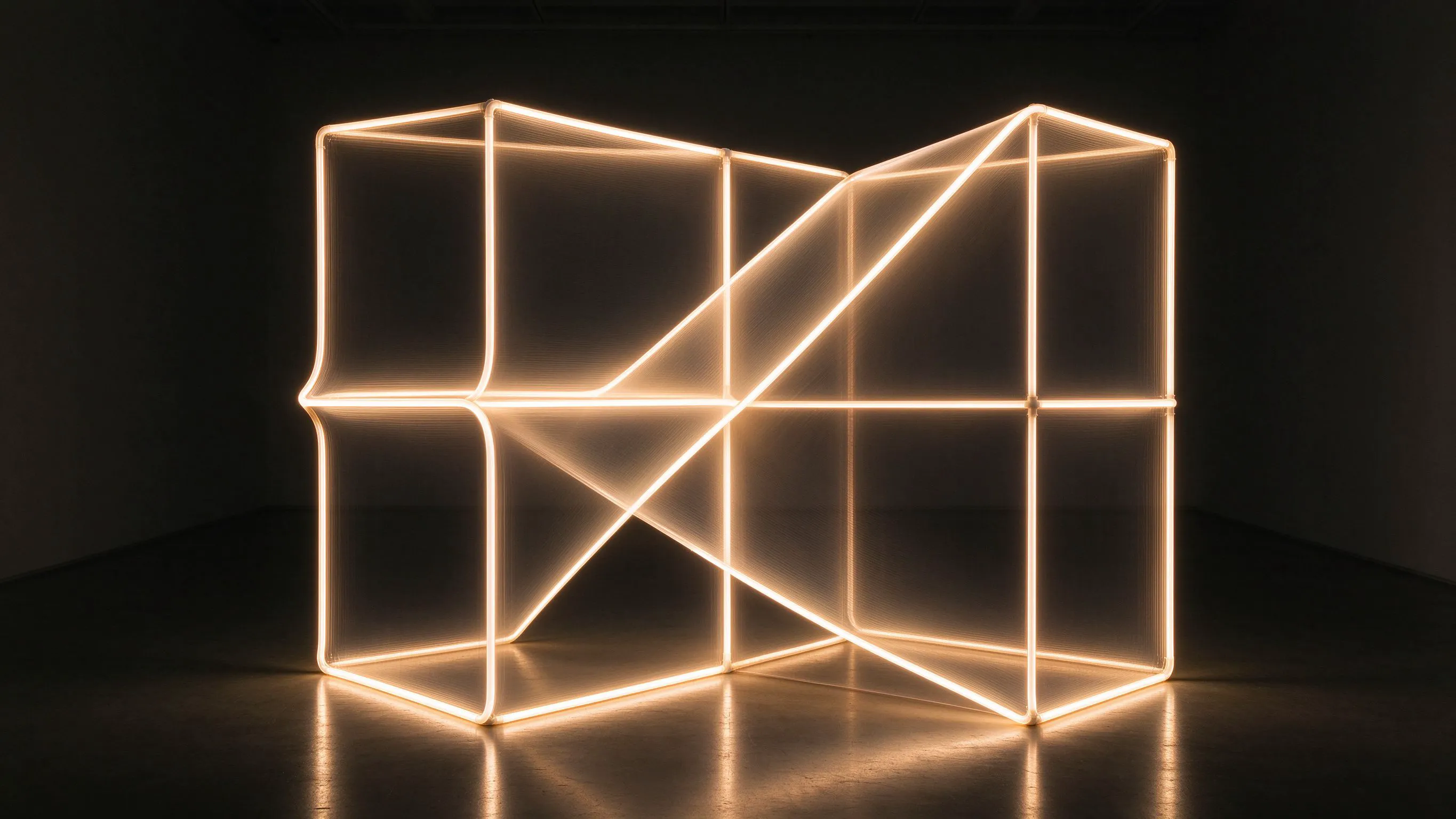
The Bend Direction Most People Never Think About
When fabricators first choose neon they usually think about colour, size and brightness, then discover too late that bend direction matters just as much. A standard top-bend tube curves across the flat face of a letter; a side-bend tube curves along the edge. Each is excellent in its own plane, but both are effectively rigid in the other direction.
That limitation is invisible on flat signs and unavoidable on anything three-dimensional. The moment a letter or sculpture turns in depth, wrapping over an edge and then curving across a face, a single-plane tube kinks or refuses to follow.
What 3D-Bend Neon Actually Does
- Multi-plane flexibility that lets one continuous run bend across the face and over the edge.
- Compound curves on sculptural and free-form shapes without cutting into segments.
- Fewer joins on forms that change direction in depth, reducing connectors and potential dark points.
- Continuous glowing lines over 3D letters, props, furniture and art installations.
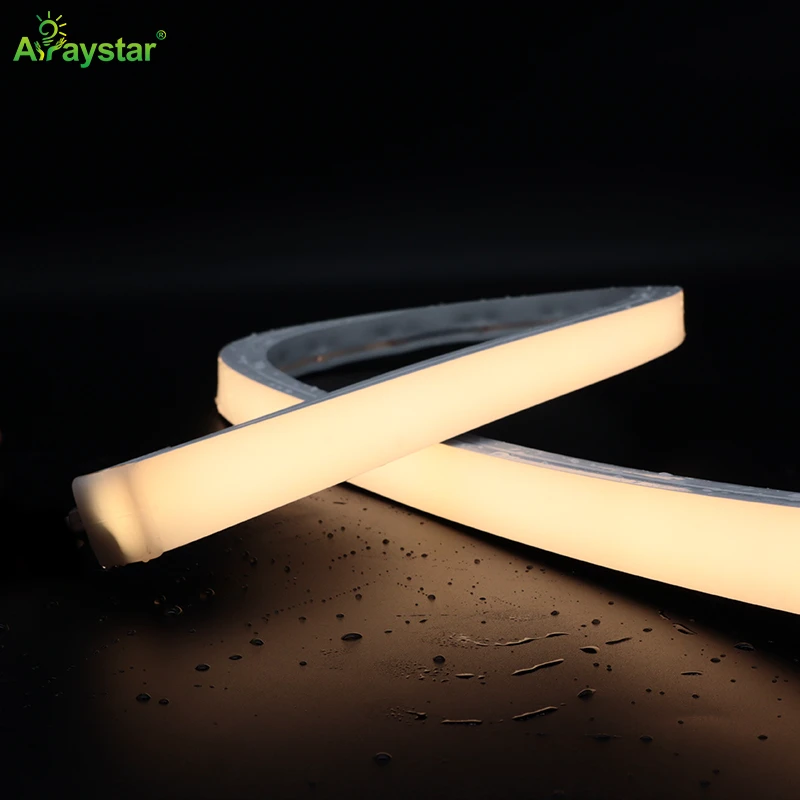
The ART-NS2020 3D is the profile I reach for when a design genuinely moves through more than one plane. It is built to tolerate the combined bending that would flatten or whiten a conventional top- or side-bend tube.
Top, Side and 3D Bending Side by Side
Choose the bend type from the geometry, not the price list.
| Bend type | Curves across the face | Curves along the edge / in depth | Typical use |
|---|---|---|---|
| Top-bend | Yes | No | Flat channel letters and logos |
| Side-bend | Limited | Yes | Letters following edges and returns |
| 3D-bend | Yes | Yes | Sculptures, 3D letters, props, furniture |
I see 3D product over-specified on flat signs where it offers no benefit, and under-specified on sculptural jobs where someone tries to force a top-bend tube through a depth turn. A quick look at whether the artwork stays in one plane settles which product is needed.
Where 3D-Bend Earns Its Keep
- Three-dimensional built-up letters whose outline crosses the face and the return.
- Sculptural signage and art pieces based on compound curves.
- Themed props, exhibition stands and stage sets with free-form glowing lines.
- Curved furniture and architectural features that turn in depth.
- Retail displays where a single continuous glow wraps a three-dimensional form.
The Limits: Radius, Twist and Flat Spots
Multi-plane flexibility does not mean unlimited flexibility. Even a 3D tube has a minimum bend radius, and combining two bend directions at the same point concentrates stress that can produce a flat spot, a kink or a whitened section. I avoid asking the tube to bend sharply in two planes at once; where a form demands it, I spread the transition over a short curve rather than one tight compound fold.
- Respect the minimum radius in every plane; 3D does not remove it.
- Avoid twisting the tube around its own long axis, which misaligns the light.
- Spread compound bends over a gentle transition instead of one sharp point.
- Replace any section that whites out or flattens; it will not glow correctly.
Building a Support Structure for 3D Forms
A flat letter gives the neon a ready surface to follow; a free-form sculpture often does not. On 3D work I build or use a frame that defines the curve in all three dimensions, then fix the neon to it with clips that hold the intended shape. Trying to bend the tube in mid-air and glue it afterwards produces a shape that relaxes and sags. The frame carries the geometry; the neon simply follows it.
Practical sequence
- Bend and fix the support frame to the exact 3D form first.
- Dry-fit the neon along the frame before any final fixing or wiring.
- Clip progressively, working the tube into compound curves gently.
- Power up on the frame to check for flat spots before closing the piece.
Wiring Continuous Runs Through Turns
One of the benefits of 3D neon is fewer joins, but a continuous run still has to be powered sensibly as it winds through a form. I plan feed points at natural structural junctions where they can be hidden in the frame, and I keep runs within voltage guidance so a line that climbs and turns through a sculpture stays evenly lit. On large installations I group feeds so a section can be removed for service without dismantling the whole piece.
Specifying a Three-Dimensional Project
Send the form's geometry, the tightest radius in each plane, the overall run length and whether the piece is indoor, outdoor or handled as a touring prop. Those facts confirm whether 3D-bend neon is sufficient or where the form needs to be broken into joined sections. We supply the NS2020 3D and can advise on bend limits and support design; for complex sculptures a short test section bent on a sample frame is the fastest way to confirm the effect before the full build.
Worked Example: A 3D Brand Sculpture
A tech client wanted a freestanding logo sculpture for an exhibition stand, where the brand mark was built up in three dimensions rather than printed on a panel. The outline climbed the front face, rounded the top edge and continued a short way down the return before sweeping into a curved base. A flat top-bend sample we tested first whitened badly as it tried to fold over the top edge, and joining separate top- and side-bend runs at the corner put a visible dark point exactly on the hero curve.
Switching to the NS2020 3D let us run one continuous line through the whole sequence. We still built a wire-and-acrylic frame first, because the compound curve at the top needed a defined radius to follow rather than being forced in free air. We dry-fitted the neon, marked the one transition where the combined bend was tightest and opened that radius by a few millimetres in the frame rather than forcing the tube. The finished piece lit as one unbroken outline with no join on the hero edge. The lesson I take from jobs like this is that 3D neon removes the joins but does not remove the need for a frame and a sensible radius; the fabrications that fail are the ones that treat multi-plane flexibility as permission to ignore bend geometry entirely.
Recommended Products
Frequently Asked Questions
What is 3D-bend neon flex?
It is neon engineered to bend in multiple planes, so a single continuous run can curve across a face and then turn over an edge or through depth, unlike top-bend or side-bend tubes which flex mainly in one plane. It is used for 3D letters, sculptures, props and furniture with compound curves.
Do I still need to respect a bend radius with 3D neon?
Yes. Multi-plane flexibility does not remove the minimum bend radius, and bending sharply in two planes at once can kink, whiten or flatten the tube. Spread compound bends over a gentle transition, avoid twisting around the long axis, and replace any section that develops a flat spot.
When should I use 3D-bend instead of top- or side-bend neon?
Use it when the glowing line has to follow a form that turns in depth, such as a 3D built-up letter, a sculpture, a prop or curved furniture. For flat signs that stay in one plane, a standard top-bend tube is simpler and cheaper; 3D offers no benefit there.
How do you support neon on a free-form 3D sculpture?
Build a frame that defines the curve in all three dimensions first, then clip the neon to that frame so it holds the intended shape. Dry-fit the tube along the frame, fix progressively and gently, and power up on the frame to check for flat spots before finishing the piece.
Can one continuous 3D neon run power a whole sculpture?
It can cover a lot of form with fewer joins, but you still need to plan feed points within voltage guidance so the line stays even as it winds through the piece. Hide feeds at structural junctions in the frame and group them so sections can be serviced without dismantling the whole sculpture.
Need help with your LED project?
Get factory-direct pricing, free samples and engineering support within 24 hours.
Email: info@arraystarled.com | Phone: +86-0755-2103-6746 | WhatsApp: 0086 1581 8514 077
Need to size your power supply? Use our LED Strip Power Calculator to find the right driver in seconds.







