IP68 TPU Neon Flex for Permanent Outdoor and Underwater Use
- 2026-10-09 18:40
- /
- Arraystar LED
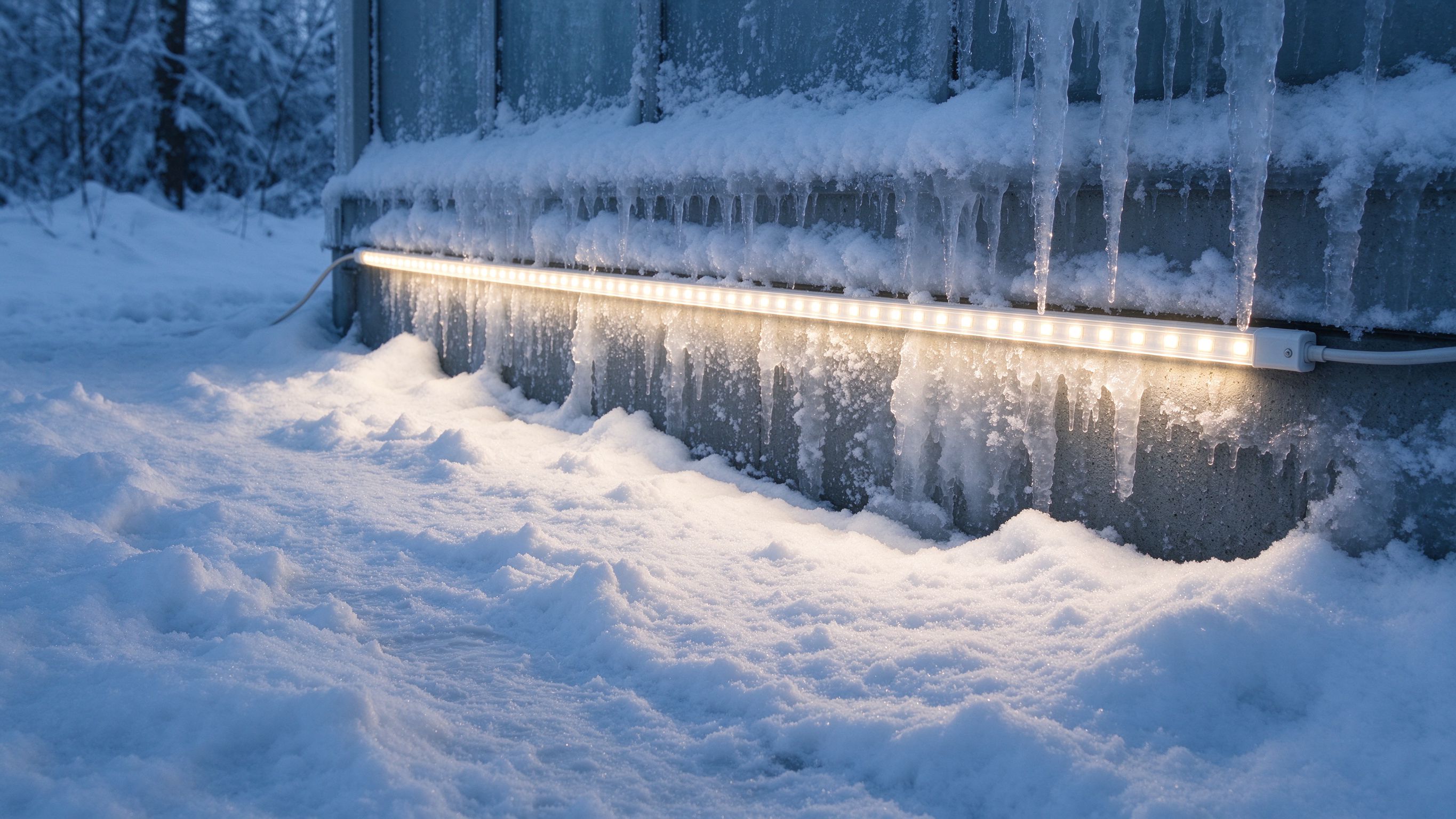
IP67 handles rain; genuine permanent immersion and the harshest permanent outdoor exposure call for IP68 full encapsulation, and the jacket material matters as much as the rating. TPU-based IP68 neon resists water, salt and temperature cycling where ordinary sleeves eventually let moisture in. It is specified for fountains, pools, waterside features and punishing permanent exteriors, with waterproof connectors treated as part of the rated system.
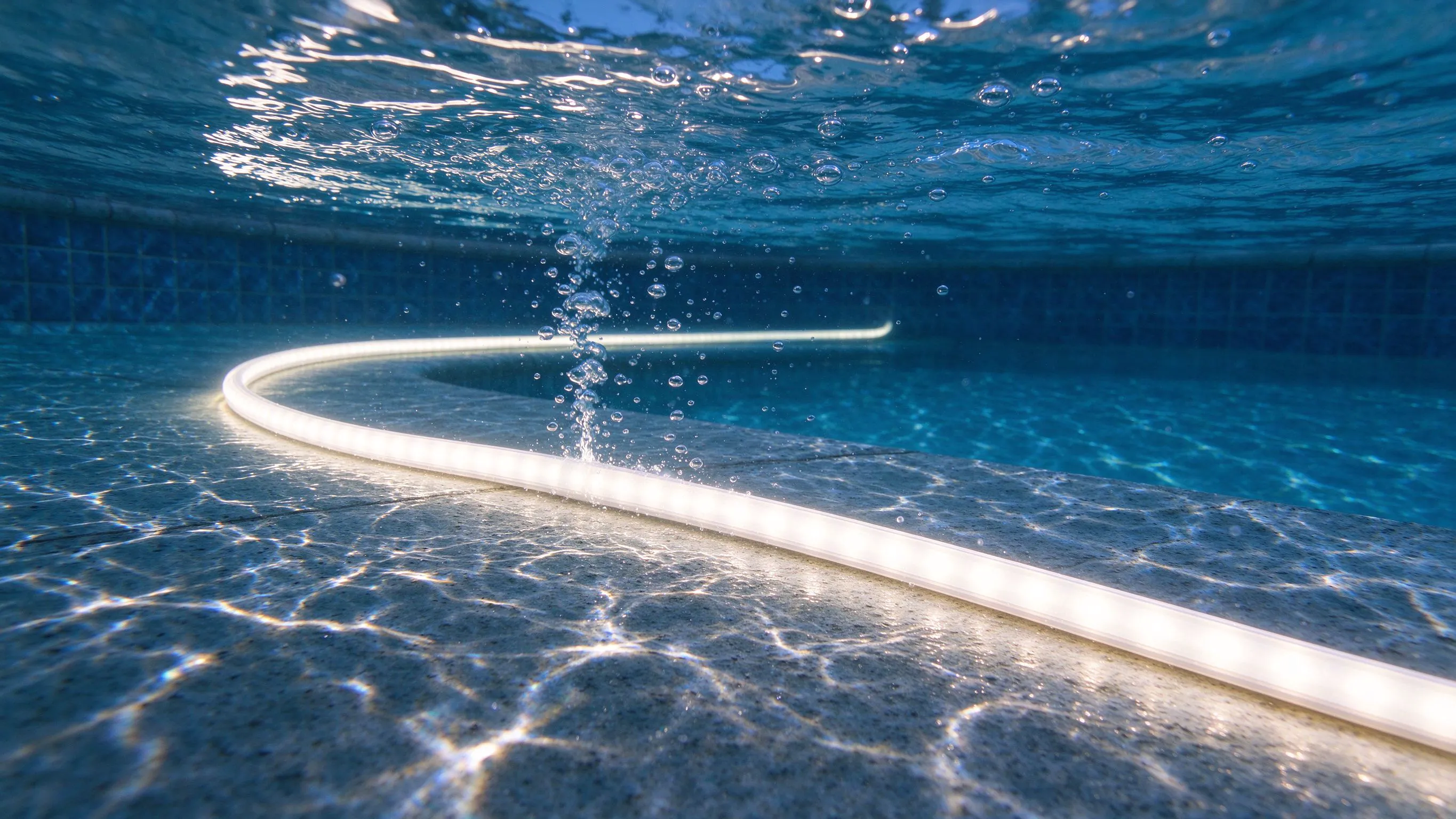
IP67 Is Not IP68: Know the Exposure
A lot of outdoor lighting is sold as waterproof when it is really only rainproof. IP67 protects against temporary immersion and heavy water exposure, which covers most signage. IP68 goes further: it is rated for continuous immersion under the manufacturer's specified conditions, which is what fountains, pools, water features and below-ground or flood-prone installations actually require.
Specifying IP67 where a fixture sits underwater is not a small rounding error; it is the difference between a feature that lasts and one that fills with water the first time the level rises.
Why the Jacket Material Matters: TPU
- TPU (thermoplastic polyurethane) offers strong resistance to water, abrasion and temperature cycling.
- Flexibility in cold without the brittleness that affects some cheaper compounds.
- Good resistance to oils, ozone and environmental ageing in permanent outdoor use.
- Tight encapsulation around the strip when fully extruded for IP68.
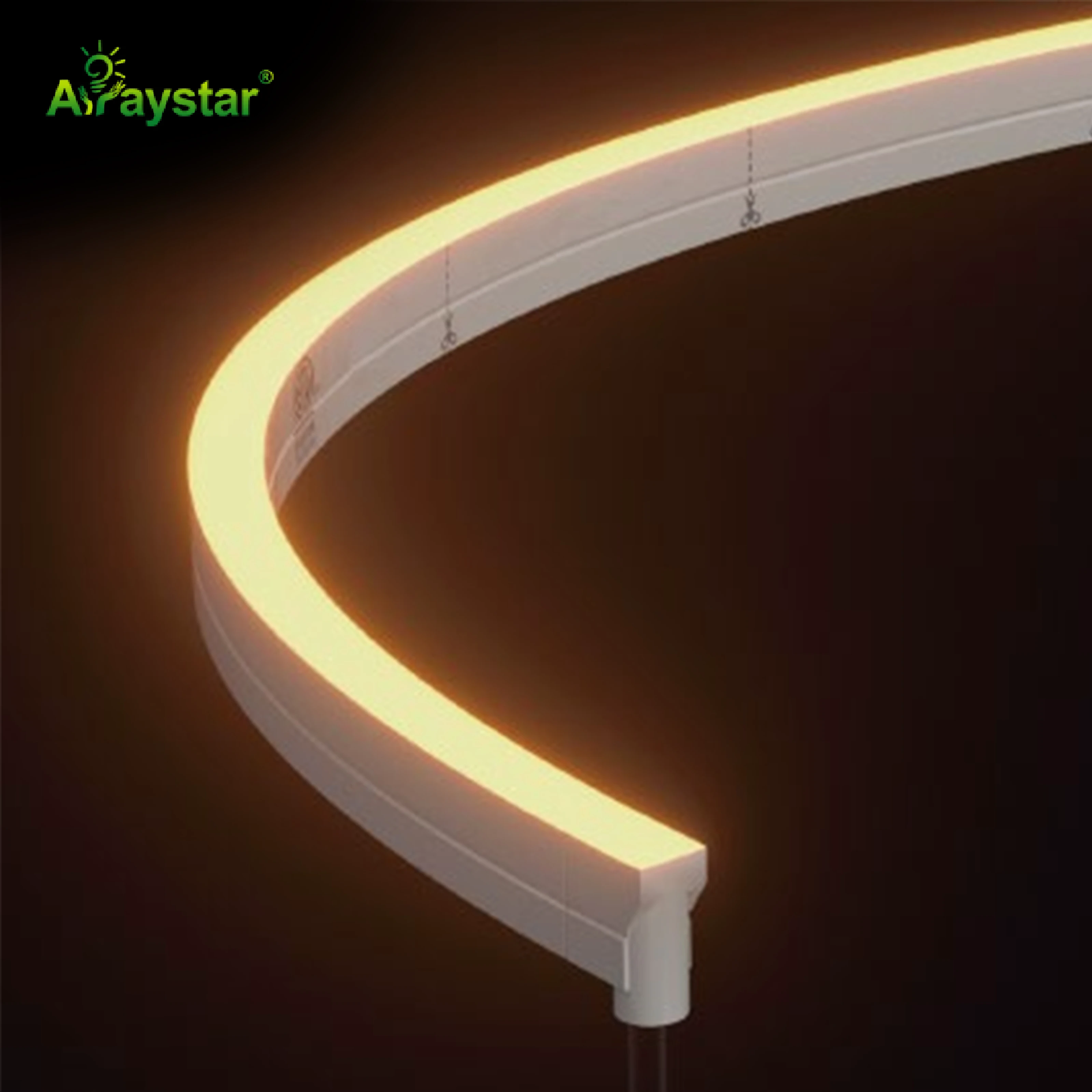
For permanent waterside and immersion work I use the IP68 TPU ART-TP1220. The full encapsulation and the TPU jacket are what let it survive conditions that would defeat a standard silicone IP67 sign tube.
Where IP68 TPU Is Specified
Match the rating to the real worst-case water exposure.
| Environment | Rating / material to favour |
|---|---|
| Fountains and water features | IP68 TPU, rated connectors |
| Pools and spa edges (per spec) | IP68 to the required depth/time |
| Waterside decks and marina areas | IP68 with salt/UV resistance |
| Flood-prone or below-grade lines | IP68 full encapsulation |
| Coastal permanent exteriors | IP68/IP67 plus salt-resistant fixings |
| Ordinary rain-exposed signs | IP67 is usually sufficient |
The Connector Is Half the Rating
An IP68 strip with a non-IP68 connector is not an IP68 system. Water finds the join first, which is why I only use the manufacturer's matched waterproof connectors and end caps rated for the same immersion conditions, and I treat every field-made joint as the critical point. For underwater work I minimise the number of connections in the water by making up long sealed runs and keeping junctions above the waterline wherever the design allows.
- Use matched IP68 connectors and end caps, not generic sealed plugs.
- Keep junctions above water level where possible; fewer submerged joins is better.
- Inspect seals and strain-relieve cables so movement does not break the bond.
- Do not damage the encapsulation when clipping or routing the strip.
Salt, Chlorine and Chemical Exposure
Pool and coastal environments add chemistry on top of water. Salt air corrodes fixings and attacks inferior jackets; chlorine and pool chemicals age materials faster than fresh water. I specify corrosion-resistant stainless or marine fixings, confirm the jacket's suitability for the specific water chemistry, and I am honest that even rated product needs periodic inspection in aggressive environments rather than being fit-and-forget forever.
Heat and Electrical Safety in Water
Underwater and waterside lighting raises the stakes for electrical safety, so I use the appropriate low-voltage system, rated isolation and protection for the environment, installed by qualified personnel to local regulations. Heat dissipation also changes in water; I follow the product's ratings for submerged use rather than assuming an outdoor wattage figure applies unchanged underwater, and I never seal an IP68 run into an unventilated enclosure where heat cannot escape.
Installation and Maintenance Routine
- Plan runs and junctions before filling or commissioning the water feature.
- Test every sealed run for correct operation before it goes underwater.
- Fix with marine-rated hardware and avoid sharp edges that can cut the jacket.
- Schedule periodic inspection of submerged connectors and any cable strain points.
- Keep spares of the matched connectors; a generic replacement destroys the IP rating.
Specifying a Waterproof Project Correctly
Tell me the worst-case exposure: rain only, occasional immersion, permanent underwater, the depth and duration, and whether the water is fresh, chlorinated or salt. Those facts determine whether IP67 silicone is enough or the IP68 TPU product is required, along with the correct connectors and fixings. We supply the IP68 TPU TP1220 and matched waterproof connection systems, and we would always rather specify the rating the environment genuinely demands than discover a flooded feature after commissioning.
Reading IP Ratings and the Test Evidence Behind Them
The two digits in an IP rating answer different questions, and I find it helps clients to separate them. The first digit covers solids and dust; the second covers water. So IP67 means totally dust-tight (6) plus protection against temporary immersion (7), while IP68 keeps the dust-tight 6 and upgrades the water protection to continuous immersion under stated conditions (8). A product labelled simply 'waterproof LED strip' with no IP number is not giving you enough information to specify it underwater.
- First digit 6: totally dust-tight, which matters for outdoor and industrial use.
- Second digit 7: temporary immersion; suitable for rain and accidental short submersion.
- Second digit 8: continuous immersion to the manufacturer's declared depth and time.
- The rating is a system result: the strip, connectors and end caps must all meet it.
For fountain and pool work I ask for the actual test evidence and the declared immersion conditions, because IP68 is always qualified by a depth and a duration that vary between products. A rating valid to a shallow depth for a short test is not the same as permanent installation at the bottom of a pool. I also check that the connectors carry a matching rating rather than assuming the strip's IP number covers the whole assembly. Keeping the test documentation with the project file protects everyone: the designer knows what was specified, the installer knows which connectors are mandatory, and the client has evidence if the feature is ever inspected or extended. Quoting a rating without the conditions and the matched connectors is how well-intentioned waterside projects end up with water inside the line.
Recommended Products
Frequently Asked Questions
What is the difference between IP67 and IP68 neon?
IP67 protects against heavy rain and temporary immersion, which suits most outdoor signs. IP68 is rated for continuous immersion under the manufacturer's specified depth and time, which is required for fountains, pools and permanent underwater or flood-prone installations. Do not use IP67 where the fixture will stay underwater.
Why use TPU instead of ordinary silicone for underwater neon?
TPU offers strong resistance to water, abrasion, ozone, oils and temperature cycling, and stays flexible in cold, which suits permanent outdoor and immersion exposure better than cheaper compounds. When fully extruded for IP68 it encapsulates the strip against continuous water contact.
Do I need special connectors for IP68 neon?
Yes. An IP68 strip is only an IP68 system with matched IP68-rated connectors and end caps; a generic plug reduces the whole assembly to its weakest seal. Minimise submerged junctions by using long sealed runs and keeping joins above the waterline where possible.
Can IP68 neon be used in chlorinated pools or salt water?
It can be specified for those environments, but confirm the jacket's resistance to the specific water chemistry and use marine-grade, corrosion-resistant fixings. Salt and chlorine age materials faster than fresh water, so even rated product needs periodic inspection rather than being treated as maintenance-free forever.
Is underwater LED strip safe to install?
When it is the correctly rated low-voltage IP68 product with proper isolation and protection, installed by qualified personnel to local electrical regulations, yes. Follow the product's submerged-use wattage ratings, test sealed runs before immersion, and never enclose IP68 strip in an unventilated space where heat builds up.
Need help with your LED project?
Get factory-direct pricing, free samples and engineering support within 24 hours.
Email: info@arraystarled.com | Phone: +86-0755-2103-6746 | WhatsApp: 0086 1581 8514 077
Need to size your power supply? Use our LED Strip Power Calculator to find the right driver in seconds.