Anodised vs Powder-Coated Profile for Outdoor Use
- 2026-10-28 10:04
- /
- Arraystar LED
People ask me which finish I buy for outdoor channels and the honest answer is neither one always. Anodising wins on durability of the natural silver look; powder coat wins when the client wants black or bronze that matches the rest of the facade.
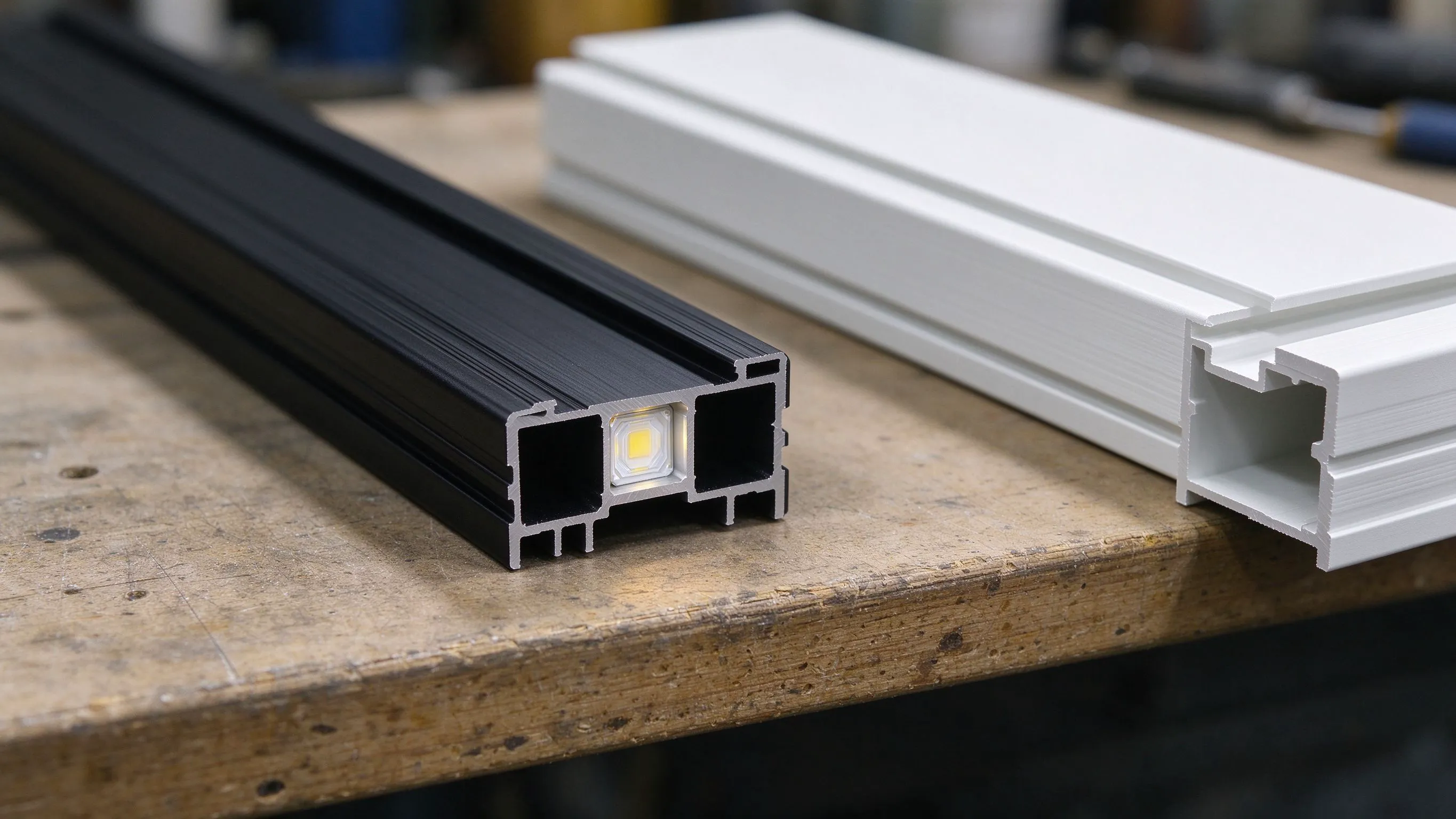
What each finish actually is
Anodising is an electrochemical process that thickens the aluminium oxide layer on the extrusion itself. It is integral to the metal, around 10 to 15 microns thick, and it will not chip or peel. Powder coat is a coloured polymer powder baked onto the surface, typically 60 to 80 microns, sitting on top of the aluminium. It comes in any RAL colour but it is a coating, and coatings get scratched.
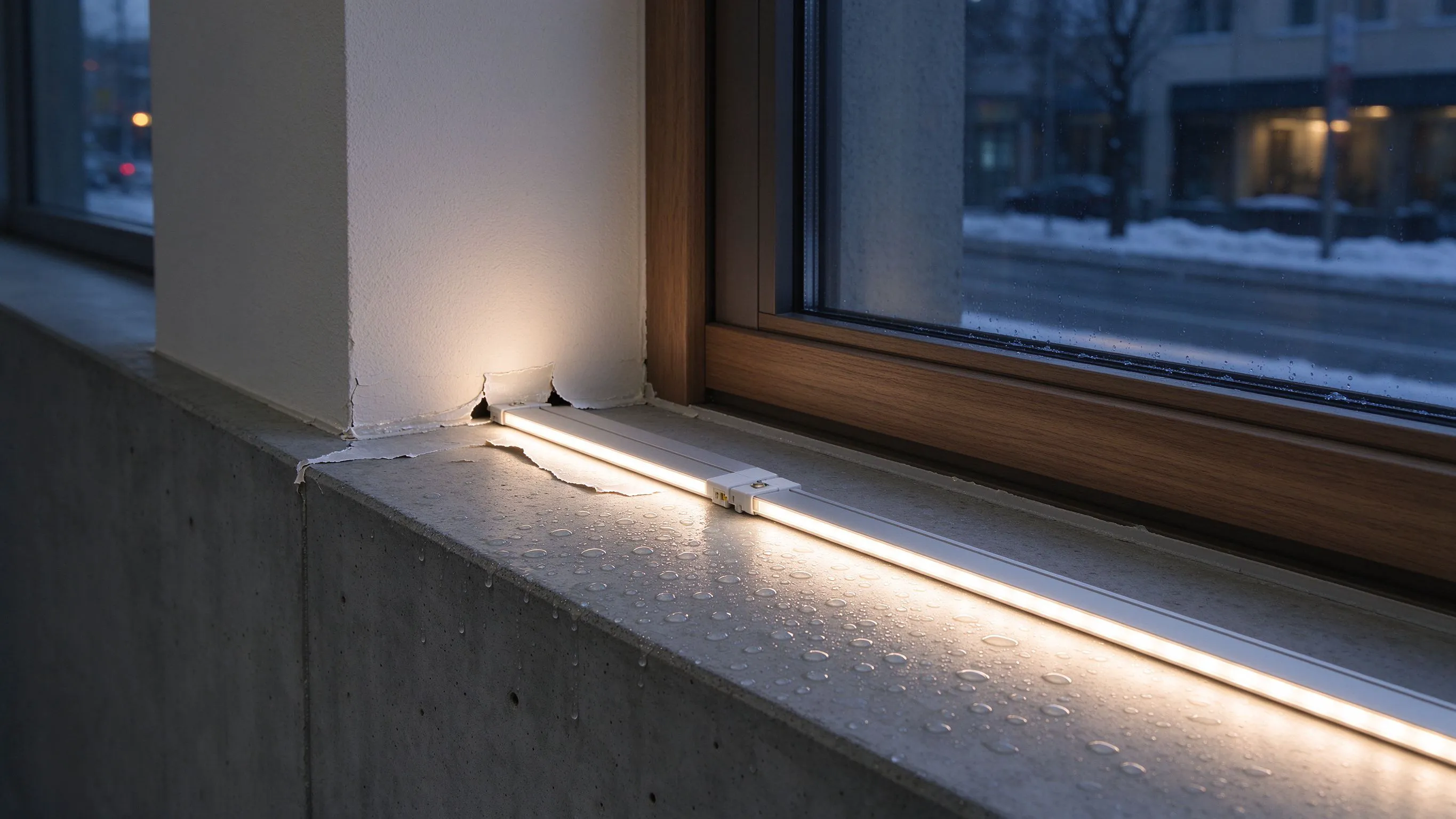
On a seaside job years ago I specified natural anodised channels on a balcony railing, and the contractor talked the client into black powder coat for aesthetics. Within three years the sun-facing runs had chalked and the corners where cleaners knocked ladders had bare aluminium showing through. The anodised runs on the other side of the building were still perfect.
The finish traits I weigh up
- Anodising: natural silver, scratch-tough, limited colour range, excellent corrosion resistance.
- Powder coat: any RAL colour, richer black, chalks and fades in UV, chips on impact.
- Bare mill finish: cheapest, oxidises to a dull grey, fine if hidden.
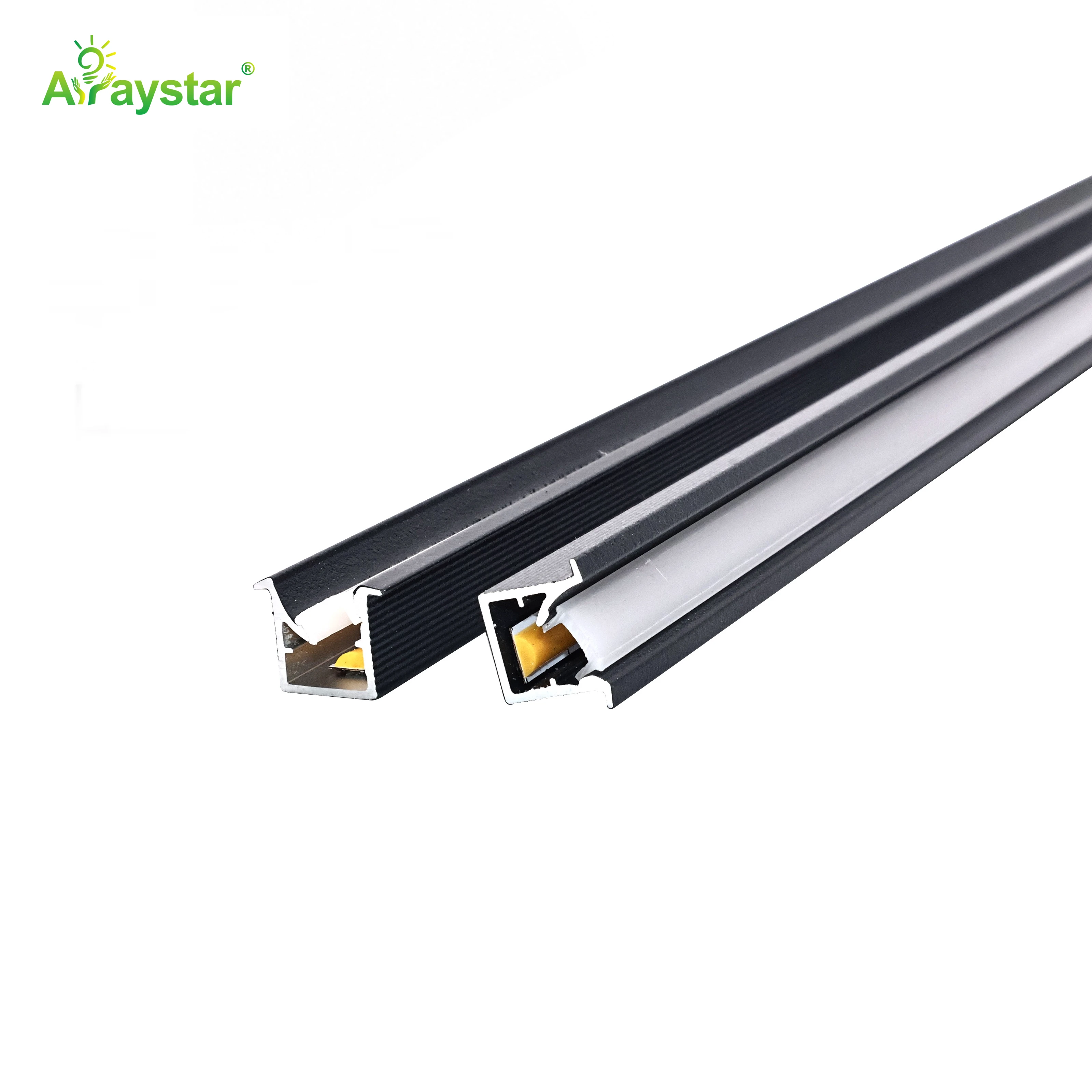
Corrosion, salt air and where each fails
Aluminium naturally forms a protective oxide, but in salt spray or acidic rain that oxide gets attacked and you see white pitting. Anodising adds a dense barrier that withstands salt air for decades. Powder coat seals the metal too, but once the film is broken at a scratch, salt creeps underneath and lifts the coating from the edge inward.
Match the finish to the worst exposure point, not the average.
| Exposure | Finish I specify | Why |
|---|---|---|
| Coastal, within 1 km of sea | Anodised | Salt under chips lifts powder coat. |
| Inland, shaded / covered | Powder coat black | Low UV, colour match matters. |
| South-facing full sun | Anodised or fluoropolymer powder | Standard powder chalks. |
| Hidden under soffit | Mill finish | Nobody sees it. |
Colour, fade and the black problem
Anodising is usually silver, champagne or a dark bronze dye, but it never gives a true deep black. If the architect has specified black channels to match black window frames, you are in powder-coat territory. The catch is that standard polyester powder coat fades two to three shade steps in five years of full sun. For exposed black I push for a super-durable or fluoropolymer powder, even if it costs thirty percent more.
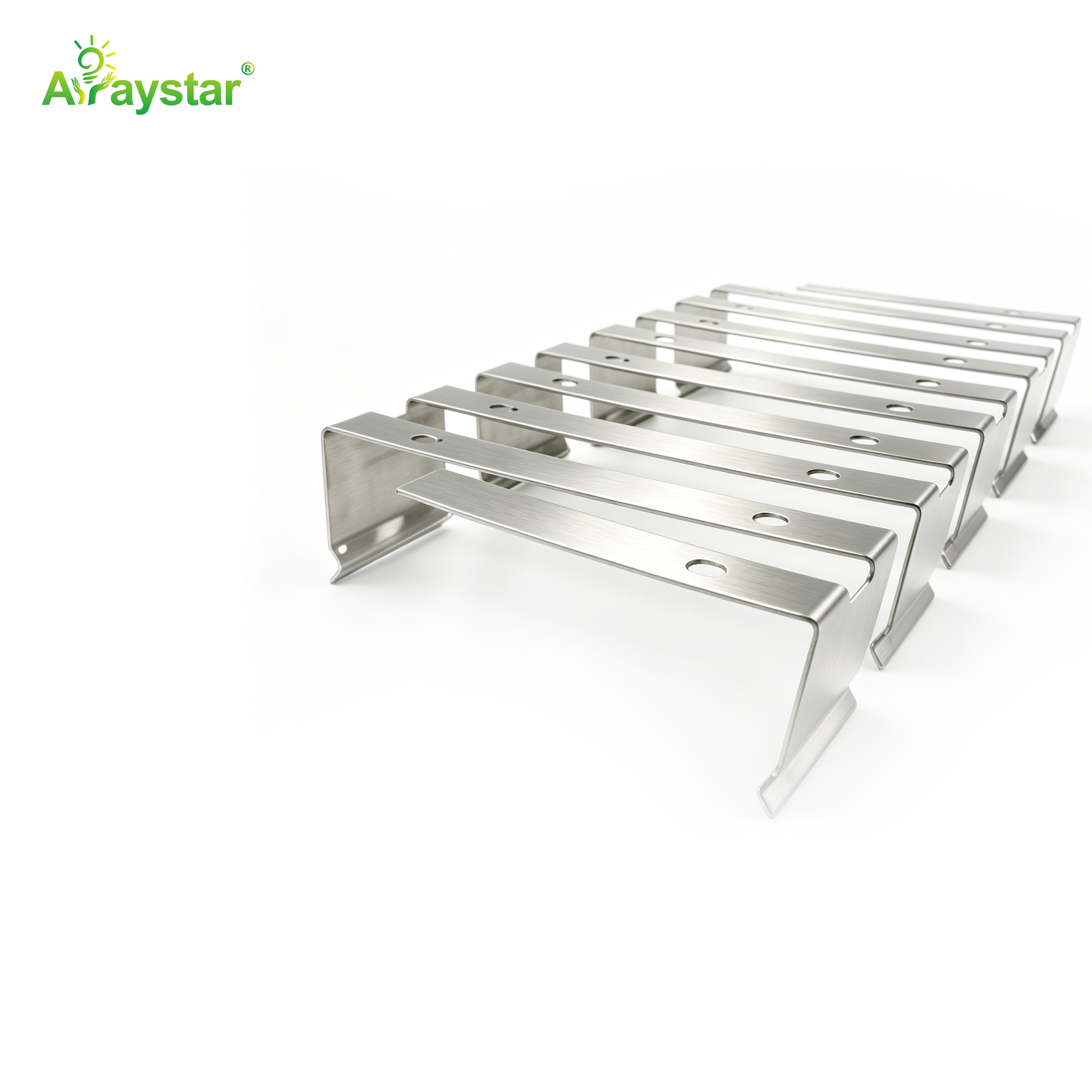
Fixings, clips and galvanic contact
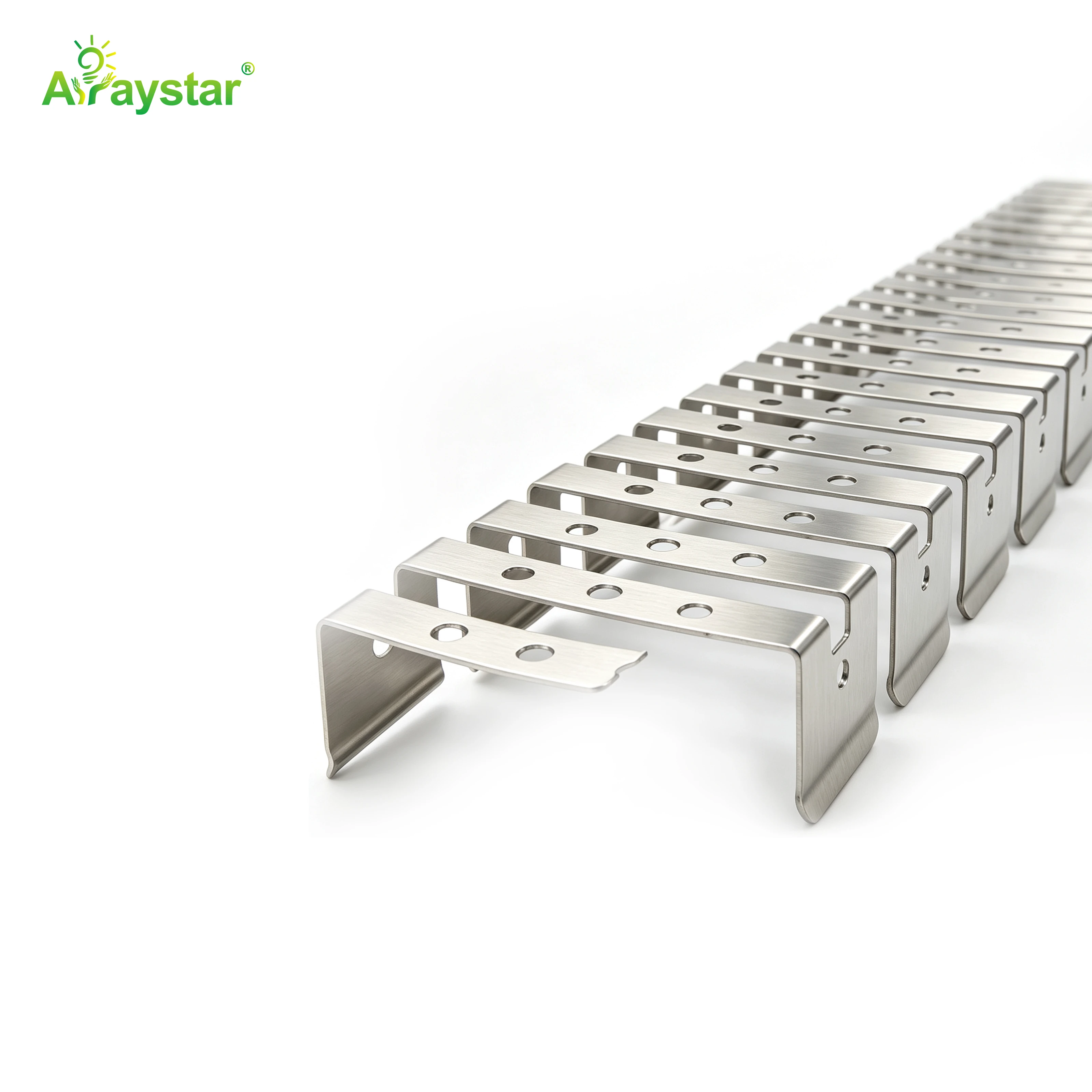
Whatever finish you choose, the mounting clips and screws matter just as much. Stainless clips are the right call outdoors, and I avoid mixing dissimilar metals without a washer. An anodised aluminium channel clamped by a plain steel clip will corrode at the contact point. Use A2 or A4 stainless clips and a nylon isolating washer where aesthetics allow.
My decision rule on site
When a client asks which finish to buy, I ask two questions: does it need to match a colour, and is it within a kilometre of salt? If the answer to both is no, I default to anodised for peace of mind. If colour match is mandatory and the spot is covered, powder coat. If colour match is mandatory and the spot is exposed to sun and salt, I tell them straight that black will need touching up, and price the maintenance in.
One last habit I picked up: I always order a half-metre offcut of the chosen finish and leave it with the client. A year later, when they ask why the black has shifted, that offcut tells the story better than any argument, because they can compare the exposed run against a piece kept in the storeroom. It also gives the decorator a sample to match touch-up paint to, which avoids a patchwork finish when the first scratches need covering. Finishes are not set-and-forget; budget for the refresh and the client never feels let down.
Recommended Products
Frequently Asked Questions
Is anodised or powder-coated better for outdoor LED profiles?
For exposed, sun-baked or coastal spots I favour anodised. It is integral to the metal, does not chip, and shrugs off salt spray. Powder coat is better only when you need a specific RAL colour and the run is covered or shaded, where UV fade is not a concern.
Does powder-coated aluminium channel fade in the sun?
Standard polyester powder coat fades two to three shade steps over about five years in full southern exposure and eventually chalks to a dull grey. I specify super-durable or fluoropolymer powders for any black or dark colour on an exposed facade, accepting the extra cost up front.
Can anodised aluminium be painted black?
You can powder coat over anodising, but the adhesion is weaker than on bare aluminium and the anodised layer adds cost you then hide. If black is the requirement, start from mill or chromated extrusion and powder coat that. Do not pay for anodising you are going to cover up.
What happens when a powder-coated channel gets scratched?
The scratch exposes bare aluminium underneath, and in salt or rain that edge corrodes and lifts the coating outward from the chip. On an exposed run I touch up chips within weeks with a paint-matched marker, otherwise the whole panel starts to peel by the next season.
Which screws and clips go with outdoor channels?
Always A2 or A4 stainless clips and screws outdoors, and add a nylon isolating washer where the clip bears on the aluminium. Plain steel clips cause galvanic corrosion at the contact point, which shows as a rust stain running down the facade by the first winter.
Need help with your LED project?
Get factory-direct pricing, free samples and engineering support within 24 hours.
Email: info@arraystarled.com | Phone: +86-0755-2103-6746 | WhatsApp: 0086 1581 8514 077
Need to size your power supply? Use our LED Strip Power Calculator to find the right driver in seconds.