
Car Dealership & Showroom LED Strip Lighting: Big, Even Light That Sells the Paint
- 2026-09-30 17:37
- /
- Arraystar LED
In a car showroom the product is a collection of giant curved mirrors, so the lighting goal isn't brightness on the floor - it's high vertical illuminance and high CRI that makes the paintwork and interior look delivered-new from every angle, without the fixtures themselves reflecting as harsh streaks on the hood. Tall ceilings demand serious lumen output from high-power linear neon, perimeter and feature-wall runs need real wattage from large drivers, and asymmetric optics let you graze backdrops instead of blinding windshields. Spec it like a high-end retail gallery, not a parking garage.
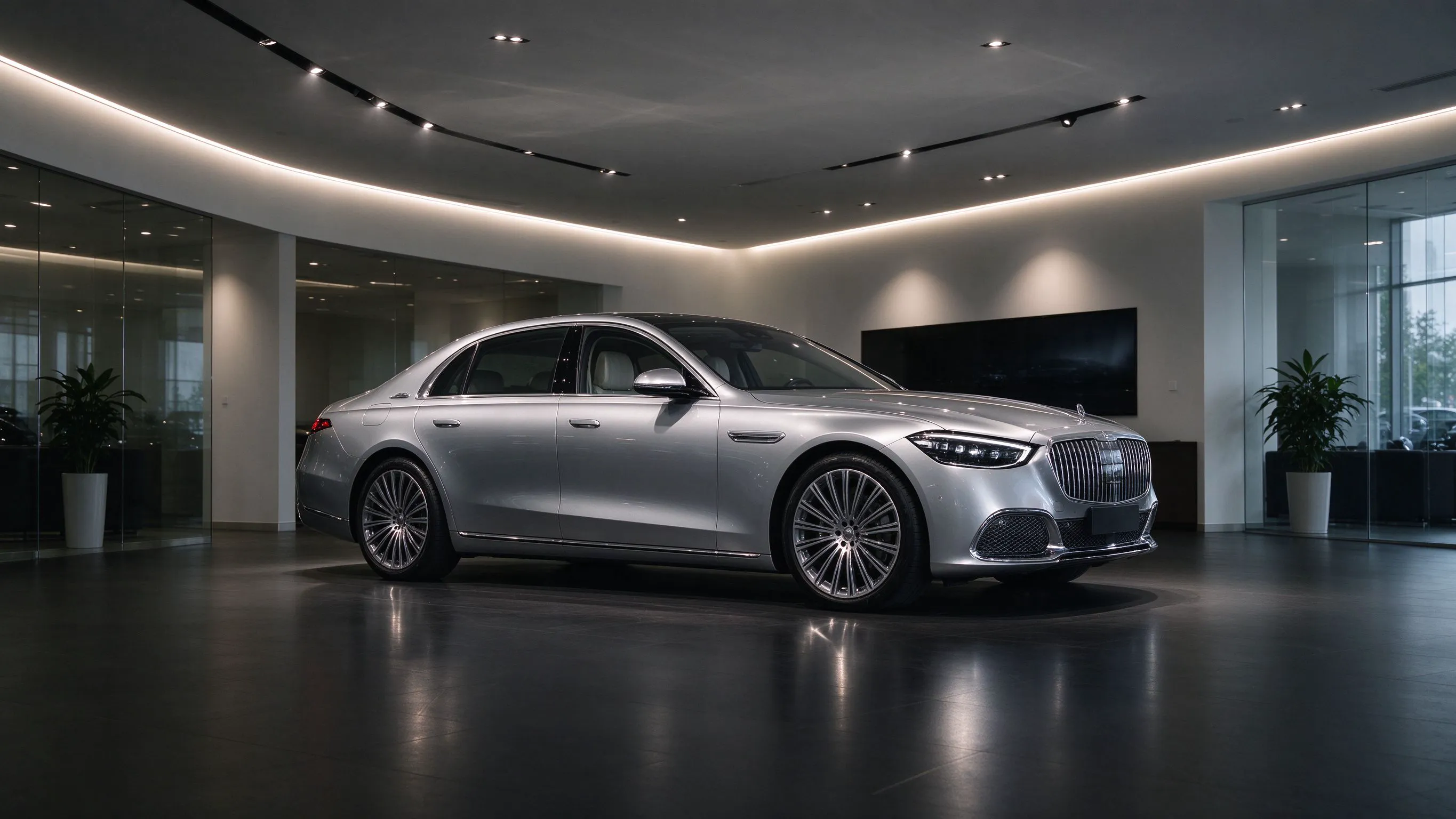
Showroom Lighting Sells the Paint, Not the Floor
Customers don't buy a car under a downlight. They walk around it, lean in at the paint, check their reflection in the gloss, and open the door to judge the interior. Every one of those judgments depends on light quality. A showroom lit for floor lux will leave the vertical body sides dull, the roof a hotspot, and the paint color reading differently indoors than it will on the driveway.
The two numbers that matter most in a showroom are vertical illuminance (light hitting the sides of the car) and CRI. Aim for high, even vertical light at CRI 90+ so metallic and pearl paints sparkle and leather/interior trims read richly. The fixtures should also be arranged so their reflections in the paint are soft and broad rather than sharp bright stripes.
High-Power Linear Light for Tall Ceilings
Showroom ceilings are typically 3.5-6m high, which rules out the low-wattage cove strips used in retail shops - by the time the light reaches the car it's too weak and uneven. You need high-lumen linear sources engineered for mounting height and long runs.
The 25x27mm high-power neon flex is built for exactly this. Its large cross-section and high LED load deliver the lumen density a tall showroom ceiling requires, while the diffused silicone body produces a broad, soft source whose reflection on glossy paint is a smooth highlight rather than a harsh line. Run it in continuous perimeter coves, over display platforms and along feature bulkheads.
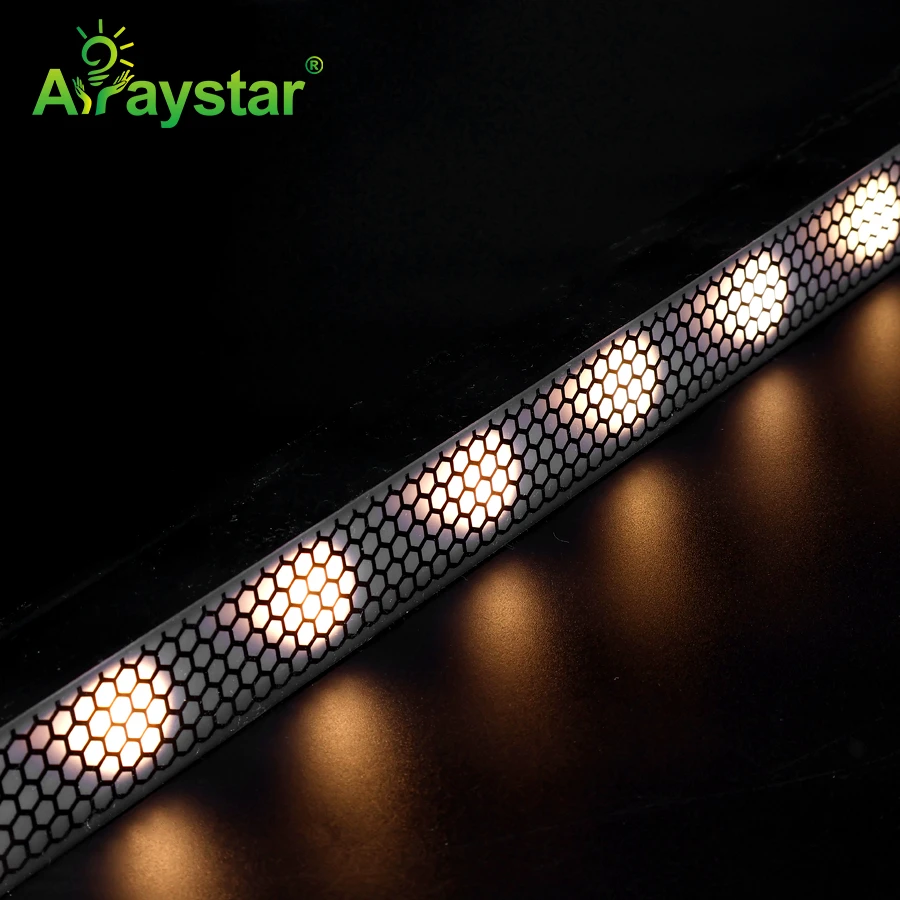
Zone targets for a dealership showroom.
| Showroom zone | Target | Lighting approach |
|---|---|---|
| Over display cars | High even vertical, CRI90+ | High-power linear in broad diffused runs |
| Perimeter cove | Continuous soft glow | High-power neon, dimmable scenes |
| Feature / brand wall | Controlled grazing | Asymmetric lensed profiles |
| Delivery / handover bay | Bright, accurate 5000K | High-CRI neutral for inspection |
| Reception / lounge | Warm 3000K, lower | Hospitality-style ambient |
Powering Long Perimeter Runs
A showroom perimeter can run dozens of meters, and high-output strips draw real current. Under-sizing the power supplies is the most common failure - you get voltage drop, dim far ends, and drivers cooking inside ceiling voids. Size up and distribute power deliberately.
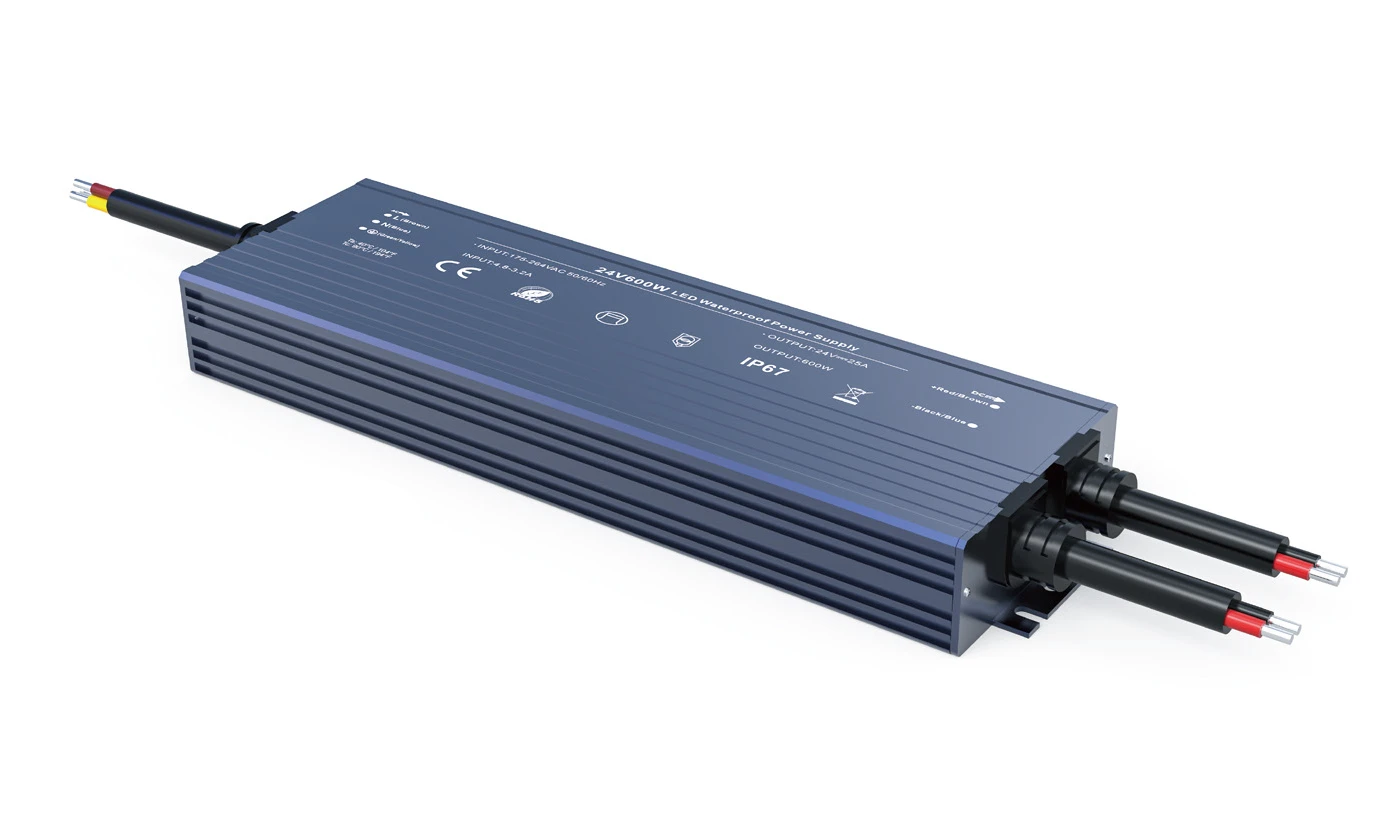
A 600W waterproof driver (or several distributed along the run) feeds long perimeter and platform circuits from a small number of accessible, ventilated locations. Calculate total wattage at about 80% of driver capacity, inject power at multiple points on very long runs, and keep all drivers serviceable rather than sealed into bulkheads where they overheat.
Feature Walls and Backdrops: Aim the Light, Don't Blind the Glass
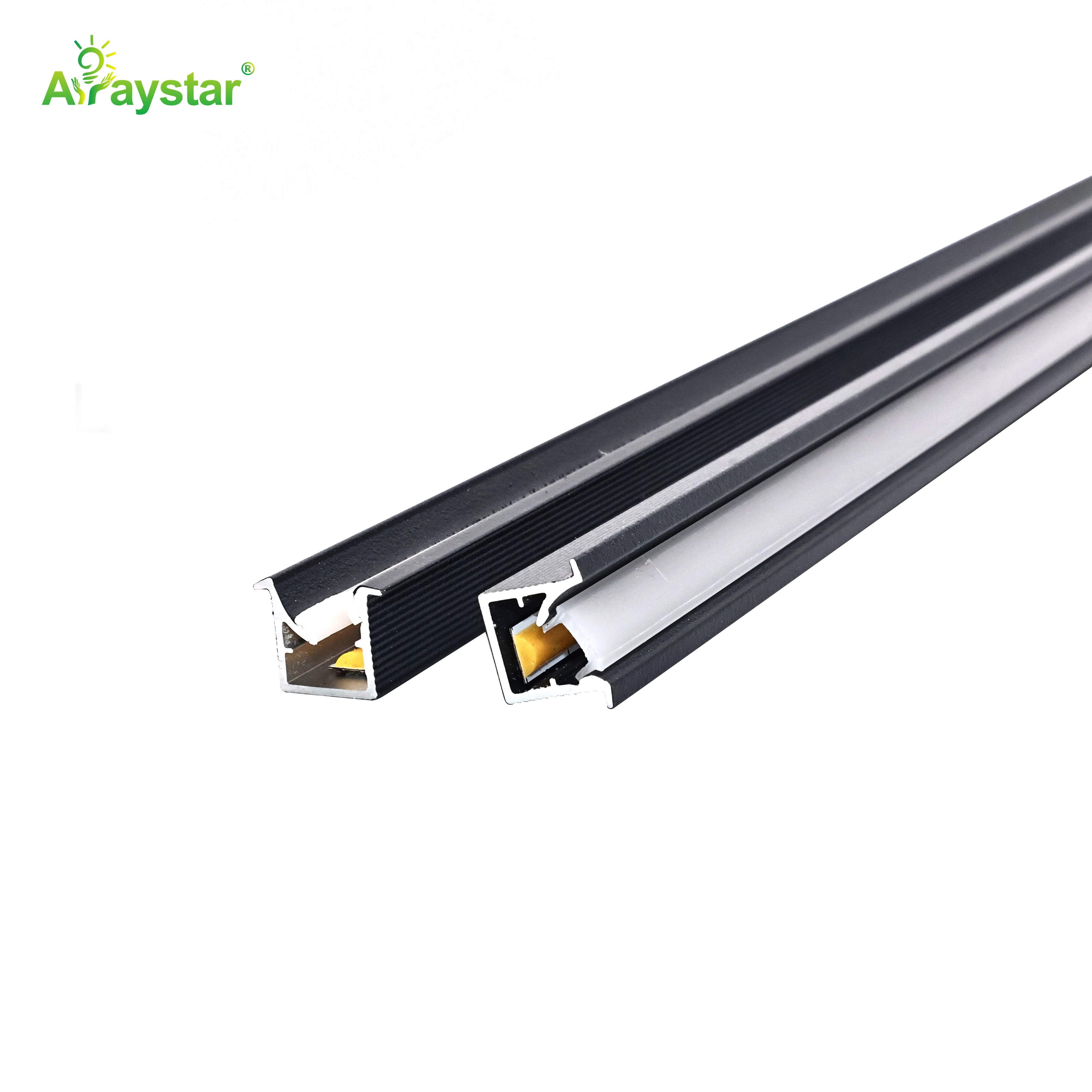
Brand walls, configurator backdrops and the panels behind hero cars add depth, but a symmetric downlight aimed at a backdrop also throws glare straight onto windshields and side glass. Asymmetric optics solve this by directing light across the wall surface at an angle rather than down.
An asymmetric profile aims the beam across the feature wall to graze logos, textured panels or greenery while keeping the luminous source out of the geometry that reflects in vehicle glass. The result is a lit backdrop that frames the car without a bright fixture showing up in every windshield photo - which matters because those photos are your social content.
Scenes, CRI and the Handover Bay
Premium dealerships run lighting scenes: a bright, cool-neutral 'daytime sales' floor; a warmer, dimmer 'evening event' scene for launches; and a dedicated delivery bay at accurate 5000K, CRI 90+ where customers inspect their new car and sign paperwork. Dimmable drivers and a simple scene panel make this switch instant.
- Hold CRI 90+ everywhere paint and trim are judged; it's a premium-brand expectation.
- Keep fixture reflections broad and soft - avoid small bright point sources over the cars.
- Light car interiors too - open-door shots and seated test views need vertical fill.
- Use flicker-free dimming; showrooms film walkarounds and launches constantly.
- Coordinate ceiling layout to the display pads so each car sits in an even pool of light.
Recommended Products
Frequently Asked Questions
What is the best lighting for a car showroom?
High-CRI (90+), high vertical-illuminance linear lighting from broad diffused sources mounted to cover the sides of each car, not just the floor. Tall ceilings need high-output products like 25x27mm high-power neon flex in continuous coves, powered by adequately sized drivers, with asymmetric optics for feature walls and a dedicated accurate 5000K delivery bay.
How many lumens or lux does a car showroom need?
Dealerships typically target high vertical illuminance on the vehicles (several hundred lux on body sides, more than general retail floor light) at CRI 90+, with even coverage across each display pad. Exact figures depend on ceiling height and surface finishes, which is why tall spaces require high-lumen linear products rather than low-wattage cove strips.
How do I stop ceiling lights reflecting in car windshields and paint?
Use broad, diffused linear sources rather than small bright downlights, and use asymmetric profiles for feature and brand walls so the beam grazes the backdrop at an angle instead of hitting the glass. Arrange fixtures so their reflection in the paint is a soft highlight, and verify from real sightlines around the car.
What color temperature should a dealership use?
Use accurate neutral 4000-5000K at CRI 90+ on the main sales floor and especially the inspection/handover bay so paint reads true, with a warmer 3000K scene for the reception lounge and evening events. Dimmable scenes let you switch between them rather than locking the whole showroom to one temperature.
How do I power very long LED runs around a showroom?
Total the strip wattage and size drivers to about 80% of capacity - a 600W waterproof driver or several distributed units for a full perimeter. Inject power at multiple points on long runs to prevent voltage drop and dim far ends, and mount drivers in accessible, ventilated locations rather than sealed inside ceiling bulkheads.
Need help with your LED project?
Get factory-direct pricing, free samples and engineering support within 24 hours.
Email: info@arraystarled.com | Phone: +86-0755-2103-6746 | WhatsApp: 0086 1581 8514 077
Need to size your power supply? Use our LED Strip Power Calculator to find the right driver in seconds.







