
Daylight Harvesting & Occupancy Sensors for Commercial LED Strip Projects
- 2026-09-30 17:38
- /
- Arraystar LED
Commercial and hospitality spaces waste energy lighting areas that are already lit by daylight or currently empty. Daylight harvesting (dimming electric light according to available natural light) and occupancy control (lights on only when someone's present) are the two highest-ROI lighting automation strategies, and LED dimming makes both seamless. The install succeeds when sensors are zoned correctly to daylight exposure and occupancy patterns, the dimming range is smooth, and the supply handles the variable load. Done right, energy use drops while occupants barely notice - the mark of good controls.
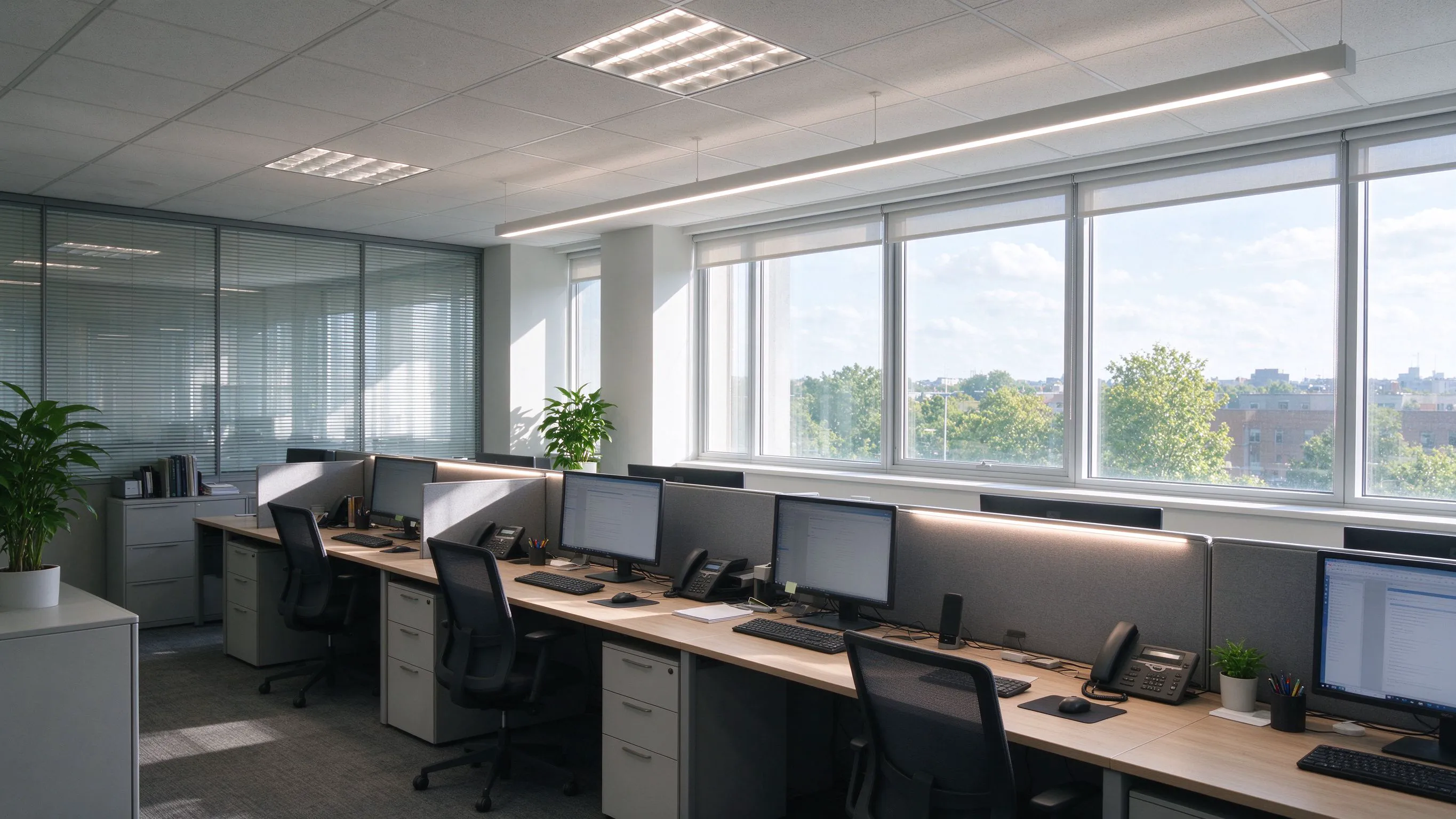
Two Independent Savings Levers
Lighting energy is wasted in two distinct ways: lights running at full power next to windows already flooded with daylight, and lights burning in empty rooms, corridors and storage areas. Daylight harvesting addresses the first by dimming electric light as natural light rises; occupancy control addresses the second by switching or dimming based on whether anyone is present.
They're independent and stack - a perimeter office zone can be dimmed by daylight during the day and switched by occupancy at night. LED strip is ideal for both because it dimms smoothly and switches without the shortened life that plagued fluorescents under frequent switching. The engineering is in zoning, sensor choice and dimming quality.
Occupancy and Multi-Function Wireless Sensors
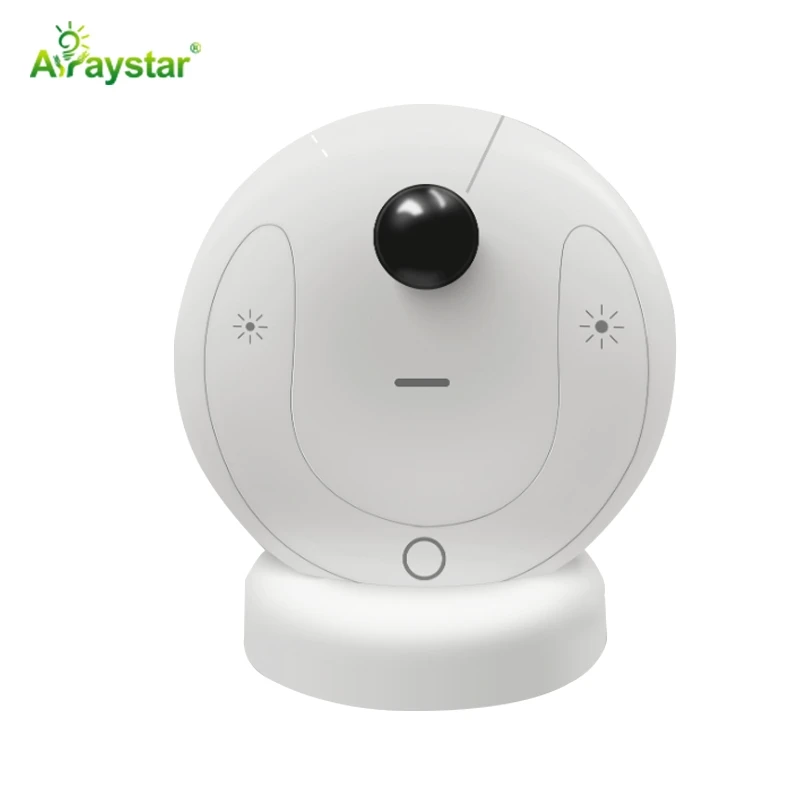
Occupancy sensors come as PIR (line-of-sight movement) and microwave/dual-tech (better for stationary presence and larger/obstructed zones). A wireless push & PIR motion sensor combines automatic occupancy detection with a manual push override - occupants get walk-in automation plus the ability to force a scene, which improves acceptance in spaces where pure automation frustrates people.
Use occupancy sensors in corridors, restrooms, storage, meeting rooms, parking areas and hotel back-of-house - spaces with predictable vacancy patterns. Set the time-out to the space (short for storage and corridors, longer for rooms where people sit still) and prefer dual-tech or manual override where occupants work seated, so lights don't switch off mid-meeting.
Daylight Harvesting Zones and Dimming Control
Daylight harvesting only works if zones are laid out by daylight exposure. Group fixtures into daylight zones near windows/skylights (heavily dimmed), transition zones in the middle, and daylit-independent cores (stay bright). A single sensor controlling a whole open-plan room will over-dim the interior while the perimeter is bright - zoning is everything.
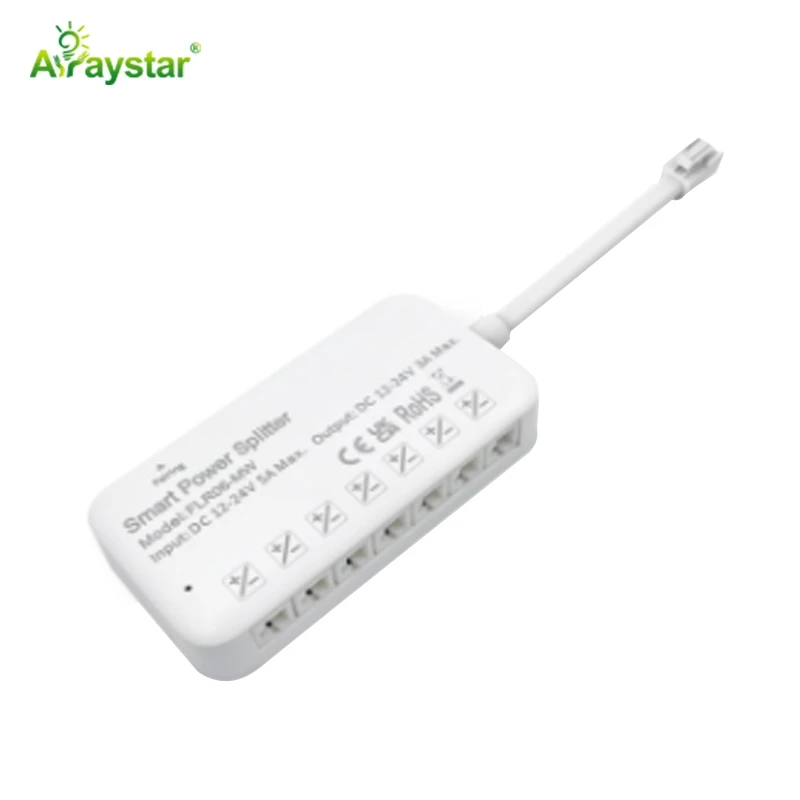
The dimming itself is executed by multi-channel dimmers/controllers that smoothly vary the strip in response to the daylight sensor. An RF synchronous 7-channel LED dimmer controller coordinates multiple zones/circuits together so perimeter, transition and core zones track daylight smoothly and in sync, avoiding the visible stepping and zone mismatches that make harvesting feel cheap or distracting.
Daylight and occupancy zoning strategy.
| Zone | Daylight exposure | Control behavior |
|---|---|---|
| Perimeter (window-adjacent) | High | Dim hard as daylight rises; may switch off |
| Transition (mid-room) | Moderate | Partial dimming tracking daylight |
| Interior core | Little/none | Stay near full; occupancy only |
| Corridors/back-of-house | Variable | Occupancy-led, daylight secondary |
| Private offices | Window + occupancy | Harvest + vacancy off with override |
Power Supplies for Continuously Dimmed Loads
Harvesting means drivers run at continuously varying output for hours, so the power supply must dimm smoothly across the range without flicker, buzzing or drop-out at low levels - the same deep-dimming requirements covered in the dimming guide, now operating automatically all day.
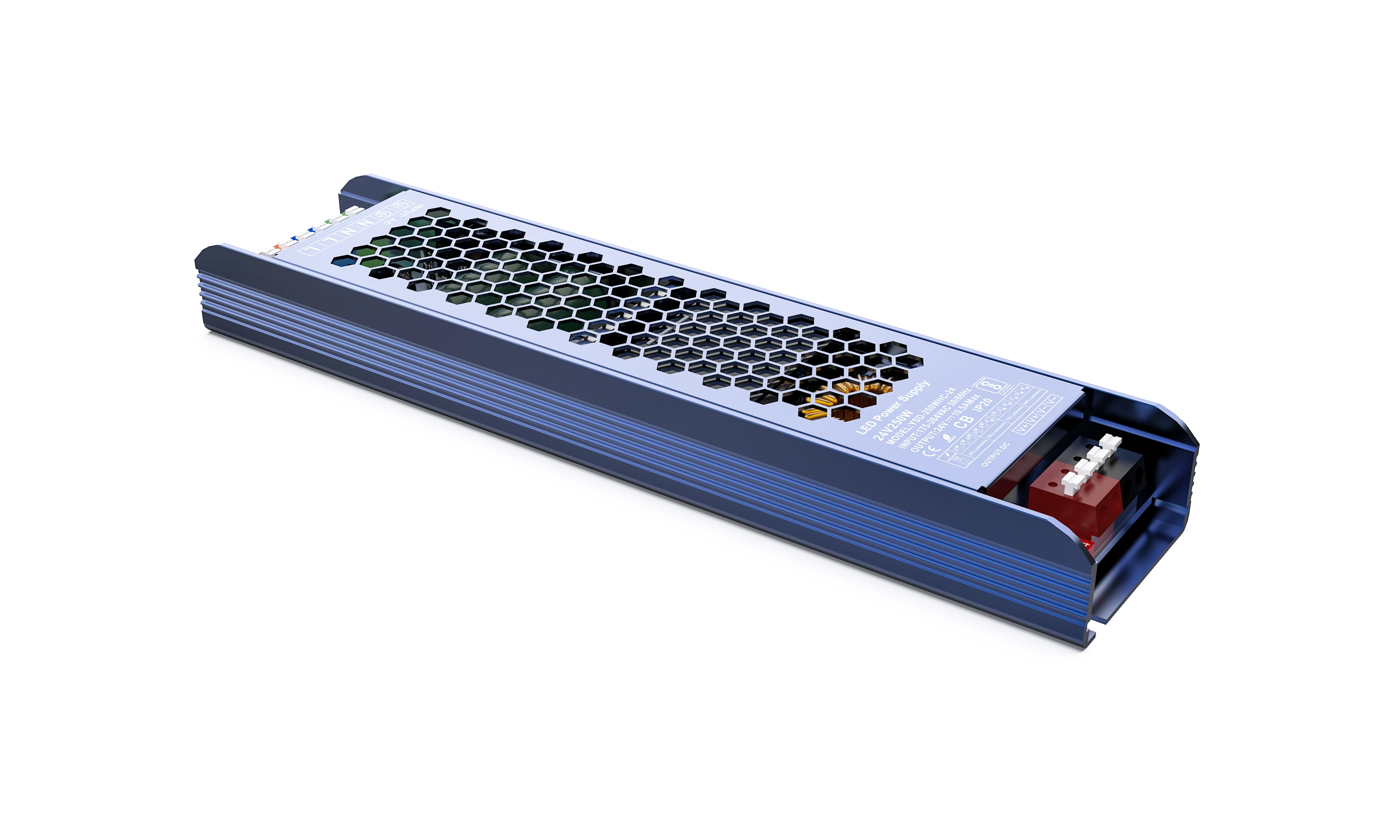
A 250W dimmable power supply feeding a zoned commercial area provides stable, smooth power across the harvesting range with appropriate headroom; size supplies per zone and match them to the dimming controller's control method. Verify low-end behavior during commissioning - a daylight system that flickers at 10% on an overcast day will be disabled by frustrated occupants and the savings vanish.
Commissioning Is Where the Savings Are Won
- Zone by daylight exposure, not by electrical convenience.
- Calibrate daylight set-points on a typical day; avoid over-dimming interiors.
- Set occupancy time-outs per space; use dual-tech/override for seated work.
- Require smooth, flicker-free dimming across the full automatic range.
- Tune response speed - slow fades avoid distracting occupants under passing clouds.
- Verify after commissioning that savings persist and overrides aren't left forced-on.
Daylight harvesting should respond slowly to gradual sky changes rather than chasing every cloud, which occupants find distracting. Commission the fade rate, set-points and time-outs for real occupancy, then verify a few weeks later that nobody has taped over sensors or forced lights on - the best controls are the ones occupants forget are there.
Recommended Products
Frequently Asked Questions
What is daylight harvesting?
It's dimming (or switching off) electric lighting according to how much natural daylight is available - photosensors measure ambient light and a dimmer reduces LED output near windows and skylights when daylight is strong, saving energy while maintaining target brightness. It requires zoning fixtures by daylight exposure and smooth dimming so occupants aren't distracted.
How do occupancy sensors save energy with LED strip?
They switch or dim lights only when people are present, eliminating waste in corridors, restrooms, storage, meeting rooms and back-of-house areas that are frequently empty. LEDs tolerate frequent switching without life loss, and a wireless PIR/push sensor adds a manual override for rooms where occupants sit still and pure automation would time out.
How should daylight-harvesting zones be laid out?
By daylight exposure, not electrical convenience: a perimeter zone right by windows/skylights that dims hardest (and may switch off), a mid-room transition zone with partial dimming, and an interior core that stays bright and is controlled mainly by occupancy. One sensor for a whole room over-dims the interior while the perimeter is bright.
What dimmer/controller do I need for multi-zone daylight control?
A multi-channel dimming controller that can coordinate several zones in sync with smooth fades, such as an RF synchronous 7-channel dimmer, fed by dimmable power supplies (e.g. a 250W unit per zone) that remain stable and flicker-free across the full automatic range. Match control methods and commission low-end behavior carefully.
Why do daylight or occupancy controls get disabled by occupants?
Usually because they're distracting or inconvenient: lights dimming abruptly under passing clouds, switching off on seated people (PIR can't see stillness), or over-dimming window-adjacent desks. Fix with slow fade rates, correct daylight set-points and zoning, longer or dual-tech occupancy detection, and manual overrides - then verify overrides aren't left forced on.
Need help with your LED project?
Get factory-direct pricing, free samples and engineering support within 24 hours.
Email: info@arraystarled.com | Phone: +86-0755-2103-6746 | WhatsApp: 0086 1581 8514 077
Need to size your power supply? Use our LED Strip Power Calculator to find the right driver in seconds.







