
PIR, Door, Hand-Wave & Touch LED Sensors: Which Cabinet Switch to Use Where
- 2026-09-30 17:38
- /
- Arraystar LED
Sensor-controlled lighting is sold as if 'motion sensor' were one product, but PIR, microwave (radar), door/contact and hand-wave sensors detect fundamentally different things and suit different places - putting a PIR where a microwave belongs (or vice versa) is why automated lights fail to trigger, trigger wrongly, or annoy everyone. Match the sensing technology to what's actually happening at that location - line-of-sight body heat vs through-surface movement vs a door opening vs a deliberate gesture - and hands-free lighting becomes reliable instead of erratic.
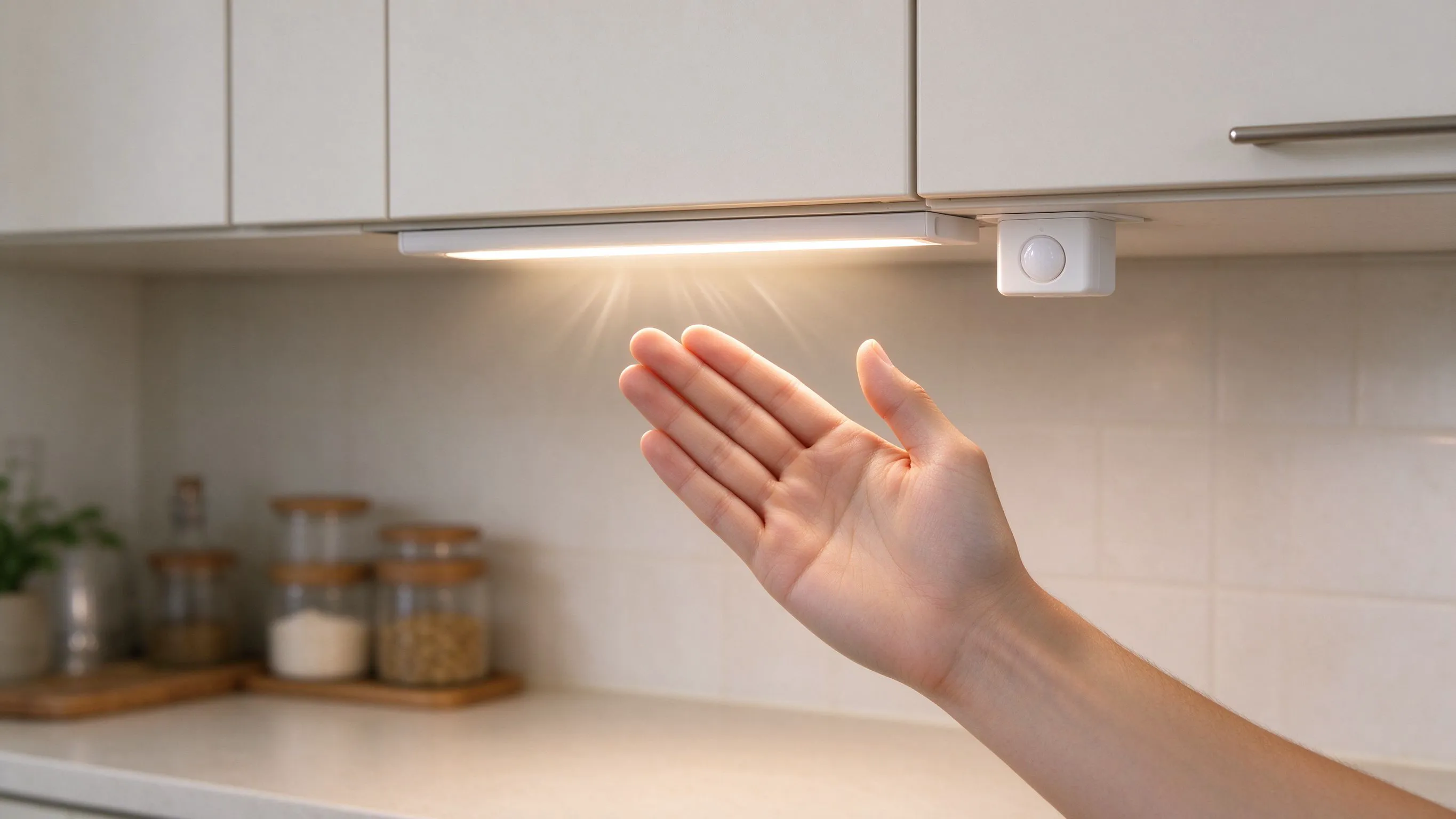
Four Sensors, Four Different Triggers
Automated lighting only feels smart when it triggers correctly, and that depends on picking a sensor that detects the right event. PIR sees moving body heat in line of sight; microwave/radar detects motion through surfaces via reflected radio waves; door/contact sensors detect something opening; and hand-wave sensors detect a deliberate near-field gesture. They're not interchangeable.
The most common mistakes follow directly from confusing them: PIR mounted where glass or partitions block its view, microwave in a quiet room triggered by movement behind a wall, door sensors used where people linger without opening anything, and hand-wave sensors placed too far away to be convenient. Start from the physical behavior you want to detect.
PIR and Touch for Presence in Open Spaces
PIR (passive infrared) is the workhorse for walk-in detection in corridors, storage rooms, pantries, wardrobes and bathrooms - anywhere a person walks into the sensor's field of view and you want the light on while they're moving and off after they leave. It's line-of-sight, cheap, low-power and won't see through walls (which is often desirable).
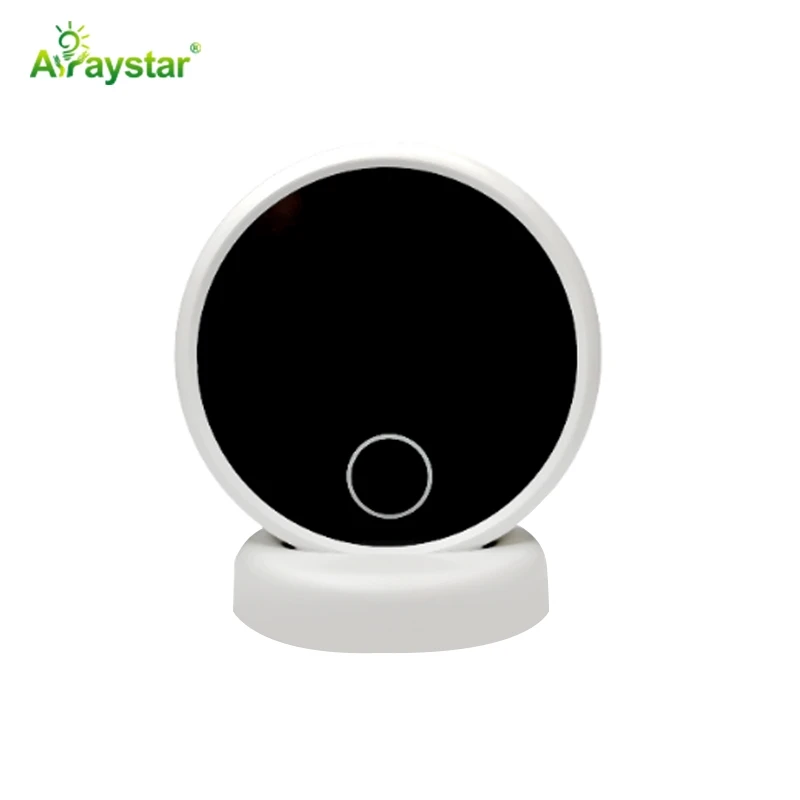
For spots where you want a choice between automatic and manual, a 2.4GHz wireless touch sensor gives a touch/tap control point that works alongside motion - tap to override or set a scene, with the wireless placement flexibility that retrofits into finished rooms without control wiring. PIR handles the automatic detection; touch handles deliberate control.
Matching sensor technology to the trigger event.
| Sensor | Detects | Best locations | Watch-outs |
|---|---|---|---|
| PIR | Moving body heat, line of sight | Corridors, closets, bathrooms, wardrobes | Won't see through glass/walls; needs walk-in |
| Microwave/radar | Motion via radio, through surfaces | Garages, behind panels, larger zones | Can trigger through walls; tune sensitivity |
| Door/contact | A door/drawer opening | Cabinets, wardrobes, fridges, entry | Only triggers on open, not presence |
| Hand-wave | Near-field deliberate gesture | Kitchen, bathroom, dirty-hands tasks | Short range; wave within sensing distance |
Door/Contact Sensors for Cabinets and Wardrobes
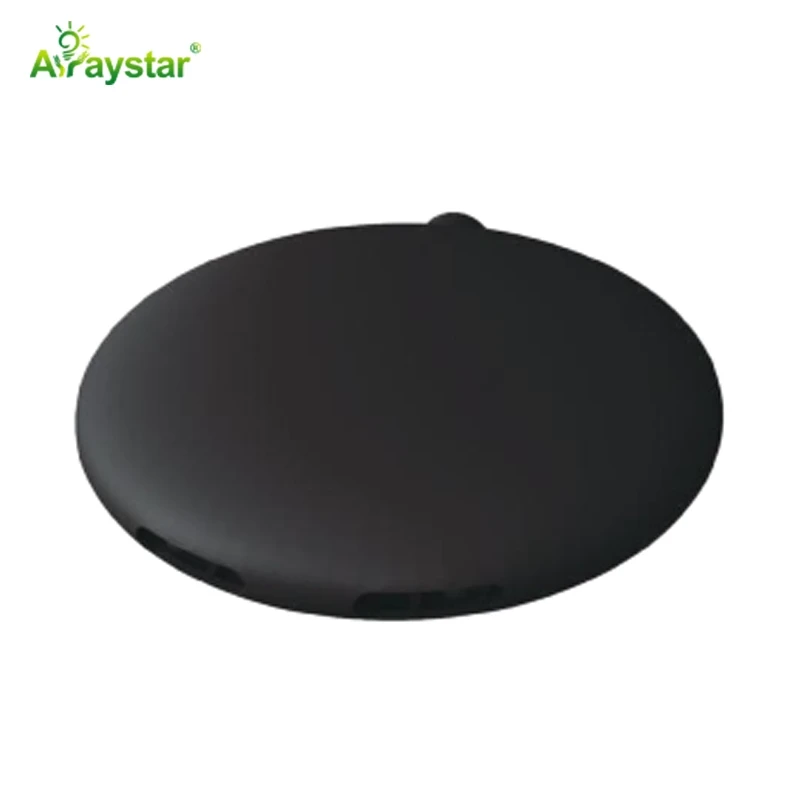
When the lighting event is literally 'something opened' - a wardrobe, kitchen cabinet, drawer, pantry or walk-in closet door - a contact sensor is more precise than motion. A wireless double-door sensor triggers the interior light when either of a pair of doors opens and switches it off when closed, with no false triggers from someone merely standing nearby.
The wireless double-door sensor is ideal for two-door wardrobes and cabinets where running wires to each hinge is impractical - it's battery/wireless, sticks to the door and frame, and pairs to a receiver that drives the strip. It guarantees the light is on exactly when the compartment is open and off when shut, which also saves power and avoids lights left burning in storage.
Hand-Wave for Hands-Full and Dirty-Hands Tasks
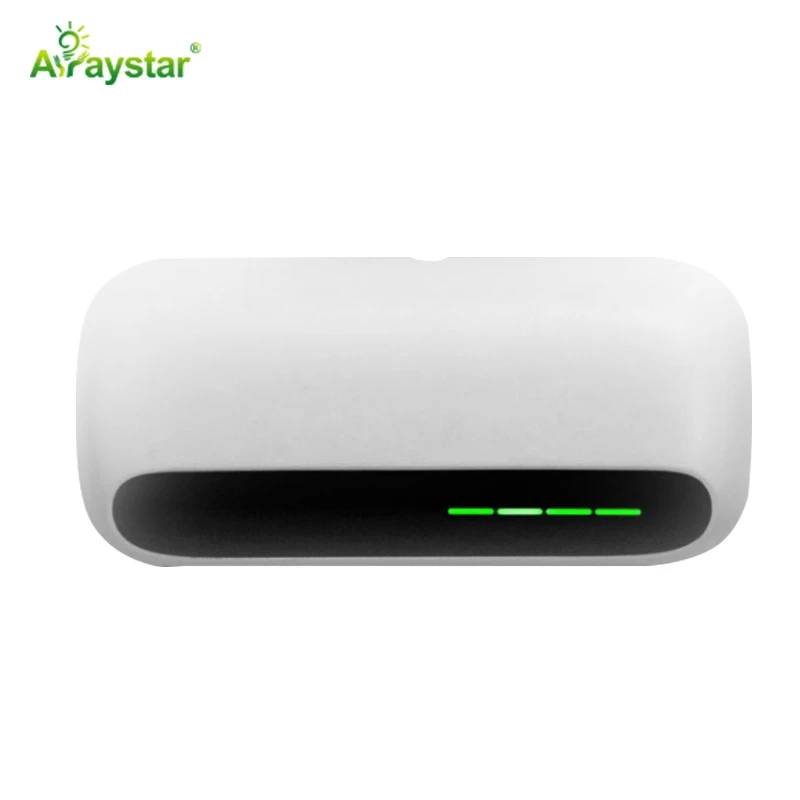
Kitchen prep, bathroom routines, medical and clean environments all share a problem: you need light (or a mode change) but your hands are wet, dirty or full and you don't want to touch a switch. A hand-wave sensor detects a deliberate gesture in its near field and toggles or dims the light contact-free.
The wireless hand-wave sensor mounts under cabinets, beside the mirror or over a workbench and responds to a wave within its short sensing range - no accidental triggers from general movement (unlike PIR) because it requires an intentional close gesture. It's the right choice precisely where touch is undesirable and where PIR would be annoying (a kitchen where the cook stands still and PIR would time out).
Placement, Range and Avoiding False Triggers
- PIR: aim across the walk-in path, away from heaters/vents and windows with sun movement.
- Microwave: use where through-panel detection helps; turn sensitivity down near shared walls.
- Door sensors: align magnet and sender cleanly so closed state is reliably detected.
- Hand-wave: mount within easy reach (~10-20cm) but away from routine passing traffic.
- Set time-outs to the task: short for cabinets, longer for rooms where people sit still.
- Prefer wireless sensors for retrofits; check battery life and pairing range.
One subtlety: PIR times out when people sit or stand still, so for rooms with stationary occupants (offices, reading rooms) prefer microwave/radar presence detection or add a manual override rather than PIR. Matching time-out and technology to whether occupants move or stay still is the detail that separates genuinely convenient automation from lights that switch off on you.
Recommended Products
Frequently Asked Questions
What's the difference between PIR, microwave, door and hand-wave sensors?
PIR detects moving body heat in line of sight (corridors, closets); microwave/radar detects motion through surfaces (garages, behind panels); door/contact sensors fire when a cabinet or door opens; hand-wave sensors detect a deliberate close gesture for hands-full/dirty-hands control. Choose by the exact event you want to detect.
Where should I use PIR vs microwave motion sensors for lights?
Use PIR for line-of-sight walk-in spaces like corridors, pantries, wardrobes and bathrooms where you want detection confined to the room. Use microwave/radar where the sensor must see through a panel/door or cover a larger zone (garages, warehouses), but turn sensitivity down near shared walls to avoid triggering on movement next door.
How do I automatically light wardrobes and kitchen cabinets?
Fit wireless door/contact sensors - a double-door sensor for two-door wardrobes triggers the interior strip when a door opens and off when closed, with no false triggers and no control wiring. It's more precise than motion for compartments because the event is simply 'door opened', and it prevents lights left on in storage.
When is a hand-wave sensor better than a motion sensor?
At sinks, kitchen counters, bathroom mirrors and workbenches where hands are wet, dirty or full and you want contact-free control without PIR timing out while you stand still. Hand-wave needs an intentional close gesture (~10-20cm) so it won't false-trigger from general movement; mount it within easy reach but away from passing traffic.
Why do my sensor lights turn off while I'm still in the room?
PIR only sees moving heat, so it times out when you sit or stand still - common in offices, reading rooms and bathrooms. Use microwave/radar presence detection for stationary occupants, lengthen the time-out, or add a manual touch/remote override. For cabinets and wardrobes, door sensors avoid the problem entirely by keying to open/closed state.
Need help with your LED project?
Get factory-direct pricing, free samples and engineering support within 24 hours.
Email: info@arraystarled.com | Phone: +86-0755-2103-6746 | WhatsApp: 0086 1581 8514 077
Need to size your power supply? Use our LED Strip Power Calculator to find the right driver in seconds.







