
LED Strip Lighting for Dental Clinics: Color-Correct Operatory Setup
- 2026-10-15 14:33
- /
- Arraystar LED
In a dental operatory the light has two jobs at once: let you read a shade and spot a tiny crack, without blasting the patient lying underneath. Clinics I've helped that kept getting shade re-makes after fitting cheap panels almost always had the same cause - low CRI, visible flicker and one cold overhead source. Strips around the chair fix most of that if you spec the color, driver and mounting correctly.
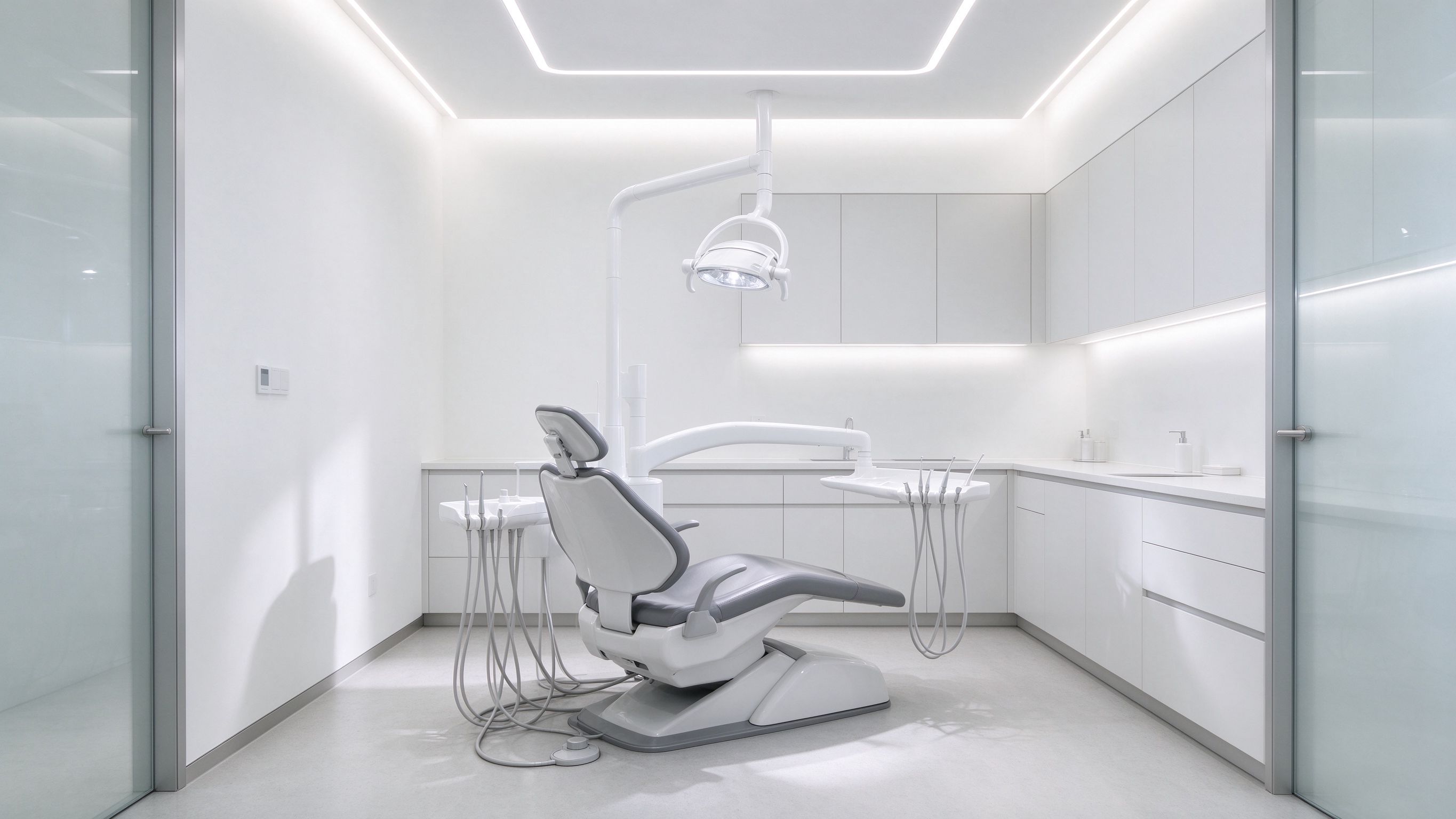
Why Dental Operatory Lighting Is Different
Most rooms only need light on a horizontal surface. A dental operatory has to light the inside of a tilted mouth while the patient is on their back and the clinician works 30-40cm away. A single lamp gives a bright spot on the tooth but leaves the rest of the cavity and the bench in shadow.
That's why I treat the dental light as a layered system, not one fixture: a focused lamp for the field, diffuse strips for fill, and a separate level for the bench. The strips raise the ambient level so contrast inside the mouth isn't harsh and the dentist's eyes aren't constantly adjusting between a bright tooth and a dark room.
Color Temperature and CRI for Accurate Shade Matching
Shade matching is where cheap lighting costs you in remakes. The tooth color you see under a low-CRI, off-temperature light isn't the color the lab gets or the patient sees at home. I target a neutral daylight balance, not the cold 6500K many offices default to.
Hold these minimums when you specify the strips:
- CRI 90 or higher, with R9 above 50 so reds and pinks in the gum and tooth read correctly.
- Color temperature around 5000-5500K for the operatory - close to overcast daylight without feeling clinical-cold.
- Bin the strips so color consistency stays within 3 SDCM across the whole clinic.
- Keep a dedicated shade-matching zone lit at a fixed level rather than matching under a dimmed light.
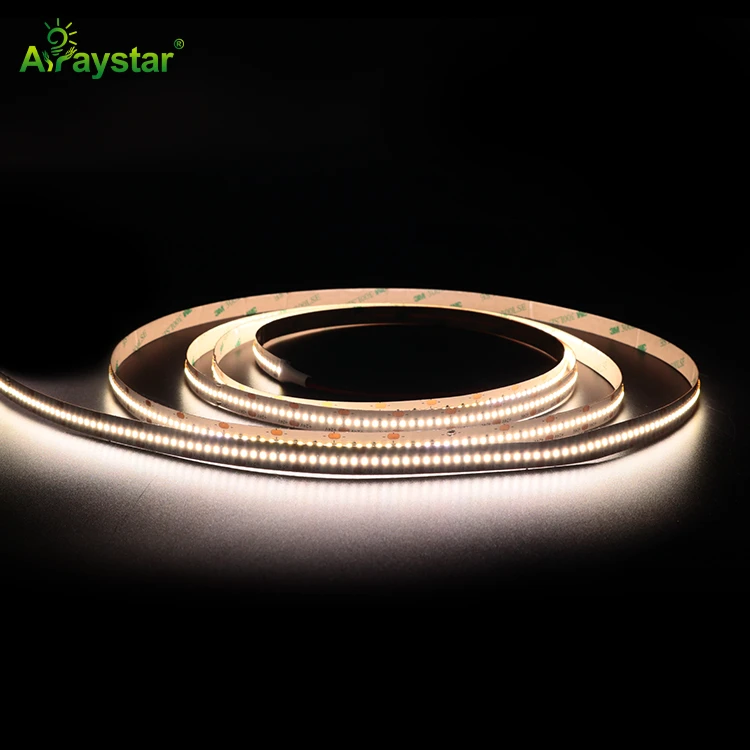
Where to Place the Strips Around the Chair
Positioning matters more than brightness. I run strips in recessed channels around the ceiling perimeter, not directly over the patient's face, giving diffuse fill that reaches the mouth without the patient staring up into a bright line.
Follow this layout when you mark out a room:
- Mount perimeter strips roughly 30-40cm in from each wall in an aluminum channel with a frosted diffuser.
- Add a short run over the instrument bench so the assistant can read trays without the chair lamp.
- Keep the brightest operating lamp centered over the chair headrest, with strips set about 40% dimmer as fill.
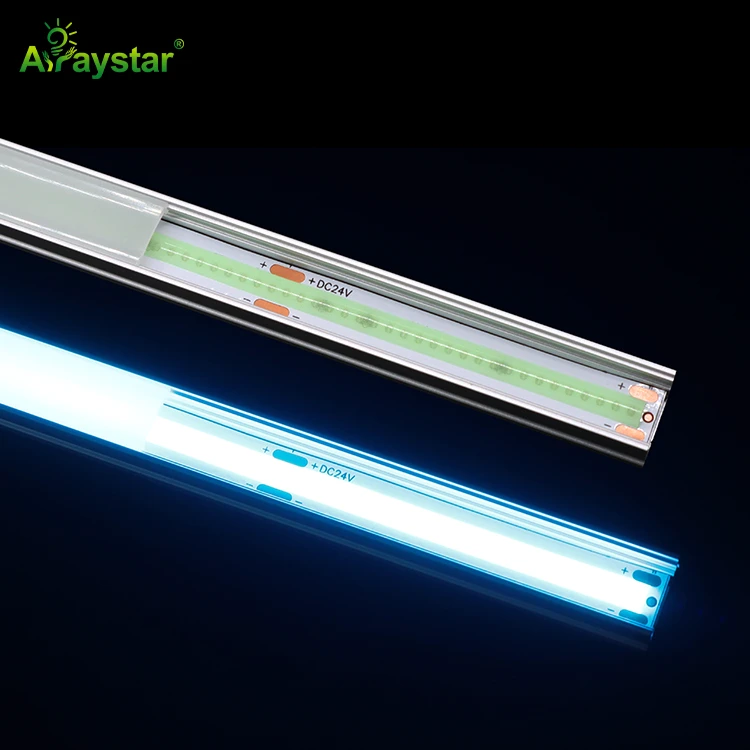
Flicker-Free Drivers and Smooth Dimming
Patients are often anxious, so flicker and a harsh on-off switch make the room feel worse even if nobody can say why. Specify constant-voltage drivers with low ripple that meet IEEE 1789 - a driver that bands on a phone camera fatigues the clinician's eyes over a long day. Wire the room to a scene keypad with a bright treatment level, a softer consultation level and a low cleaning level, and match the dimmer to the driver type, since a TRIAC dimmer on a non-TRIAC driver is the usual cause of buzzing and flashing.
Sterilization, Corridor and Reception Zones
In sterilization I use sealed, wipeable strips at a bright 5000K for clear instrument inspection. Corridors can drop to 4000K and reception to 3500-4000K so they don't read clinical. Keep wipe-down zones in sealed channels, run each zone on its own switch, and keep operatories fixed at the daylight setting for consistent shade work.
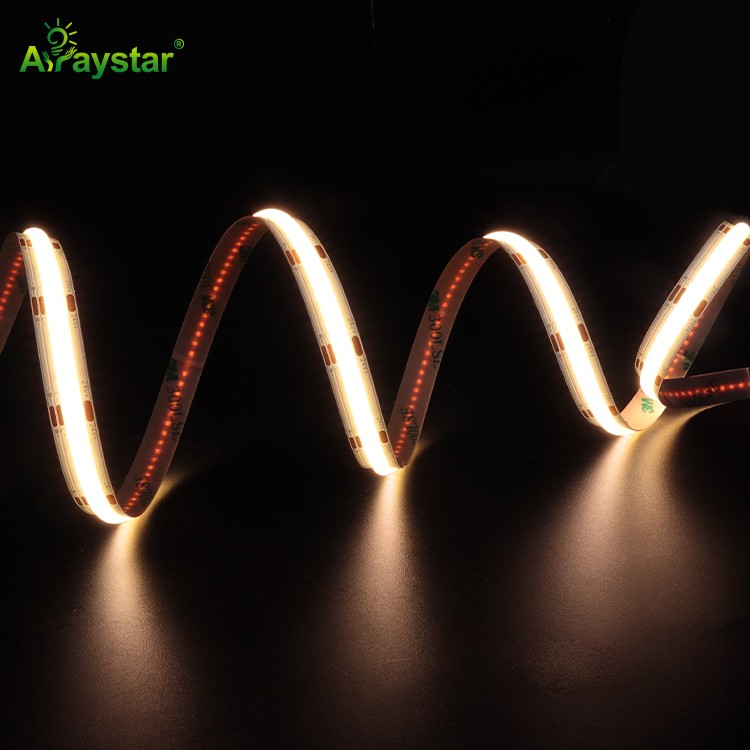
Recommended Products
Frequently Asked Questions
What CRI do dental operatory lights need?
CRI 90 or higher with R9 above 50, so the reds and pinks of gums and teeth read accurately for shade matching and composite work. CRI 80 is fine in corridors and reception but not over the chair.
What color temperature is best for a dental clinic?
5000-5500K in the operatory for neutral shade work, around 4000K in corridors and 3500-4000K in reception. Keep the operatory fixed rather than dimming it during shade matching.
Why do my shade matches look different from the lab?
Usually the light has low CRI or a temperature far from daylight, shifting the color; matching under a dimmed or mixed light does the same. A CRI 90, 5000K strip at a fixed level in a dedicated shade zone fixes most re-makes.
Should dental LED strips be dimmable?
Yes, but set scenes rather than free-dimming: a bright treatment level, a softer consultation level and a low cleaning level. Match the dimmer to the driver and use low-ripple drivers so dimming stays smooth and quiet.
Where should strips go to avoid glare on the patient?
In frosted channels around the ceiling perimeter, 30-40cm in from the walls, not directly over the patient's face. The operating lamp stays over the headrest while strips give softer fill that reaches the mouth without shining in the patient's eyes.
Need help with your LED project?
Get factory-direct pricing, free samples and engineering support within 24 hours.
Email: info@arraystarled.com | Phone: +86-0755-2103-6746 | WhatsApp: 0086 1581 8514 077







