
0508 Solder-Free Connectors for Mini Neon
- 2026-10-09 18:41
- /
- Arraystar LED
Mini neon flex produces beautiful tight-bending accent lines, but joining it on site by soldering is slow, skill-dependent and easy to botch in a small cross-section. A 0508 solder-free connector makes a reliable electrical and mechanical join tool-free, clamping the mini neon in place for fast, repeatable straight joins, corners and extensions without an iron or heat that could damage the tiny profile.
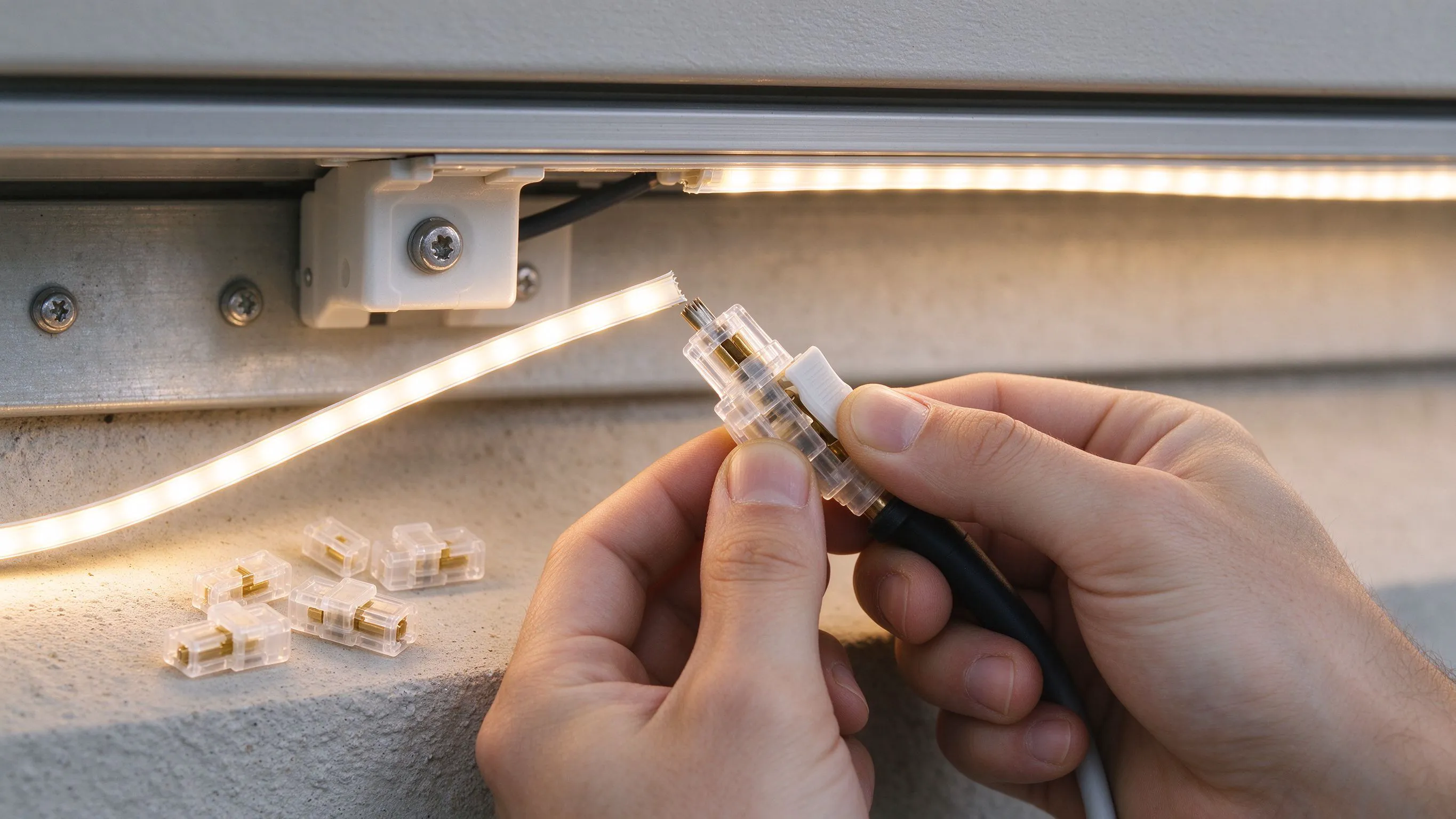
Why Soldering Mini Neon Is a Problem on Site
Mini neon flex with a small 0508 cross-section is designed for tight, delicate accent lines, and that small size is exactly what makes soldering difficult. The conductors are narrow, the silicone is easily scorched by a hot iron, and field joints made in awkward positions, up a ladder or inside a channel, are prone to cold solder, melted casing and intermittent connections that fail later.
Solder-free connectors remove the iron from the equation. A purpose 0508 connector clamps and pierces or contacts the conductors mechanically, giving a repeatable electrical and mechanical join in seconds with no heat and minimal skill.
What the 0508 Solder-Free Connector Does
- Tool-free electrical and mechanical join on 0508 mini neon.
- No soldering iron or heat to damage the small profile.
- Fast, repeatable straight joins and extensions.
- Secure clamping contact with the conductors.
- Ideal for on-site and awkward-position work.
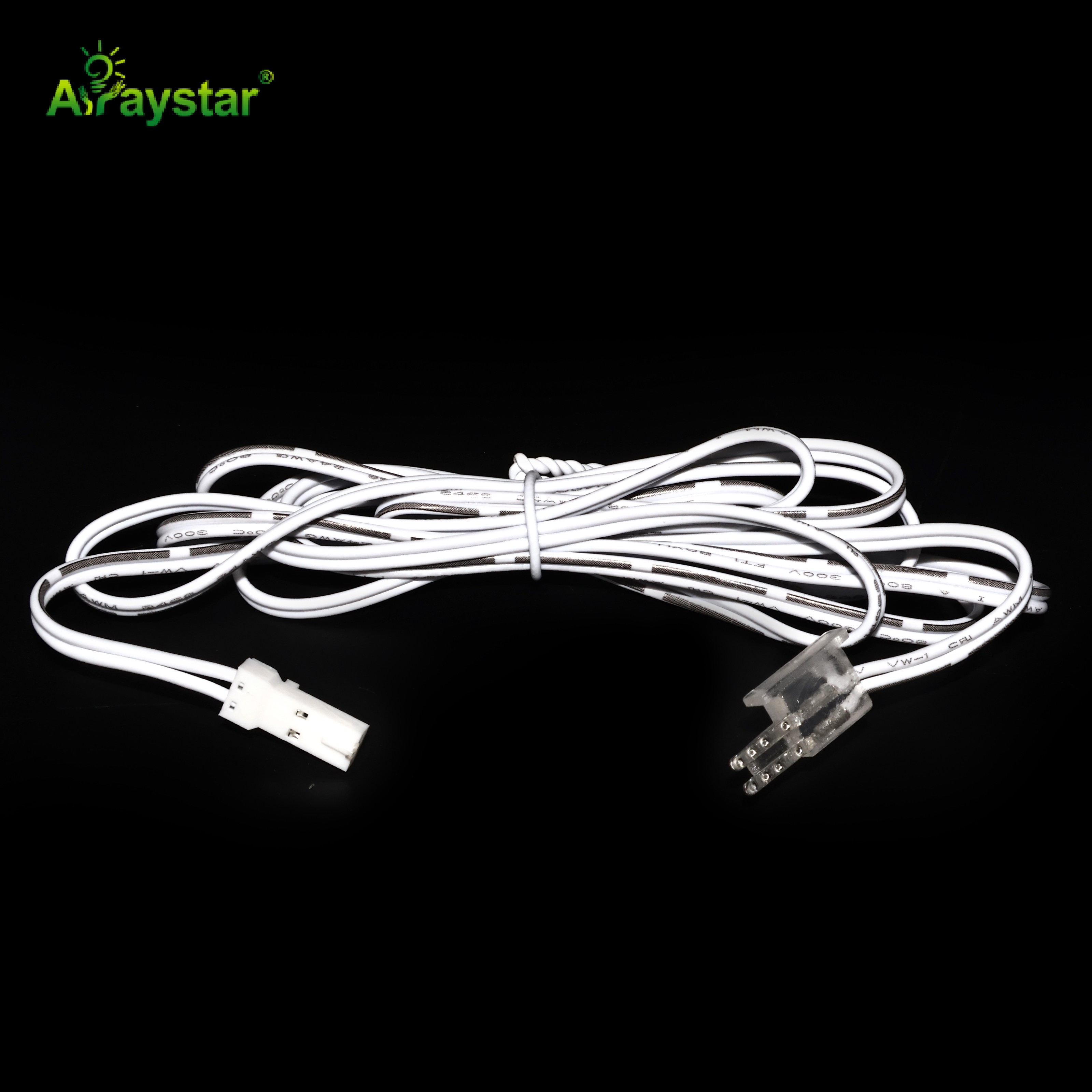
For joining 0508 mini neon on site I use the solder-free connector. It makes a dependable join in seconds without an iron or the risk of scorching the tiny profile.
Soldered Joint vs Solder-Free Connector
Mini neon field joins favour the repeatability of solder-free connectors.
| Factor | Soldered joint | 0508 solder-free connector |
|---|---|---|
| Skill needed | High | Minimal |
| Time per join | Slow | Seconds |
| Heat risk | Can scorch silicone | None |
| Field reliability | Installer-dependent | Repeatable clamping |
| Best for | Bench/custom work | Fast on-site joins |
Where Solder-Free Mini Neon Joins Are Used
- Extending mini neon runs beyond a single reel length.
- Straight joins and inline repairs in tight accent installations.
- Corners and direction changes using shaped connector pieces.
- On-site work in channels, signage and furniture where soldering is impractical.
- Fast commercial fit-outs with many repeated joins.
Preparing the Neon for a Reliable Connection
A solder-free connector is repeatable only if the neon is prepared correctly. I cut only at the marked cut points, strip or expose the conductors exactly as the connector requires, ensure the end is square and free of silicone burrs that prevent full insertion, and push the neon fully home before closing the clamp. A half-inserted or poorly cut section is the main cause of an intermittent solder-free joint, and it is entirely avoidable with a clean preparation.
- Cut only at the marked cut points, square and clean.
- Expose conductors precisely to the connector's requirement.
- Remove silicone burrs that block full insertion.
- Push fully home, then close and secure the clamp.
Polarity, Sealing and Mechanical Support
I check polarity on every join, because reversed polarity on a single-colour run may simply fail while on RGB mini neon it produces wrong colours, and for exterior or wet locations I use the appropriate sealed connector version and protect the joint rather than assuming an indoor clip is waterproof. I also support the neon at the connector so the joint is not left under tension, since the connector is not designed to carry pulling loads from a run that moves or hangs.
When Soldering Is Still the Right Choice
I keep soldering for controlled bench work, custom junctions and situations where no connector exists for a specific profile or configuration, where a properly made solder joint can be compact and permanent. For the majority of straight joins, extensions and corners on standard 0508 mini neon in the field, the solder-free connector is faster and more consistent, and I often use both: pre-fabricate custom junctions on the bench and use connectors for the repetitive on-site assembly.
Specifying Mini Neon Connectors
Send the exact mini neon cross-section (0508), the join types needed (straight, corner, extension, power lead), quantity and whether the installation is exterior. I will confirm the matching solder-free connector types, sealing for wet locations and preparation method. We supply the 0508 connector and recommend making and testing one complete join, including a pull check and power test, before assembling a full run.
Rolling Out Mini-Neon Signage Across a Retail Chain
A retail chain was rolling out identical mini-neon accent signage to dozens of stores in a tight programme, and the original specification called for every neon join to be soldered on site by electricians. A pilot store quickly exposed why that would not scale: the 0508 mini neon was too small for reliable field soldering, results varied wildly between installers, a few joints failed within weeks from cold solder and scorched silicone, and the per-store time made the rollout schedule impossible.
We switched the specification to 0508 solder-free connectors for all the repetitive straight joins, corners and power-lead connections, reserving soldering only for a small number of custom junctions that we pre-fabricated on the bench in the workshop where heat and technique could be controlled. The impact on the rollout was substantial. Installers needed minimal training to prepare a clean square cut at the marked points, expose the conductors correctly, remove silicone burrs, push the neon fully home and close the clamp, and each join took seconds rather than minutes with no iron, no mains power for the soldering station and no heat damage to the tiny profile. Because the connector gave the same clamped contact every time, joint quality became repeatable across installers and stores instead of depending on who happened to be on the ladder that day, which is exactly what a multi-site brand needs for consistency. We produced a one-page preparation standard, cut square at the marks, full insertion, polarity check, sealed versions for the few storefront locations exposed to moisture, and mechanical support so no connector was left under tension, and we required every store's first join to be pull-checked and power-tested before the run proceeded. Custom junctions arrived pre-made from the bench, so field teams only handled the repetitive assembly connectors were built for. The rollout that had been slipping behind schedule accelerated, the post-install failure rate on joints dropped to near zero, and the chain got identical, reliable signage across every store without depending on finding skilled solderers in each city. The programme is a strong argument for matching the joining method to the context: soldering is a superb technique in controlled bench and custom work, but a fast, repeatable, low-skill, heat-free connector is the correct engineering choice when the same small-profile join has to be reproduced hundreds of times by different hands on site, and the consistency of the connector is worth far more to a chain than the theoretical neatness of a field solder joint.
Recommended Products
Frequently Asked Questions
What is a 0508 solder-free neon connector?
It is a purpose connector for 0508 cross-section mini neon flex that clamps onto the strip to make both an electrical contact and a mechanical join without soldering. It creates a fast, repeatable connection in seconds with no iron or heat, avoiding the risk of scorching the small silicone profile during on-site work.
Why not just solder mini neon on site?
The 0508 profile is tiny with narrow conductors and silicone that scorches easily, and field soldering in awkward positions commonly produces cold joints, melted casing and intermittent failures. A solder-free connector needs minimal skill, takes seconds, applies no heat and gives a repeatable clamped join, making it far more reliable for on-site straight joins, corners and extensions.
How do I prepare neon for a solder-free connector?
Cut only at the marked cut points with a square, clean end, expose the conductors exactly as the connector requires, remove any silicone burrs that would stop full insertion, push the neon fully home, then close and secure the clamp. A half-inserted or poorly cut section is the main cause of an intermittent joint and is avoidable with careful preparation.
Do solder-free neon connectors work outdoors?
Only with the appropriate sealed connector version for wet or exterior locations; an indoor clip is not waterproof. Check polarity on every join so single-colour runs do not fail and RGB runs show correct colours, and support the neon at the connector so the joint is not left under tension, since connectors are not designed to carry pulling loads.
When is soldering still better than a connector?
Soldering remains useful for controlled bench work, custom junctions and profiles or configurations with no matching connector, where a well-made joint can be compact and permanent. For repetitive straight joins, extensions and corners on standard 0508 mini neon in the field, solder-free connectors are faster and more consistent; many installers pre-fabricate custom junctions on the bench and use connectors on site.
Need help with your LED project?
Get factory-direct pricing, free samples and engineering support within 24 hours.
Email: info@arraystarled.com | Phone: +86-0755-2103-6746 | WhatsApp: 0086 1581 8514 077
Need to size your power supply? Use our LED Strip Power Calculator to find the right driver in seconds.







