
LED Strip Lighting for Pharmacies and Drugstores: Shelf & Counter Layout
- 2026-10-15 14:33
- /
- Arraystar LED
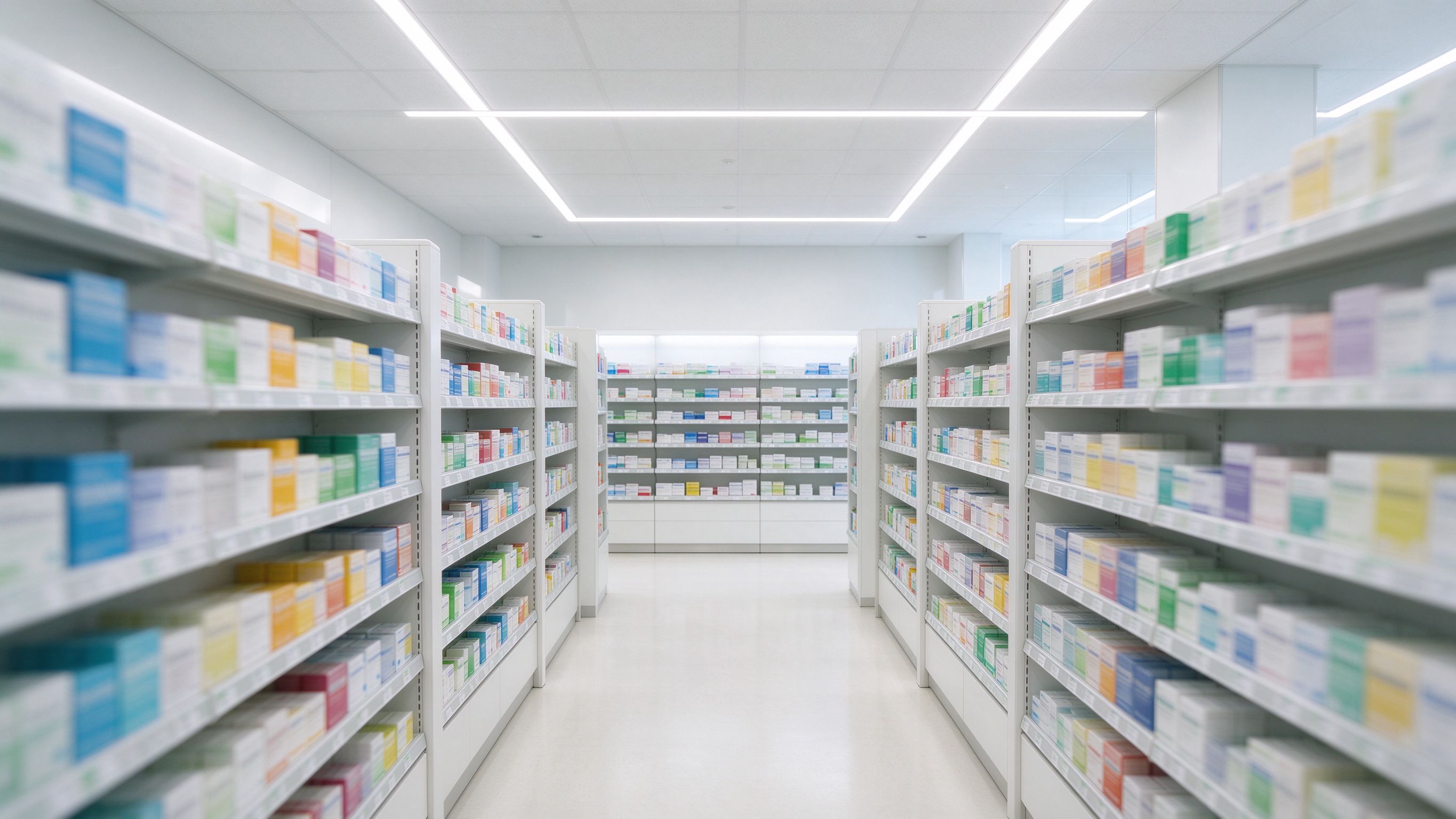
A pharmacy has to do two things with light: make long medication shelves and small packaging easy to read for both staff and older customers, and keep the dispensary accurate where the wrong read of a label is a genuine safety issue. I've walked into stores where the shelves looked bright from the aisle but the products themselves sat in shadow under the shelf edge. A mix of even panel light and linear shelf strips fixes that without turning the store into a cold warehouse.
What Pharmacies Need From Their Lighting
Pharmacy retail combines dense shelving, a service counter and a working dispensary in one footprint, often with older customers who need higher light levels and good contrast. General ceiling panels alone light the floor but leave each shelf tier darker as you go down, because the shelf above casts a shadow.
That vertical shadow is the core problem. Customers tilt their heads to read small boxes on lower shelves and dispensers lean in to read labels at the bench. Linear strips placed to light the shelf face and the work surface remove that shadow so the whole wall reads evenly.
Lighting the Medication Shelves Evenly
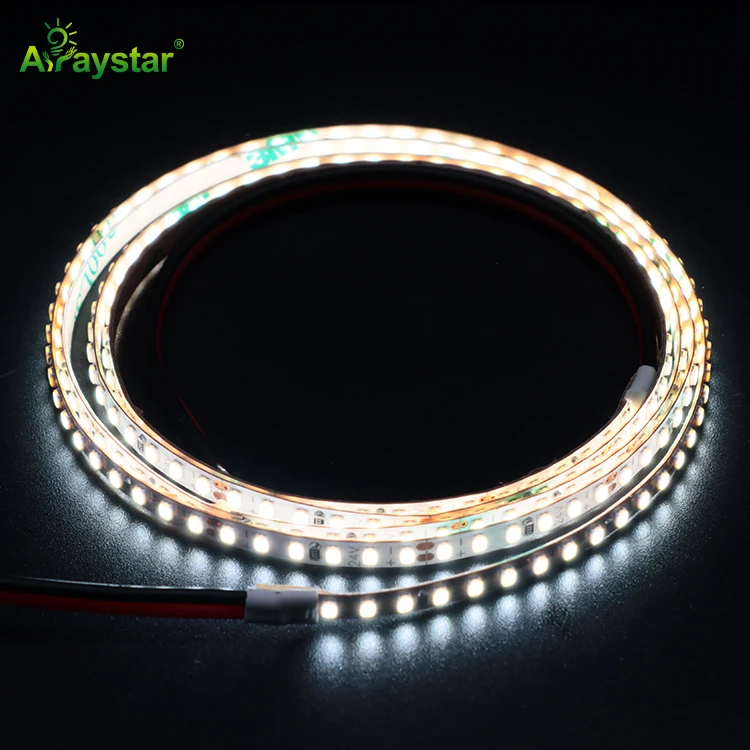
For wall shelving I add a slim strip along the front underside of each shelf or every second shelf, angled slightly toward the product face. Slim 4-5mm strips work well because they tuck behind the shelf lip and stay hidden from view.
Keep these points in mind when laying out shelf runs:
- Use a neutral 4000K on the retail floor - bright and clear without the blue cast that feels harsh on medicine shelves.
- Space the strips so the light overlaps on the shelf below rather than leaving a bright front and dark back.
- Choose slim, low-heat strips so products and packaging sit close to them safely.
- Run shelf strips on a separate circuit so they can stay on in trading hours without the full ceiling.
The Dispensary and Counter Work Zone
The dispensary is a task space, so I light it bright, neutral and shadow-free at 5000K with high CRI so color-coded labels read clearly; a continuous strip along the back of the bench and under wall cabinets gives even light across the surface. The front counter sits between the two zones, so keep it around 4000K - bright for paperwork but warmer than the dispensary - and avoid a single downlight that glares on screens and puts the customer's face in shadow.
Color Temperature and Glare for Older Customers
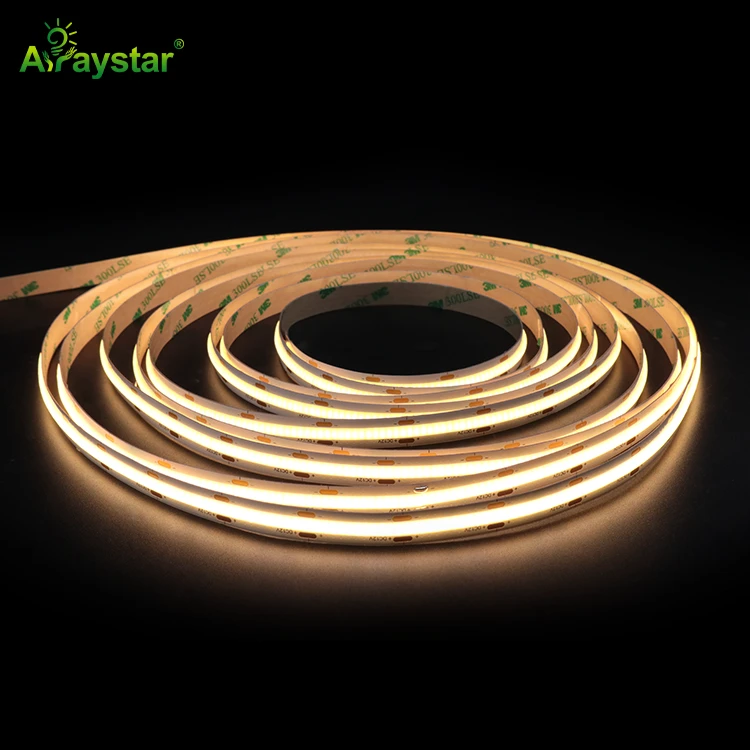
Pharmacy customers skew older, and eyes over 50 need more light and are more glare-sensitive, which argues for high even levels with diffused sources rather than bare spots. Frosted diffusers on every strip keep it comfortable. I keep retail and counters at 4000K, the dispensary at 5000K, and waiting seating warmer at 3500K; most pharmacies keep a fixed neutral setting rather than tuning it.
Drivers, Wiring and Keeping Shelves Flexible
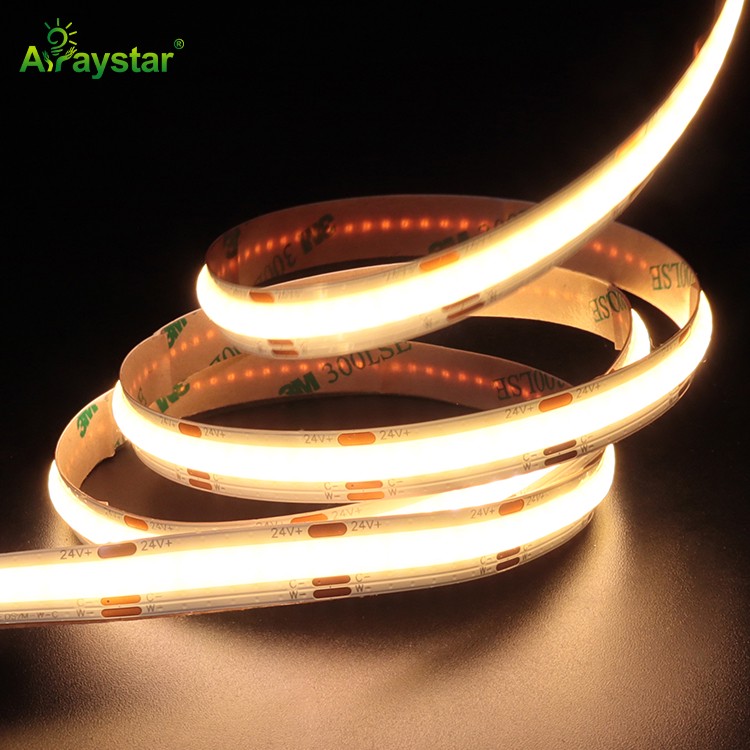
Shelf layouts change, so I wire strips in runs that follow the gondola positions with accessible junction points rather than burying cables in fixed joinery. Use 24V strips for long runs because voltage drop is lower than 12V, size each driver with 20% headroom and keep it accessible, specify low-ripple drivers so small print isn't under a faint strobe, and use sealed channels in any area that gets wiped down.
Recommended Products
Frequently Asked Questions
What color temperature should a pharmacy use?
Use 4000K on the retail floor and counter for clear, neutral light that isn't harsh, and 5000K in the dispensary for accurate label and task work. Waiting or consultation seating can be warmer at around 3500K. Keep the dispensary setting fixed and bright.
How do you stop lower pharmacy shelves looking dark?
Add slim strips along the front underside of each shelf or every second shelf, angled toward the product face, so the light overlaps on the tier below. Ceiling panels alone leave the lower shelves in the shadow of the shelf above.
What CRI do pharmacy lights need?
CRI 80 is fine on the retail floor, but the dispensary benefits from CRI 90 so color-coded packaging and labels read accurately. High CRI matters wherever staff are identifying products by color or reading small print.
Why is glare a problem in a pharmacy?
Pharmacy customers tend to be older and more sensitive to glare, and bare bright spots create reflections on counter screens. Diffused strips and panels raise the overall light level comfortably without shining directly in customers' eyes.
Are 12V or 24V strips better for long pharmacy shelves?
24V. Over long shelf runs, 24V strips have lower voltage drop so the light stays even from one end to the other, and they run cooler. Size the driver with about 20% headroom and keep it accessible for maintenance.
Need help with your LED project?
Get factory-direct pricing, free samples and engineering support within 24 hours.
Email: info@arraystarled.com | Phone: +86-0755-2103-6746 | WhatsApp: 0086 1581 8514 077







