The Diffuser Cover Keeps Popping Out on a Warm Ceiling Run
- 2026-11-02 15:55
- /
- Arraystar LED
The diffuser is not badly designed. A shallow retention lip on a channel that runs hot on a ceiling will bow out every summer. I check the lip depth, tighten the clip spacing, and spec a heat-rated PC diffuser instead of PMMA.
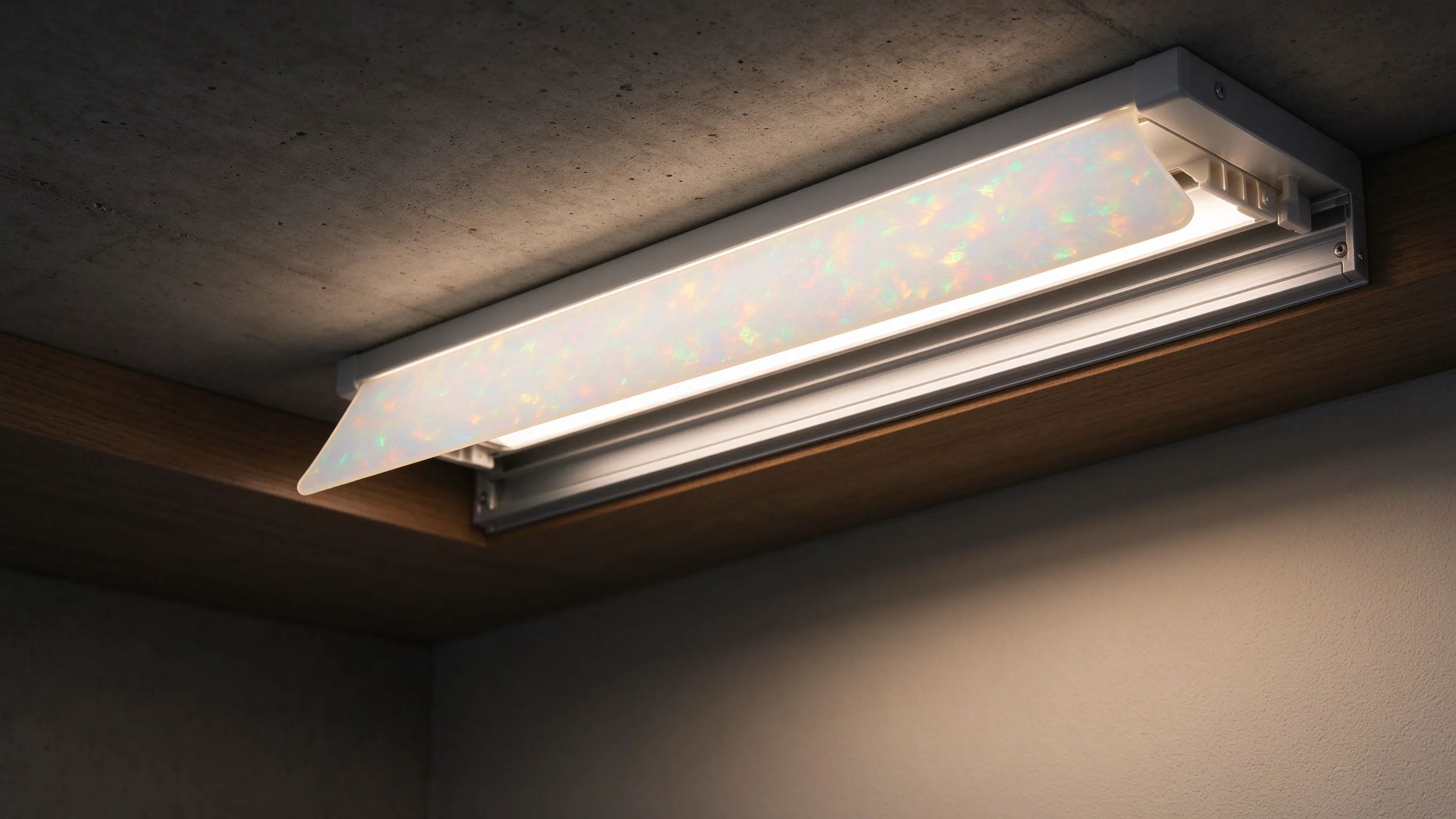
The cover that walks off the channel by itself
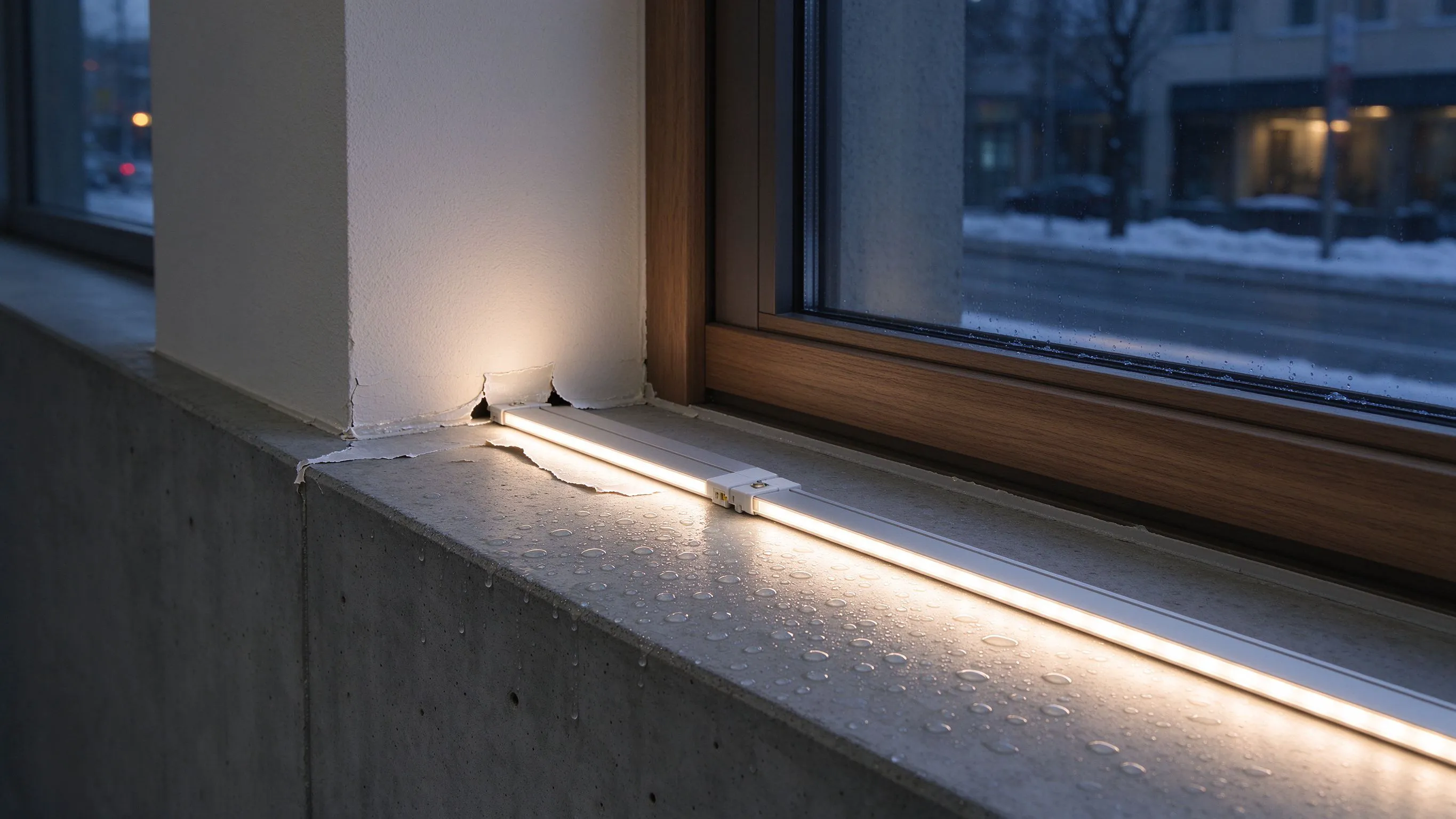
Installers call it popping, bowing, or walking. The diffuser was pressed in at room temperature on a Friday, and by Tuesday afternoon it has lifted along the middle of a 2 m run, sometimes only on one side, and it is sitting proud of the aluminium channel like a loaf of bread out of its tin. Push it back in, it stays for a week, then bows again. On a ceiling run above a kitchen or a shower, this happens within months.
The root cause is heat. A ceiling channel in an insulated void runs at 50 to 65 C inside when the strip is on for hours. Acrylic, PMMA, softens above about 70 C and expands. The retention lip on the channel was designed at room temperature, and when the cover expands and softens it bows out of the lip.
Why the lip is not holding
Retention lips are shallow by design, usually 0.8 to 1.5 mm deep. A new diffuser clicks in with a firm snap at 20 C. At 60 C, the same plastic has softened enough to stretch over the lip, and the internal stress from the bow pushes it right back out. The lip was never too shallow on the bench; it is too shallow for the actual operating temperature.
PMMA is the cheapest diffuser and the one that pops; PC is the heat-rated upgrade.
| Material | Softens near | Behaviour on warm ceiling |
|---|---|---|
| PMMA acrylic | 70-80 C | Bows out, turns brittle over years |
| Polycarbonate PC | 110-130 C | Stays flexible, holds lip |
| PVC | 60-70 C | Warps badly, not recommended |
| Silicone sleeve | Over 200 C | Not a clip-in cover, a sleeve |
The short-term fix on an installed run
What I do on a service visit
- Let the channel cool completely before touching the diffuser.
- Press the cover back in along the whole run, starting from the middle and working out.
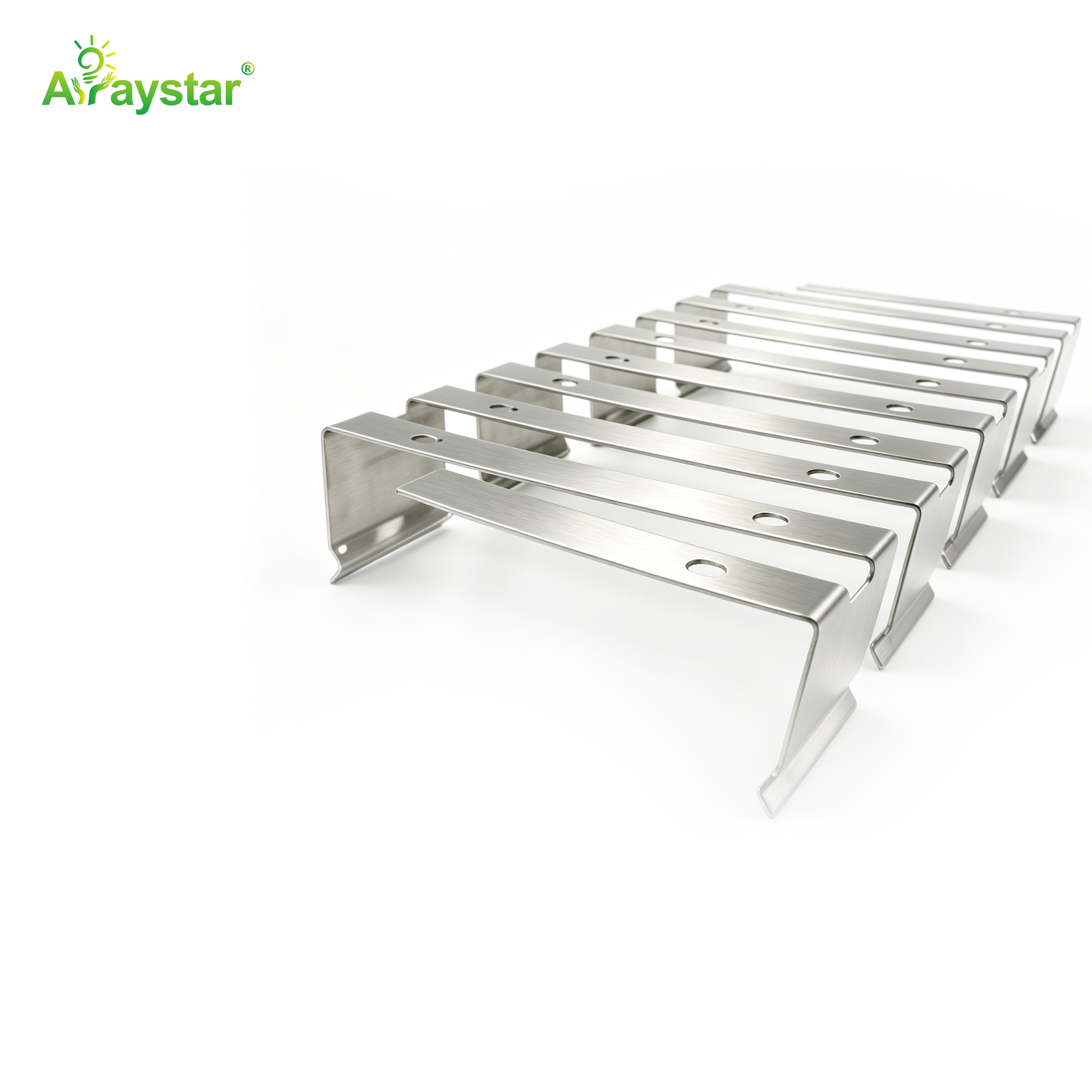
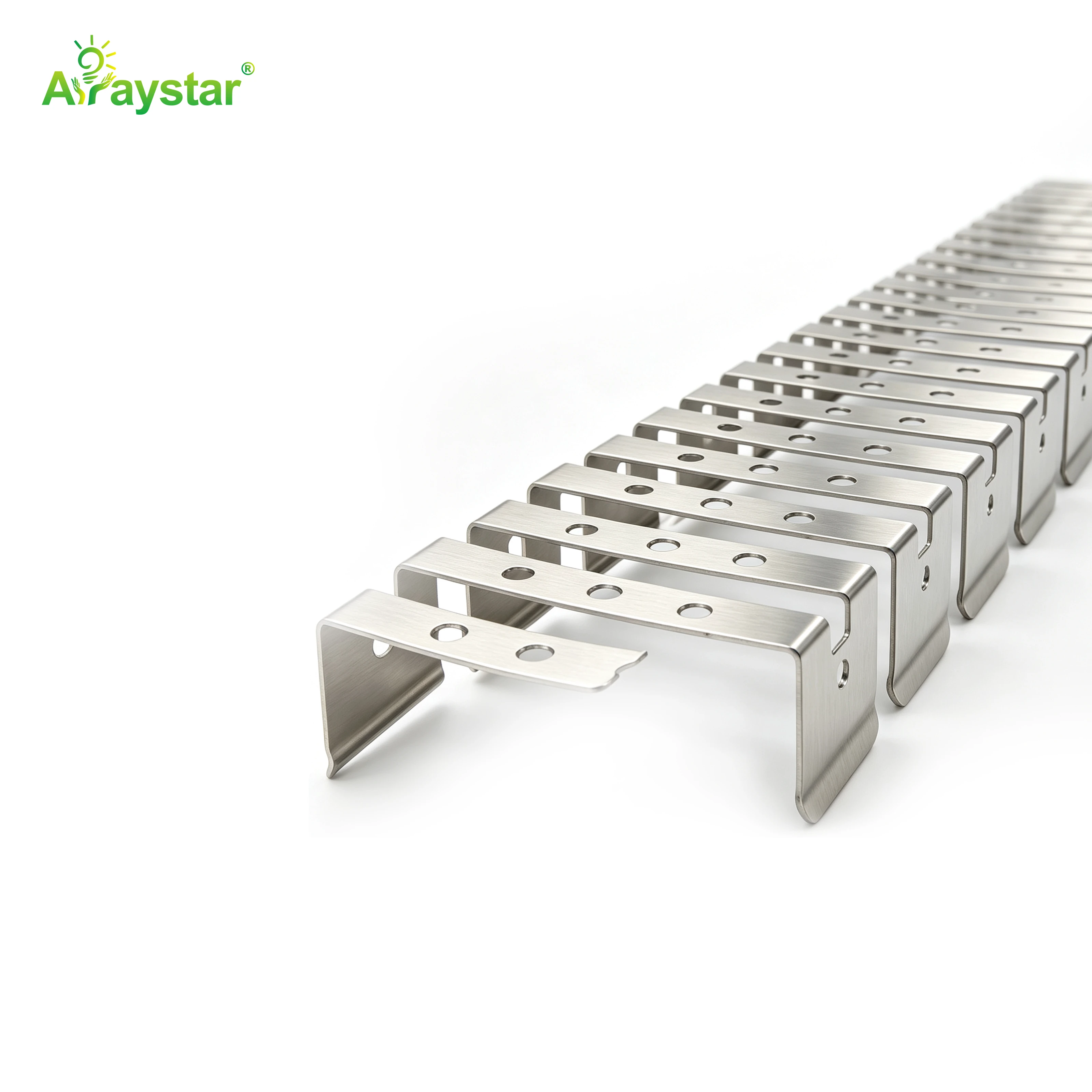
- Add stainless steel retaining clips every 500 mm across the top of the channel, clamping the diffuser lip to the aluminium.
- If the cover is permanently warped, replace it rather than trying to re-seat it.
The retaining clips are the band-aid I use on existing installs. A small stainless spring clip that wraps over the channel and pinches the diffuser lip on both sides. It looks slightly industrial from below, but it stops the pop. On a visible cove I would rather replace the channel, but on a ceiling run the clips are a fifteen-minute job.
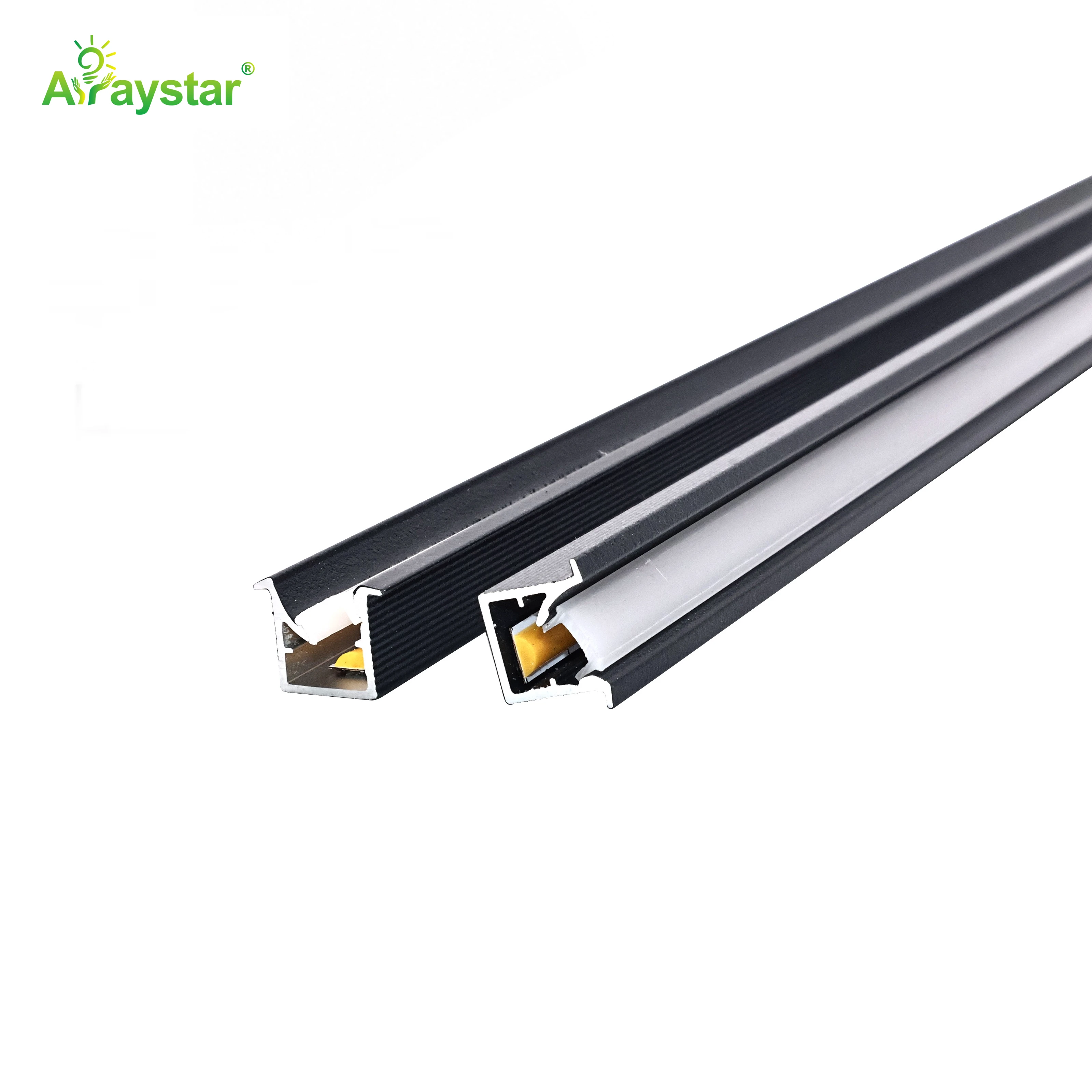
Choosing a diffuser that will not pop next time
Specify polycarbonate, PC, not PMMA acrylic, for any channel installed in a warm environment. PC costs about 30 percent more and is slightly less diffuse, but it withstands 110 C continuously and it does not soften. On a kitchen soffit, a shower recess, or an insulated ceiling, PC is the only material I will use.
Also check the lip depth on the channel itself. A channel with a 2 mm deep retention lip holds a warm diffuser far better than one with a 0.8 mm lip. When I spec a new run, I ask for the lip dimension and I prefer channels designed for PC diffusers, which have the deeper lip from the factory.
Clip spacing and airflow
Heat is the trigger, so reducing the heat reaching the diffuser helps. A channel with good thermal conductivity to the aluminium body keeps the junction temperature lower. I also derate the strip current by 10 percent on ceiling runs, because 20 percent less heat at the LED means 8 to 10 C lower inside the channel, which is the difference between a PMMA cover that holds and one that pops.
- Specify PC, not PMMA, for any channel in a warm or insulated space.
- Check the retention lip depth; 2 mm is much better than 0.8 mm.
- Derate strip current by 10 percent on ceiling runs to cut internal heat.
- Space retaining clips every 500 mm on existing warm runs as a stopgap.
Recommended Products
Frequently Asked Questions
Why does my LED diffuser pop out only on the ceiling run?
Because ceiling channels trap heat. The strip runs at 50 to 65 C inside the channel for hours, the PMMA acrylic diffuser softens near 70 C, and the shallow retention lip can no longer hold it. On a wall run where air circulates, the same channel stays under 45 C and the diffuser stays put.
What is the difference between PMMA and PC diffusers?
PMMA is acrylic, cheap, optically clear, but softens at 70 to 80 C. PC is polycarbonate, slightly more expensive, a little less optically clear, but handles 110 to 130 C continuously. On warm or ceiling installs, PC is the only material that will not bow out of the retention lip over time.
How do I keep an existing diffuser from popping out?
Add stainless steel retaining clips over the top of the channel, spaced every 500 mm. The clip pinches the diffuser lip against the aluminium body. Let the run cool first, re-seat the cover from the middle out, then clip. On a visible run this looks industrial, so plan to replace the diffuser with PC next service.
Does running the strip dimmer stop the diffuser popping?
Yes, by about half. A strip at 70 percent brightness runs roughly 10 C cooler inside the channel than one at full white. That difference is often enough to keep PMMA below its softening point. On a ceiling run where full white is rarely used anyway, this is a free fix. On a cove that does run at full white, you need the PC diffuser.
How deep should the retention lip be on a channel?
At least 1.5 mm, and 2 mm is better for warm environments. A 0.8 mm lip holds a cold diffuser fine on the bench, but once the plastic softens and bows, the lip has nothing to grip. When you order channels for ceiling or kitchen work, ask for the lip dimension and specify the channel for a PC diffuser, which comes with the deeper lip.
Need help with your LED project?
Get factory-direct pricing, free samples and engineering support within 24 hours.
Email: info@arraystarled.com | Phone: +86-0755-2103-6746 | WhatsApp: 0086 1581 8514 077
Need to size your power supply? Use our LED Strip Power Calculator to find the right driver in seconds.