When Do Plastic Diffusers Yellow? Replacing Them Without New Strip
- 2026-10-28 10:04
- /
- Arraystar LED
A client calls me saying their LED strip has gone yellow and warm after two years. Nine times out of ten the strip is fine and the opal diffuser has aged in UV and heat. You can swap just the diffuser and keep the whole strip and driver.
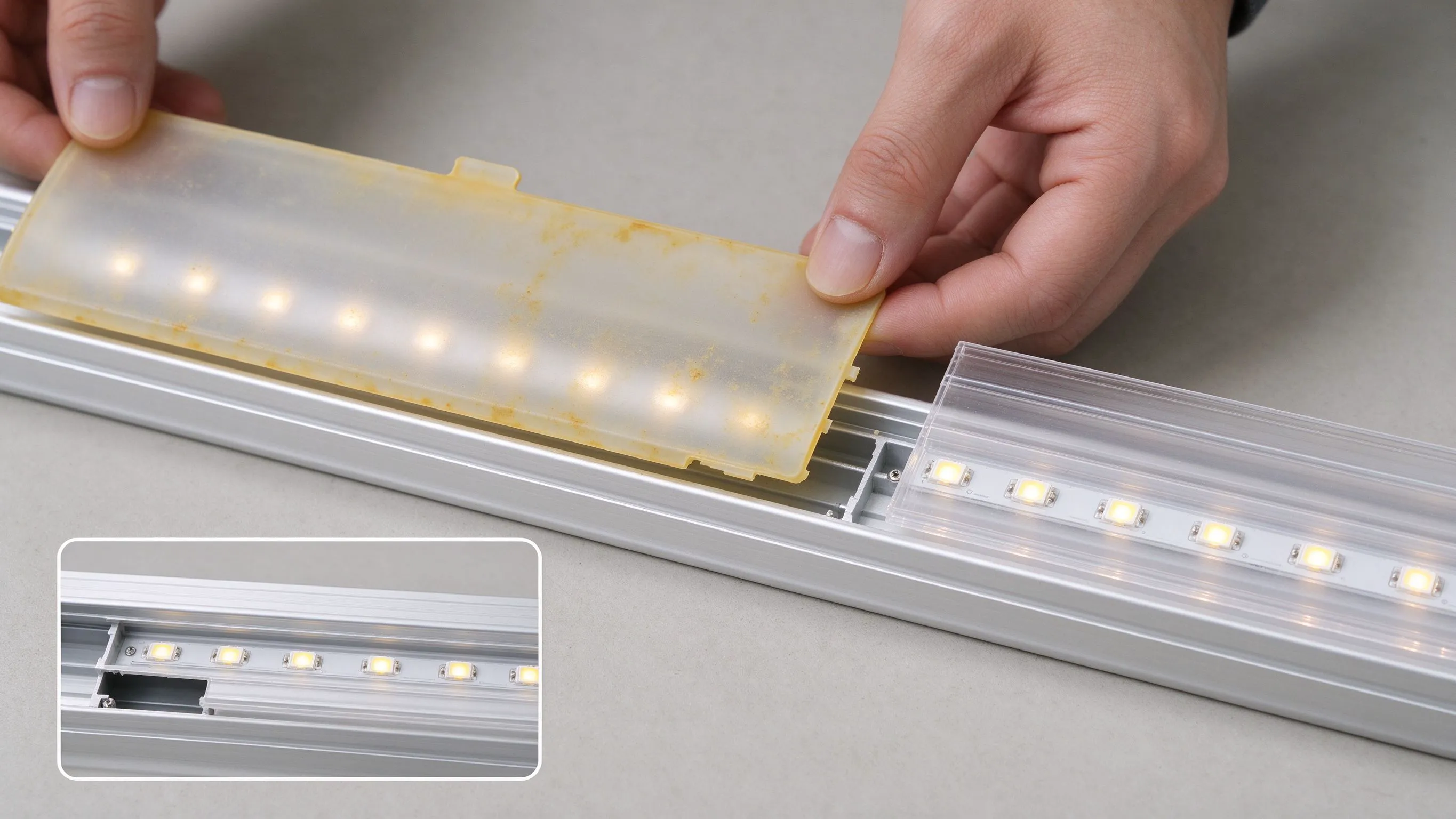
What actually yellows: diffuser or strip?
The opal polycarbonate or PMMA diffuser that softens the LED dot pattern is the part that ages. Under heat and UV it turns from milky white to a warm amber, and that amber film tints every LED passing through it. The LEDs themselves may still be at 95 percent output. Once I realised this, I stopped blaming the strip and started carrying spare diffusers in the van.
A kitchen job had a client convinced her brand-new 4000 K strip had drifted to 2700 K after eighteen months. I pulled the diffuser out, held it next to a new offcut, and the difference was obvious. Fitting a fresh diffuser restored the colour temperature in twenty minutes, and the strip was untouched.
How to tell which part failed
- Pull the diffuser out and look at the strip direct: if LEDs are white, diffuser is the fault.
- Compare the diffuser end-to-end: yellow is worse where heat builds near the driver.
- If the strip itself looks dim and brown, the LEDs have aged, not the diffuser.

Why diffusers yellow faster in some spots
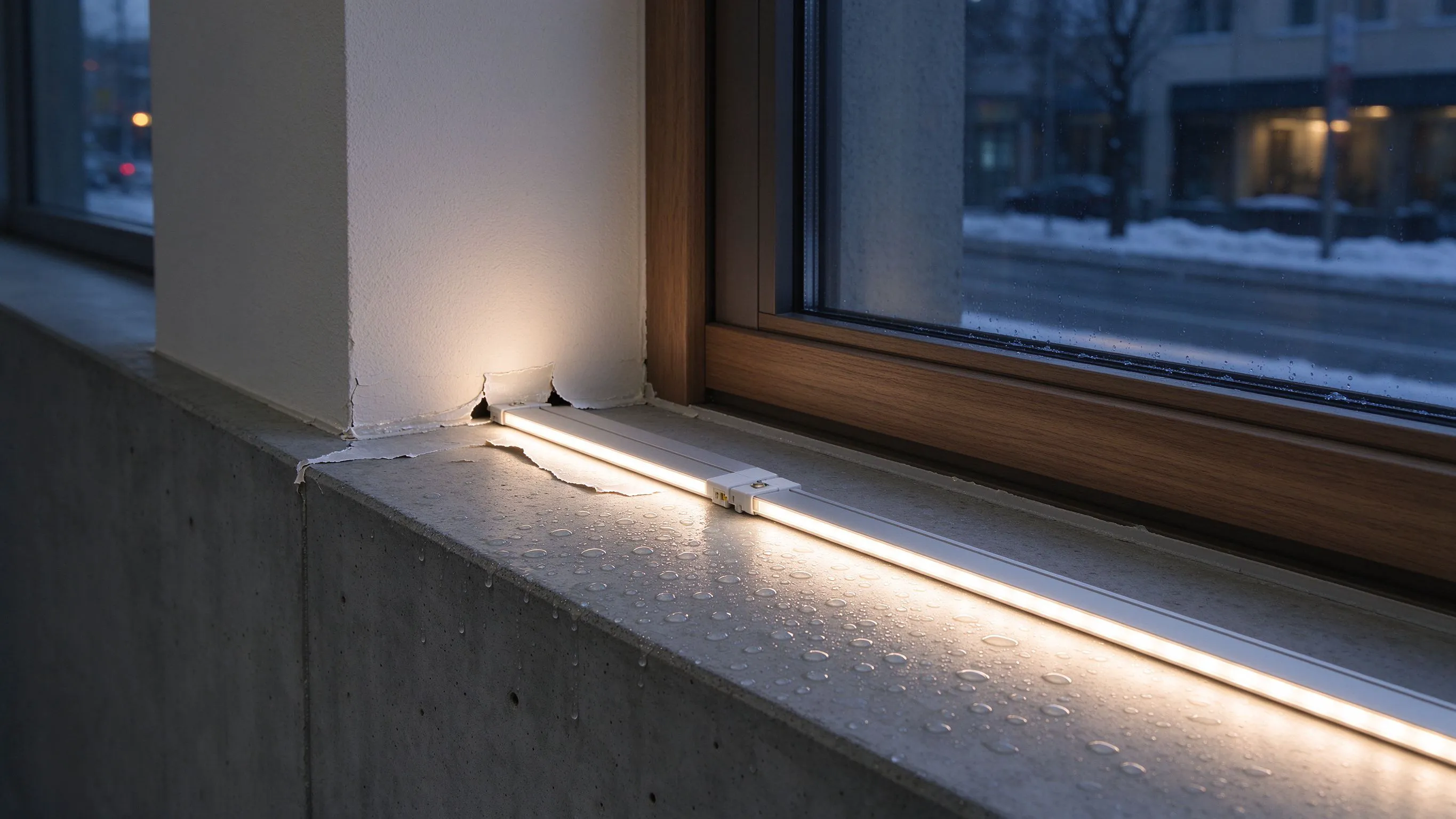
Yellowing is driven by heat more than light. A diffuser trapped in a sealed channel with no ventilation, running at a high LED density, will bake faster than one on a cool surface. Under-cabinet runs near ovens, inside soffits with no airflow, and south-facing windows are the spots where I expect diffusers to age inside two to three years.
Heat, not age, sets the replacement clock.
| Location | Diffuser life I expect | Preventive move |
|---|---|---|
| Cool interior, no sun | 5-7 years | None needed. |
| Under-cabinet near cooking | 2-3 years | Pick UV-stabilised PC. |
| Sealed soffit, hot | 2-3 years | Vent the channel ends. |
| Direct sun through glass | 1-2 years | Use PMMA / UV-stable grade. |
Swapping the diffuser without touching the strip
Diffusers are press-fit. I lift one end with a plastic trim tool, work along the channel with my fingers, and the whole strip pops out of the extrusion without disturbing the LEDs. Measure the old diffuser width and height against the channel profile number and order an exact match. A diffuser that is a fraction too loose rattles; a fraction too tight will not seat.

Which diffuser material ages best
PMMA (acrylic) diffusers give the highest light transmission and the cleanest dot-free look, but yellow sooner in UV. Polycarbonate is tougher and more heat-resistant but slightly less transparent. For hot or sunny spots I specify UV-stabilised polycarbonate and accept the small light loss rather than replacing it every summer.
The service call I now sell
I offer a five-year diffuser refresh on commercial installs rather than waiting for complaints. It is a cheap part, an hour of labour, and it keeps the client happy without rewiring. When someone calls about yellow light, the first question is always: can you pull the diffuser out? If yes, we have a ten-minute diagnosis.
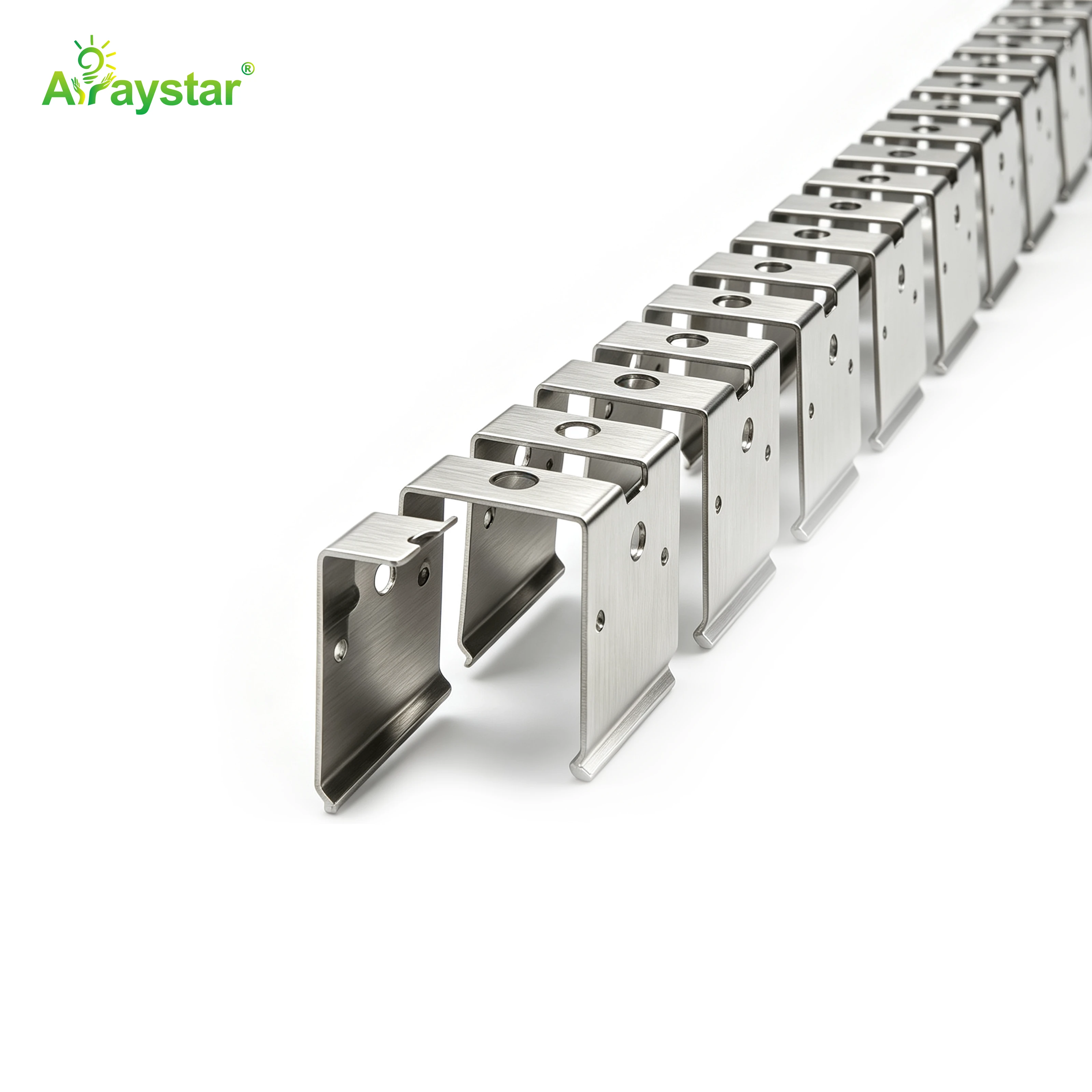
When you order a replacement diffuser, match the extrusion number exactly, not just the width. Two channels of the same 25 mm width can have different clip profiles, and a diffuser that clicks into one channel will rattle in another. I photograph the end cap and the extrusion label before ordering, so there is no ambiguity.
I also keep a metre of the correct diffuser in the van for the common channels I install, which turns a warranty visit into a same-day fix. Yellowing is a predictable failure, and being able to solve it on the spot keeps a client far happier than a scheduled return trip two weeks later. The spare stock pays for itself on the first call-out, and the client stops seeing you as a cost and starts seeing you as the person who keeps the lights looking new. I would not run a commercial install without that spare metre on the van.
Recommended Products
Frequently Asked Questions
Why did my LED strip suddenly turn yellow?
Usually the opal diffuser has aged, not the strip. Heat and UV turn polycarbonate amber over a few years, and that film tints the white LEDs passing through it. Pull the diffuser out and look at the strip direct; if the LEDs are still white, just replace the cover.
Can I replace just the diffuser and keep the strip?
Yes. Diffusers are press-fit and pop out with a plastic trim tool. Measure the old one against the channel profile number and order an exact match. A half-hour swap restores the colour temperature without touching the LEDs, driver, or wiring.
How long should an LED diffuser last?
In a cool interior with no sun, five to seven years is normal. Near heat sources or in direct UV through glass, expect two to three years. Heat drives yellowing far more than time, so ventilated channels and UV-stabilised material buy you the longest life.
PMMA or polycarbonate diffuser for sunny spots?
Use UV-stabilised polycarbonate for hot or exposed spots. PMMA gives cleaner light and better transmission but yellows faster in UV. Polycarbonate is tougher and more heat-resistant, and the slight loss in clarity is worth avoiding yearly replacements.
How do I tell if the strip itself has failed?
Pull the diffuser out and inspect the LEDs directly. If they look dim, browned, or have dead dots, the strip has aged and needs replacing. If they still look bright white, the diffuser is the only problem and you can swap just the cover.
Need help with your LED project?
Get factory-direct pricing, free samples and engineering support within 24 hours.
Email: info@arraystarled.com | Phone: +86-0755-2103-6746 | WhatsApp: 0086 1581 8514 077
Need to size your power supply? Use our LED Strip Power Calculator to find the right driver in seconds.