LED Strip Color Temperature: How to Choose the Right Kelvin for Every Room
- 2026-09-09 16:40
- /
- Arraystar
Quick Answer
LED strip color temperature (measured in Kelvin, K) determines the warmth or coolness of light: 2700K-3000K warm white creates cozy, relaxing atmospheres ideal for bedrooms, living rooms, and restaurants; 3500K-4000K neutral white provides balanced, natural light for kitchens, bathrooms, offices, and retail; 5000K-6500K cool white delivers bright, alert light for workshops, garages, hospitals, and task areas. Choose based on room purpose, desired mood, existing decor, and time of day. When in doubt, 3000K for living spaces and 4000K for work spaces are safe choices. Tunable white strips (2700K-6500K) offer maximum flexibility for any space.
📑 Table of Contents
- What is Color Temperature?
- The Color Temperature Scale Explained
- Warm White (2700K-3000K): When and Where to Use
- Neutral White (3500K-4000K): The Balanced Choice
- Cool White (5000K-6500K): Bright and Alert
- Room-by-Room Color Temperature Guide
- How to Choose the Right Color Temperature
- Tunable White LED Strips: The Ultimate Flexibility
What is Color Temperature?
Color temperature is measured in Kelvin (K) and describes the color appearance of light, from warm (yellow/orange) to cool (blue/white). Despite the name, it has nothing to do with the actual heat of the LED—it describes the color of light a blackbody radiator would emit at that temperature. Lower Kelvin = warmer, more yellow light; higher Kelvin = cooler, more blue-white light. The scale ranges from 1000K (candlelight, deep orange) to 10000K+ (deep blue, clear sky). Understanding color temperature is essential for creating the right mood and atmosphere in any space, and for ensuring accurate color rendering for tasks like makeup application, cooking, and design work.
The Color Temperature Scale Explained
The Kelvin scale for LED lighting typically ranges from 1800K to 6500K: 1800K-2200K: Very warm, amber/orange light—similar to candlelight or old incandescent bulbs. Creates intimate, cozy atmosphere. Ideal for restaurants, bars, bedrooms, and decorative accent lighting. 2700K: Warm white—similar to traditional incandescent bulbs. The most popular choice for residential living spaces. Creates warm, inviting, comfortable atmosphere. 3000K: Soft warm white—slightly brighter and more neutral than 2700K. Versatile for both residential and commercial spaces. The most common choice for hotels and hospitality. 3500K: Neutral warm white—balanced between warm and cool. Good for kitchens, bathrooms, and retail spaces where both warmth and accuracy are needed. 4000K: Neutral white/cool white—clean, bright, natural appearance. The most popular choice for offices, schools, hospitals, and task-oriented spaces. Promotes alertness and focus. 5000K: Cool white/daylight—bright, crisp, blue-white light similar to natural daylight at noon. Ideal for workshops, garages, hospitals, and areas requiring maximum visibility and color accuracy. 6000K-6500K: Very cool white/daylight—bright, slightly blue light. Used for specialized applications, outdoor security lighting, and areas requiring maximum alertness. Can feel harsh in residential settings. Each 500K increment produces a noticeable difference in color appearance. When comparing strips, always compare exact Kelvin ratings—'warm white' can mean 2700K from one manufacturer and 3000K from another.
🎥 Complete LED Strip Guide
Warm White (2700K-3000K): When and Where to Use
Warm white light has a yellowish, cozy glow similar to traditional incandescent bulbs or candlelight. Best for: Bedrooms—creates relaxing, intimate atmosphere that promotes rest and melatonin production. Living rooms—warm, inviting glow for relaxation, entertaining, and watching TV. Dining rooms and restaurants—enhances food appearance (makes food look warm and appetizing) and creates intimate dining atmosphere. Hotels and hospitality—warm white (2700K-3000K) is the industry standard for guest rooms, lobbies, and restaurants. Spas and wellness—very warm (2400K-2700K) creates calming, relaxing environment. Bars and lounges—warm, dim lighting creates intimate, social atmosphere. Hallways and entryways—warm welcoming glow for guests. Advantages: Creates warm, inviting, cozy atmosphere; flattering for skin tones (makes people look warm and healthy); enhances warm-colored decor (wood, earth tones, reds, oranges); promotes relaxation and melatonin production in the evening; familiar, comfortable appearance (similar to traditional incandescent). Disadvantages: May appear too yellow or dim for task-oriented spaces; can make some colors appear muted or distorted (blues, greens may appear dull); not ideal for areas requiring high visibility or accurate color rendering; may feel dated in modern, minimalist spaces. 2700K is the warmest, coziest option—best for bedrooms and intimate spaces. 3000K is slightly brighter and more versatile—best for living rooms, dining rooms, and general residential use.
Neutral White (3500K-4000K): The Balanced Choice
Neutral white (also called natural white) provides balanced, clean light that is neither too warm nor too cool. Best for: Kitchens—balanced light for food preparation, cooking, and dining. 3500K-4000K provides good color accuracy for food while maintaining a warm, inviting feel. Bathrooms—clean, bright light for grooming, makeup application, and shaving. 4000K provides accurate color rendering for makeup. Home offices and studies—neutral, focused light for reading, writing, and computer work. 4000K promotes alertness without being harsh. Retail stores and showrooms—balanced, natural light that accurately renders product colors. 4000K is the most popular choice for retail lighting. Schools and classrooms—neutral, focused light for learning and concentration. Hospitals and healthcare—clean, bright light for examination and patient care. Hallways and circulation—balanced, safe lighting for navigation. Advantages: Balanced color rendering—neither too warm nor too cool; good for task lighting without being harsh; versatile for both work and living spaces; makes colors appear natural and vibrant; promotes alertness and focus without the clinical feel of cool white; the most versatile color temperature range—works well in almost any space. Disadvantages: May feel less cozy than warm white in relaxation spaces; some people find 4000K slightly cool for bedrooms; may not be warm enough for intimate dining or restaurant settings. 3500K is slightly warmer and more comfortable—best for kitchens, bathrooms, and spaces where warmth is desired. 4000K is brighter and more energizing—best for offices, retail, schools, and task-oriented spaces. This is the most versatile and widely recommended color temperature range—if you're unsure, 3500K-4000K is a safe choice for most applications.
Cool White (5000K-6500K): Bright and Alert
Cool white (also called daylight) provides bright, blue-white light similar to natural daylight at noon. Best for: Garages and workshops—bright, crisp light for detailed work, tool use, and repairs. 5000K-6000K provides maximum visibility and color accuracy. Hospitals and laboratories—clean, bright, clinical light for examination, surgery, and precise work. 5000K is standard for healthcare facilities. Offices and workspaces—cool, alert light for maximum focus and productivity. 5000K is popular for open-plan offices. Industrial and manufacturing—bright, high-visibility light for safety and precision. Outdoor security lighting—cool, bright light for surveillance and deterrence. 5000K-6000K provides good camera image quality. Art studios and galleries—daylight-balanced light for accurate color evaluation. 5000K is the standard for art viewing. Advantages: Maximum brightness and visibility; promotes alertness, focus, and productivity; makes details and colors crisp and accurate; ideal for tasks requiring precision and concentration; good for security and outdoor lighting; similar to natural daylight, which many people find energizing. Disadvantages: Can feel harsh, clinical, or cold in living spaces; may cause eye strain with prolonged exposure in the evening; can interfere with sleep if used in bedrooms at night (suppresses melatonin); may make skin tones appear washed out or pale; can feel unwelcoming in residential settings; may cause glare in reflective environments. 5000K is slightly warmer and more comfortable—best for offices, garages, and healthcare. 6000K-6500K is the brightest, coolest option—best for specialized applications, security lighting, and areas requiring maximum alertness. Cool white should generally be avoided in bedrooms, living rooms, and other relaxation spaces.
Room-by-Room Color Temperature Guide
Living Room: 2700K-3000K warm white for cozy, relaxing atmosphere. Use dimmers to adjust from bright (entertaining) to dim (movie night). Consider tunable white for flexibility—warmer in evening, slightly cooler during daytime. Dining Room: 2700K-3000K warm white to enhance food appearance and create intimate atmosphere. CRI 90+ for accurate food colors. Dimmer essential—bright for meals, dim for ambiance. Bedroom: 2700K warm white for relaxation and sleep. Avoid cool white (suppresses melatonin). Bedside reading lights can be 3000K-3500K for task. Use dimmers and warm night lights. Kitchen: 3000K-4000K neutral white. General ambient: 3000K for warmth. Task (under-cabinet): 4000K for accurate food prep. CRI 90+ for cooking. Consider tunable white—warmer for dining, cooler for cooking. Bathroom: 3000K-4000K neutral white. General: 3000K for relaxing bath. Vanity/mirror: 4000K with CRI 90+ for makeup. IP44+ rated fixtures. Avoid 5000K+ (too harsh for bathrooms). Home Office: 4000K-5000K neutral/cool white for focus and productivity. CRI 90+ for document viewing. Position task light to avoid screen glare. Consider tunable white for circadian support. Garage/Workshop: 4000K-5000K cool white for visibility and detail work. IP44+ for dust/moisture. Bright, even illumination. Motion sensors for convenience. Hallways/Stairs: 2700K-3000K warm white for inviting, safe navigation. Motion sensors or three-way switches. Even illumination, no dark spots. Retail/Showroom: 3000K-4000K neutral white with CRI 90+ for accurate product colors. Adjust based on product type—warm for clothing/food, neutral for electronics/tech. Hotel/Hospitality: 2700K-3000K warm white for guest rooms, 3000K-4000K for public areas. CRI 90+ for guest satisfaction. Dimmers for flexibility. Restaurant/Bar: 2700K warm white for intimate, cozy atmosphere. CRI 90+ for food appearance. Dimmers essential—bright for dining, dim for evening/bar. Spa/Wellness: 2400K-2700K very warm white for calming, relaxing environment. Dimmers for adjustable ambiance. Avoid cool, bright lighting.
How to Choose the Right Color Temperature
1) Consider the room's purpose: Relaxation (bedroom, living room, spa) = warm (2700K-3000K). Work (office, kitchen task, garage) = neutral/cool (4000K-5000K). Both (kitchen, bathroom, retail) = neutral (3000K-4000K). 2) Consider the time of day: Morning/daytime = cooler (4000K-5000K) for alertness. Evening/night = warmer (2700K-3000K) for relaxation. Consider tunable white strips that automatically adjust throughout the day (circadian lighting). 3) Consider existing decor: Warm-colored decor (wood, earth tones, reds, oranges) pairs well with warm white (2700K-3000K). Cool/modern decor (white, gray, black, glass, metal) suits neutral or cool white (3500K-5000K). Mixed decor = neutral white (3500K-4000K) as a safe middle ground. 4) Consider personal preference: Some people prefer warmer, cozier light; others prefer brighter, cooler light. There's no absolute right answer—choose what feels comfortable to you. If possible, test different color temperatures in the actual space before committing. 5) Consider consistency: Use the same color temperature throughout a single space for a cohesive look. Mixing color temperatures in one room can look disjointed and confusing. Different rooms can have different color temperatures based on their purpose. 6) Consider CRI: Color Rendering Index (CRI) is as important as color temperature. CRI 90+ ensures colors appear accurate and natural, regardless of color temperature. Low CRI (70-80) strips make colors appear washed out or distorted, even at the 'right' color temperature. 7) When in doubt: 3000K for living/bedroom/dining, 4000K for kitchen/office/bathroom. These are safe, versatile choices that work well in most applications. If you're still unsure, choose tunable white (2700K-6500K) strips that allow you to adjust color temperature as needed.
Tunable White LED Strips: The Ultimate Flexibility
Tunable white LED strips (also called CCT adjustable or dual-white strips) allow you to adjust color temperature from warm (2700K) to cool (6500K) using a controller, giving you maximum flexibility for any space. How they work: Tunable white strips contain two types of LEDs on the same strip—warm white (2700K) and cool white (6500K). By adjusting the brightness of each type, you can create any color temperature in between (2700K + 6500K at equal brightness = ~4000K). Controllers: 1) RF remote: Simple, affordable, basic color temperature adjustment. 2) WiFi/Bluetooth app: App control, scheduling, voice control (Alexa/Google). 3) 0-10V/DALI: Professional building automation integration. 4) Smart home integration: Works with Philips Hue, SmartThings, Home Assistant, etc. Benefits: 1) Flexibility: Adjust color temperature for different activities, moods, and times of day. One strip does it all. 2) Circadian lighting: Automatically adjust color temperature throughout the day—cool and bright in the morning for alertness, warm and dim in the evening for relaxation. Supports healthy sleep patterns. 3) Future-proof: If you change your mind about color temperature, no need to replace strips—just adjust the controller. 4) Perfect for multi-use spaces: Kitchen (cool for cooking, warm for dining), home office (cool for work, warm for relaxation), living room (bright for entertaining, dim for movies). Considerations: 1) Cost: Tunable white strips and controllers are more expensive than single-color strips. 2) CRI: Some tunable white strips have lower CRI at extreme color temperatures—look for CRI 90+ across the full range. 3) Brightness: At middle color temperatures (4000K), both LED types are on at partial brightness, so total brightness may be lower than at extremes. 4) Wiring: Tunable white strips require 3 wires (warm +, cool +, common -) instead of 2, and compatible controllers. Best for: Homes (especially kitchens, living rooms, bedrooms), offices (circadian lighting), hotels (guest room flexibility), healthcare (patient comfort), and any space where flexibility is valued. If you're unsure about color temperature or want maximum flexibility, tunable white is the best choice—you can always adjust later.
Color Temperature vs CRI: What's the Difference?
Color temperature and CRI (Color Rendering Index) are two different but equally important LED specifications, and many people confuse them. Color Temperature (Kelvin, K): Measures the WARMTH or COOLNESS of light—how yellow or blue the light appears. 2700K = warm/yellow, 4000K = neutral/white, 6500K = cool/blue. Affects the mood and atmosphere of a space. Think of it as the 'color' of the light itself. CRI (Color Rendering Index, 0-100): Measures how ACCURATELY a light source renders colors compared to natural light. CRI 100 = perfect color rendering (same as natural daylight), CRI 70 = poor color rendering (colors appear washed out or distorted). Affects how objects and people look under the light. Think of it as the 'quality' of the light. Why both matter: A 2700K strip with CRI 70 will look warm but make colors appear dull and distorted. A 2700K strip with CRI 90+ will look warm AND make colors appear rich and accurate. A 4000K strip with CRI 70 will look bright but make colors appear flat. A 4000K strip with CRI 90+ will look bright AND make colors appear vivid and true. Recommendations: For residential and commercial spaces, always choose CRI 90+ for the best color quality. CRI 95+ is ideal for applications requiring maximum color accuracy (art galleries, retail, makeup areas, printing). CRI 80 is acceptable for budget or industrial applications where color accuracy is less critical. Color temperature should be chosen based on room purpose and desired mood, but CRI should always be as high as possible (90+) for quality lighting. Don't confuse the two—you need BOTH the right color temperature AND high CRI for quality lighting.
Common Color Temperature Mistakes to Avoid
1) Using cool white (5000K+) in bedrooms: Cool white suppresses melatonin production and can interfere with sleep. Always use warm white (2700K-3000K) in bedrooms. 2) Mixing color temperatures in one room: Using 2700K in one corner and 4000K in another creates a disjointed, confusing look. Use consistent color temperature throughout a single space. 3) Ignoring CRI: Choosing a strip based only on color temperature without checking CRI can result in poor color quality. Always check CRI—aim for 90+ for quality lighting. 4) Using 'warm white' or 'cool white' without exact Kelvin: Different manufacturers define 'warm white' differently (2700K vs 3000K). Always specify exact Kelvin rating when ordering. 5) Over-lighting with cool white: Using 6000K-6500K in residential spaces can feel harsh, clinical, and unwelcoming. Reserve very cool white for specialized applications. 6) Forgetting dimmers: Even the right color temperature can feel too bright or too dim without dimmers. Always install dimmers for adjustable brightness and mood. 7) Not testing before committing: Color temperature looks different in different spaces and lighting conditions. If possible, test strips in the actual space before installing throughout. 8) Using warm white in task areas: 2700K warm white may not provide enough visibility for detailed tasks like cooking, reading, or workshop work. Use 3500K-4000K for task areas. 9) Ignoring circadian rhythms: Using bright, cool white light in the evening can disrupt sleep patterns. Use warm, dim light in the evening to support healthy sleep. 10) Choosing based on trends alone: 'Daylight' 5000K may be trendy, but it's not right for every space. Choose color temperature based on the room's purpose and your personal preference, not just what's popular.
🎥 Lighting Calculation Tutorial
LED Strip Color Temperature Product Recommendations
| Feature | Budget | Mid-Range | Premium COB |
|---|---|---|---|
| Price/m | $1-3 | $5-10 | $10-25 |
| LED Type | Generic | Brand 2835/5730 | COB/Cree/Nichia |
| Brightness | 300-600 lm/m | 600-1200 lm/m | 800-2000+ lm/m |
| CRI | 70-80 | 80-90 | 90-98+ |
| Copper PCB | 0.5-1oz | 1-2oz | 2-3oz |
| Lifespan | 10-20K hrs | 30-40K hrs | 50-60K+ hrs |
| Warranty | None/1yr | 2-3 yrs | 3-5 yrs |
Recommended Products
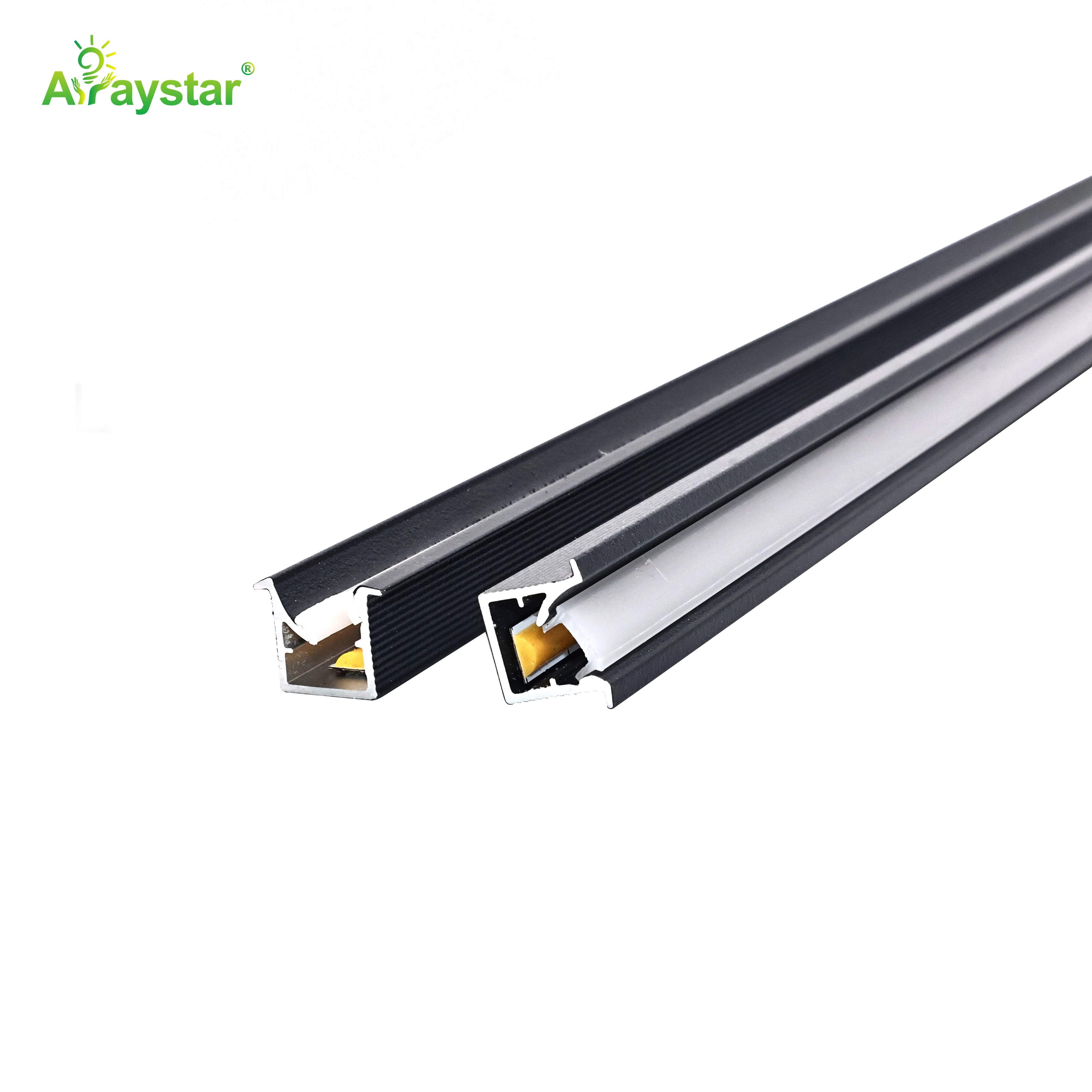
Explore our high-quality LED strip solutions.
Frequently Asked Questions
Find answers to common questions about LED strips.
❓ What should I consider before buying aluminum channels for neon flex?
Key factors include: required brightness (lumens/m), color temperature, voltage (12V/24V/48V), IP rating for environment, LED density, CRI requirement, dimming compatibility, and total run length. Calculate total wattage to size your power supply correctly.
❓ How do I calculate the power supply size for aluminum channels for neon flex?
Multiply the strip's wattage per meter by total length, then add 20% headroom. For example: 5m × 14.4W/m = 72W + 20% = 86.4W, so choose a 100W power supply. Always use a power supply rated for LED applications.
❓ How do I dim aluminum channels for neon flex?
Multiple dimming options available: 0-10V, PWM, TRIAC, DALI, DMX512, and wireless (WiFi/Zigbee/Bluetooth). Ensure your dimmer is compatible with the strip's voltage and current. COB strips dim especially smoothly due to uniform light output.
❓ What is the maximum run length for aluminum channels for neon flex?
This depends on voltage and copper weight. 12V strips typically max 5m, 24V up to 10m, 48V up to 20m. For longer runs, use power injection at both ends or intermediate points to prevent voltage drop and color shift.
❓ Can aluminum channels for neon flex be used outdoors?
Only IP65 or higher rated strips are suitable for outdoor use. IP65 for covered/splash areas, IP67 for exposed outdoor, IP68 for underwater/submersion. Always use waterproof connectors and properly seal all connections for outdoor installations.
Conclusion
LED strip color temperature (measured in Kelvin, K) determines the warmth or coolness of light: 2700K-3000K warm white creates cozy, relaxing atmospheres ideal for bedrooms, living rooms, and restaurants; 3500K-4000K neutral white provides balanced, natural light for kitchens, bathrooms, offices, and retail; 5000K-6500K cool white delivers bright, alert light for workshops, garages, hospitals, and task areas. Choose based on room purpose, desired mood, existing decor, and time of day. When in doubt, 3000K for living spaces and 4000K for work spaces are safe choices. Tunable white strips (2700K-6500K) offer maximum flexibility for any space.
Ready to Start Your LED Strip Project?
Contact Arraystar LED for free technical consultation and custom quotes.
Get a Free Quote →About the Manufacturer
ArrayStar LED is a professional LED strip manufacturer in Shenzhen, China since 2010, serving 80+ countries. We support custom OEM/ODM projects (custom CCT, CRI, PCB, logo, packaging) and wholesale supply for distributors and contractors worldwide.