
LED Strip Factory Audit Checklist: What to Verify Before You Place a Bulk Order
- 2026-09-29 12:08
- /
- Arraystar LED
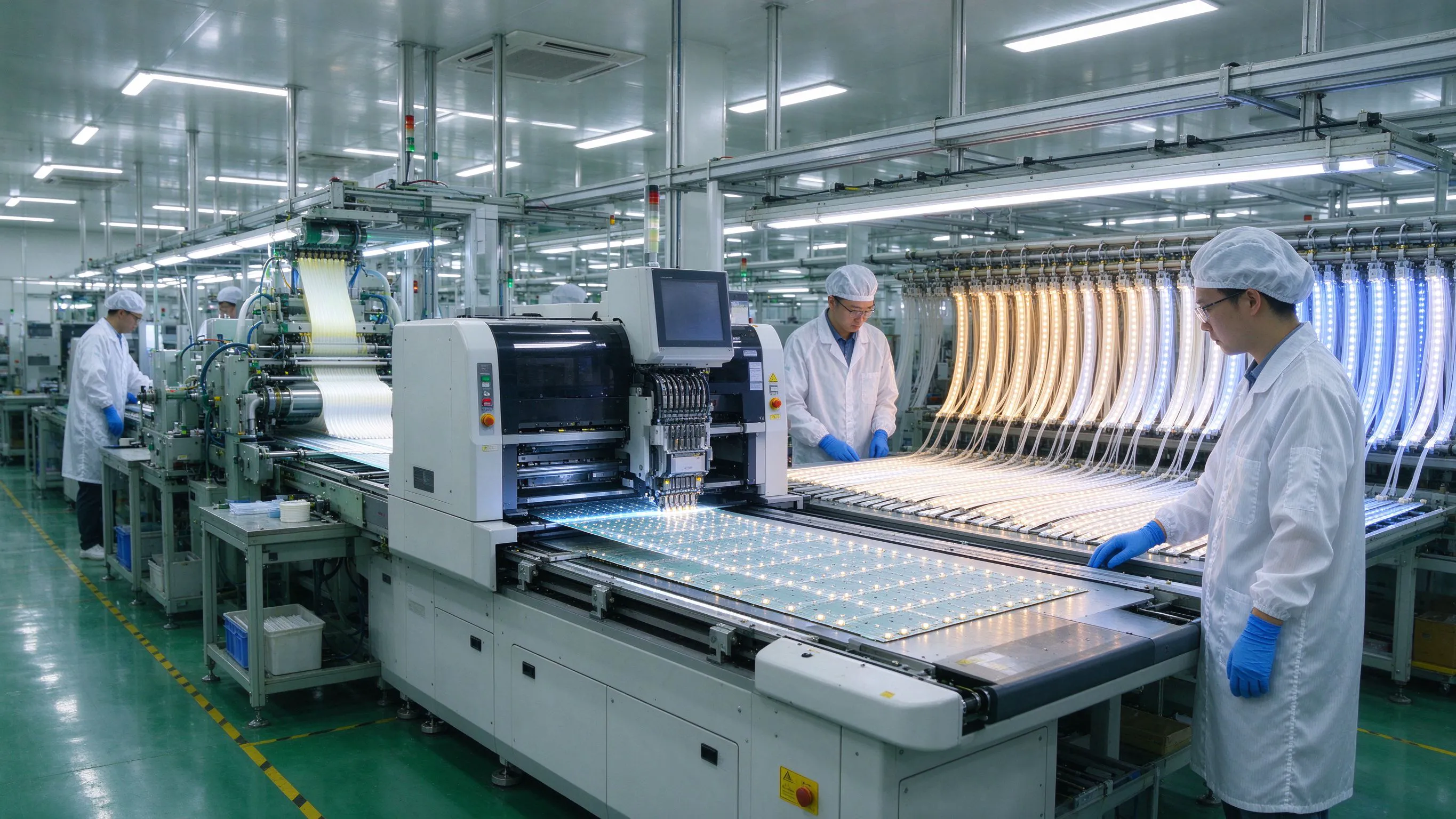
Samples tell you how good a supplier can look; an audit tells you how consistent they actually are. A real LED strip maker owns extrusion/SMT or assembly lines, bins color, tests in-line and ages product, and can show traceability from raw material to shipment. Traders show you a showroom and a price list. This checklist is what to verify on a visit or video audit before you commit to a volume order.
Why a Sample Can't Tell You Everything
A hand-picked sample is almost always excellent - it's the best 5 meters in the building. What determines your experience on a 5,000-meter order is process consistency: whether binning, soldering, extrusion and testing are controlled on every reel, every week. That capability lives in the production line and the quality system, which is exactly what a factory audit examines. The goal is to separate manufacturers with real process control from trading companies that resell someone else's tape.
Production Capability: Do They Actually Make It?
Establish what the factory genuinely produces versus buys in. For LED strip, the telling capabilities are SMT pick-and-place for SMD lines, die-bonding/encapsulation or silicone extrusion for COB and neon, tooling for aluminum profiles, and in-house assembly. A maker of solid-silicone-extrusion COB and molded neon has invested in extrusion lines and tooling that a trader cannot replicate.
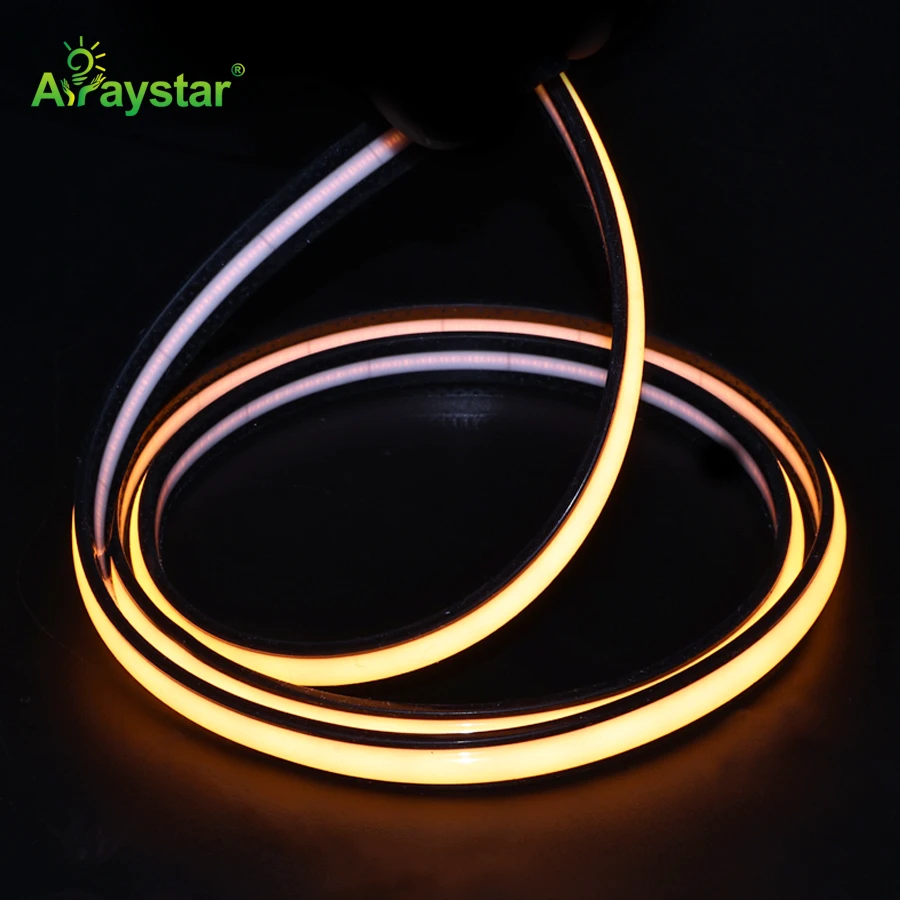
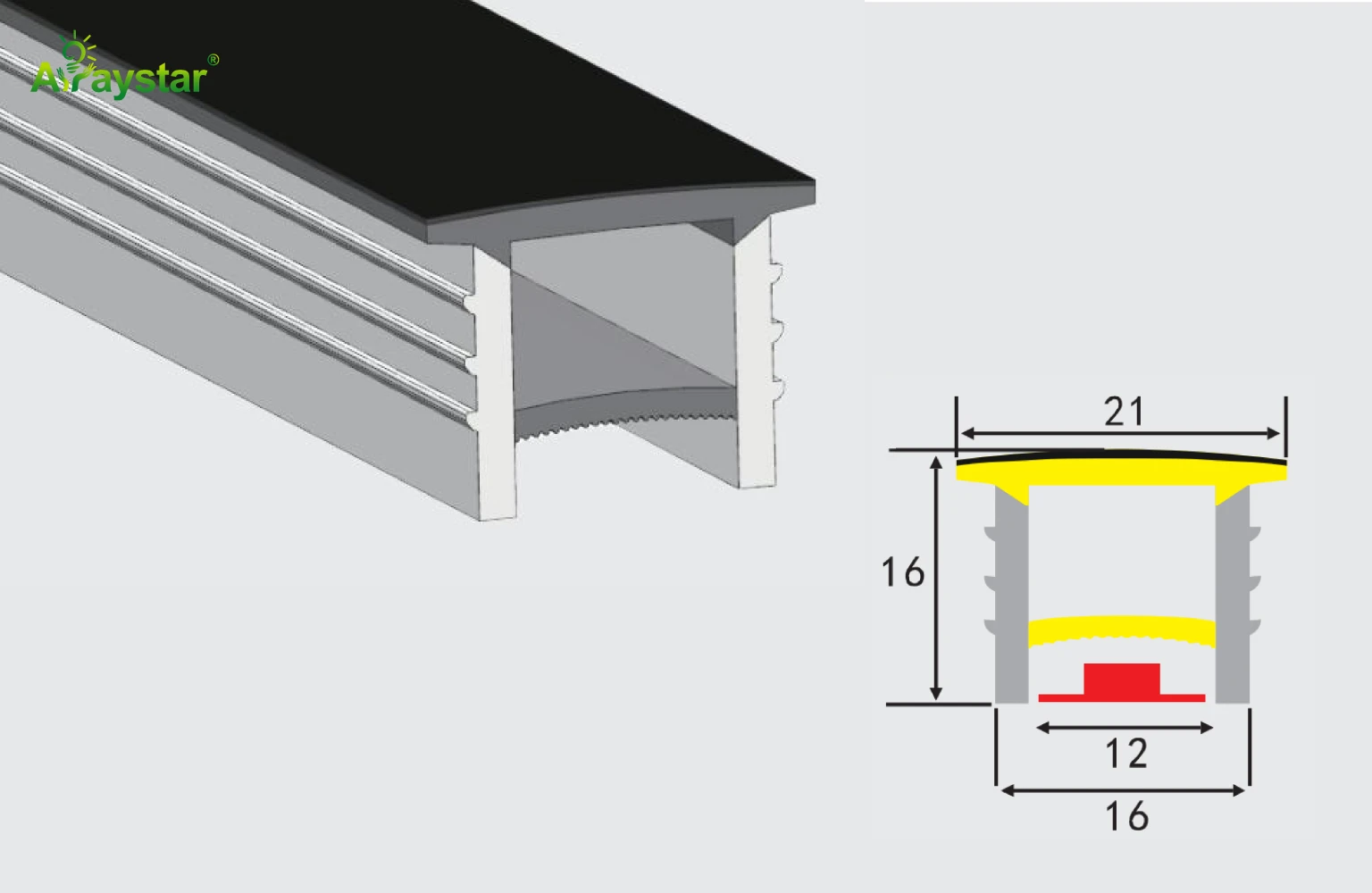
- Ask which processes are in-house (SMT, extrusion, molding, assembly) vs outsourced.
- See the lines running, not just finished reels on a shelf.
- Check equipment age, maintenance and whether capacity matches their claimed output.
- Look for tooling and extrusion capability for COB, neon and profiles.
Quality Systems: Binning, In-Line Test and Aging
Consistency is controlled at specific points. Watch for color binning (so reels match in CCT), in-line electrical and optical testing, solder-paste and reflow control for SMD, and an aging (burn-in) room where finished reels run lit to catch early failures. A factory that can show spectroradiometer/integrating-sphere test equipment and actual test records is in a different league from one that only does a visual plug-in check.
Process points to inspect and their warning signs.
| Process point | What to verify | Red flag |
|---|---|---|
| Color binning | CCT/flux bins, reel labeling | No bin control, shade varies |
| SMT / soldering | Reflow profiles, AOI or inspection | Hand-soldered, cold joints |
| Extrusion/encapsulation | Consistent cross-section, no voids | Bubbles, uneven silicone |
| In-line test | Electrical + optical checks | Plug-and-look only |
| Aging / burn-in | Lit burn-in room, logged hours | No aging step at all |
| IP sealing | Pressure/water test for IP67/68 | Claims IP with no test |
R&D, Tooling and Customization Depth
A genuine manufacturer can change PCB width, copper weight, LED density, color, IP rating and profile tooling for you, and can explain the engineering trade-offs. Ask to see custom projects in progress and the engineering team. The ability to produce optical-lens aluminum profiles and custom neon cross-sections signals precision extrusion and design capability that resellers simply don't have.
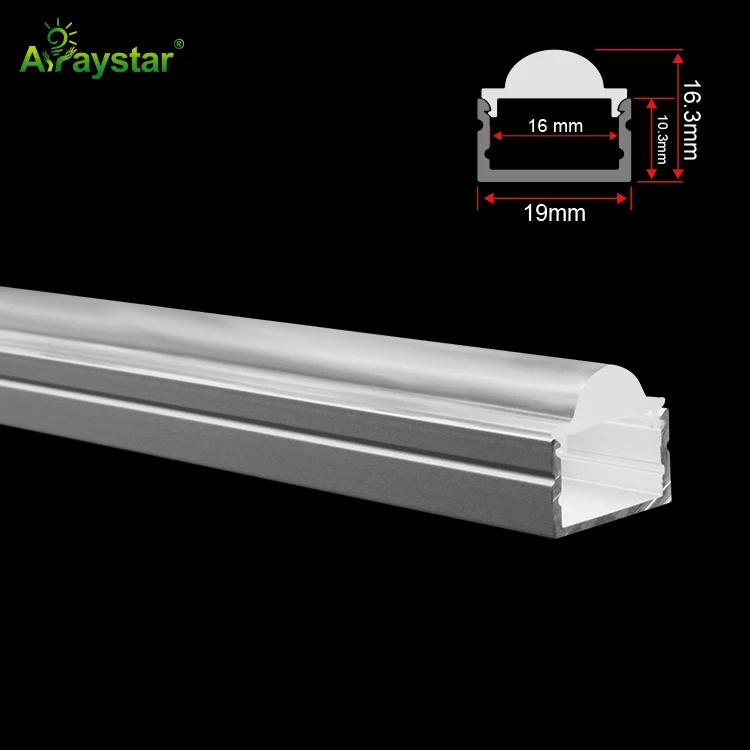
- Can they quote custom PCB width, copper thickness, density and CCT?
- Is there an engineering/R&D team and CAD/optical design capability?
- Do they hold tooling for profiles and neon, or only sell standard catalog items?
- Ask how they handle a spec change or a non-standard order.
Traceability, Materials and Documentation
Walk a reel backward: can they show which LED chip batch, PCB lot and driver/encapsulant went into it, and the test records? Traceability matters when a field issue needs root-causing. Verify the branded components they claim (chip maker, phosphor, silicone) and be alert to substitution. Request real test reports - CRI/TM-30 spectra, IP test, LM-80/temperature data - rather than marketing spec sheets.
- Lot/batch traceability from finished reel to raw materials.
- Genuine component sourcing records (chips, PCB copper, silicone).
- Spectroradiometer/integrating-sphere and IP test reports with dates.
- Consistent certificates (UL/ETL/CE/RoHS) tied to actual models.
- Warranty terms backed by documented failure-rate and aging data.
Facility, Scale and the Human Signals
The physical walk tells a story. Note housekeeping and ESD protection on the line, the size and organization of the warehouse, how finished goods are packed and labeled, and whether the scale you see matches the volume they claim to ship. Talk to line staff and quality engineers - a trader posing as a factory can't answer detailed process questions, and a showroom-only 'factory tour' that never reaches production is the classic tell.
- ESD protection, clean organized lines, controlled materials storage.
- Warehouse throughput and finished-goods volume consistent with claims.
- Packaging, labeling and reel protection suitable for export.
- Engineers who can answer process questions, not only salespeople.
- If you can't visit, do a live video audit walking the full line in real time.
A Tight Audit Checklist You Can Run on Site or Video
- Confirm business license, export history and that the address matches production.
- Verify in-house SMT/extrusion/assembly vs traded-in finished goods.
- Watch color binning, in-line test and the aging room in operation.
- Inspect optical/test equipment and review dated test records.
- Review custom/tooling capability and meet the engineering team.
- Trace one reel back to raw-material batches and certificates.
- Check ESD, housekeeping, warehouse scale and export packaging.
- Collect written specs, reports and warranty terms for your exact SKU.
- Compare what you saw with the samples and the quoted specifications.
Recommended Products
Frequently Asked Questions
How do I verify an LED strip manufacturer is a real factory?
Visit or do a live video audit that reaches the actual production line, and verify in-house SMT, extrusion or assembly capability, color binning, in-line testing and an aging room, plus traceability from a finished reel to raw materials and engineers who can answer process questions. A showroom-only tour with no running production usually indicates a trader.
What should I check in an LED factory quality audit?
Check color binning and reel labeling, reflow/soldering control, extrusion consistency, in-line electrical and optical test equipment with dated records, a lit aging/burn-in room, IP testing for waterproof product, lot traceability, genuine component sourcing and valid certificates tied to the actual models.
What's the difference between an LED factory and a trading company?
A factory owns production lines (SMT, extrusion, assembly), controls binning and testing, can customize PCB/tooling and provides batch traceability; a trading company resells finished reels, shows a showroom rather than running lines, and can't answer detailed process or customization questions. Audit the line, not the catalog.
Can I audit an LED supplier remotely by video?
Yes, if the call is live and unscripted - ask them to walk from goods-in through SMT/extrusion, in-line test, the aging room and warehousing in real time, show equipment and test records, and answer process questions on the spot. Pre-recorded clips or a camera confined to a showroom aren't a substitute.
Which documents prove LED strip quality before a bulk order?
Request dated spectroradiometer/integrating-sphere reports (CRI/TM-30, CCT, flux), LM-80/temperature data, IP test results for waterproof lines, safety certificates (UL/ETL/CE) verified against the model, lot traceability records, and written warranty and defect-rate terms - then confirm production samples match the certified design.
Need help with your LED project?
Get factory-direct pricing, free samples and engineering support within 24 hours.
Email: info@arraystarled.com | Phone: +86-0755-2103-6746 | WhatsApp: 0086 1581 8514 077
Need to size your power supply? Use our LED Strip Power Calculator to find the right driver in seconds.







