
UL, ETL, cUL & FCC for LED Strips: North American Certification, Explained for Importers
- 2026-09-29 12:08
- /
- Arraystar LED
North American projects don't just ask 'is it CE/RoHS?' - they need safety recognition (UL or ETL/cUL), electromagnetic compliance (FCC) and, for Canada, cUL/cETL. The mark has to cover the complete system (strip, driver and controls), be issued by an accredited lab, and be verifiable online. Specifying listed components and 110V-rated product up front prevents the most common reason a shipment gets held or a job fails inspection.

The Marks That Actually Matter in the US and Canada
Europe leans on CE and directives; North America uses Nationally Recognized Testing Laboratory (NRTL) certification. UL is an NRTL and also a standard; ETL (Intertek) is another NRTL - both test to the same UL safety standards, so a product 'ETL listed' to the relevant UL standard is broadly equivalent in safety recognition to 'UL listed'. For Canada you need the cUL or cETL mark showing compliance to Canadian standards; FCC covers electromagnetic compatibility for electronic drivers and controllers.
Which mark means what in North America.
| Mark / body | Covers | Market |
|---|---|---|
| UL listed | Safety to UL standards (NRTL) | USA |
| ETL listed (Intertek) | Safety to same UL standards (NRTL) | USA |
| cUL / cETL | Canadian safety standards | Canada |
| FCC | EMC / radio interference (electronics) | USA |
| RoHS/CE | EU material/emissions directives | Europe (not a US safety mark) |
UL vs ETL: They're Closer Than People Think
A common question is whether UL is 'better' than ETL. Both are NRTLs recognized by OSHA, and both can certify a product to the same UL safety standard - UL isn't only tested by UL. What matters for an inspector or specifier is that a recognized NRTL mark is present, that it covers the actual product, and that it's currently valid (listings can lapse). Some specs name UL specifically; in that case check whether an ETL equivalent is accepted.
- Look for an NRTL mark (UL, ETL, or others) tied to the correct UL standard.
- Verify the listing number in the NRTL's online database - fakes exist.
- Confirm the mark covers the exact model and its rated voltage/wattage.
- For Canada, require the cUL/cETL version, not just the US mark.
The System, Not Just the Strip, Has to Be Listed
Inspectors and electrical codes care about the complete installation. A listed strip powered by an unlisted driver, or a listed driver with unlisted controls, can fail inspection regardless of the strip's own paperwork. In practice, buyers often pair listed/recognized strip with listed class-2 drivers and controls. External power supplies are the component most frequently cited - they carry the mains connection and need their own recognized safety certification.
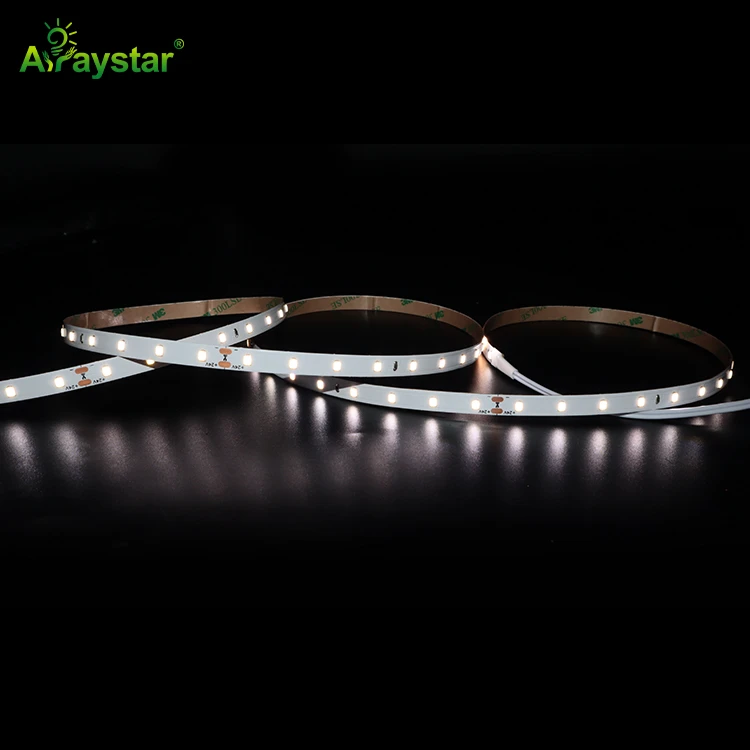
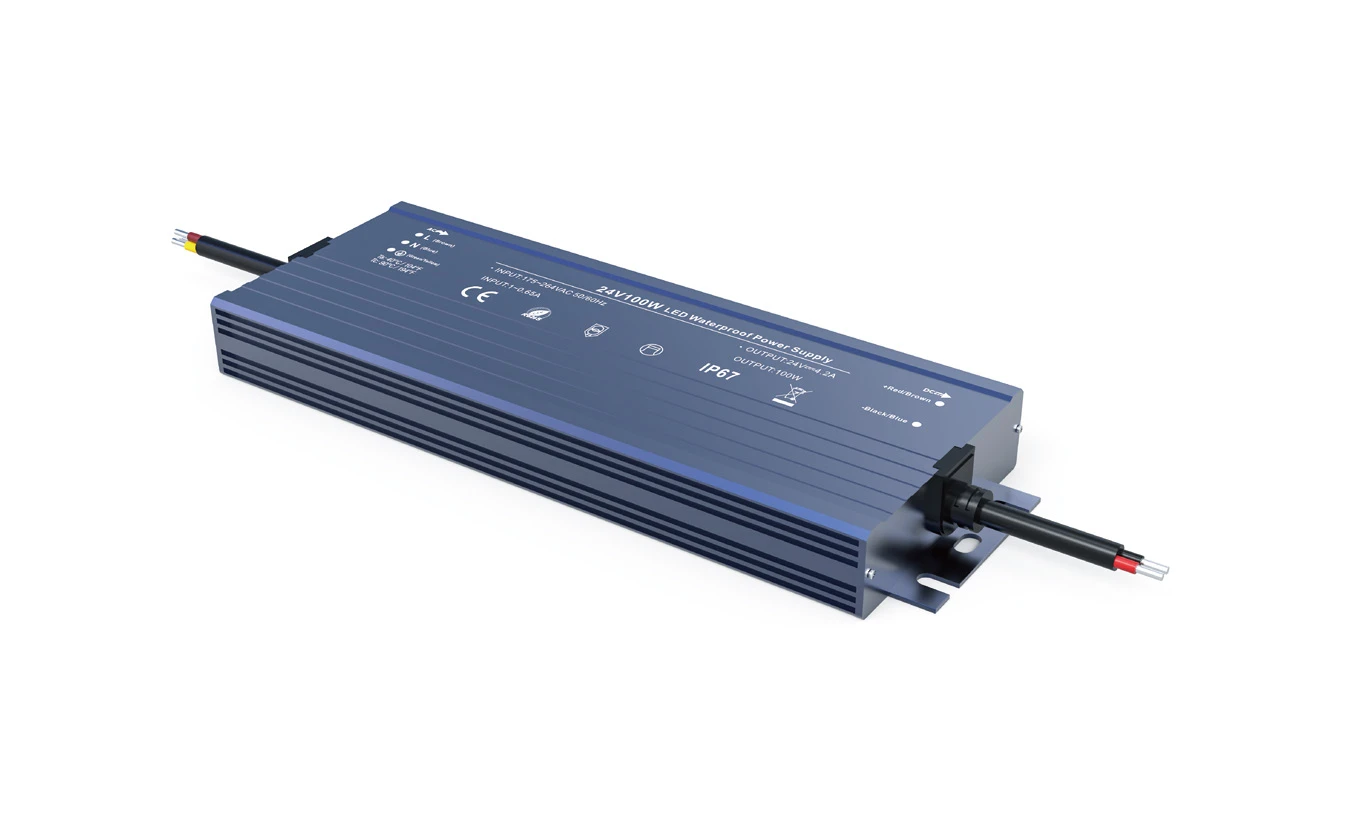
- Specify listed/recognized strip, driver and controls as a matched system.
- Class 2 / low-voltage drivers simplify code requirements in many installations.
- Keep datasheets and listing numbers on file for the electrical inspector.
- Don't mix a certified driver with random unmarked high-voltage accessories.
FCC: The Electronic Compliance Most Buyers Forget
Anything with switching electronics - LED drivers, dimmable power supplies, WiFi/DMX controllers - can emit radio-frequency interference and falls under FCC rules (typically a Supplier's Declaration of Conformity for unintentional radiators). The strip itself is passive, but the driver and controller are not. Missing FCC documentation on electronic components is a frequent hold-up for goods entering the US market even when safety marks are present.
- Drivers and smart controllers need FCC compliance documentation.
- Request FCC SDoC/test reports along with safety certificates.
- Poorly designed drivers can interfere with audio/AV and radio gear.
110V vs 220V: Matching the North American Grid
North America runs nominally 120V (60Hz), not 230V/50Hz like much of the world. For line-voltage strip or high-voltage neon, specify the 110/120V versions; using a 220V product on a US circuit simply won't work, while the wrong-frequency or wrong-voltage driver can fail. Most low-voltage strip is voltage-agnostic because it runs off a driver, but that driver must be rated for 120V input and carry the proper marks.
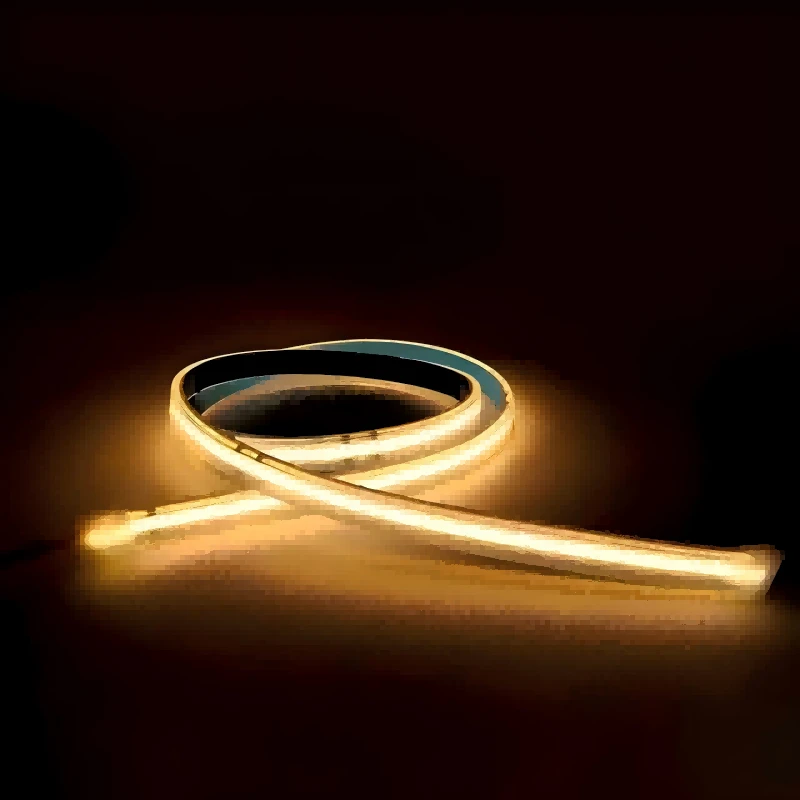
- Specify 110/120V high-voltage strip/neon for direct line-voltage installs.
- Low-voltage strip needs a 120V-input, listed driver - the strip itself isn't connected to mains.
- Confirm 60Hz compatibility on any integrated driver or controller.
Verifying a Supplier's Certificates Are Real
Certificates are easy to Photoshop and frequently shared or expired. Protect yourself by asking for the listing number and checking it in the NRTL's public online certification directory, confirming the listed manufacturer and model match the product, and matching production samples to the certified design. For repeat orders, confirm the listing is still active and that components (driver brand, chip) haven't been substituted after certification.
- Verify every listing number in the UL/Intertek online database.
- Match company name, model, ratings and standard on the certificate.
- Watch for component substitution after certification (different driver/PCB).
- Request test reports, not just a one-page certificate image.
- For large projects, ask the NRTL or inspector what documentation they accept.
Recommended Products
Frequently Asked Questions
Do LED strips need UL or ETL certification in the USA?
Permanent and commercial installations generally require components recognized by an NRTL such as UL or ETL to the relevant UL safety standard, and crucially the complete system - strip, driver and controls - should be listed/recognized. ETL and UL both test to the same UL standards, so a valid ETL listing is broadly equivalent; verify the mark online.
What's the difference between UL and ETL?
Both are OSHA-recognized NRTLs that can certify products to the same UL safety standards; UL is both a standards body and a tester, while ETL is Intertek's testing mark. Inspectors care that a recognized, valid mark covers the actual product, not which NRTL issued it, unless a spec explicitly requires UL.
Does my LED driver need separate certification?
Yes. The external power supply connects to mains and needs its own NRTL safety listing (and FCC documentation as an electronic device); a listed strip with an unlisted driver can still fail inspection. Specify listed Class 2 drivers and controls as a matched, documented system.
What certification is needed for LED products in Canada?
Canada requires the cUL or cETL mark showing certification to Canadian safety standards (not just the US mark), alongside the relevant electromagnetic compliance. A US-only UL/ETL mark doesn't by itself satisfy Canadian requirements, so specify the Canadian variant when ordering for projects in Canada.
Can I use 220V LED strip in the USA?
Not directly - North America is nominally 120V/60Hz, so specify 110/120V line-voltage strip or neon. Low-voltage 12/24V strip is fine anywhere because it runs through a driver, but that driver must accept 120V input and carry the proper NRTL and FCC marks.
Need help with your LED project?
Get factory-direct pricing, free samples and engineering support within 24 hours.
Email: info@arraystarled.com | Phone: +86-0755-2103-6746 | WhatsApp: 0086 1581 8514 077
Need to size your power supply? Use our LED Strip Power Calculator to find the right driver in seconds.







