LED Strip for Staircase and Step Lighting: Safety and Style Guide
- 2026-09-09 15:56
- /
- Arraystar
Quick Answer
For staircase and step lighting, use low-profile LED strips with warm white (2700K-3000K) for safe, inviting illumination. Install strips under step nosings (overhang) for downward wash light, or in riser channels for vertical illumination. Use motion sensors or dusk-to-dawn timers for automatic operation, and dimmers for adjustable brightness. IP44+ rated strips for durability, and aluminum channels for protection and professional finish. Proper step lighting improves safety by illuminating each step, reduces tripping hazards, and creates elegant ambiance.
Why Staircase Lighting Matters
Staircase lighting is both a safety feature and a design element. Safety: Illuminating each step clearly reduces tripping and falling hazards, especially at night or for visitors unfamiliar with the space. Style: LED strip lighting creates elegant, modern ambiance, highlighting architectural features and creating a focal point. Energy efficiency: LED strips use minimal energy, making 24/7 or nightly operation affordable. Convenience: Automatic sensors and timers provide hands-free operation. Staircase lighting is one of the most impactful and affordable lighting upgrades for any home or commercial space.
Installation Methods
1) Under-nosing (most popular): Install LED strip under the overhanging lip of each step (the nosing). Light washes downward onto the tread below, creating a beautiful, even glow. Use low-profile COB strips in thin aluminum channels. This is the most popular and elegant method. 2) Riser mounting: Install strips on the vertical riser of each step, either at the top (shining down) or bottom (shining up onto riser above). Creates a different visual effect. 3) Side channel: Install strips in channels along the side of stairs or handrail, illuminating steps from the side. 4) Recessed: Cut grooves into steps or risers and recess strips for a seamless, flush appearance. Requires more installation work but provides the cleanest look. 5) Handrail lighting: Install strips under handrails for both illumination and safety support. Tips: Ensure strips are hidden from direct view—you should see the light, not the source. Use diffusers to spread light evenly. Ensure consistent spacing and alignment for professional appearance.
Control and Automation
1) Motion sensors: Install motion sensors at top and bottom of stairs to automatically turn lights on when someone approaches, and off after a set time (30 seconds to 5 minutes). Most convenient and energy-efficient option. 2) Dusk-to-dawn timer: Use a photocell timer to turn lights on at dusk and off at dawn. Provides consistent nightly illumination without manual operation. 3) Smart control: Use WiFi smart controllers for app control, scheduling, and voice control (Alexa/Google). Set custom schedules and scenes. 4) Dimmers: Install dimmers to adjust brightness—bright for safety, dim for ambiance. 5) Switch control: Simple wall switch at top and/or bottom of stairs for manual control. 6) Emergency lighting: Connect to emergency power circuit for power outage safety. Control tips: Use motion sensors with adjustable delay (1-5 minutes) to balance convenience and energy savings. For smart control, ensure WiFi coverage reaches staircase area. Consider battery-powered or low-voltage systems for easy installation without electrician.
Safety and Code Considerations
1) Low voltage: Use 12V or 24V DC LED strips for safety, especially in areas accessible to children. Low voltage is not lethal under normal conditions. 2) Proper wiring: Ensure all wiring is properly secured, insulated, and protected from damage. Use conduit or cable raceways where wires are exposed. 3) No trip hazards: Ensure strips, channels, and wires don't create tripping hazards on steps. Keep walking surfaces clear. 4) Glare control: Position strips to avoid direct glare into eyes—light should be directed downward or diffused. 5) Building codes: Follow local electrical codes and regulations. In some regions, stair lighting may have specific requirements (minimum illumination levels, emergency lighting, etc.). 6) Professional installation: For hardwired installations, consider hiring a licensed electrician. Many regions require electrical work to be performed by licensed professionals. 7) Waterproofing: For outdoor stairs, use IP65+ rated strips and waterproof connections. Ensure all connections are properly sealed. 8) Heat management: Ensure strips have adequate ventilation and heat sinking, especially if installed in enclosed channels. Quality strips with proper installation run cool and safe.
Staircase Lighting Product Guide
| Factor | Option A | Option B |
|---|---|---|
| Brightness | Medium-High | High |
| Efficiency | Good | Excellent |
| Cost | Lower | Higher |
| Best For | General applications | Premium installations |
Recommended Products
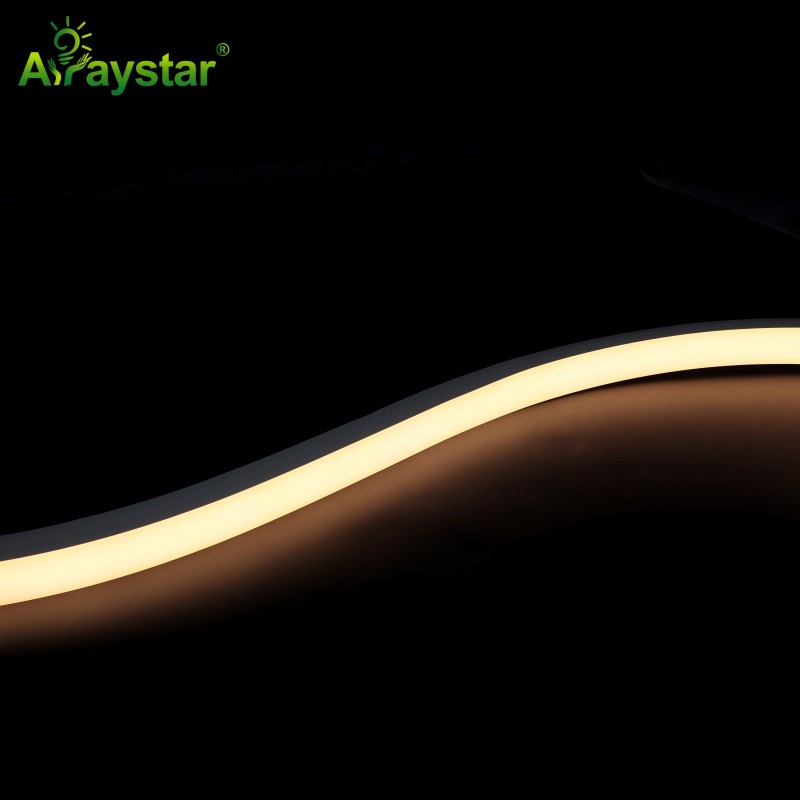
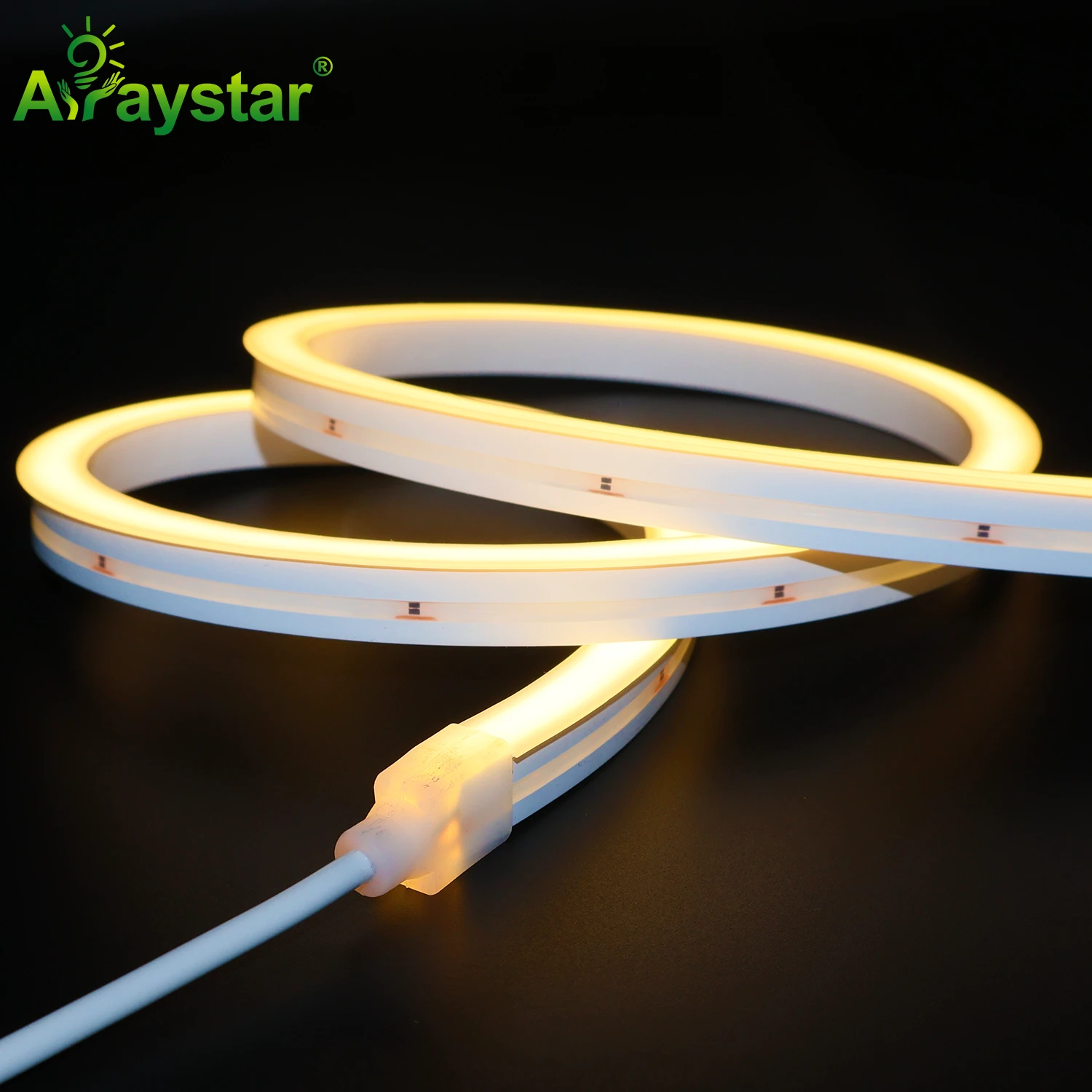
ART-NT20-02
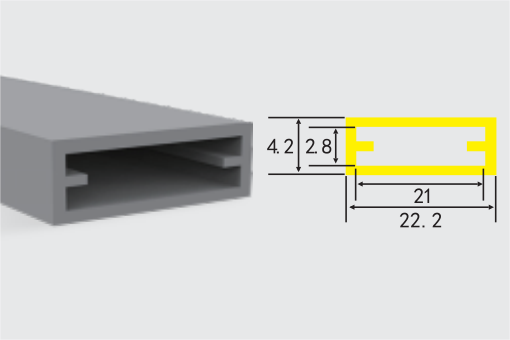
Professional common led strip neon tube from Arraystar LED, manufactured with premium quality components and backed by our 3-year warranty.
COB LED Strip Light 480LED 10mm
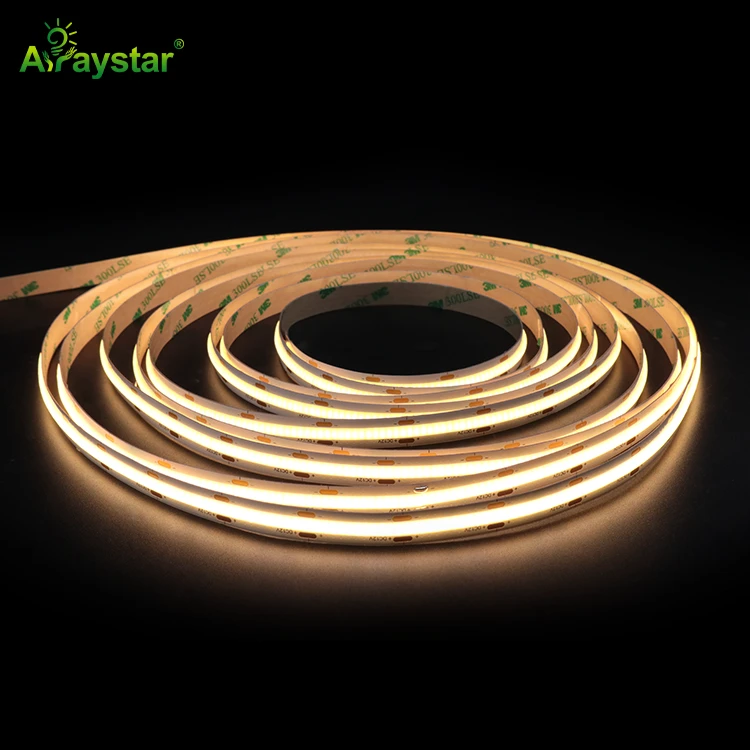
Model Voltage Power LED Type CCT/Color LED Qty/m Cut Size IP Rating CRI Lumen(lm/W) COB Light Strip 12V DC 12V 14.4 W/m COB LED 2700K 480 LEDs/m 25mm IP20/IP54/IP65/IP67 >95 90~100 lm/W COB Light
Frequently Asked Questions
Q: Can common led strip neon tube be customized for large projects?
A: Yes, we specialize in commercial and industrial projects. Custom options include specific color temperatures (2700K-6500K), CRI 90+, custom lengths, specialized connectors, and private labeling. Contact our project team for volume pricing and custom solutions.
Q: What is the typical lead time for common led strip neon tube?
A: Standard products: 3-7 working days. Custom orders: 15-25 working days depending on specifications and quantity. We maintain substantial inventory for popular products to support urgent project requirements.
Q: What makes common led strip neon tube suitable for this application?
A: Our common led strip neon tube are specifically engineered for professional installations with high-quality LEDs, thick copper PCBs for reliable current distribution, and consistent color binning. We offer 3-year warranty and technical support for project specifications.
Q: Do you provide installation support for common led strip neon tube?
A: Yes, we offer comprehensive installation guides, wiring diagrams, and technical support. For large projects, our engineering team can provide detailed installation plans and remote troubleshooting support.
Q: Are common led strip neon tube compliant with local regulations?
A: All products meet CE, RoHS, and ERP standards. We can provide test reports and documentation for project compliance. For specific markets (UL for North America, PSE for Japan, etc.), contact our sales team for certified product options.
Conclusion
For staircase and step lighting, use low-profile LED strips with warm white (2700K-3000K) for safe, inviting illumination. Install strips under step nosings (overhang) for downward wash light, or in riser channels for vertical illumination. Use motion sensors or dusk-to-dawn timers for automatic operation, and dimmers for adjustable brightness. IP44+ rated strips for durability, and aluminum channels for protection and professional finish. Proper step lighting improves safety by illuminating each step, reduces tripping hazards, and creates elegant ambiance. Arraystar LED offers 15+ years of LED strip manufacturing experience with full OEM/ODM capabilities, CE/RoHS/ERP certification, and 3-year warranty. Contact our team for a free consultation and custom quote for your project.
Ready to start your project? Contact us today for expert guidance and competitive pricing.
About the Manufacturer
ArrayStar LED is a professional LED strip manufacturer in Shenzhen, China since 2010, serving 80+ countries. We support custom OEM/ODM projects (custom CCT, CRI, PCB, logo, packaging) and wholesale supply for distributors and contractors worldwide.