LED Strip Fuse & Circuit Protection Sizing Guide
- 2026-09-18 18:12
- /
- Arraystar
Quick Answer
Protect every LED strip circuit with a fuse or breaker rated at roughly 1.25–1.5× the branch current (amps = watts ÷ volts). Use an inline fuse holder on the + feed, an MCB or GFCI/RCD on the mains side, and never replace a fuse with a bigger one — that defeats the protection.
📑 Table of Contents
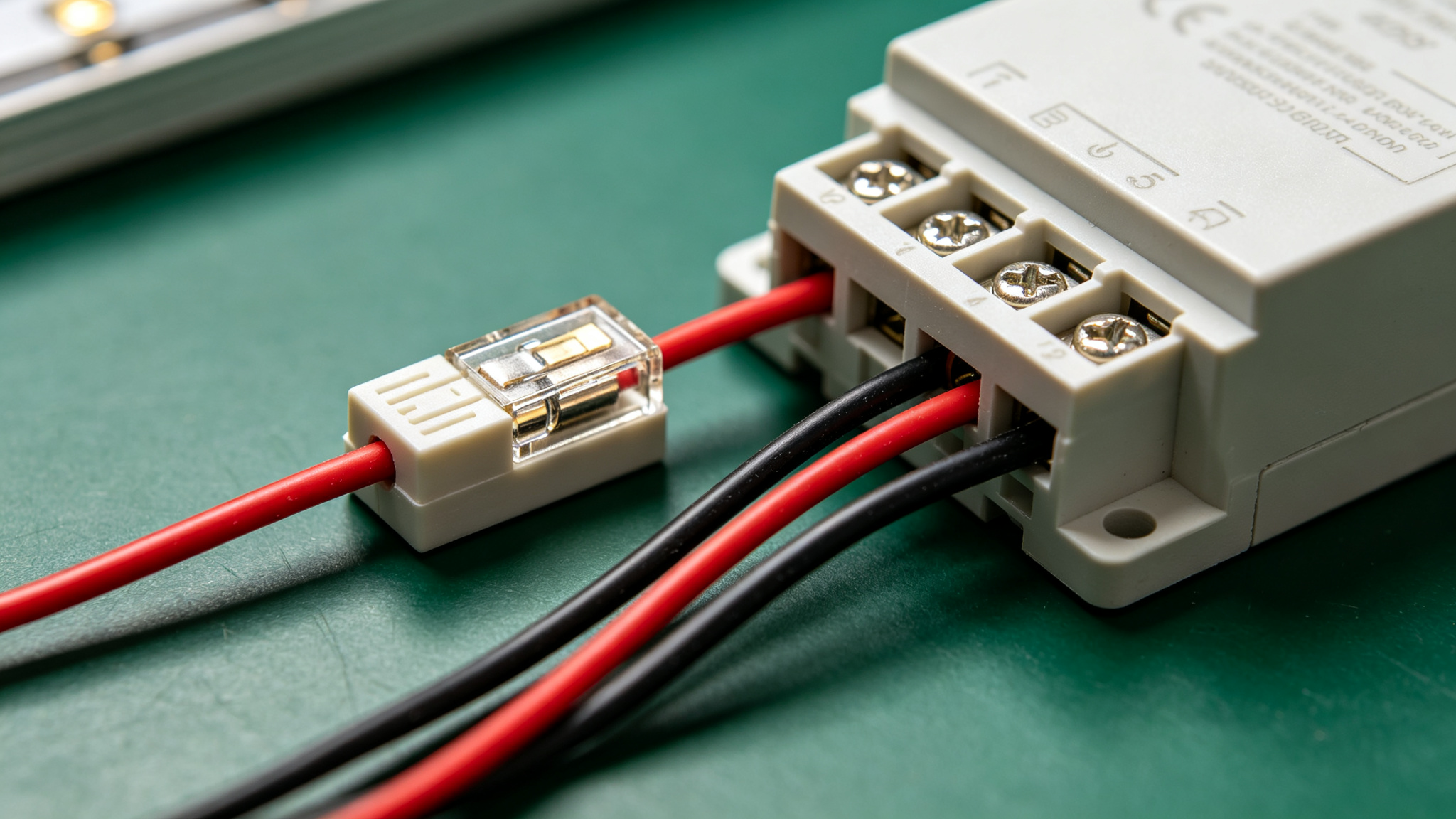
A properly sized inline fuse is the cheapest insurance a lighting circuit can buy.
Why LED Strip Circuits Need Fuses
LED drivers convert mains to low-voltage DC, but a short circuit — a pinched wire, a damp cut end, an accidental −/+ contact — can draw a heavy fault current and heat up cables fast. A fuse or breaker is the weak link that melts or trips before the cable, driver or strip becomes a fire risk. It also isolates a fault to one branch, so a single short does not shut the whole job down. For the wider safety picture, read are LED strips safe.
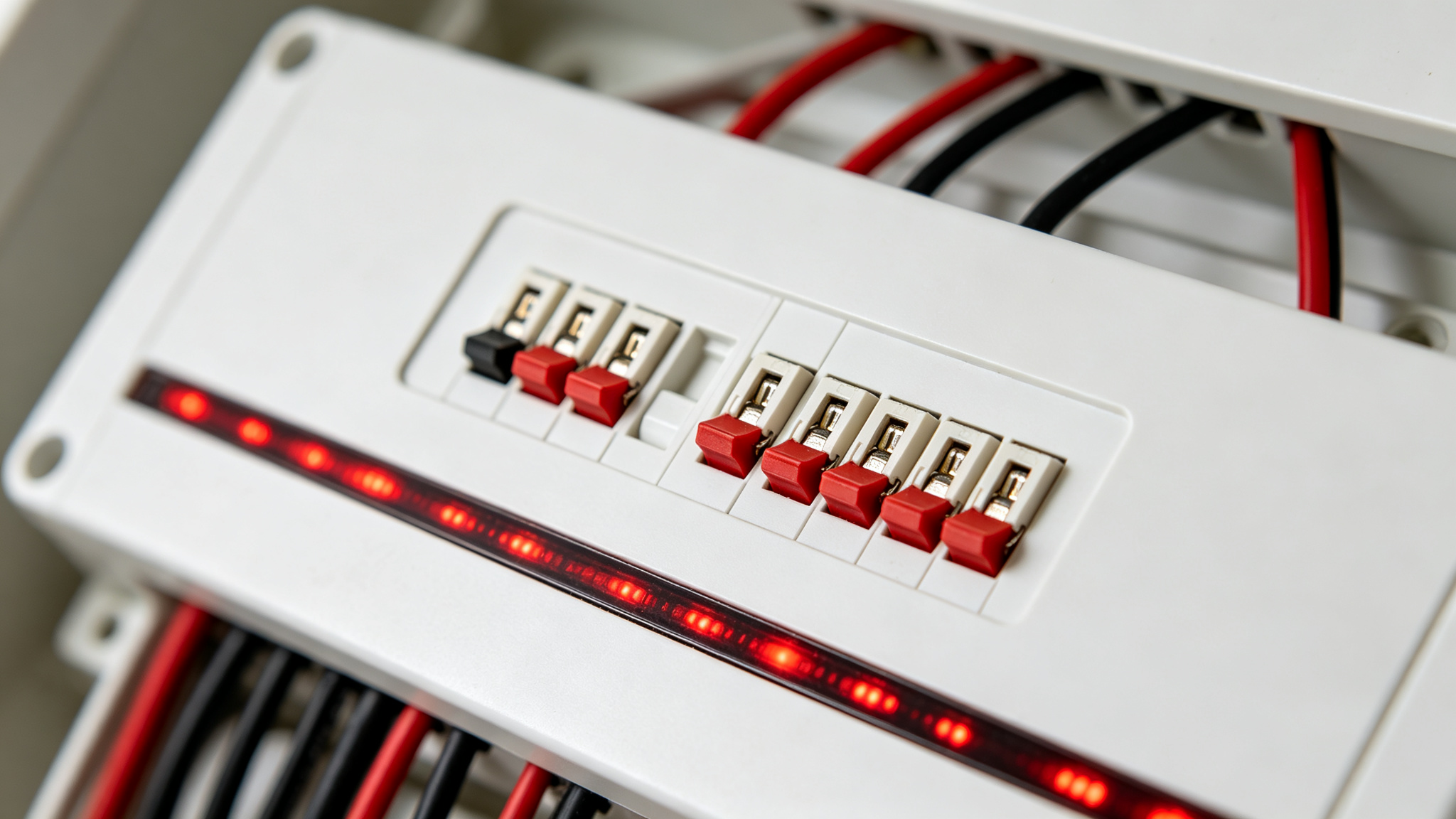
A fused distribution board gives each branch its own protection — fault on one line, not the whole project.
How to Size a Fuse or Breaker: the Formula
First find the branch current: I = total branch watts ÷ supply volts. Then multiply by roughly 1.25–1.5× to leave headroom for inrush and voltage tolerance, and round up to the next standard fuse rating. Example: a 24 V branch drawing 96 W is 4 A; ×1.25 = 5 A → use a 5 A fuse. On a 12 V 96 W branch the current is 8 A; ×1.25 = 10 A → use a 10 A fuse. This is the same current number that drives cable gauge, so cross-check it with our wattage and cable guide.
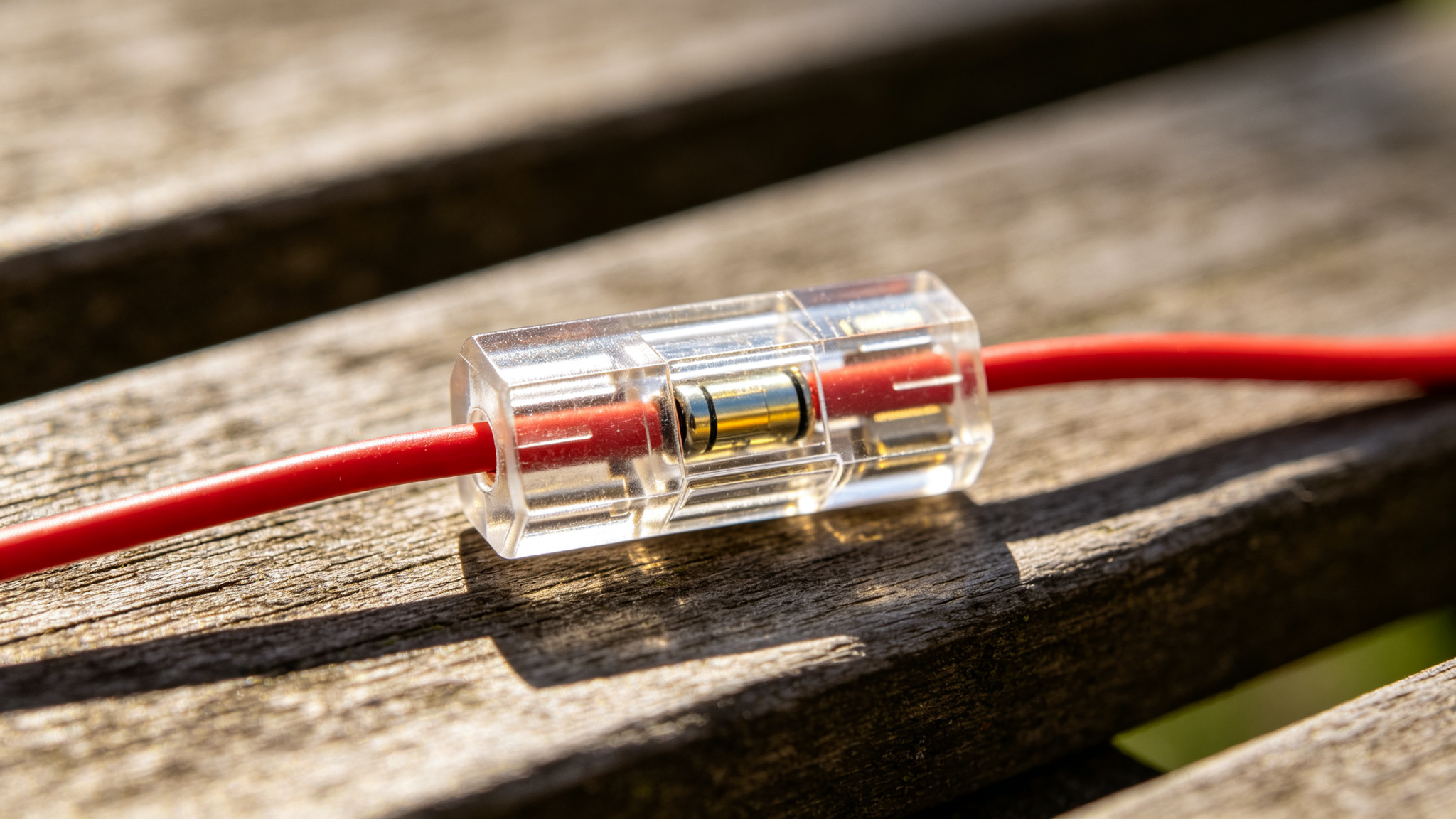
An inline fuse holder on the positive rail is the standard protection point between driver and strip.
Rule of thumb: fuse rating ≈ 1.25× branch amps. If a fuse keeps blowing, do not upgrade it — find the short or overload. A fuse that never blows is doing its job invisibly.
Protection Devices: Fuses, MCBs and RCD/GFCI
Use protection at two levels. On the DC side, an inline automotive-style blade fuse or a fused distribution block sits between driver and strips, sized per branch. On the mains (AC) side, an MCB protects the circuit wiring, and an RCD/GFCI trips on earth fault — mandatory outdoors and in wet areas. Always put the fuse on the positive (+) conductor and use a fuse rated for DC. For dimmable systems, see the dimming guide for control-side notes.
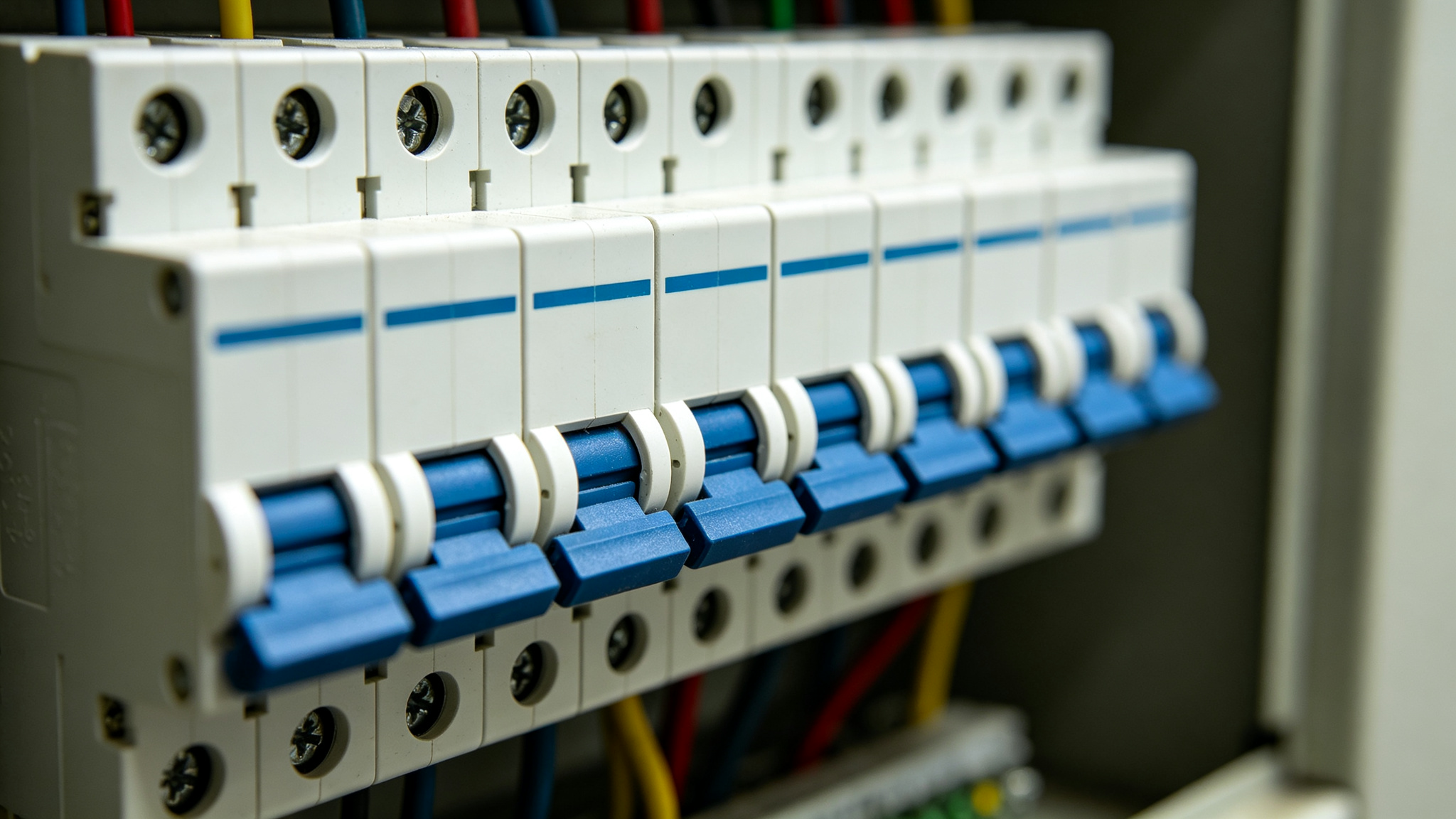
MCBs on the AC side protect the fixed wiring; RCD/GFCI adds shock protection on outdoor and wet circuits.
Fuse Size by Wattage and Voltage: Quick Table
| Branch Load | 12 V Current | 24 V Current | Suggested Fuse (1.25×) |
|---|---|---|---|
| 60 W | 5.0 A | 2.5 A | 12V: 7.5A | 24V: 3A |
| 100 W | 8.3 A | 4.2 A | 12V: 10A | 24V: 5A |
| 150 W | 12.5 A | 6.3 A | 12V: 15A | 24V: 8A |
| 240 W | 20 A | 10 A | 12V: 25A | 24V: 12A |
| 360 W | 30 A | 15 A | 12V: split branches | 24V: 20A |
For 12 V branches over about 20 A, split the load into parallel branches rather than running one giant fuse — that keeps cable and protection sensible. This pairs naturally with our power supply sizing guide.
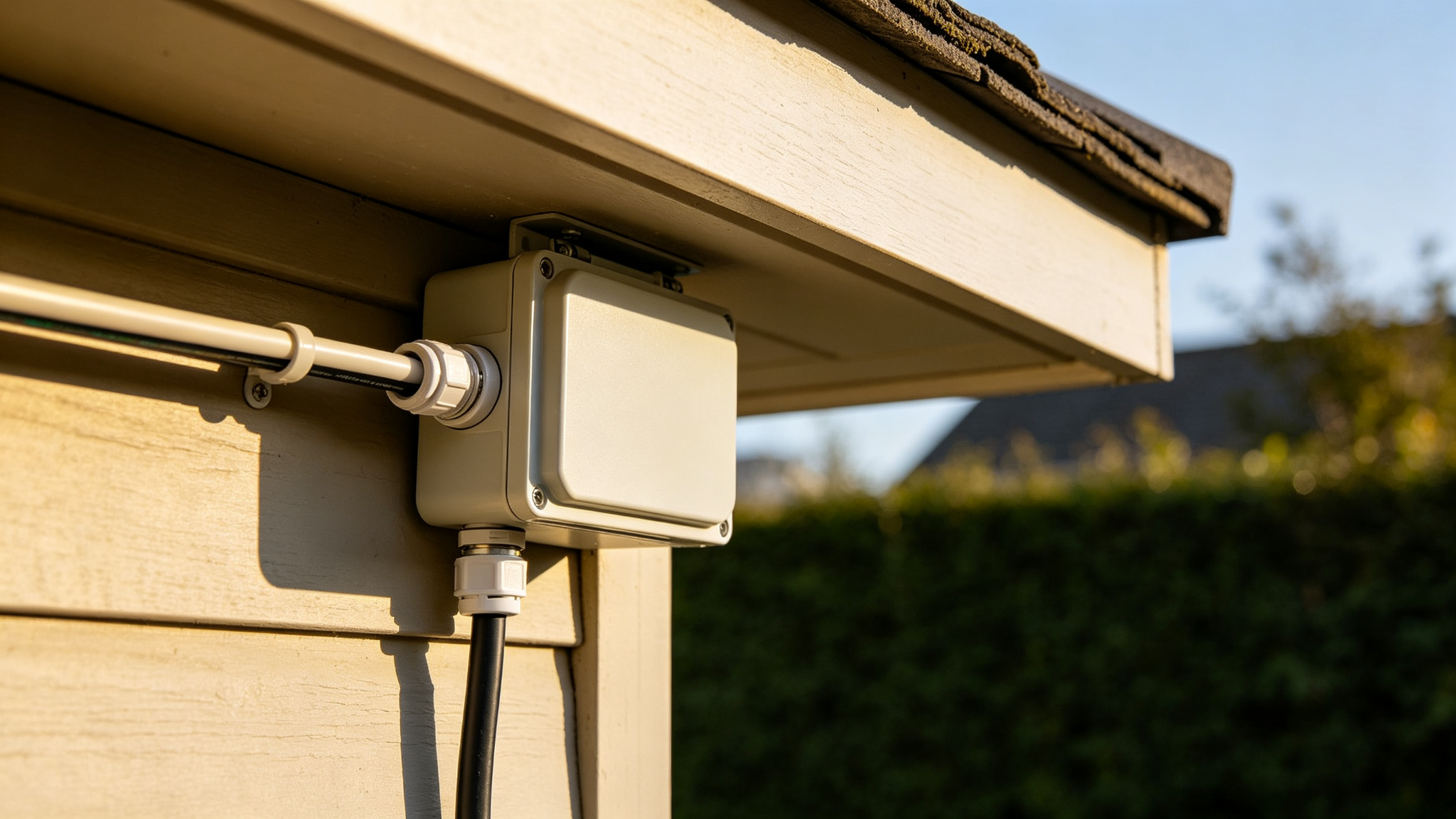
Outdoor protection lives in a sealed junction box — fuses and RCDs must stay dry and out of reach.
Wiring and Safety Best Practices
- Fuse the positive (+) leg of each branch, right after the driver or distribution block.
- Never replace a blown fuse with a higher rating — find the cause first.
- Use DC-rated fuses; automotive blade fuses are the common, inexpensive choice.
- Outdoor and wet-location circuits require RCD/GFCI protection and IP-rated enclosures.
- Keep accessible mains wiring to a licensed electrician; SELV 12/24 V DC side is touch-safe.
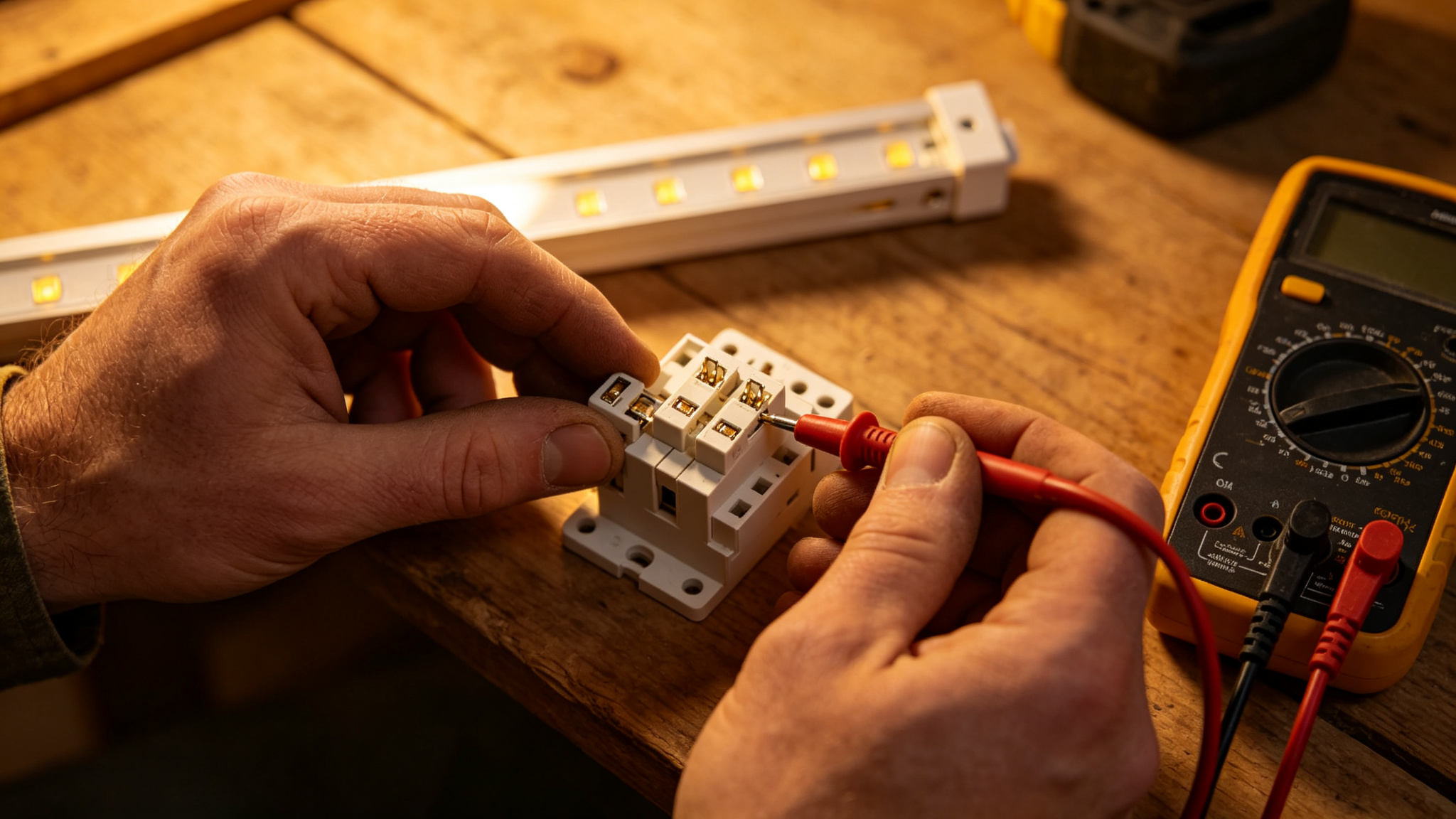
A multimeter confirms a fuse is good before you reassemble — quick check, avoids guesswork.
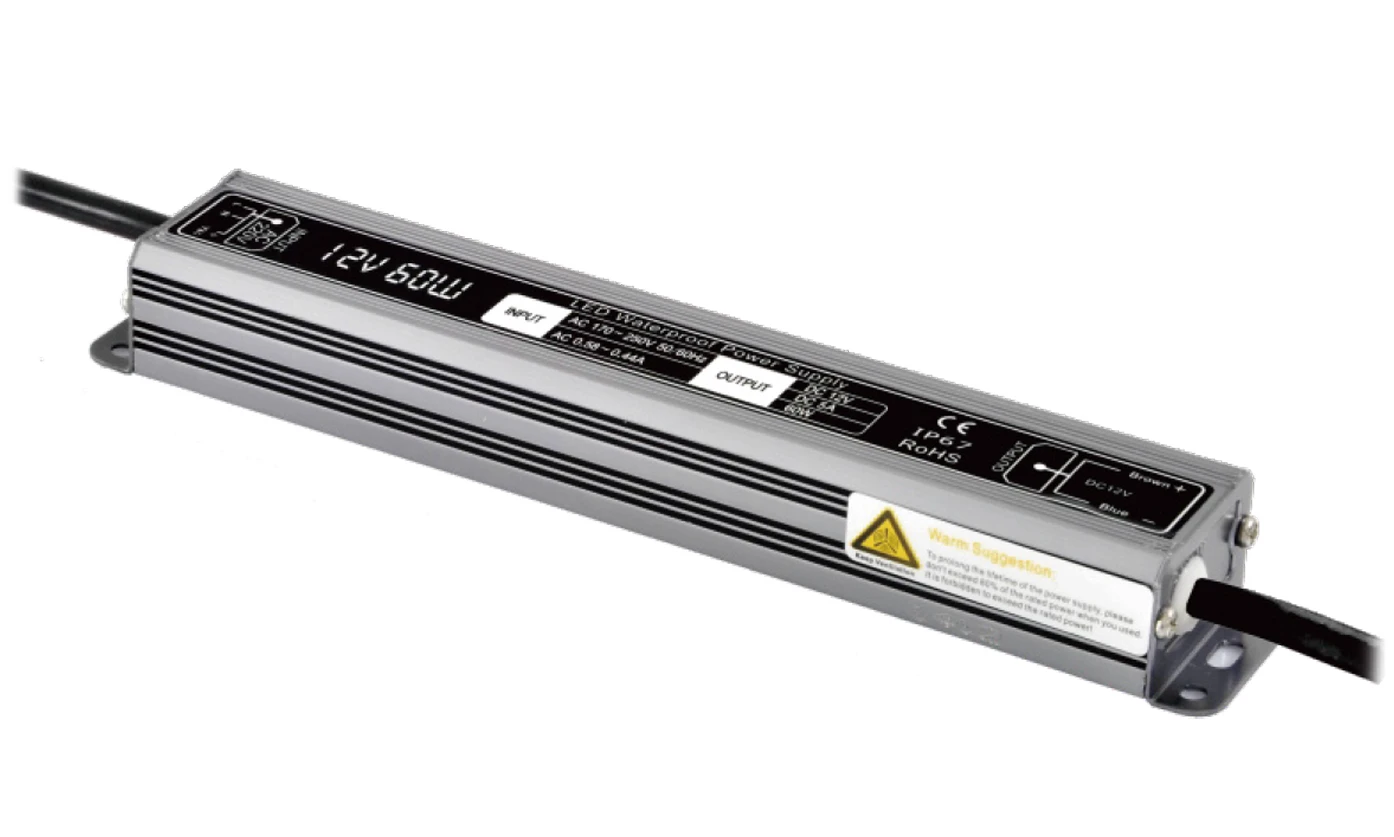
Recommended Products

Frequently Asked Questions
What fuse size do I need for a 24V LED strip?
Divide the branch watts by 24 to get amps, then multiply by 1.25. For example a 96 W branch draws 4 A, so use a 5 A fuse. A 240 W branch draws 10 A, so use a 12–15 A fuse. Always size the cable to match the fuse, never larger.
Can I use a higher-rated fuse to stop it blowing?
No. A fuse that keeps blowing means there is a short or an overload somewhere. Fitting a bigger fuse lets the cable overheat before the protection trips — the exact fire risk the fuse exists to prevent. Always find and fix the fault first.
Do LED strips need a fuse on the AC side too?
The fixed mains wiring is protected by the MCB in the distribution board, and outdoor/wet circuits should also have RCD/GFCI protection. Add a DC inline fuse after the driver to protect the low-voltage LED branch.
Which side of the LED strip do I put the fuse on?
Put the fuse on the positive (+) conductor, as close to the driver output or distribution block as practical. Fusing the positive side ensures a fault opens the circuit cleanly and prevents the load feeding back through a short.
Designing a protected, code-safe lighting circuit?
Get factory-direct driver and protection advice and a custom quote within 24 hours.
Get a Quote