LED Strip Power Injection: How and Where to Inject
- 2026-09-18 18:10
- /
- Arraystar
Quick Answer
Power injection means feeding 12 V/24 V power into the middle — or both ends — of a long LED strip run, so no single segment has to carry the whole current. Inject every 5–10 m (24 V) or 2.5–5 m (12 V), match polarity, and use a repeater for signal-dependent RGB or dimming lines.
📑 Table of Contents
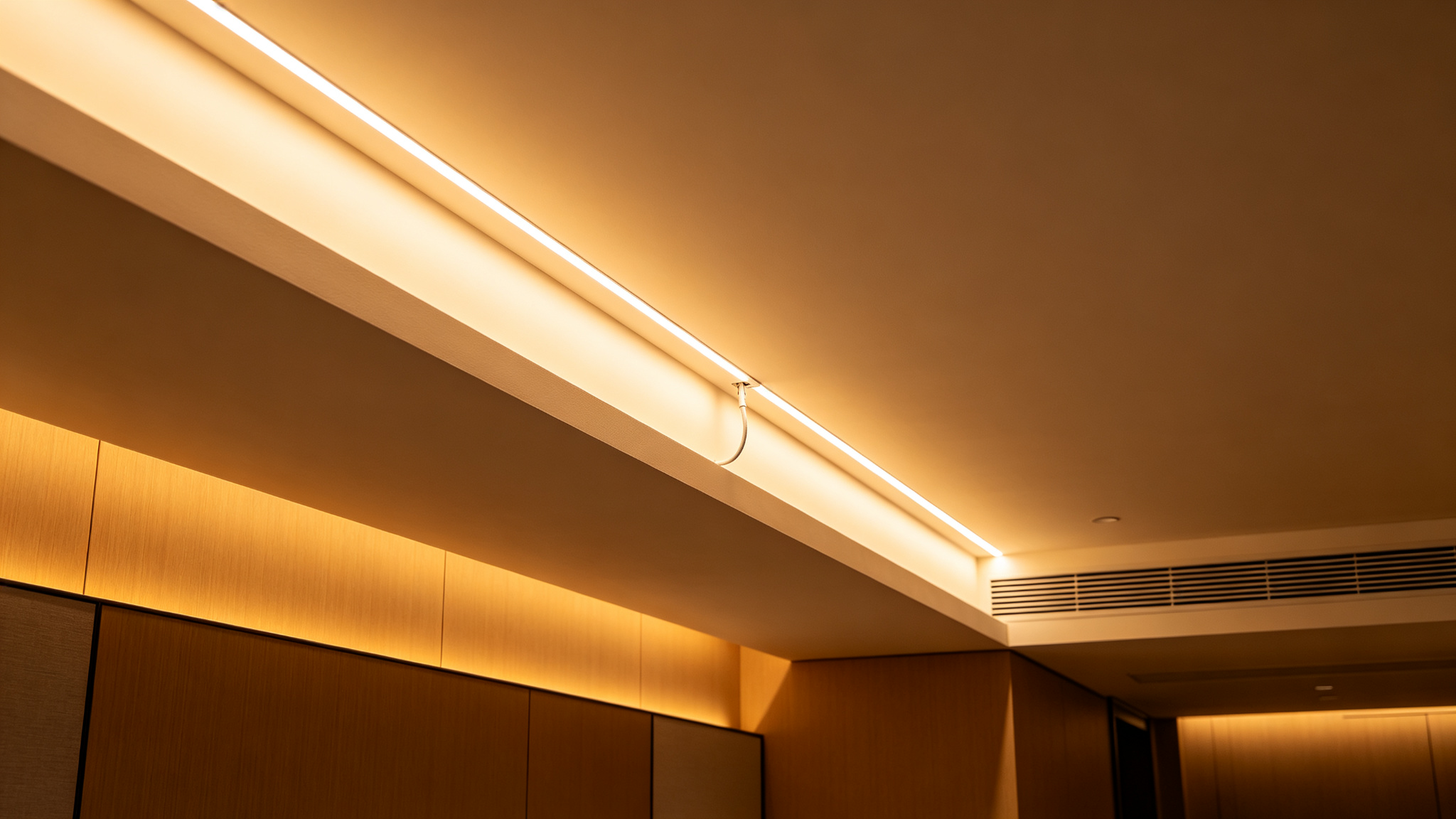
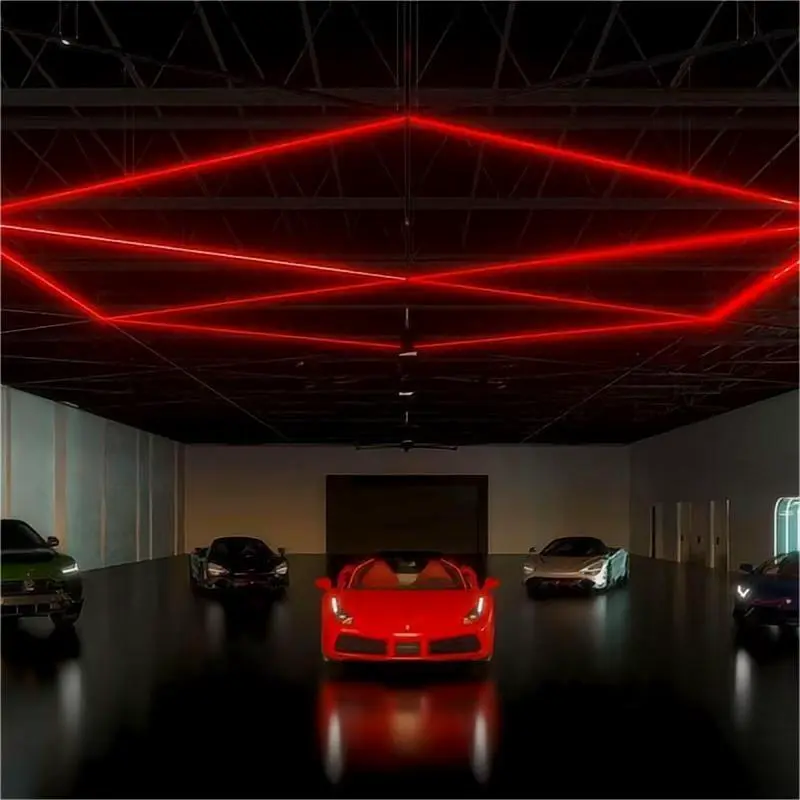
A mid-run injection point keeps a long cove uniformly bright from end to end.
What Is Power Injection and Why You Need It
On a long LED strip, voltage drops along the copper traces until the far LEDs dim and shift warm. Power injection is simply feeding fresh DC power into the strip at another point — usually the middle, sometimes both ends — so each short section of strip only carries the current for itself. Instead of one 10 m segment fighting a long voltage drop, you create two 5 m segments that each look like a short run to the driver.
It is the single most cost-effective fix for the classic “bright here, dim there” complaint, and it lets you run 24 V strips far beyond the usual ~10 m single-feed limit without switching to heavier cable or 48 V. The background is in our voltage drop guide.
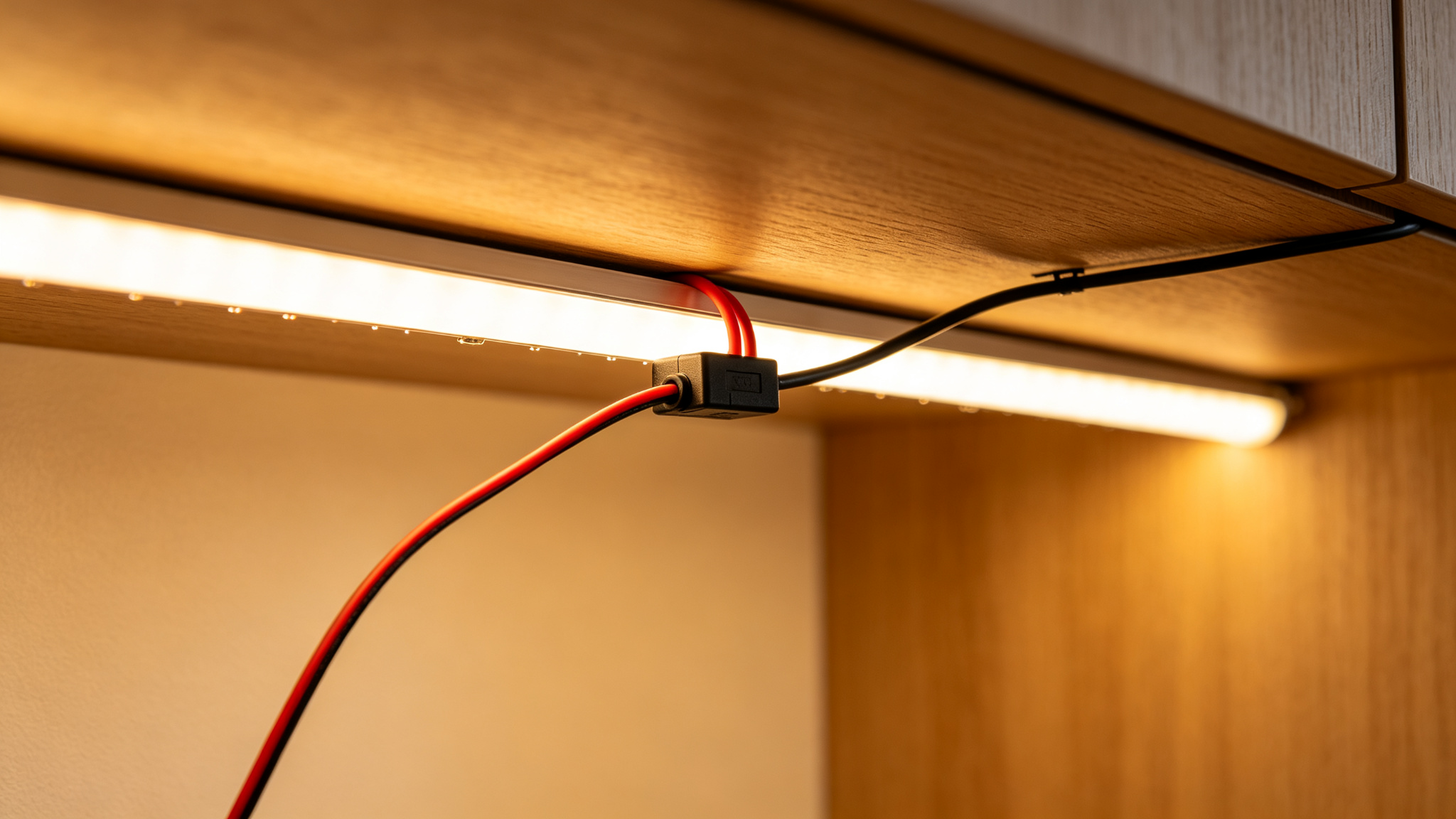
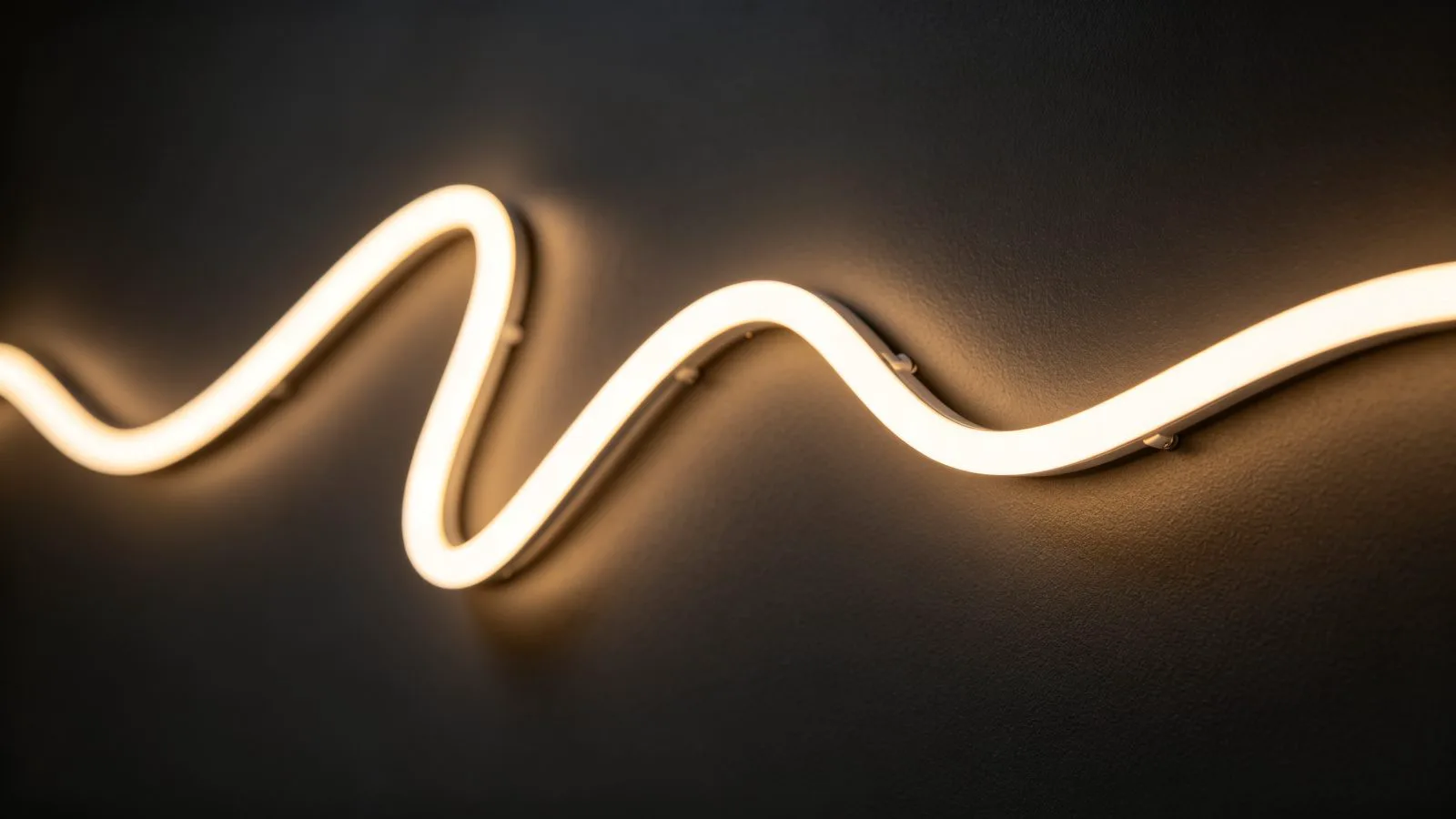
A mid-run tap: fresh voltage enters the strip partway along, resetting the current budget for the second half.
Single-End, Mid-Run and Dual-End Injection Compared
| Injection Style | How It Works | Best Run Length | Notes |
|---|---|---|---|
| Single-end feed | One feed at the start | 12V ~5 m / 24V ~10 m | Default for short runs |
| Mid-run injection | Feed from one end + tap at middle | 24V ~15–20 m | Most common upgrade |
| Dual-end injection | Feed both ends | 24V ~15 m / 48V longer | Center stays brightest |
| Multi-point injection | Tap every 5–10 m along the run | 20 m+ coves / facades | Even brightness guaranteed |
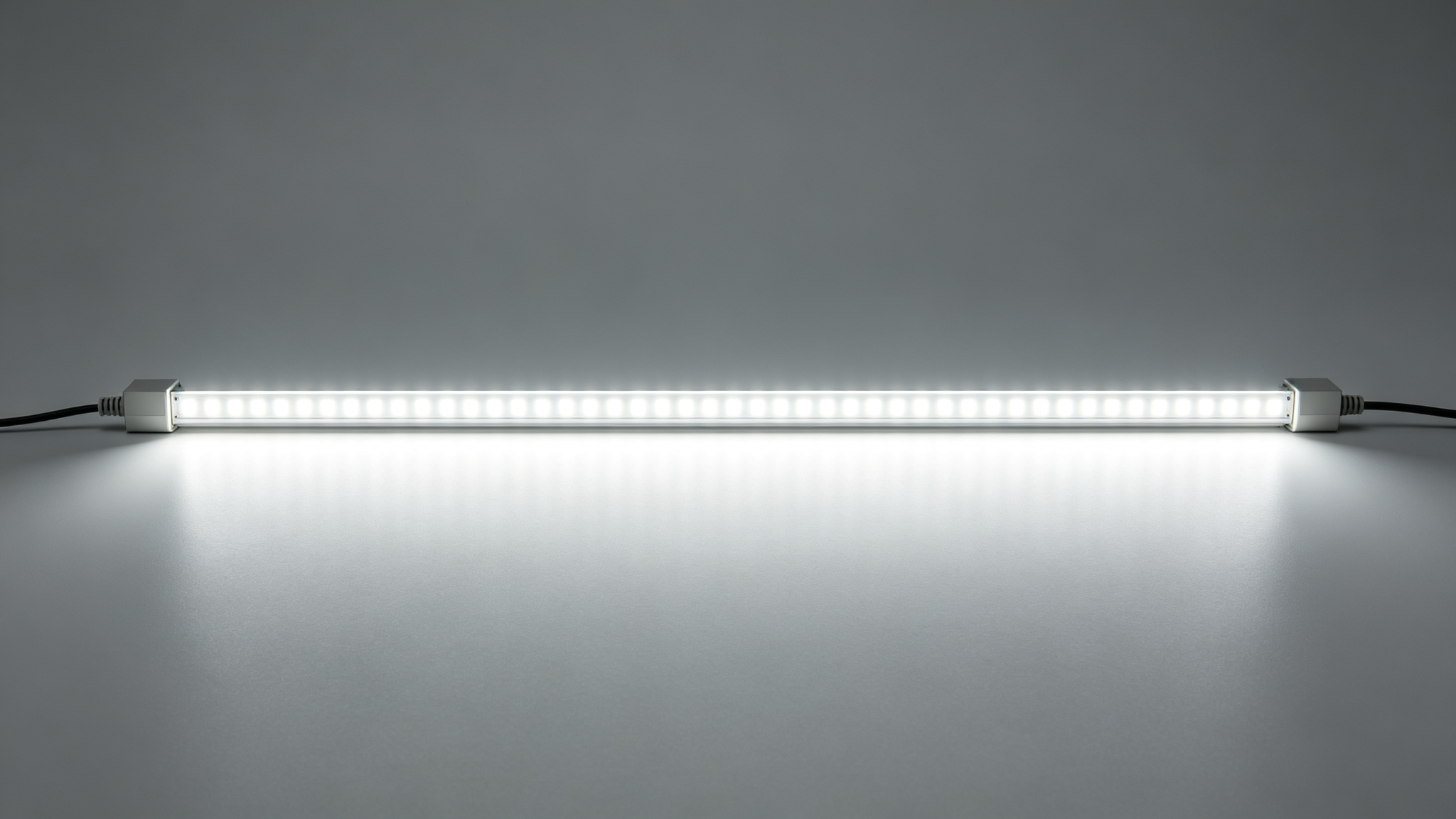
Feeding from both ends splits the run in half, so the middle — usually the dimmest point — becomes the brightest.
Where and How Often to Inject
Start with the single-feed limits and inject once you cross them. On 12 V, inject around every 2.5–5 m; on 24 V, every 5–10 m; on 48 V, up to ~15–20 m before injection helps. For high-wattage-per-meter strips (15–20 W/m), inject more often — roughly halve those distances. Always inject at cut points where the strip is designed to accept power, and keep polarity exact.
Rule of thumb: on 24 V, inject at the midpoint first. If brightness is still uneven, add a third feed at the halfway point of each half. Keep every powered segment under ~10 m.

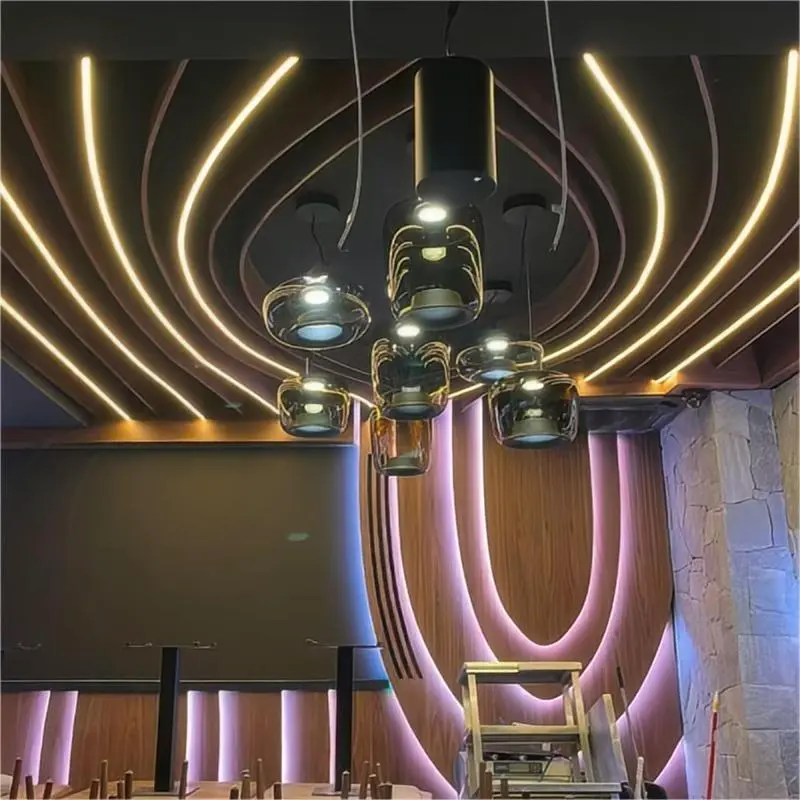
The payoff: a long, luxurious cove that reads as one continuous line of light, perfectly even.
Power Repeaters vs Direct Injection
Direct injection simply ties a fresh + and − feed from the same driver (or a second driver) onto the strip at the tap point. It works for single-color and basic white strips. Power repeaters (amplifiers) take a low-current control signal and regenerate it from a separate, fresh power feed — essential for RGB, RGBW, tunable white and dimming runs, where you must preserve the data/PWM signal down the line. Without a repeater, dimming or color signals degrade just as power does. See the control protocol comparison for signal-level choices.
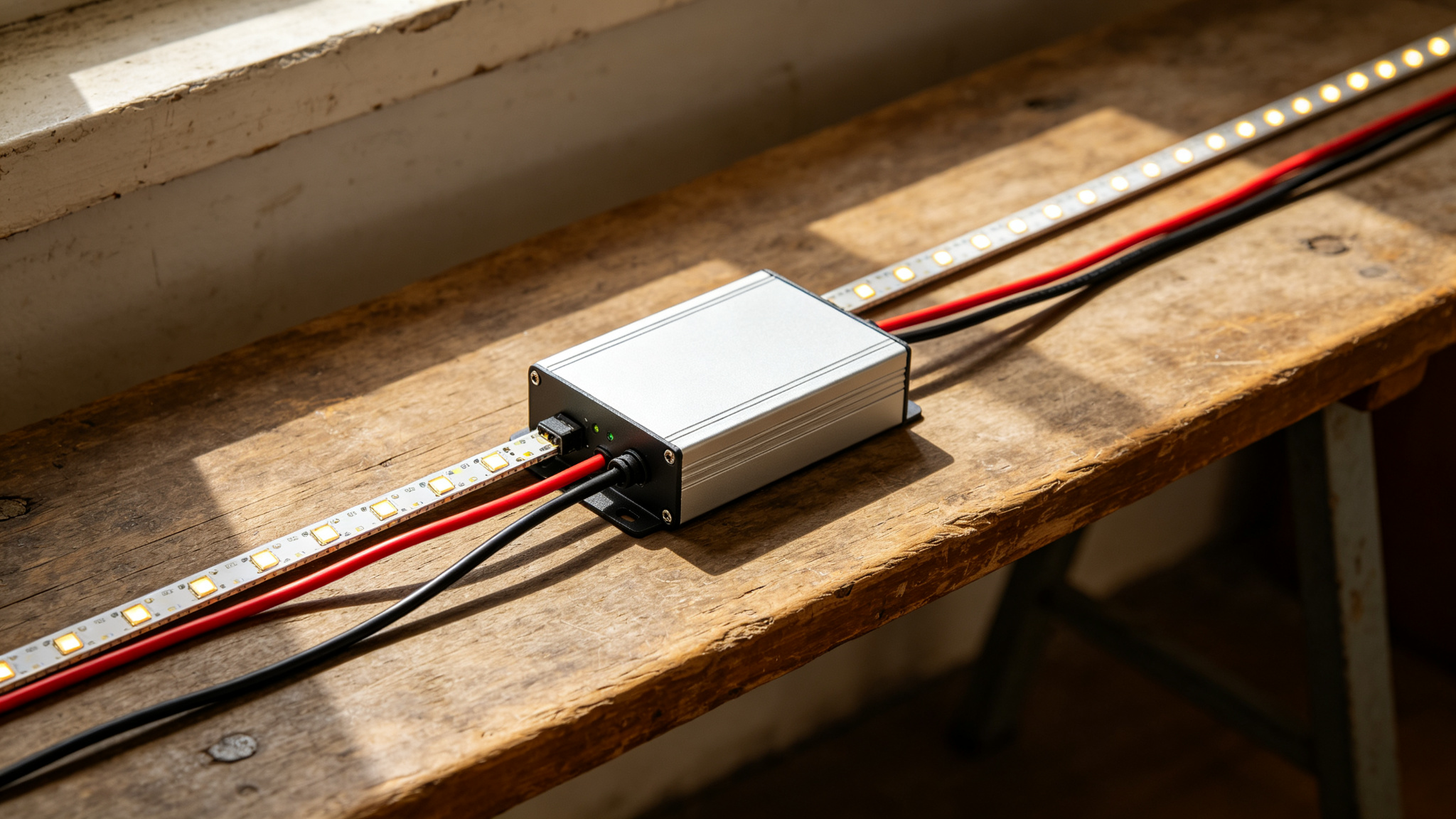
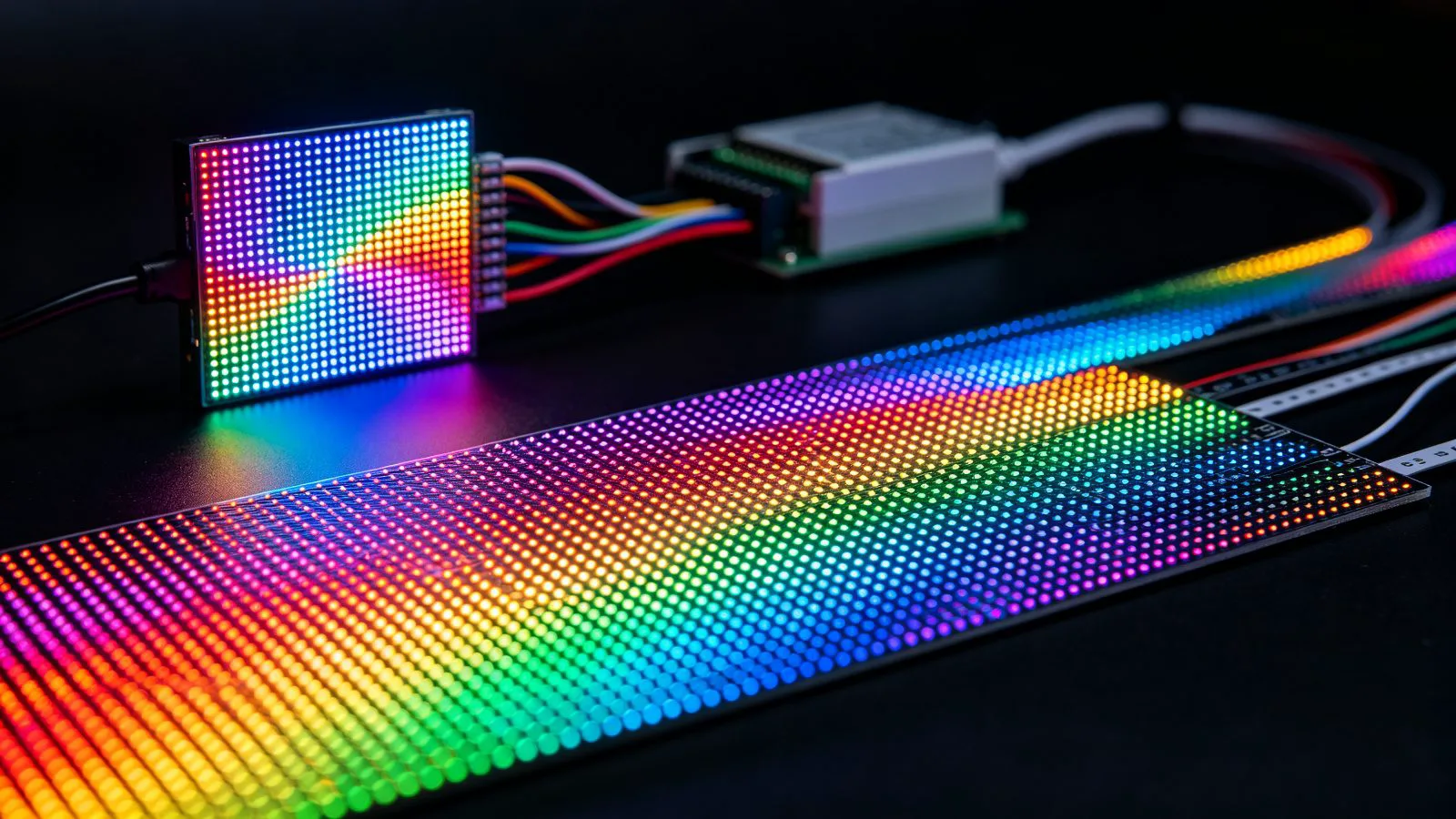
A power repeater regenerates both power and control signal — the right tool for color and dimming lines.
Step-by-Step Injection Procedure
- Plan the taps: mark injection points on the layout every 5–10 m (24 V), at designed cut points.
- Match polarity: confirm + to + and − to − at every tap — reversing polarity kills that section.
- Use one common supply: all taps must come from the same driver (or paralleled drivers with identical output), never mix supplies on one strip.
- Size the injection cable: each tap carries its segment’s current — see the wire gauge guide.
- Secure and insulate: use solder or solder-free connectors, then insulate every joint to prevent shorts.
- Verify: run at full brightness and check the whole line for evenness and any warm/dim gradient.
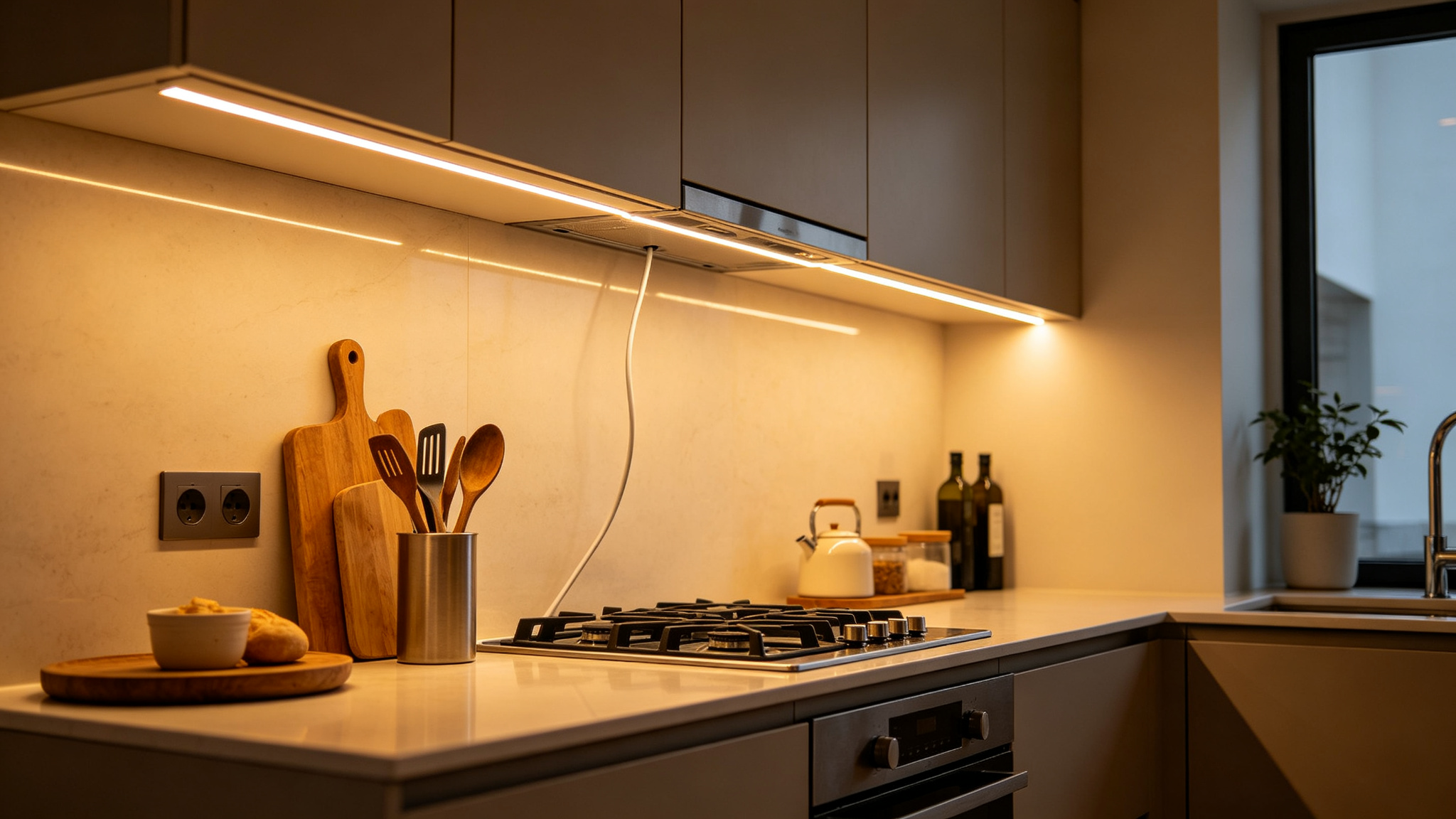
Kitchen under-cabinet runs are a common injection case — hidden, neat and fully even.
Recommended Products
Frequently Asked Questions
Where on an LED strip should I inject power?
Inject at the midpoint of a 24 V run longer than about 10 m, or every 5–10 m on longer coves. Use designed cut points, keep polarity exact, and ensure every powered segment stays short — under about 10 m on 24 V or 5 m on 12 V.
Can I inject power from two different power supplies?
No — never tie two separate power supplies onto the same strip. Use one driver sized for the total load, or paralleled drivers with matched output. Mismatched supplies fight each other and can damage drivers or strips.
Does power injection affect dimming or RGB signal?
Direct power injection restores voltage but not the control signal. For RGB, RGBW, tunable white or dimming runs, use a power repeater/amplifier at the injection point so the color and brightness signal is regenerated as well.
How often should I inject power on a 12V LED strip?
On 12 V, inject roughly every 2.5–5 m, or simply feed from both ends. Because 12 V current is double that of 24 V for the same wattage, voltage drop arrives much sooner, so prefer 24 V or 48 V for long runs.
Need help designing injection points for a long run?
Get factory-direct layout advice, repeaters and drivers — a custom quote within 24 hours.
Get a Quote