
LED Strip Lead Times & the OEM Customization Process: From Drawing to Mass Production
- 2026-09-30 17:39
- /
- Arraystar LED
Lead-time surprises and customization misunderstandings cause more LED order friction than price. OEM/custom strip isn't an off-the-shelf transaction - PCB layout, LED density, IP rating, voltage, color, packaging and certification all affect tooling, material lead time and minimum order quantity, and custom orders can't be rushed without cost or risk. Knowing what's standard vs genuinely custom, what drives MOQ and timeline, and how to sequence samples, deposit and inspection lets you plan orders realistically and avoid both stockouts and air-freight emergencies.
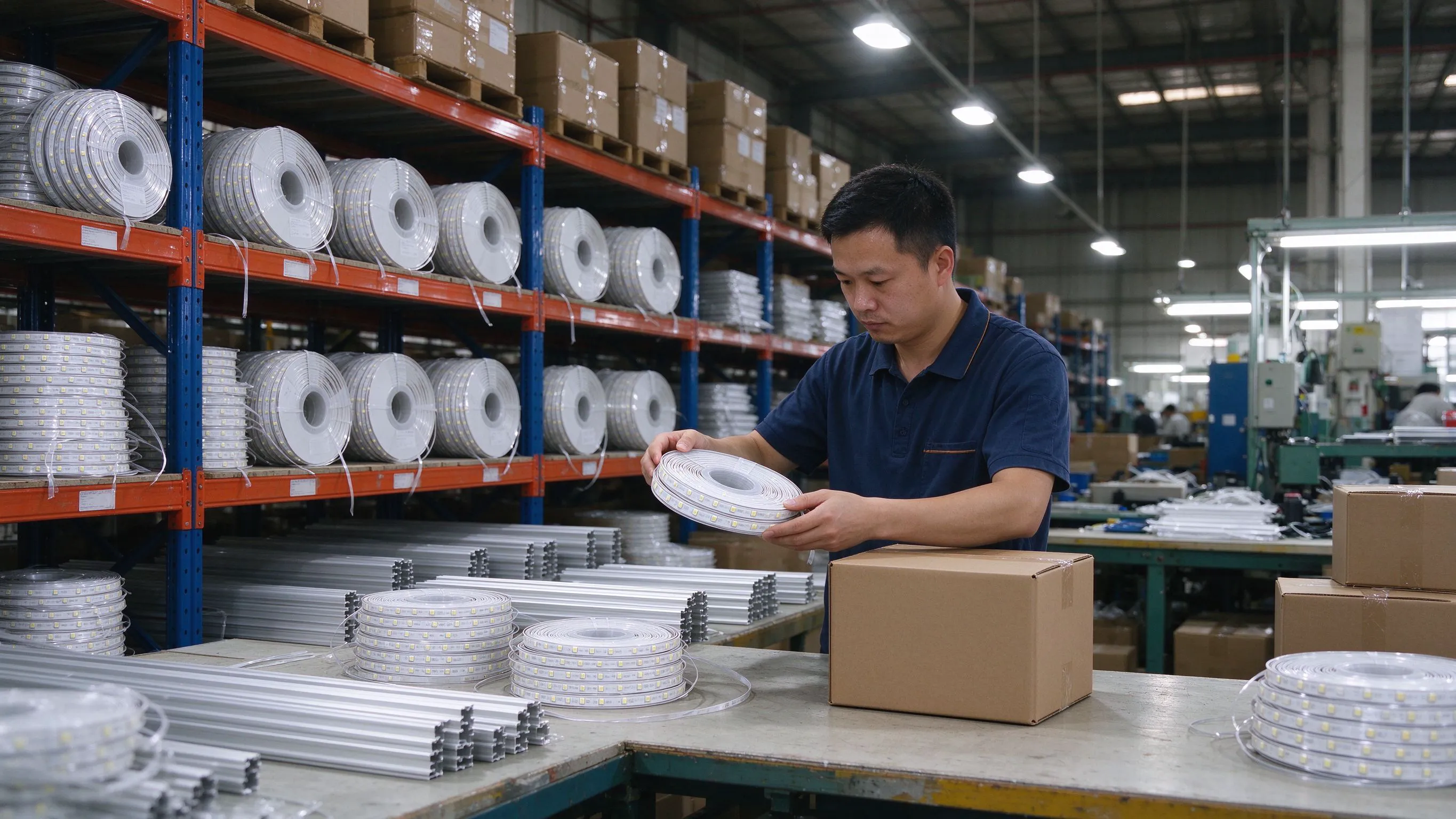
Separate Standard Stock From Real Customization
The first planning question is how custom the product actually is. Standard specifications - common densities, 12/24V, IP20/IP65/IP67, standard CCT/RGB, standard reel lengths - are often produced to stock or on short production runs and ship quickly. Genuine customization - non-standard PCB width or density, custom voltage, special color/spectrum, private label, custom packaging, pre-wired assemblies, project-specific IP/shape - adds engineering, material and MOQ.
Buyers get burned by treating a custom request as if it were a stock item on the timeline. Before promising a delivery date to your own customer, identify every parameter that deviates from the factory's standard range, because each one can add days, tooling cost or MOQ.
What Drives MOQ and Lead Time
- Custom PCB layout/density: tooling/setup, higher MOQ, longer lead.
- Special LED color/spectrum or bin: depends on chip availability, MOQ.
- Custom voltage (e.g. 220V, 48V variants): dedicated production run.
- IP rating/encapsulation: IP67 extrusion/tube adds process and cure time.
- Private label, custom reel length, packaging/barcode: setup + MOQ.
- Certification for a new model: testing time, often the longest item.
- Custom connectors/leads/pre-cut assemblies: labor and QC time.
Material availability is the wildcard - specialty chips, high-CRI or unusual-CCT LEDs and certain ICs may themselves have supplier lead times. A factory can't finish custom strip faster than it can source the specified components, which is why early confirmation of the bill of materials matters.
Matching Construction to the Custom Spec
Many legitimate 'customizations' are really selecting the right existing construction for the project's environment - which keeps MOQ and lead time low. A 5x10mm IP67 240-LED/m SOB strip suits projects needing a compact sealed body; a 3mm PCB IP67 480-LED/m COB strip serves ultra-narrow sealed applications; and a 220V 8mm IP67 480-LED/m COB strip covers long-run high-voltage outdoor work without local drivers.
Choosing among these established IP/voltage/form-factor variants often delivers what a project needs without paying for fully custom tooling - a faster, lower-MOQ path. Reserve true custom PCB/color/packaging requests for when a standard construction genuinely can't meet the spec, and confirm that necessity with the factory's engineers.
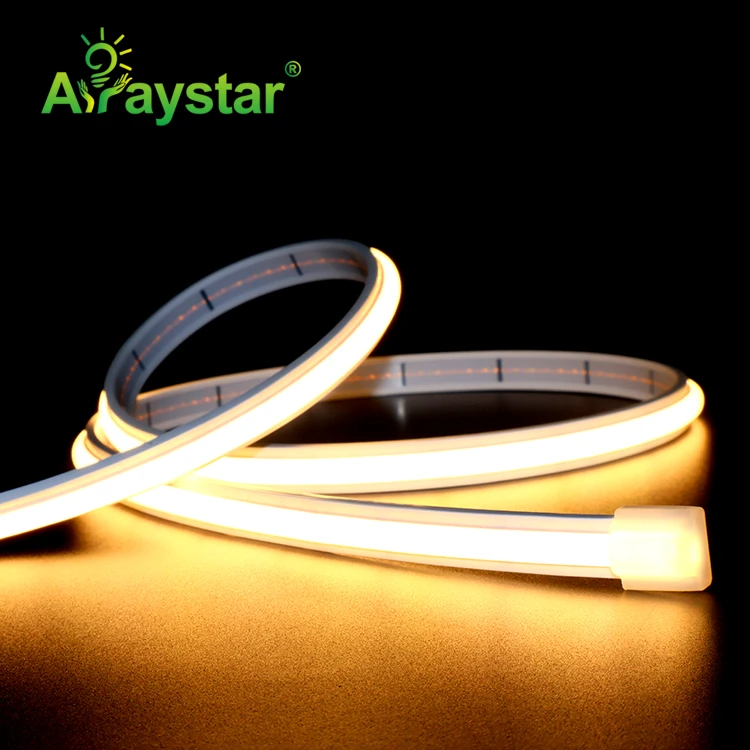
Standard variants vs true customization.
| Need | Established option | Custom level |
|---|---|---|
| Compact sealed body | 5x10 IP67 240 SOB | Standard variant |
| Ultra-narrow sealed high-density | 3mm PCB IP67 480 COB | Specialized but catalog |
| Long outdoor run, no local drivers | 220V 8mm IP67 480 COB | Catalog high-voltage |
| Custom density/PCB width | New layout | True custom: MOQ + tooling |
| Private label / packaging | Branded reels/boxes | Custom: setup + MOQ |
| New certified model | Testing | Custom: certification lead time |
The Order Sequence That Protects You
For custom or project orders the safe sequence is: confirm a detailed spec sheet (every parameter in writing) -> approve a pre-production sample (color, density, IP, voltage, labeling) -> place deposit -> production with milestones -> pre-shipment inspection (and third-party QC for large orders) -> balance -> ship. Skipping the signed sample is the root cause of 'the production batch doesn't match what I expected' disputes.

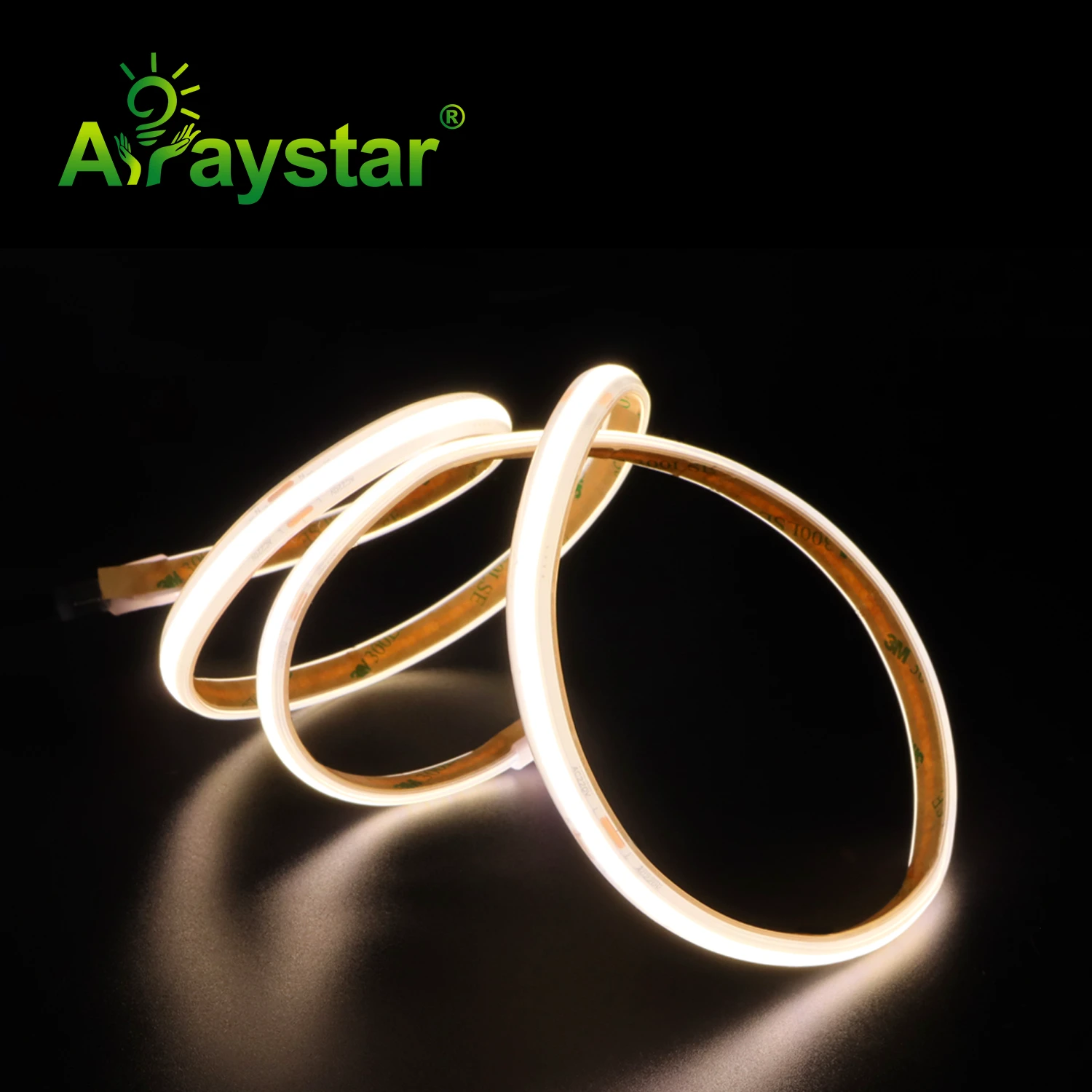
- Lock the full spec and a golden sample before deposit.
- Confirm certification route early - it often sets the timeline.
- Build buffer around holidays (CNY especially) and peak season.
- Inspect pre-shipment; test IP, CCT, CRI and reel continuity.
- Don't air-freight custom orders - plan lead time to avoid premium logistics.
- Agree spare/replacement allowance and warranty terms up front.
Realistic Timeline Expectations
As a planning guide, stock/spec variants can move in days to a couple of weeks; standard private-label runs a few weeks; fully custom PCB/color or newly certified models several weeks to months depending on materials and testing. These vary by factory and season - get the schedule in writing against a confirmed spec, and treat any factory promising complex custom work in a few days with skepticism, because rushed custom strip is where defects enter.
Recommended Products
Frequently Asked Questions
What is the lead time for custom or OEM LED strip?
Stock/spec variants ship in days to ~2 weeks; standard private-label runs a few weeks; genuinely custom PCB/density/color or newly certified models take several weeks to months depending on component sourcing, tooling and testing. Get the schedule in writing against a locked spec, and add buffer around Chinese New Year and peak season.
What affects the MOQ for custom LED strip orders?
Custom PCB layout/density (tooling and setup), special LED color/spectrum or binning, custom voltage, private-label reels and packaging/barcodes, pre-wired assemblies, and new-model certification all raise MOQ and lead time. Choosing catalog IP/voltage/form-factor variants (e.g. IP67 SOB/COB, 220V COB) often meets the need at standard MOQ instead.
How can I customize LED strip without long lead times?
First check whether an established construction meets the need - e.g. 5x10 IP67 240 SOB for compact sealed use, 3mm PCB IP67 480 COB for narrow sealed applications, or 220V IP67 480 COB for long high-voltage outdoor runs. Selecting catalog variants avoids tooling and keeps MOQ/timeline low; reserve true custom layout or color for genuine gaps.
What is the correct process for ordering custom OEM LED strip?
Lock a detailed written spec, approve a pre-production golden sample (color, density, IP, voltage, labeling), pay deposit, track production milestones, conduct pre-shipment inspection (third-party for large orders) testing IP/CCT/CRI/continuity, then pay balance and ship. Skipping the signed sample is the main cause of batch-mismatch disputes.
How do I avoid air-freight emergencies on LED orders?
Plan lead time around the confirmed spec and add buffer for material sourcing, certification (often the longest item), Chinese New Year and peak season; approve samples early so production isn't delayed by disputes; and inspect before shipment to avoid rework. Custom orders can't be safely rushed, so schedule them instead of paying emergency air freight.
Need help with your LED project?
Get factory-direct pricing, free samples and engineering support within 24 hours.
Email: info@arraystarled.com | Phone: +86-0755-2103-6746 | WhatsApp: 0086 1581 8514 077
Need to size your power supply? Use our LED Strip Power Calculator to find the right driver in seconds.







