
LM-79, LM-80 & ISTMT: Reading LED Strip Test Reports Like a Lighting Specifier
- 2026-09-30 17:39
- /
- Arraystar LED
When a commercial project, rebate program or government tender asks for LM-79, LM-80 and TM-21/ISTMT documentation, buyers are often handed marketing sheets that quote the numbers without the actual reports - and those don't pass. These are specific IES test methods: LM-79 measures a whole luminaire's performance, LM-80 tests LED package longevity, and ISTMT measures the in-situ junction temperature that feeds life projections. Knowing what each report is, what it must contain and how they connect lets you verify a supplier's claims and avoid paying premium-grade prices for untested product.
Three Reports That Keep Getting Confused
Lighting performance claims rest on a family of IES (Illuminating Engineering Society) and IEC standards, and the three most requested - LM-79, LM-80 and ISTMT/TM-21 - answer different questions. Buyers frequently receive a single datasheet that lumps 'LM-80 approved' style claims together, but each is a distinct test with a distinct deliverable, and serious projects require the actual accredited reports.
In short: LM-79 tells you what light the finished luminaire produces; LM-80 tells you how quickly the LED package degrades over time; ISTMT measures the temperature at which those LEDs actually operate in the fixture; and TM-21 combines LM-80 and ISTMT to project rated life (the L70 hours figure). You need the chain to substantiate a lifetime claim.
LM-79: Whole-Luminaire Performance
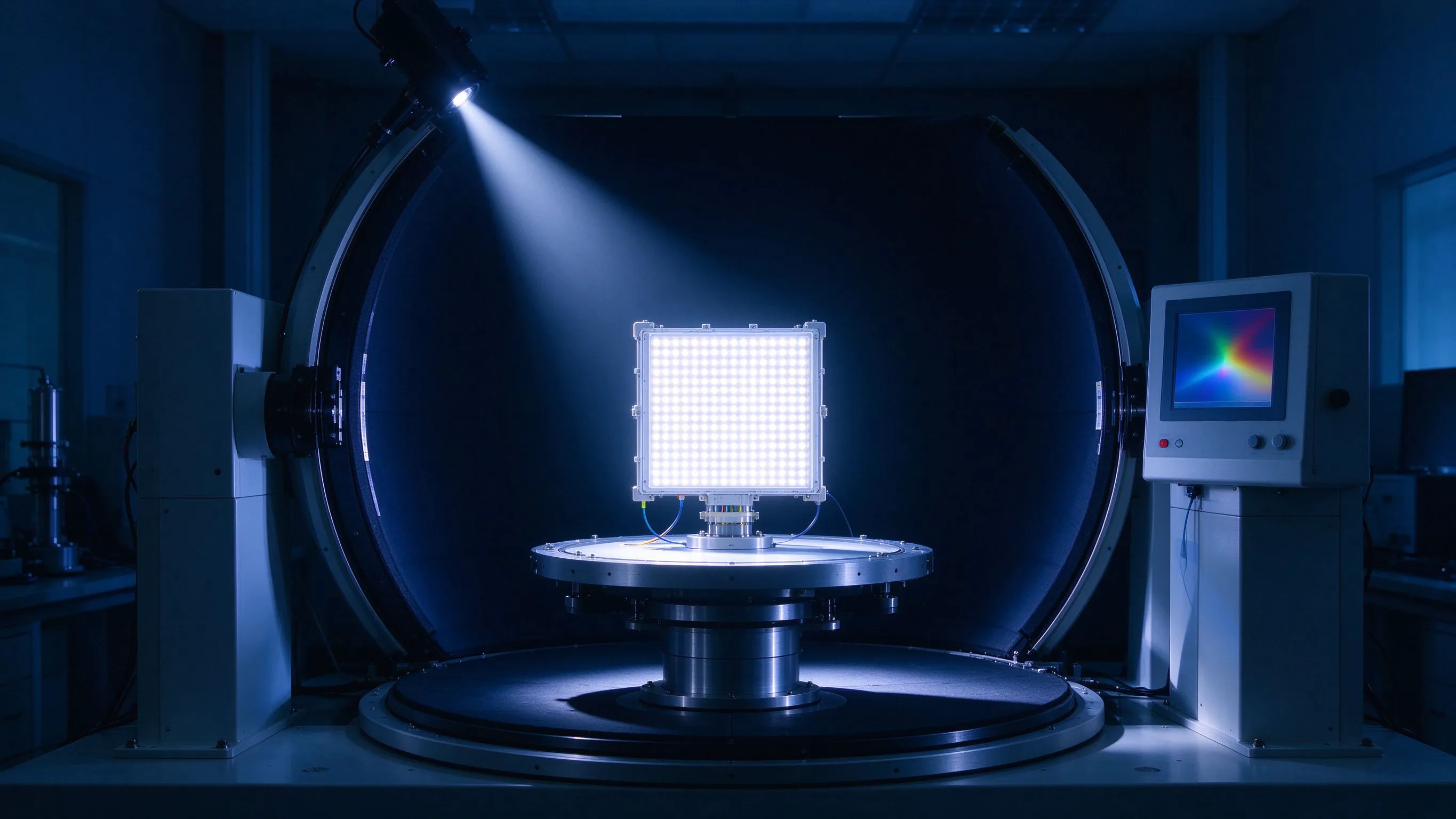
LM-79 (Approved Method for Electrical and Photometric Measurements of Solid-State Lighting Products) tests the complete luminaire - not the bare LED - in an integrating sphere or goniophotometer to measure total luminous flux (lumens), efficacy (lm/W), input power, color temperature, CRI, chromaticity and (with a goniometer) the photometric distribution (IES file).
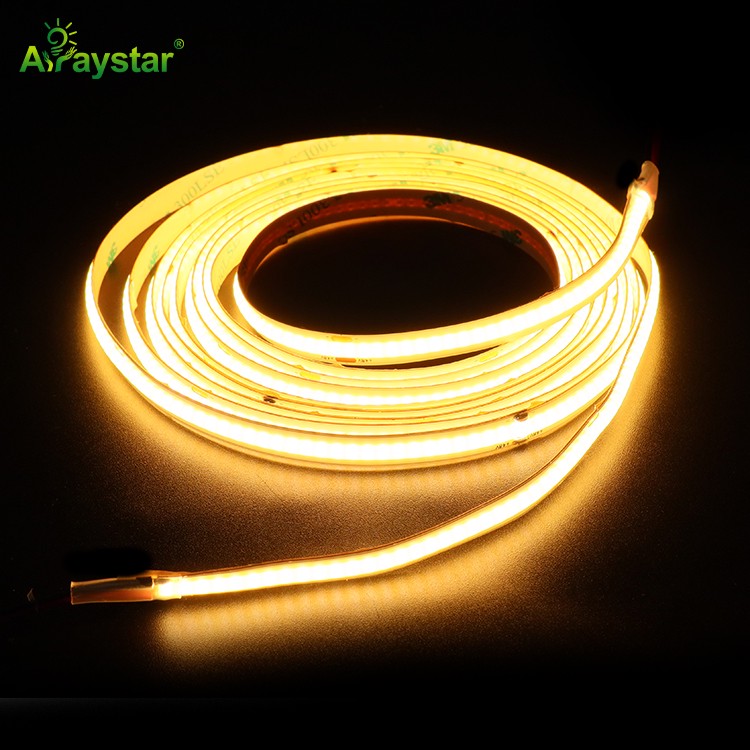
This is the report that proves real delivered lumens and efficacy for a high-efficiency product - a high-efficiency, high-brightness COB strip or fixture should have LM-79 data showing measured (not merely summed) output. Be wary of 'lumens' calculated by multiplying LED package figures by count, which overstates real system output by ignoring driver, thermal and optical losses.
The LED performance report family.
| Report | Tests | Output it provides |
|---|---|---|
| LM-79 | Whole luminaire | Lumens, lm/W, CCT, CRI, IES distribution |
| LM-80 | LED package over time | Lumen maintenance at various temps (6k+ hrs) |
| ISTMT | LED in the fixture | In-situ case/junction temperature point |
| TM-21 | Calculation | Projected L70 life from LM-80 + ISTMT |
| LM-84/82 | Group/lumen & color maintenance | Whole-system long-term behavior |
LM-80: LED Package Longevity Testing
LM-80 tests the LED light source (package/module) for lumen maintenance - running samples for at least 6,000 hours (premium data runs 10,000+) at multiple temperatures and reporting how much light output remains over time. It characterizes the LED's degradation, but it does NOT by itself state the luminaire's rated life - that projection depends on the operating temperature in the actual fixture.
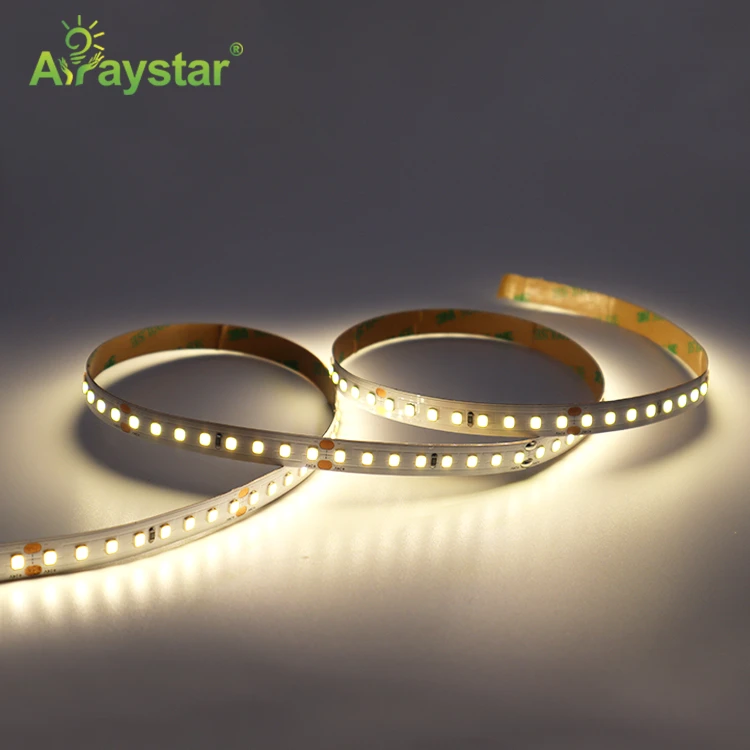
High-efficiency 2835 LED lines used in commercial and ERP-oriented products are typically backed by LM-80 data from reputable chip manufacturers. Ask which chip brand and for the LM-80 report from that chip maker - strip factories rarely run LM-80 themselves; they rely on the LED package supplier's data, which is legitimate as long as the chip source is named and the report is genuine.
ISTMT and TM-21: From Temperature to Rated Life
LEDs degrade faster when hot, so the LM-80 package data only predicts life at the temperature the LEDs actually run. ISTMT (In-Situ Temperature Measurement) measures the LED case/junction temperature point inside the actual operating luminaire, accounting for its real thermal design. TM-21 then takes the LM-80 degradation curves and the ISTMT temperature to extrapolate the L70 rated life - the hours until output drops to 70%.
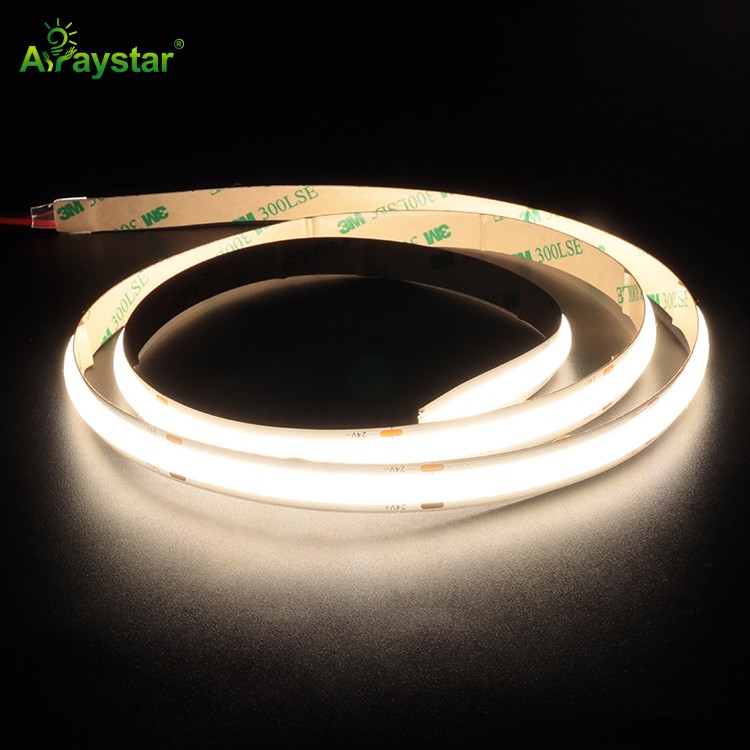
This is why two fixtures using the same LM-80-tested LEDs can have different rated lifetimes: the cooler fixture (better heatsinking) projects a longer L70. A high-efficiency FCOB product with good thermal design and documented ISTMT/TM-21 supports a credible long-life claim; a cheap fixture with the same chips but poor cooling does not, even waving the same LM-80 report.
Verifying Reports and Avoiding Fakes
- LM-79 must be for the complete luminaire from an accredited lab (NVLAP/ILAC).
- LM-80 is for the LED package - get the named chip maker's genuine report.
- ISTMT must measure your specific fixture, not a generic reference design.
- TM-21 L70 projection combines LM-80 data with the fixture's ISTMT temp.
- Check report dates, model numbers, lab accreditation and extrapolation limits.
- Rebates/tenders reject datasheet claims without these actual reports.
TM-21 limits extrapolation (you can't project far beyond the tested hours without flagging it), so treat '100,000 hour' claims skeptically if they rest on short test data. Request the full reports, confirm model and lab, and you'll quickly separate tested product from marketing numbers - a capability that pays for itself on any commercial or certified project.
Recommended Products
Frequently Asked Questions
What is the difference between LM-79 and LM-80?
LM-79 measures the complete luminaire's actual performance - lumens, efficacy (lm/W), CCT, CRI and light distribution. LM-80 tests the LED package's lumen maintenance over 6,000+ hours at several temperatures to characterize degradation. LM-79 is about what light the fixture delivers now; LM-80 is about how the LED source ages.
What are ISTMT and TM-21 for LED rated life?
ISTMT measures the LED temperature inside the actual operating fixture; TM-21 combines that temperature with LM-80 degradation data to project the L70 life (hours to 70% output). Two fixtures with the same LEDs can have different rated lives because the cooler, better-heatsunk one projects a longer L70.
How do I verify an LED strip's real lumen output and efficacy?
Demand an LM-79 report for the complete product from an accredited (NVLAP/ILAC) lab, showing measured total lumens and lm/W plus CCT/CRI, rather than figures calculated by multiplying package LEDs by count (which ignore driver, thermal and optical losses and overstate output). Check the model number and lab accreditation on the report.
Who provides LM-80 data for LED strip - the strip factory?
Usually the LED package/chip manufacturer runs LM-80, and the strip factory relies on that data. Ask for the named chip brand's genuine LM-80 report rather than a vague 'LM-80 compliant' claim. It characterizes the source LEDs, but the finished luminaire's rated life still needs its own ISTMT/TM-21 based on its actual thermal design.
Why might an LED '50,000-hour' or '100,000-hour' life claim be unreliable?
Rated L70 life must be projected via TM-21 from real LM-80 data and the fixture's measured ISTMT temperature, and TM-21 caps how far short test data can be extrapolated. A claim based on short testing, no ISTMT for the actual fixture, or poor cooling (hotter LEDs degrade faster) is marketing, not engineering. Request the full report chain before accepting premium lifetime claims.
Need help with your LED project?
Get factory-direct pricing, free samples and engineering support within 24 hours.
Email: info@arraystarled.com | Phone: +86-0755-2103-6746 | WhatsApp: 0086 1581 8514 077
Need to size your power supply? Use our LED Strip Power Calculator to find the right driver in seconds.







