Smart LED Strip Control: WiFi vs Zigbee vs Bluetooth vs DALI Compared
- 2026-09-09 15:48
- /
- Arraystar
Quick Answer
Smart LED strip control allows app, voice, and automated control of lighting. Options: WiFi (easy setup, no hub, works with Alexa/Google, but relies on home network), Zigbee (mesh network, low power, needs hub, very reliable, works with Philips Hue/SmartThings), Bluetooth (direct phone control, no hub/internet needed, limited range, best for small installations), DALI (professional building automation, individual fixture control, expensive, for commercial projects). Choose based on installation size, budget, desired features, and existing smart home ecosystem.
Smart LED Control Overview
Smart LED strip control transforms static lighting into dynamic, automated, and remotely controllable systems. Features include: smartphone app control (on/off, dim, color, scenes), voice control (Alexa, Google Assistant, Siri), scheduling and timers (automate on/off based on time or sunrise/sunset), automation and scenes (one-tap scenes for movies, parties, reading), integration with other smart devices (motion sensors, door sensors, thermostats), energy monitoring and reporting, and remote access (control from anywhere with internet). Smart control adds convenience, energy savings, and customization to LED strip installations. Choosing the right control protocol depends on your installation size, budget, technical comfort, and desired features.
WiFi Control
WiFi-enabled LED controllers connect directly to your home WiFi network, allowing control via smartphone app from anywhere with internet access. Advantages: No hub required (connects directly to WiFi). Easy setup (typically 2-5 minutes). Works with popular voice assistants (Alexa, Google Assistant, Siri via HomeKit). Remote access from anywhere. Wide range of affordable controllers available. IFTTT integration for advanced automation. Disadvantages: Relies on home WiFi network—if WiFi goes down, control is lost (though manual control may still work). Can strain WiFi network with many devices (each controller is a separate WiFi client). Limited to WiFi range (may need extenders for large installations). Security concerns (ensure controllers use secure protocols and regular firmware updates). Typical WiFi controllers: 1) Magic Home / Flux WiFi: Affordable, widely compatible, app + voice control. 2) Sonoff: Reliable, integrates with eWeLink and Alexa/Google. 3) Philips Hue: Premium, works with Hue ecosystem, but requires Hue bridge (not pure WiFi). 4) Govee: Popular for DIY and ambient lighting, app + voice + scene modes. WiFi is best for: Home users, small to medium installations, users who want easy setup without a hub, and those already using Alexa/Google ecosystems.
Zigbee Control
Zigbee is a low-power, mesh network protocol designed for smart home and IoT devices. Zigbee LED controllers require a Zigbee hub (such as Philips Hue Bridge, SmartThings, or Zigbee USB dongle) to connect to your network and enable app/voice control. Advantages: Mesh network—devices relay signals, extending range and improving reliability (no dead zones). Low power consumption (controllers can run on batteries for years). Very reliable and responsive (less latency than WiFi). Doesn't strain WiFi network (separate Zigbee network). Interoperable with many Zigbee devices (sensors, switches, bulbs from different brands). Supports many devices per hub (up to 50+). Disadvantages: Requires a Zigbee hub (additional cost, $30-100). Initial setup more complex (pairing devices to hub). Some features depend on hub compatibility (not all Zigbee controllers work with all hubs). Range limited to mesh network (typically 10-30m between devices). Typical Zigbee controllers: 1) Philips Hue Lightstrip: Premium, works with Hue ecosystem, reliable, but expensive. 2) Innr: Affordable Zigbee strips, compatible with Hue/SmartThings. 3) Sengled: Zigbee LED strips, works with SmartThings and Alexa. 4) Generic Zigbee controllers: Many affordable options on AliExpress/Amazon, compatible with Zigbee2MQTT and Home Assistant. Zigbee is best for: Smart home enthusiasts, medium to large installations, users who want reliability and device interoperability, and those already using Zigbee ecosystems (Hue, SmartThings, Home Assistant).
Bluetooth Control
Bluetooth LED controllers connect directly to your smartphone via Bluetooth, allowing local control without a hub or internet connection. Advantages: No hub, no WiFi, no internet required (works anywhere). Very easy setup (pair and play). Low cost (Bluetooth controllers are often the cheapest option). Low latency (direct connection, very responsive). No network congestion (doesn't use WiFi). Works in remote locations without internet. Disadvantages: Limited range (typically 10-30m, walls reduce range). Control limited to one phone at a time (no multi-user control without a gateway). No remote access (can't control when away from home). No voice control without additional gateway. Limited automation (some apps support timers, but no advanced automation). Mesh Bluetooth (such as Bluetooth Mesh) extends range and allows multi-device control, but requires compatible devices. Typical Bluetooth controllers: 1) Generic Bluetooth RGB controllers: Very affordable ($5-15), basic app control. 2) Philips Hue Bluetooth: Hue strips can connect via Bluetooth directly (no bridge needed for basic control), with option to add bridge later. 3) Govee Bluetooth: Many Govee strips use Bluetooth for direct control. Bluetooth is best for: Small installations (1-3 strips), users who want simple, low-cost control, installations without WiFi/internet, and temporary or portable lighting setups.
DALI and Professional Control
DALI (Digital Addressable Lighting Interface) is a professional lighting control protocol used in commercial buildings, hotels, offices, and smart buildings. It uses a digital bus where each LED driver has a unique address, allowing individual or group control. Advantages: Individual control of each fixture/zone (up to 64 devices per bus, multiple buses for larger systems). Flexible zoning (reconfigure via software without rewiring). Status feedback (lamp failure, energy usage, runtime). Integrated with building management systems (BMS), HVAC, security. Very reliable and robust (designed for commercial use). Supports complex scenes, scheduling, and automation. Can combine lighting with shade control, HVAC, and more. Disadvantages: Expensive (DALI drivers, controllers, and installation cost significantly more than consumer options). Complex installation and configuration (requires trained professionals and software). Overkill for small/residential installations. Steeper learning curve. Components: DALI dimmable LED drivers, DALI bus power supply, DALI control devices (wall panels, touch screens, sensors), DALI gateway (for app/cloud control), configuration software. DALI is best for: Commercial buildings, hotels, offices, hospitals, schools, and large smart buildings where professional, flexible, and integrated lighting control is required. Other professional protocols: KNX (European building automation standard, more comprehensive than DALI), DMX512 (theater/stage lighting, for dynamic color effects), 0-10V (simpler analog dimming, less flexible than DALI).
Smart Control Comparison Table
| Factor | Option A | Option B |
|---|---|---|
| Brightness | Medium-High | High |
| Efficiency | Good | Excellent |
| Cost | Lower | Higher |
| Best For | General applications | Premium installations |
Recommended Products
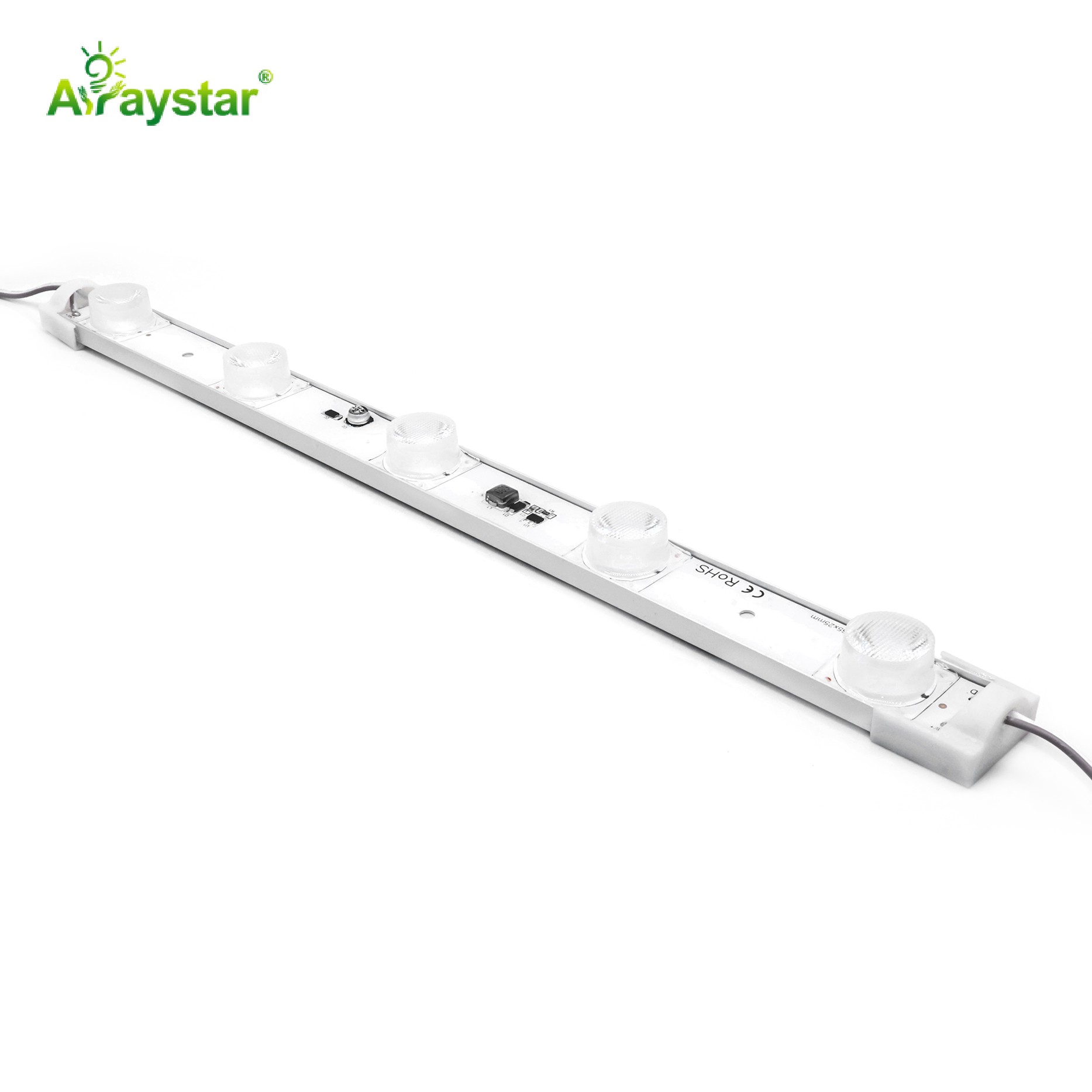
24V Constant Voltage Rigid LED Module Strip – 320×17mm (ART-FL320-CV-24)
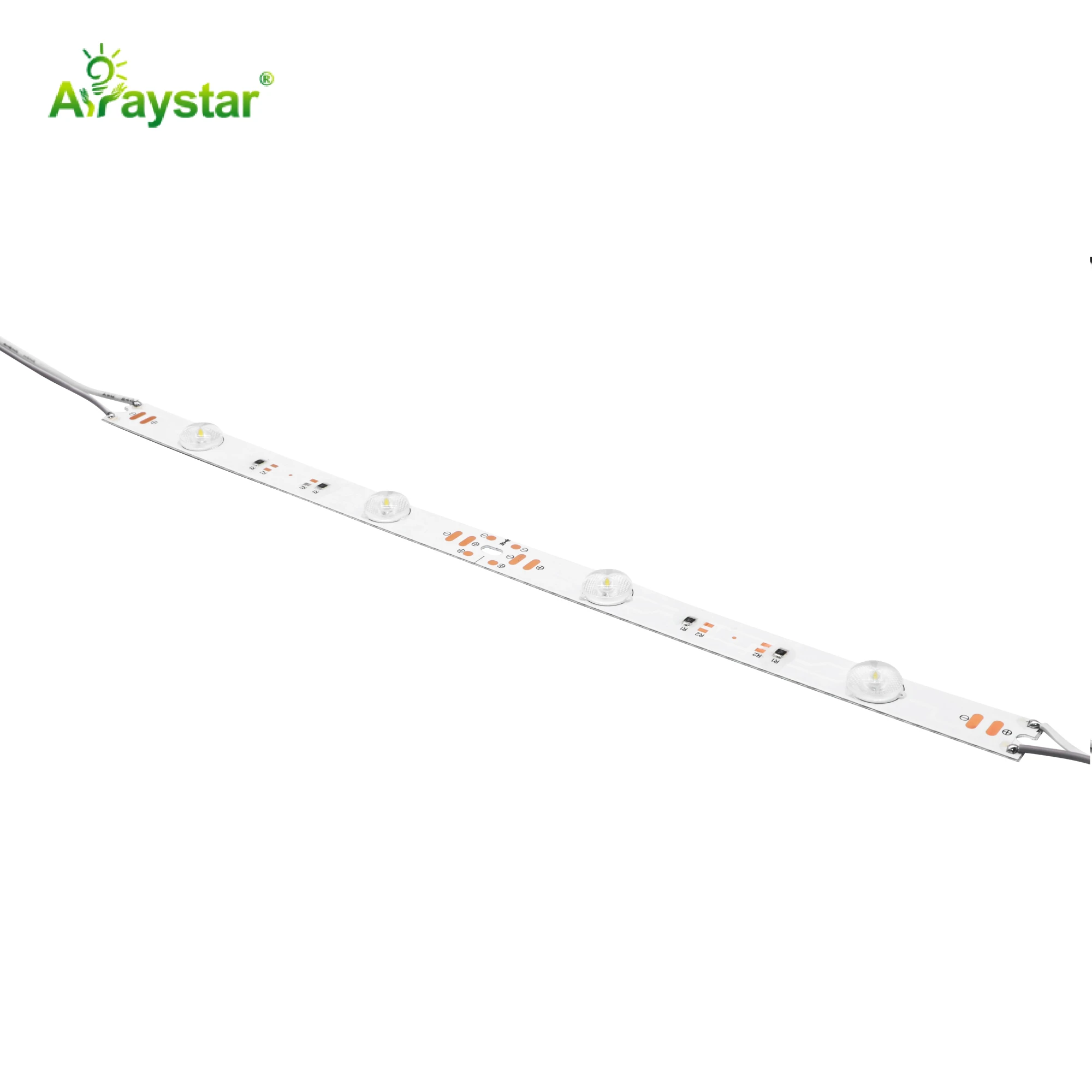
Category Parameter Specification General Model ART-FL320-CV-24 General Product Type Constant Voltage Rigid LED Module General LED Brand Osram General LED Quantity 4 LEDs/module Electrical Input
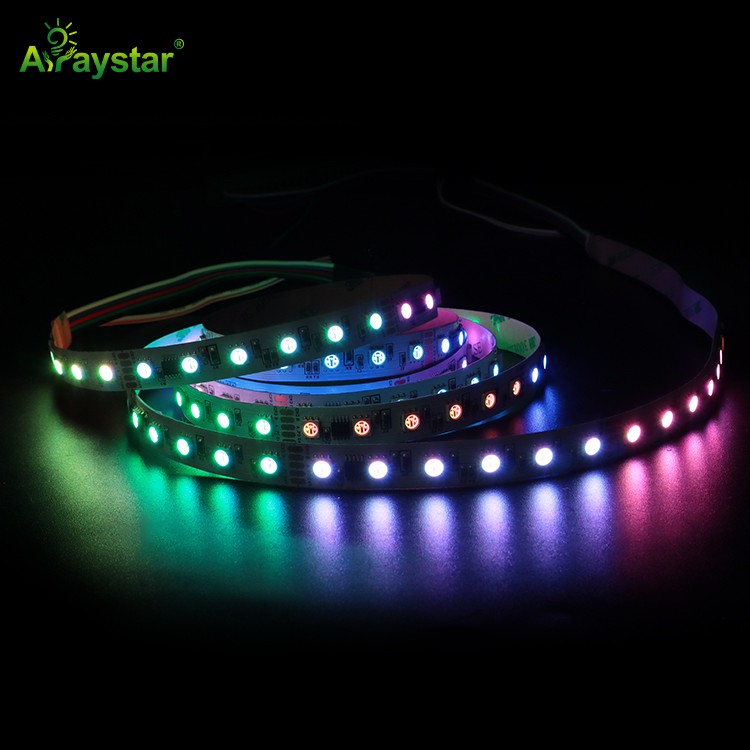
WS2811 IC Built-in SPI LED Strip ART-5050IC2811-60-RGB-24
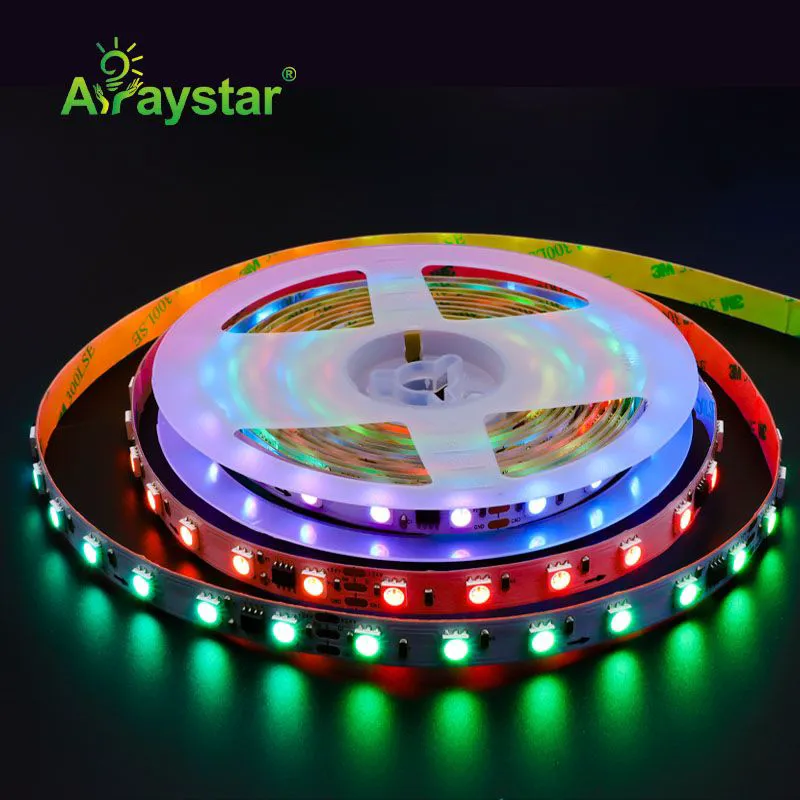
WS2815 IC Built-in SPI LED Strip Color Voltage Power(W/m) LED Type LED Qty/m Cut Size PCB Width IP Rating Pixel Qty Pixel Qty ART-5050IC2815-60-RGB-12 Magic RGB 12V DC 12 W/m SMD 5050 60 16.6mm 20mm
Frequently Asked Questions
Q: Can rigid led strip be used outdoors?
A: Only IP65 or higher rated strips are suitable for outdoor use. IP65 for covered/splash areas, IP67 for exposed outdoor, IP68 for underwater/submersion. Always use waterproof connectors and properly seal all connections for outdoor installations.
Q: How do I calculate the power supply size for rigid led strip?
A: Multiply the strip's wattage per meter by total length, then add 20% headroom. For example: 5m × 14.4W/m = 72W + 20% = 86.4W, so choose a 100W power supply. Always use a power supply rated for LED applications.
Q: What should I consider before buying rigid led strip?
A: Key factors include: required brightness (lumens/m), color temperature, voltage (12V/24V/48V), IP rating for environment, LED density, CRI requirement, dimming compatibility, and total run length. Calculate total wattage to size your power supply correctly.
Q: How do I dim rigid led strip?
A: Multiple dimming options available: 0-10V, PWM, TRIAC, DALI, DMX512, and wireless (WiFi/Zigbee/Bluetooth). Ensure your dimmer is compatible with the strip's voltage and current. COB strips dim especially smoothly due to uniform light output.
Q: What is the maximum run length for rigid led strip?
A: This depends on voltage and copper weight. 12V strips typically max 5m, 24V up to 10m, 48V up to 20m. For longer runs, use power injection at both ends or intermediate points to prevent voltage drop and color shift.
Conclusion
Smart LED strip control allows app, voice, and automated control of lighting. Options: WiFi (easy setup, no hub, works with Alexa/Google, but relies on home network), Zigbee (mesh network, low power, needs hub, very reliable, works with Philips Hue/SmartThings), Bluetooth (direct phone control, no hub/internet needed, limited range, best for small installations), DALI (professional building automation, individual fixture control, expensive, for commercial projects). Choose based on installation size, budget, desired features, and existing smart home ecosystem. Arraystar LED offers 15+ years of LED strip manufacturing experience with full OEM/ODM capabilities, CE/RoHS/ERP certification, and 3-year warranty. Contact our team for a free consultation and custom quote for your project.
Ready to start your project? Contact us today for expert guidance and competitive pricing.
About the Manufacturer
ArrayStar LED is a professional LED strip manufacturer in Shenzhen, China since 2010, serving 80+ countries. We support custom OEM/ODM projects (custom CCT, CRI, PCB, logo, packaging) and wholesale supply for distributors and contractors worldwide.