The End Cap Keeps Pulling Off My Neon Flex Under Tension
- 2026-11-02 15:54
- /
- Arraystar LED
The end cap almost never fails because the glue is weak. It fails because the cable exit is being pulled like a rope, and the cap pries off before the adhesive ever lets go. I fixed this on a harbour sign by adding a service loop and a separate clamp, not by squeezing in more silicone.
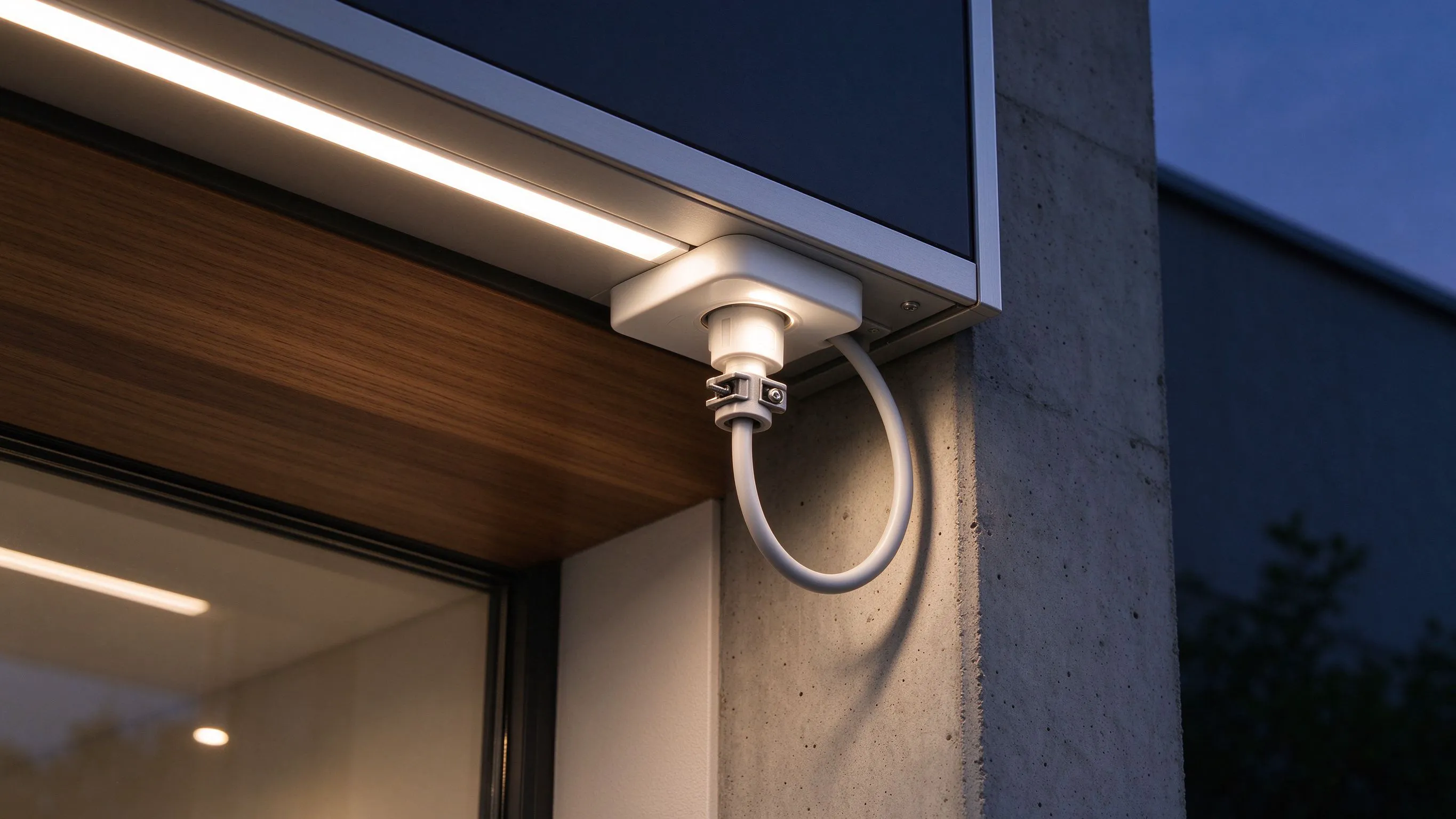
The cap pops off, the silicone stays on
The symptom is specific: the end cap slides off the tube, the silicone jacket is still clean and glossy, and the glue on the inside of the cap is not even sheared. It looks like a bad glue joint, but the glue is fine. What happened is the cable tail pulled sideways at the cap, turning the cap into a lever and popping it off the tube in one clean motion.
On a wall sign this happens when the cable runs straight down into a wall gland with no slack. On a hanging sign it happens when the sign sways in the wind and the cable tugs at the gland. The first cap to go is always the one where the cable exits at 90 degrees to the tube, not the one where the cable runs along the tube.
Why the cable exit is the weak point
A typical end cap is a moulded plastic or silicone boot that slips over the tube and is bonded with neutral-cure silicone. The cap itself has almost no mechanical grip; the adhesive carries the load. But the cable exit hole in the cap is where every pull in the system lands, because that is the only place the outside world can touch the tube.
Three forces that pry the cap off
- Wind sway on a hanging sign tugs the cable sideways at the gland.
- A tight cable run to the driver pulls the cap straight out along the tube axis.
- Thermal cycling loosens the adhesive after a winter of expansion and contraction.
The order I bond and strain-relieve now
I stopped trying to glue the cap harder. The fix is to make sure no pull ever reaches the cap at all. That means a service loop, a separate clamp on the tube 50 mm back from the cap, and only then the silicone bond. The cap holds the dust and water out; the clamp holds the mechanical load.
- Slide the cap on first, solder the lead wires to the tube pads, and insulate with heat-shrink.
- Inject neutral-cure silicone into the cap until it oozes out the rear seal, then push the cap home.
- Clamp the tube with a stainless saddle 50 mm behind the cap so axial load lands on the saddle.
- Leave a 50 mm service loop in the cable between the saddle and the wall gland.
- Bed the cable exit with an extra dab of silicone so water cannot track down the wire.
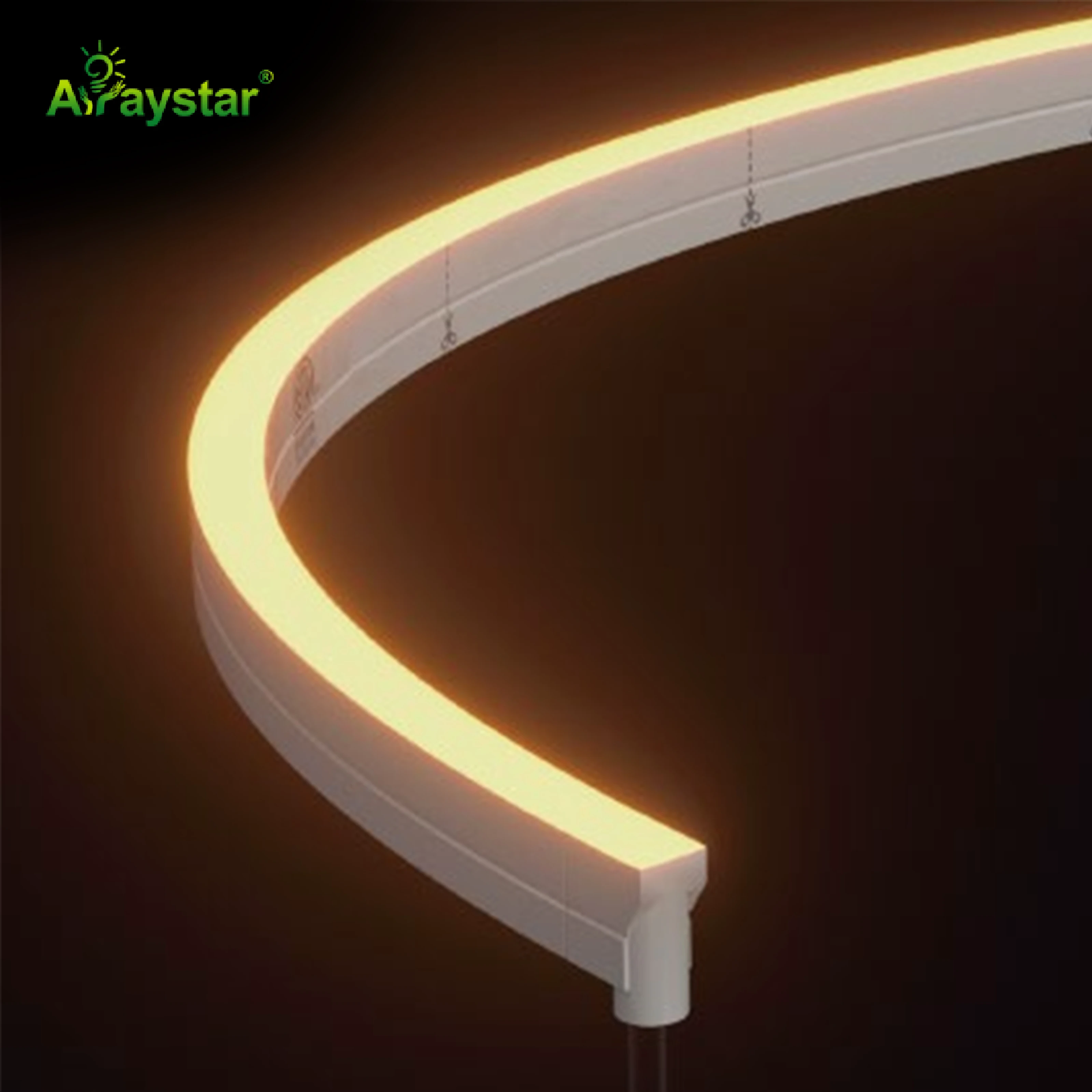
Which caps hold and which do not
Not all end caps are the same. Slip-on PVC caps crack in UV and fall off within a year on a sun-facing wall. Machined silicone boots hold up better, and caps with a built-in cable gland beat a drilled hole every time. The cross-section of the tube matters too; a fatter tube spreads the bond area and resists prying better.
Buy the cap with a gland if the cable exits at that end.
| Cap type | UV / outdoor life | Strain relief built in? | Best use |
|---|---|---|---|
| Slip-on PVC boot | 6 to 12 months | No | Interior only |
| Injection silicone boot | 3 to 5 years | No | Exterior, add clamp |
| Silicone boot with gland | 5+ years | Yes | Facade and hanging signs |
| Heat-shrink sealed tail | 1 to 2 years | No | Temporary / bench builds |
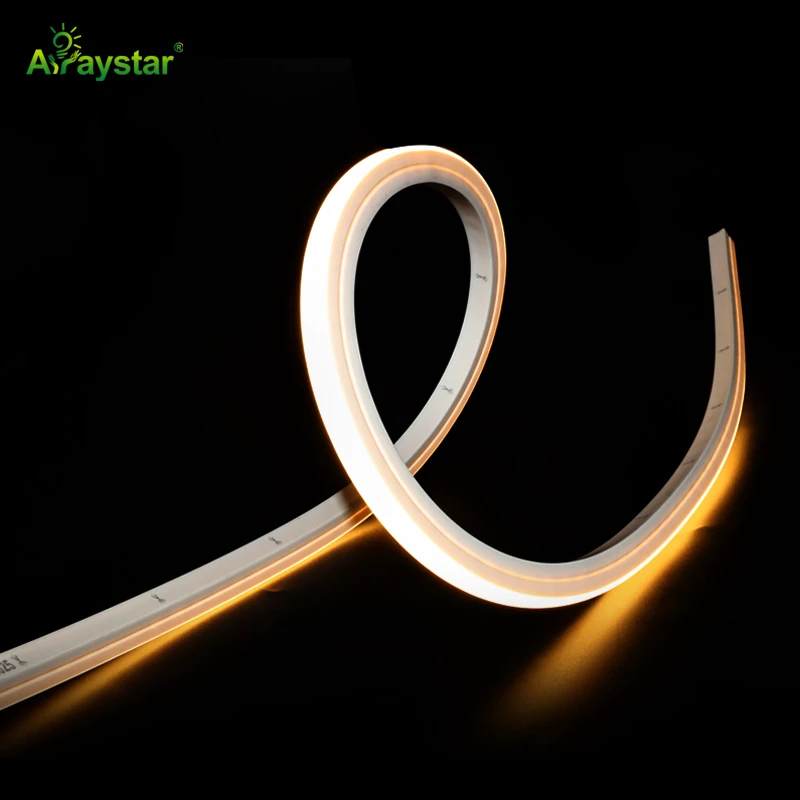
What I do on a hanging or wind-loaded sign
Hanging signs move. Even a gentle breeze swings a 1.5 metre acrylic panel by 20 to 30 mm at the bottom edge, and every swing tugs at every cable exit. I treat the cap as a weather seal, not a structural anchor, and I clamp the tube itself near the exit.
- Clamp the tube within 50 mm of the cap so movement lands on the clamp, not the adhesive.
- Use a flexible stainless gooseneck or a short strain-relief pigtail between the gland and the tube.
- Run the cable down the centre of the sign frame, not tight along one edge, so sway does not tug sideways.
- Inspect every cap at six months the first year, then once a year after that.
Recommended Products
Frequently Asked Questions
What glue should I use on neon flex end caps?
Neutral-cure acetoxy-free silicone adhesive only. Acetic-cure silicone smells like vinegar and attacks copper pads and brass glands, which is exactly what you do not want inside a sealed cap. Apply a bead around the inner lip, push the cap home, and let it cure 24 hours before powering or moving the sign.
How big a service loop should I leave?
50 mm minimum between the last clamp and the wall gland. On a hanging sign in a windy location I go to 100 mm. The loop absorbs sway and thermal movement so the cable never pulls directly on the solder joint inside the cap. Loop downward, never upward, so water runs away from the gland.
Can I just crimp a metal ring around the tube behind the cap?
No, a tight metal ring crushes the silicone and pinches the inner strip, which creates a dark band at the ring and cracks the copper trace. Use a smooth stainless saddle lined with a rubber insert, and tighten just enough that the tube cannot slide. It should not deform the jacket.
Why does my cap pop off only in winter?
Cold silicone is stiffer and shrinks by roughly 0.15 to 0.20 mm per metre per degree. On a 2 metre run that is 12 to 18 mm of contraction across a 40 degree swing, and if the cable is fixed at both ends the cap takes the force. Leave the service loop sized for the full winter swing and the loop absorbs the movement.
Should I fill the whole cap with silicone or just the rim?
Just a bead around the rim and a thin smear over the solder joint. Packing the cap full of silicone traps the heat from the LEDs and makes the joint run hot, which shortens life. You want a watertight seal, not a potting job. Wipe out the squeeze-out before it skins over.
Need help with your LED project?
Get factory-direct pricing, free samples and engineering support within 24 hours.
Email: info@arraystarled.com | Phone: +86-0755-2103-6746 | WhatsApp: 0086 1581 8514 077
Need to size your power supply? Use our LED Strip Power Calculator to find the right driver in seconds.