Temporary Underwater Neon Flex: When IP68 Still Is Not Permanent
- 2026-10-28 10:03
- /
- Arraystar LED
IP68 neon flex can run underwater for a pool event or a fountain installation, but it is not built to live there year-round. I treat every dive as a temporary job: sealed drivers on land, a lift-out routine written in advance, and a hard date for decommissioning.
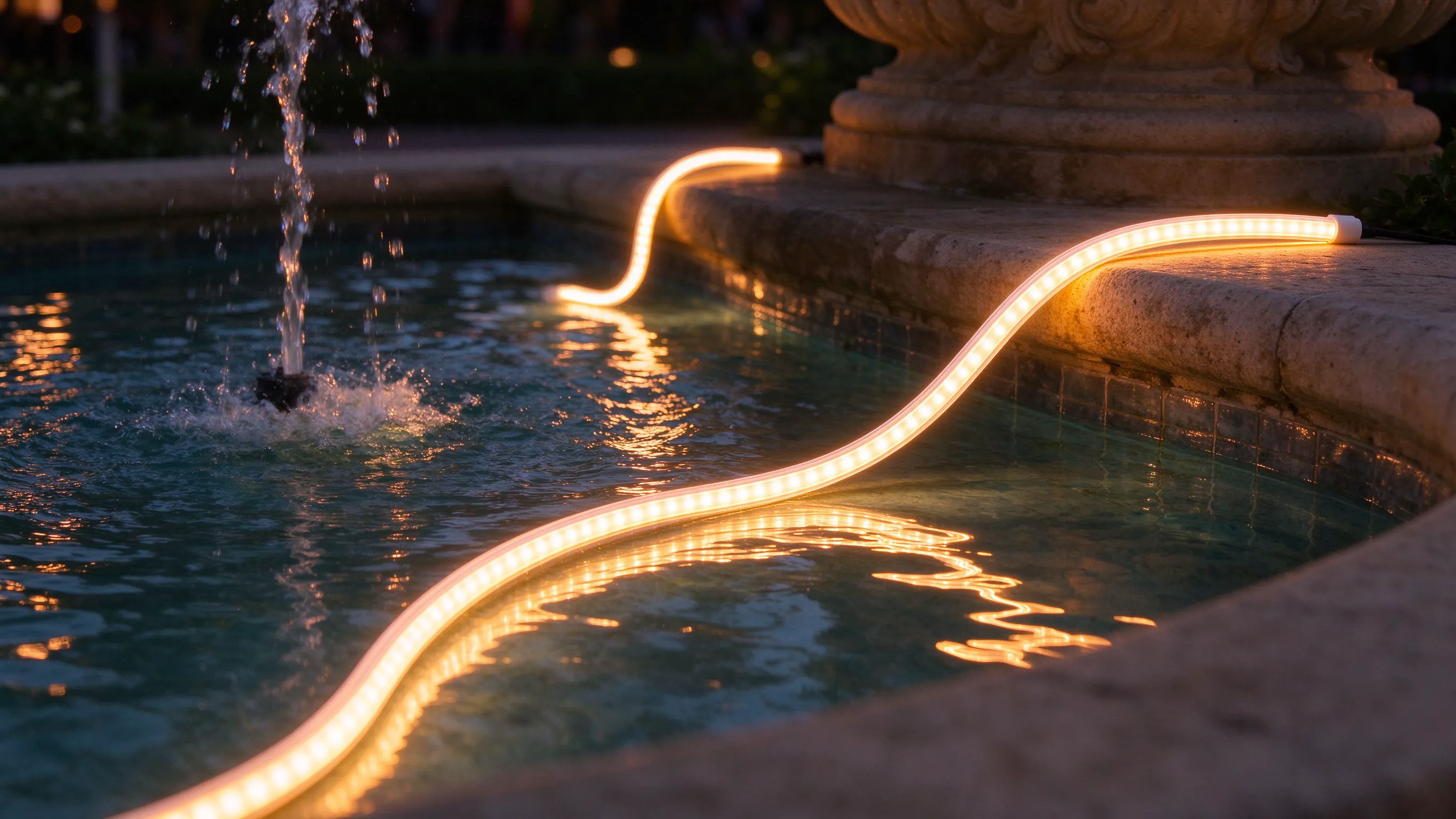
What IP68 actually means under water
IP68 means the flex and its moulded joints keep water out under a specified pressure and time — it does not mean 'swim forever'. A neon flex rated IP68 is built for rain, wash-down and short immersion, and it will run submerged in a pool for a weekend event with no trouble. The rating is a bench test, not a lifetime promise: a flex that survives 30 minutes at 1.5 m on the test bench is not designed to sit at the bottom of a pool for a winter. The failure mode appears when it stays in the water for months: chlorine, temperature cycling and algae slowly work on the end seals, and a driver that was never meant to sit wet corrodes from the outside in.
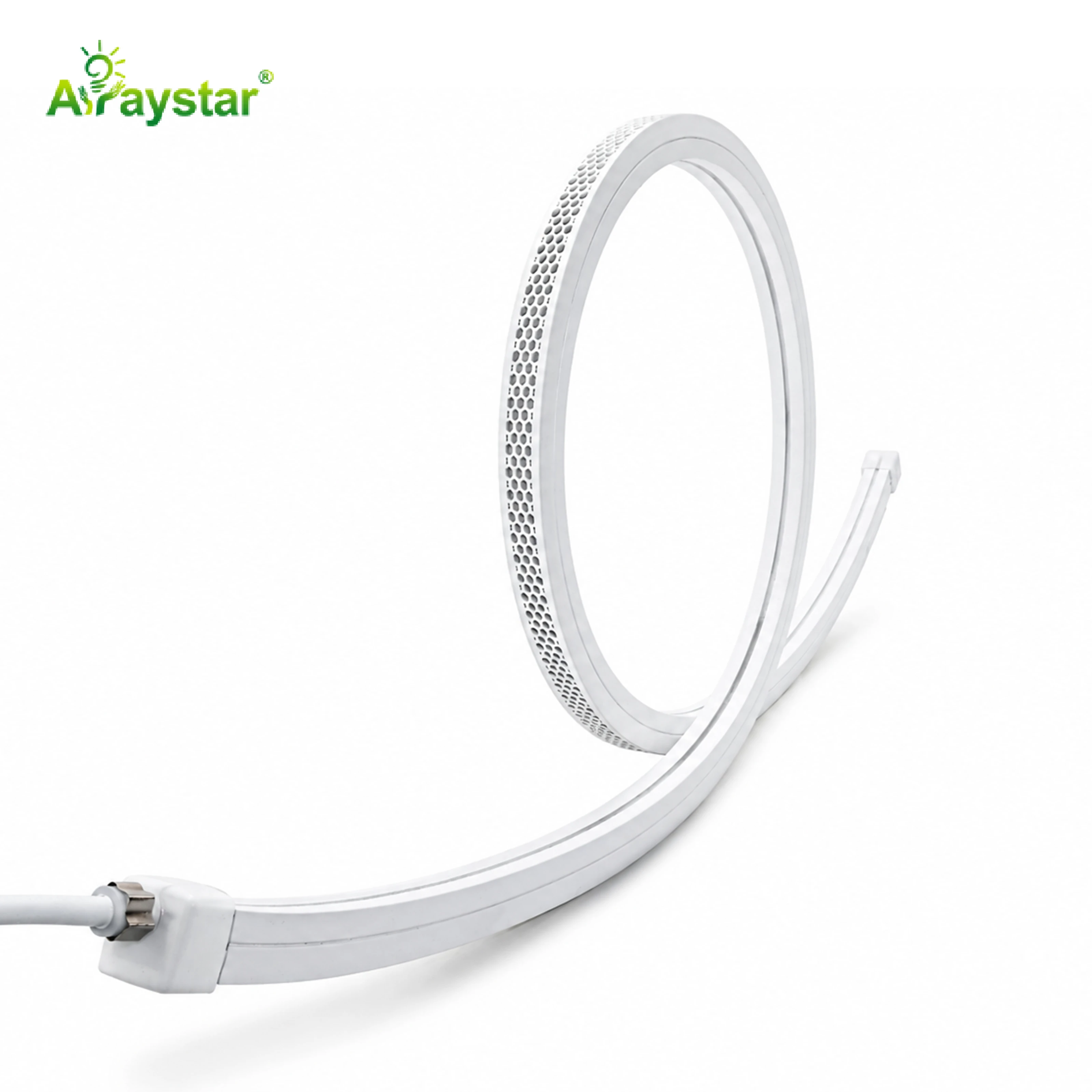
The setup for a temporary dive
- Keep every driver and connection on land, above the water line and in a sealed IP66 junction box.
- Use only factory-moulded IP68 joints; do not cut-and-rejoin flex underwater unless the join is made above water and fully capped.
- Secure the flex to a non-corroding rail (stainless or plastic) so buoyancy does not lift it off the bottom.
- Plan the lift-out date on day one, and mark the cable runs so retrieval is fast at decommissioning.
The 24V supply stays on land for a reason. A submerged driver is a corrosion waiting to happen, and a 24V SELV feed through a properly rated cable is perfectly safe for a temporary pool run. I use a pool-grade cable rated for immersion, around 18 AWG for a 5–8 m run, and keep the join out of the water entirely. I also mark the cable runs with tape on day one, so when the event ends at 2 am the crew is not guessing which line lifts first.
Beam and colour choice for underwater looks
Anti-glare profiles diffuse the LEDs so the underwater line reads as a smooth glow, not dots.
| Profile | Beam spread | Best use | Note |
|---|---|---|---|
| 12×12 mm anti-glare | Soft, diffused | Pool edge, gentle glow | Warm white reads clean under water |
| 16×16 mm anti-glare | Wide, even | Long fountains, feature runs | More surface area to seal |
| 16×16 mm black/white | Broad | Bold event lines | Black housing hides above-water cable |
Before I power up any underwater run, I confirm the circuit is protected by a 30 mA RCD/GFCI, because a pool deck and a wet cable are the exact conditions a residual-current device is there for. I also keep the 24V feed junction box at least 30 cm above the high-water line, so a splash or a rising tide never reaches the terminals. If the run crosses a walkway, I cover the cable with a rubber ramp rather than tape it down, because a taped line across wet tiles is a trip hazard and the tape itself peels within a night. I always run the colour choice past the client with a wet swatch, because underwater white shifts cooler than it looks on the bench and a surprise at switch-on is not what a sponsor wants.
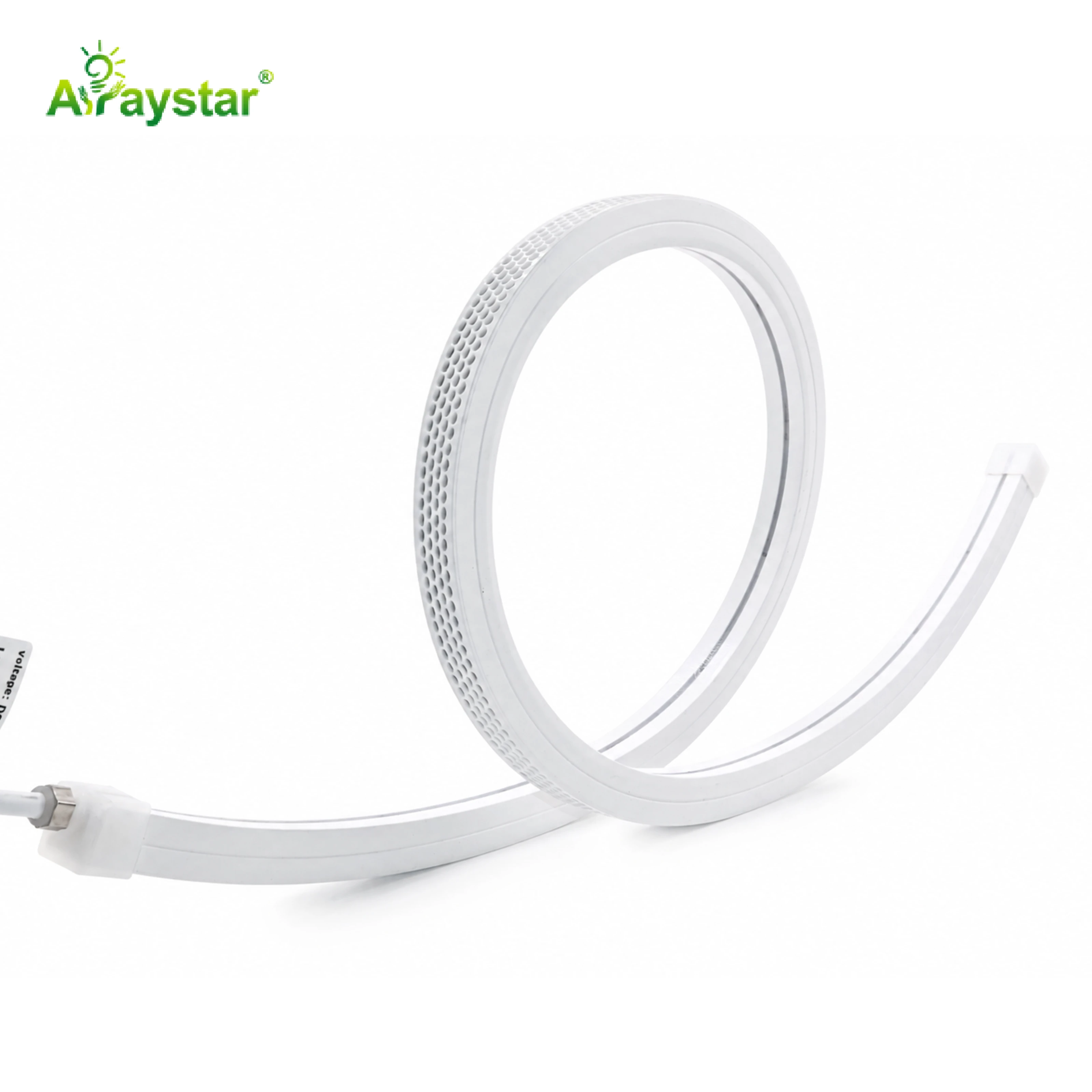
The lift-out routine
Decommissioning is where temporary installs get damaged. I leave enough cable slack to pull the flex up without yanking the joints, and I lift the rail, not the flex itself. Once out, I flush the flex with fresh water, dry it, and store it flat in a cool, dark place. I never roll wet neon back onto a reel; trapped moisture between layers moulds the jacket over winter. A weekend neon that is lifted, rinsed and dried has done the job it was asked to do. I lift with two people on the rail, one on the cable, so no joint gets a straight pull.
When to call it permanent instead
If the client wants the neon in the pool all year, I stop treating it as a temporary dive and price a proper underwater lighting build, not a strip of IP68 flex. Year-round immersion means dedicated underwater luminaires, rated junction boxes designed for the depth, and a maintenance contract. The black-and-white 16×16 mm anti-glare flex is great for a month-long event run, but I would not leave it in a public pool over a winter. The line I draw is simple: a flex strip is a temporary event light, and a permanent pool build is a different product. Saying no to a permanent dive out of a strip saves the client a flooded light fixture and a warranty argument.

Recommended Products
Frequently Asked Questions
Can IP68 neon flex stay in a pool all year?
I would not. It survives a weekend or a month-long event, but year-round immersion needs dedicated underwater luminaires and rated junction boxes, not a flex strip.
Where do I put the driver for a pool event?
On land, above the water line, in a sealed IP66 junction box. A submerged driver corrodes; a 24V SELV feed through immersion-rated cable is safe for a temporary run.
Can I cut and rejoin neon flex underwater?
No. Make every join above water, fully cap it, and only lower the flex once the joint is sealed. A cut-and-rejoin done wet will leak the first time it is submerged.
How do I stop buoyancy lifting the flex off the bottom?
Fix it to a non-corroding rail — stainless or plastic — at 100–150 mm spacing. Loose flex floats, tangles and shows gaps in the glow.
What do I do with the flex after the event?
Lift the rail (not the flex), flush with fresh water, dry fully, and store flat and dark. Never reel it up wet; trapped moisture moulds the jacket.
Need help with your LED project?
Get factory-direct pricing, free samples and engineering support within 24 hours.
Email: info@arraystarled.com | Phone: +86-0755-2103-6746 | WhatsApp: 0086 1581 8514 077
Need to size your power supply? Use our LED Strip Power Calculator to find the right driver in seconds.