Neon Flex Adhesion in Winter: Why VHB Fails Below 10°C and What Works
- 2026-10-28 10:03
- /
- Arraystar LED
Sticking neon flex on in cold weather is a guaranteed peel. I heat the surface, prime it, and add mechanical clips until the adhesive has warmed up enough to hold.
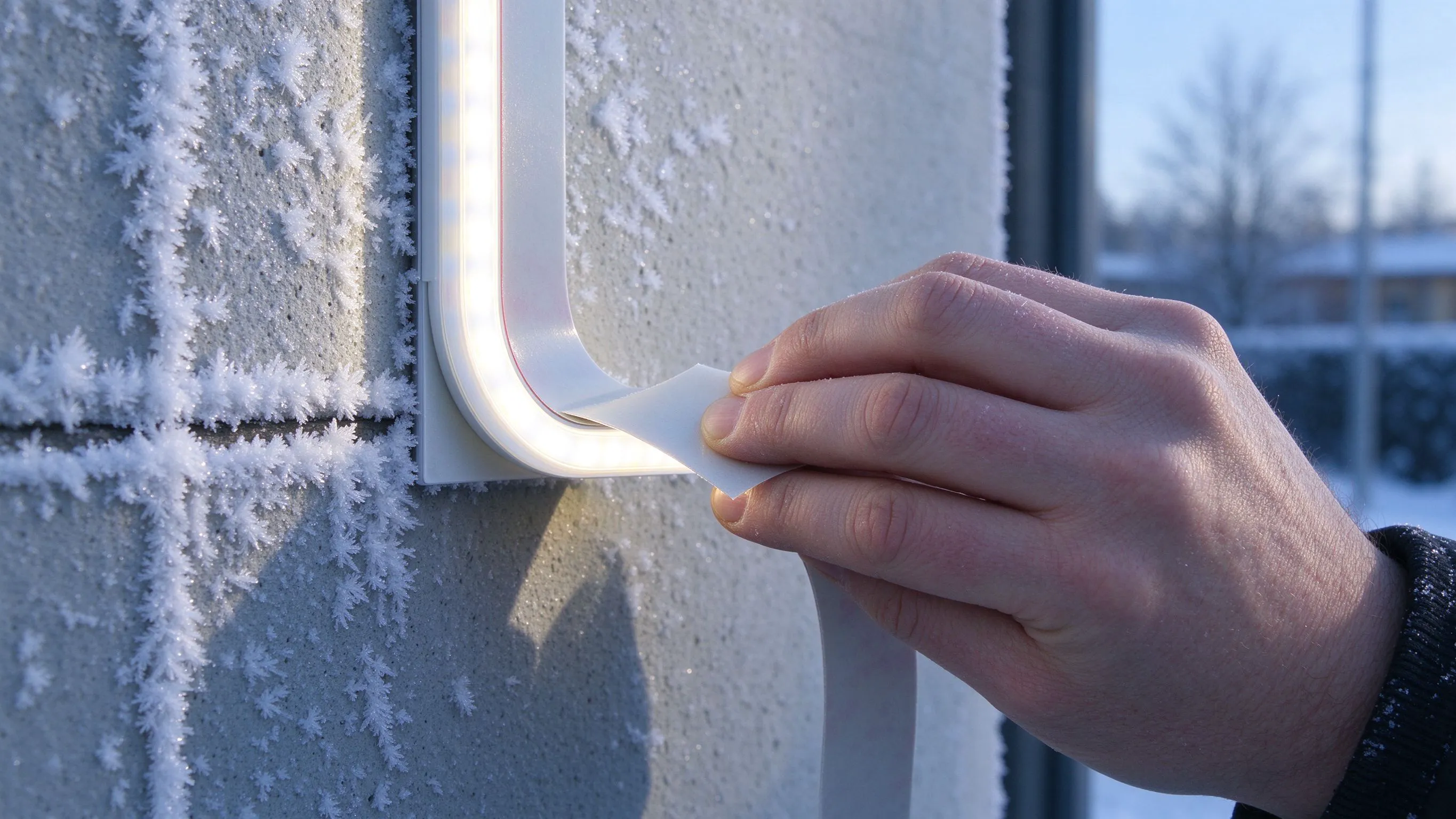
Why VHB and silicone tape fail below 10°C
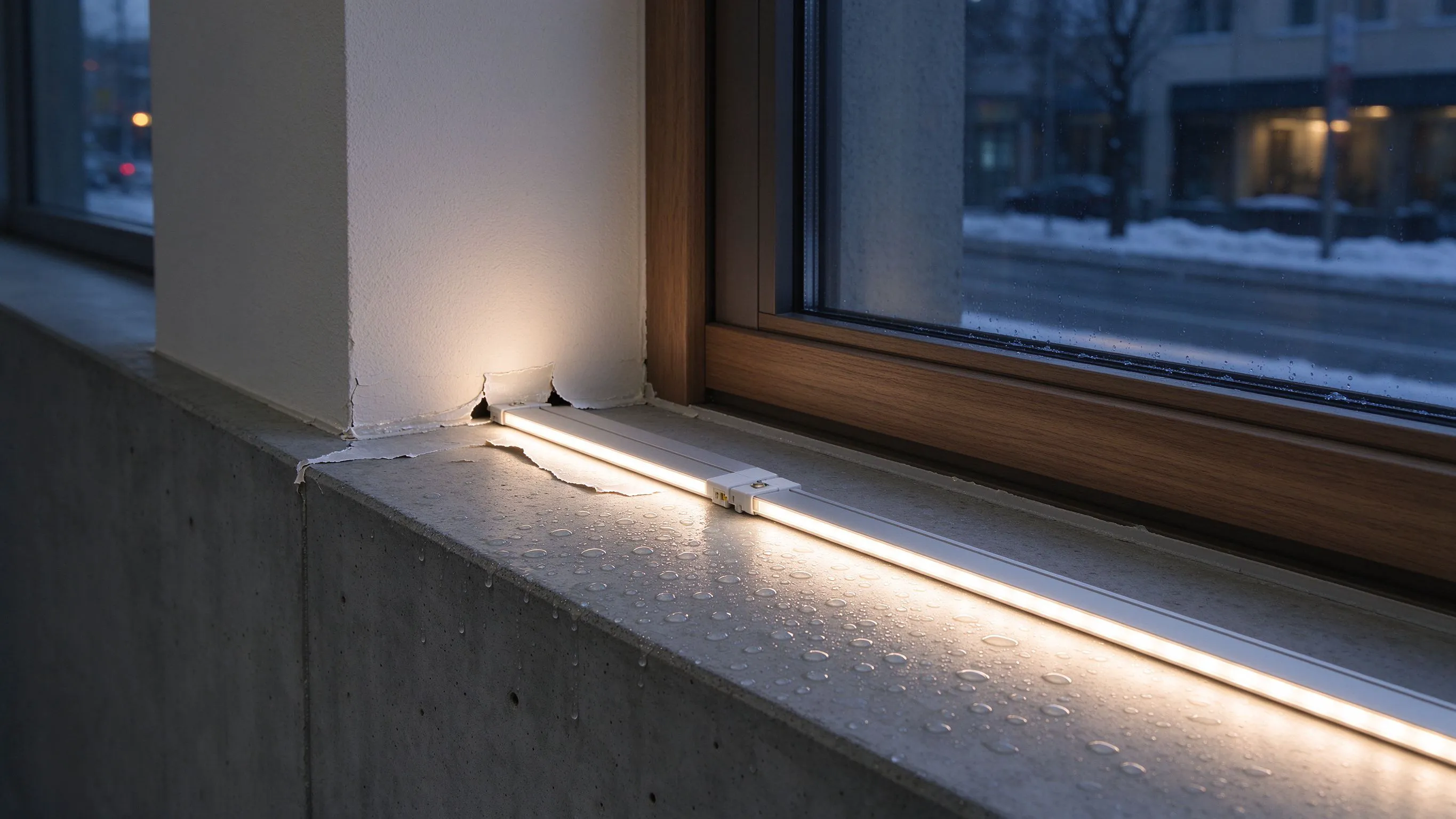
Acrylic foam tapes like VHB cure by a wetting process that relies on molecular contact. Below about 10°C the acrylic gets stiff, the wetting front slows to a crawl, and the tape never builds its rated bond. On a brick wall at 4°C in a drizzle, a fresh VHB strip lifts at the corners within 48 hours.
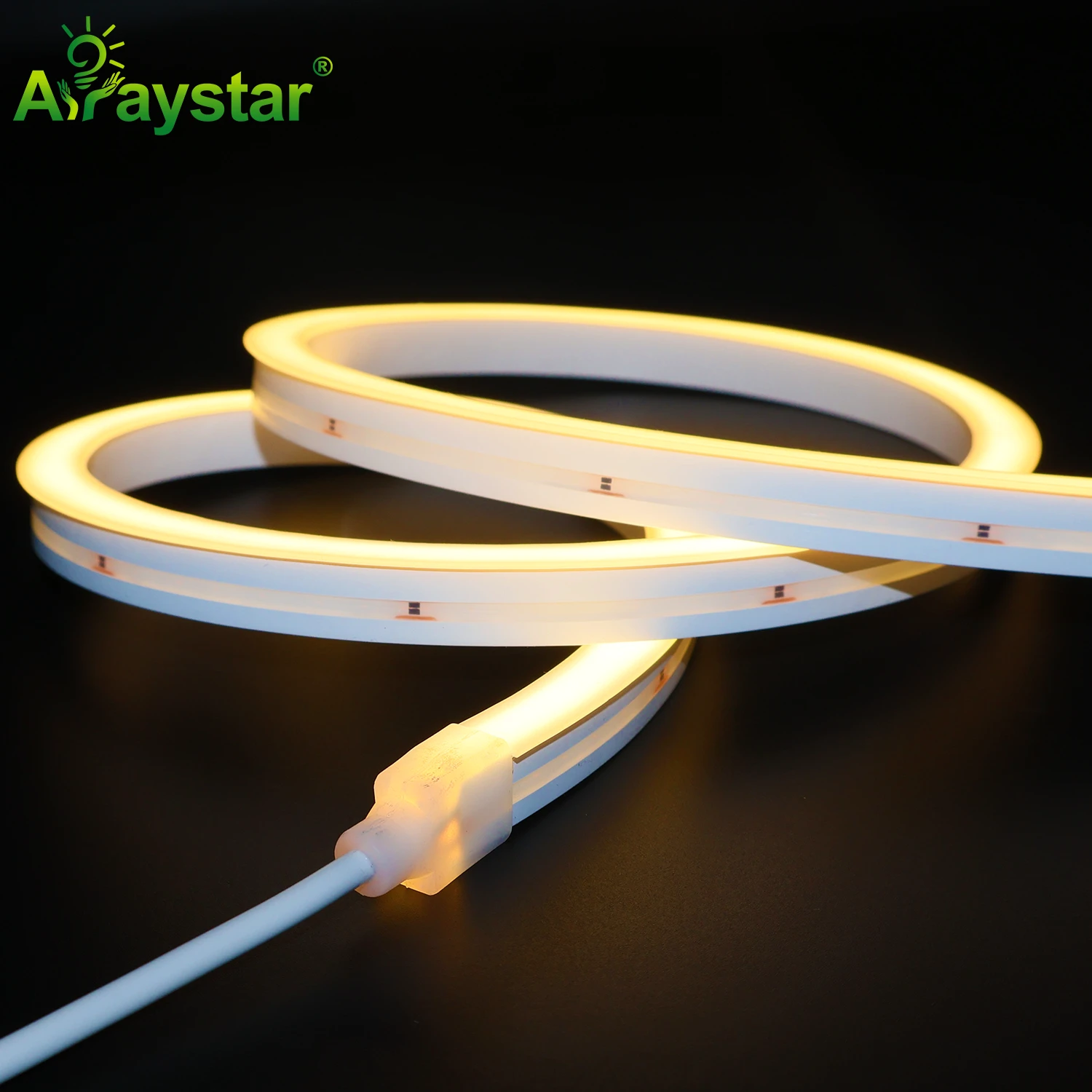
The silicon flex itself compounds the problem. Smooth, low-energy silicon has surface energy around 20–30 dyn/cm, while most tapes want 35+ dyn/cm to bite. Cold silicon is even harder to bond. I have seen installers blame the tape when the real failure is the silicon skin on the back of the profile.
What kills the bond
- Surface temp below 10°C: acrylic wetting stalls
- Silicon skin on the flex back: low energy
- Dew or condensation: water film between tape and wall
- Dust on rendered brick: poor mechanical key
How I prep the surface in winter
First, dry the wall. I use a propane torch on the lowest setting, held 30 cm away, just to evaporate surface dew — not to heat the brick to the touch. Then I wipe the back of the flex with an isopropyl wipe and let it flash off. Any water left between the tape and the wall becomes the delamination front.
On porous render I apply a thin coat of surface primer, an edge sealer, and let it go tacky for 10 minutes. On metal or aluminium extrusions I scuff the contact face with a grey Scotch-Brite pad to break the smooth oxide, then wipe again.
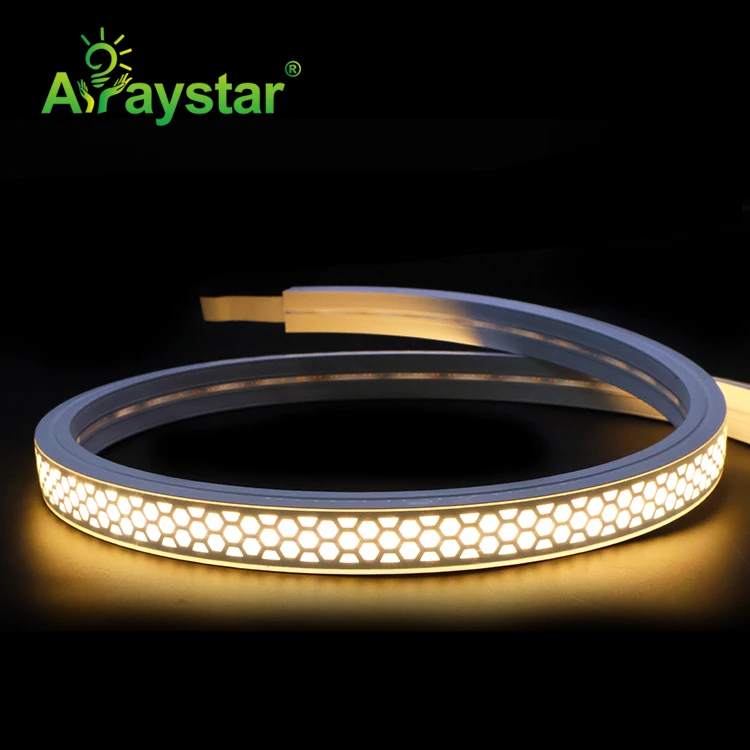
Prep checklist I run on site
| Step | Tool | Target |
|---|---|---|
| Dry wall | Low torch or squeegee | No visible dew |
| Clean flex back | IPA wipe | Flash-off dry |
| Scuff metal | Grey pad | Matte, not shiny |
| Prime render | Edge sealer | Tacky to touch |
Clips: the safety net until summer
Even with perfect prep I do not trust adhesive alone on a winter install. I add UV-stable polycarbonate clips every 300 mm, screwed into the substrate with a 4 mm stainless screw. The clips carry the mechanical load; the tape only locates the flex and keeps it from shifting between clips. Come May, when the tape has finally cured in the sun, the clips are still invisible and hold no matter what.
For lettering on glass I use a different trick: small aluminium stand-offs with a set screw, not adhesive. Glass is too smooth and too cold in winter for tape, and a stand-off lets the sign breathe around the edges.
Clip spacing in cold
- Below 10°C: clips every 300 mm
- 5–10°C: clips every 400 mm
- Above 15°C: tape-only acceptable on smooth surfaces
- Always clip within 100 mm of end caps
Heat-setting the flex and the tape
If I have to install on a day below 5°C, I warm the tape after application with a heat gun on low, sweeping along the length for 30 seconds per metre. The heat accelerates initial wetting; I follow with a rubber roller at about 5 kg of pressure to squeeze out air. This buys me 7–10 days of bond strength while the adhesive slowly builds.
Never heat the silicon flex directly for more than a few seconds. Silicon melts or bleaches around 150–180°C, and a hot-gloved hand will tell you instantly if you are overdoing it.
Heat-set rules
- Low heat, sweep along, not on one spot
- Roll with 5 kg pressure after applying
- Warm tape, not the silicon itself
- Wait 24 h before hanging any load off the flex
When to walk away and reschedule
Some days you just do not install. If the wall is below freezing, if there is active drizzle, or if the forecast is for a night below −2°C, I reschedule. A peel-off warranty claim costs far more than a delayed install. I would rather turn up on a 12°C morning and bond it right than fight the weather for three days.
For clients pushing for a December opening, I propose a temporary clipped install with a note that adhesive will be reinforced in spring. It is honest, it holds, and it avoids the it fell off in January phone call.
Reschedule triggers
- Surface temp below 0°C
- Active rain or drizzle
- Dew point within 2°C of wall temp
- Forecast night below −5°C
Recommended Products
Frequently Asked Questions
What temperature is too cold for VHB tape?
I stop trusting VHB below about 10°C, and I will not install at all below 0°C. Acrylic foam tapes wet into the surface slowly when cold; below 10°C the bond builds at a fraction of its rated speed and peel-off within weeks is common. Use clips until the surface warms.
Can I use a heat gun to make VHB stick in winter?
Yes, briefly. Warm the wall and the tape after application with a low setting, sweeping along the length for 30 seconds per metre, then roll with 5 kg pressure. Do not heat the silicon flex directly — it bleaches or deforms around 150–180°C. This buys initial bond while the adhesive slowly cures.
How many clips do I need per metre in winter?
Below 10°C I add a UV-stable polycarbonate clip every 300 mm, screwed with a 4 mm stainless screw. Between 5 and 10°C I space them 400 mm. Above 15°C I will often go tape-only on smooth substrates, but I still clip within 100 mm of end caps and feed points.
Does silicon flex need a primer before taping?
On porous render or rough brick, yes — a thin edge sealer or surface primer wiped on and left tacky for 10 minutes gives the tape a uniform surface. On smooth metal I scuff with a grey pad instead. The smooth silicon back of the flex itself is cleaned with isopropyl, not primed.
What is the best way to bond neon flex to glass in winter?
Do not use tape on cold glass. Use small aluminium stand-offs with a set screw, or mechanical channel with a clip cover. Glass holds dew, is too smooth for acrylic tape at low temperature, and a peel-off on glass leaves a permanent smear. Stand-offs also let the sign breathe.
Need help with your LED project?
Get factory-direct pricing, free samples and engineering support within 24 hours.
Email: info@arraystarled.com | Phone: +86-0755-2103-6746 | WhatsApp: 0086 1581 8514 077
Need to size your power supply? Use our LED Strip Power Calculator to find the right driver in seconds.