Why Old Neon Tubing Shifts Colour Over the Years (and How to Spot It)
- 2026-10-28 10:02
- /
- Arraystar LED
I stopped trusting a sign after its third winter once I learnt that warm pink turning orange was neither a dirty diffuser nor a loose driver. It is the phosphorus and the silicone slowly ageing, and once it starts, the only fix is a replacement, not a clean.
What actually changes colour on an ageing sign
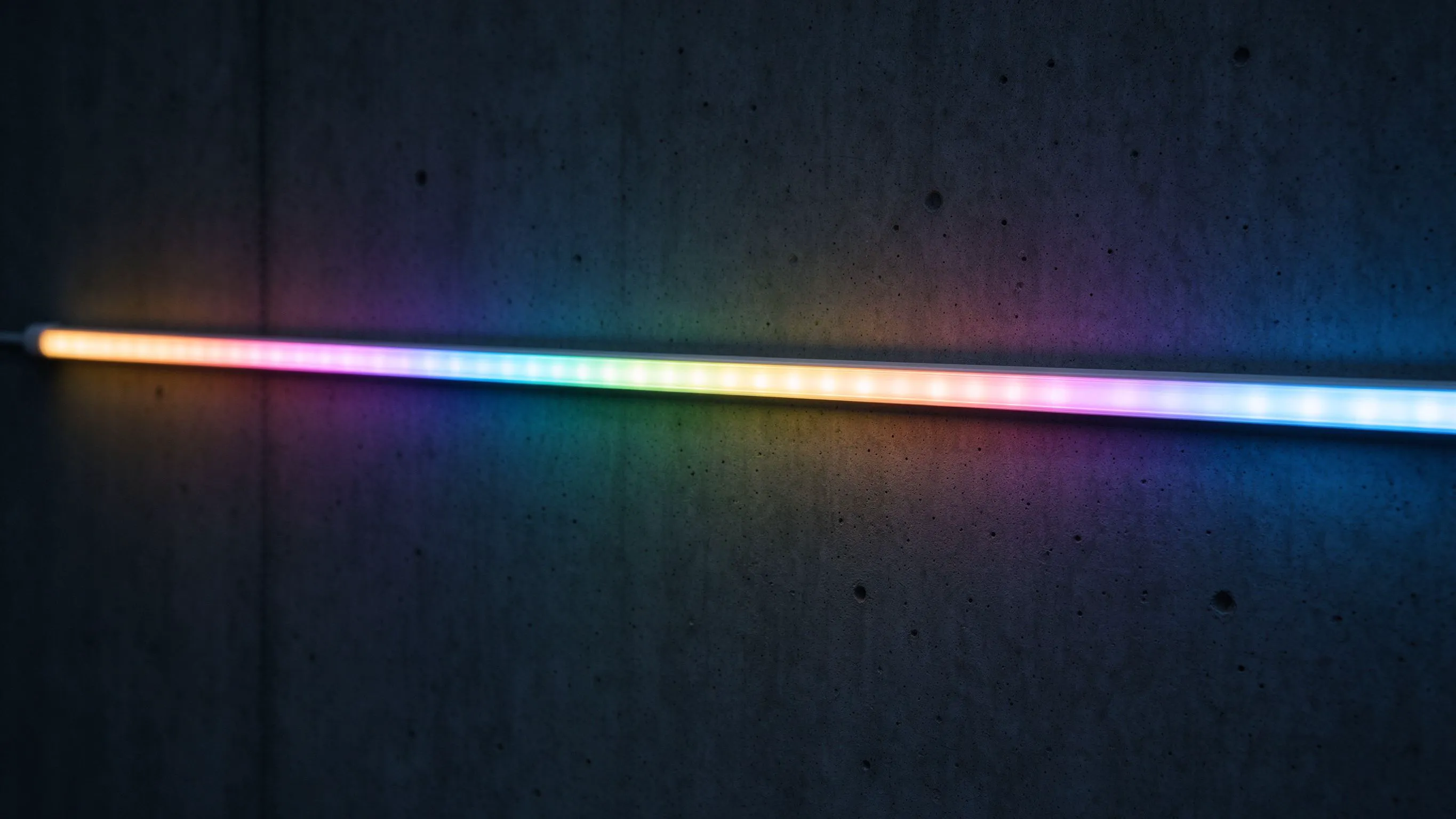
People bring me signs that glowed a clean warm white or a hot pink when they were new, and now they read amber or salmon. On a glass neon tube the cause is phosphorus burn: the coating on the inside wall degrades from years of ion bombardment, and the gas itself changes emission as mercury droplets pool at the cool end. On an LED silicone flex the cause is different but the complaint looks identical. The silicone diffuser yellows from UV, and the LED bins drift warm as the phosphor on each chip ages.
The tell is where the shift sits. If one corner of a run is orange and the rest is fine, that corner sat in direct afternoon sun for four years and the silicone has cooked. If the whole sign shifted evenly, that is system ageing, not a local fault. I note the pattern before I touch anything, because it tells me whether I am replacing a section or planning a full refurb.
The three ageing mechanisms I separate on site
- Silicone diffuser yellowing from UV, worst on the sun-facing side of the run.
- LED phosphor drift, where chips that were 3000 K drift toward 3500-4000 K over time.
- Driver voltage sag, which dims the run evenly and can masquerade as colour loss.
How much shift is normal before year five
A good silicone flex in a shaded indoor corridor will hold its colour within a hundred Kelvin for four or five years. Out on a west-facing facade in a hot climate, I expect noticeable warm drift by year two and visible yellowing of the diffuser by year three. That is not a failure of the product, it is the budget being spent on UV resistance you did not pay for. A food-grade or UV-stabilised silicone buys you two extra years at the cost of roughly fifteen percent on the tube price.
Drift accelerates with sun hours; the sun side always fails first.
| Exposure | Expected colour drift by year 3 | Visible yellowing | Action |
|---|---|---|---|
| Indoor, shaded | Under 150 K | None | Leave it |
| Covered outdoor | 150-300 K | Slight at edges | Plan year 5 swap |
| Full sun, hot wall | 300-600 K | Yes by year 3 | Replace now |
I measure the apparent colour with a cheap spectrometre phone app held a metre from the diffuser. It is not lab grade, but it is repeatable, and a 400 K jump on the same spot between two site visits is a number I can show the client instead of arguing about whether the sign looks off.
Cleaning versus replacement: when to walk away
Every client asks me to wash the sign first, and I do, because half a millimetre of road grime will knock back the output by ten percent. But I set expectations before the ladder goes up: cleaning removes the grey cast on the surface, it does not reverse phosphorus drift or yellowed silicone. If the diffuser has gone from clear to cream between finger and thumb, no amount of citrus cleaner brings it back. The silicone is oxidised at the surface and it will stay that colour.

My rule of thumb: if the client is bothered by the colour, replace the tube. The labour of an hour on the ladder for a clean that lasts one rain season is not worth selling them. I quote the replacement and move on. A sign that has drifted forty percent in output is a sign that will fail a section within the next twelve months anyway.
Specifying the next sign so it does not drift
When I write the refurb spec, I build for the drift rather than against it. I ask for UV-stabilised or food-grade silicone on any exterior run, I derate the LED loading so the chips run cooler, and I put the driver on a photocell so the sign is off during the hottest hours instead of burning at full output at four in the afternoon. Cooling is the cheapest anti-ageing measure there is; a tube running fifteen degrees cooler keeps its colour nearly twice as long.
- Spec UV-stabilised or food-grade silicone for any outdoor or sun-facing run.
- Derate the LED density or run length so chips sit below 60 degrees on the diffuser.
- Use a daylight sensor so the sign is off during peak sun hours.
- Keep a small sample of the original tube on file so a future match is possible.
The maintenance note I leave behind
After every refurb I hand the client a short note: what colour the sign was when it left, what drift is normal, and the phone number for a warranty claim if it shifts inside two years. The reason most clients are upset by colour shift is that nobody told them it was coming. A fifteen-year veteran of this trade learns fast that setting the expectation on day one saves a furious phone call in year three.
Recommended Products
Frequently Asked Questions
Why does my pink neon sign now look orange?
On a glass tube, the pink phosphorus coating has degraded from years of ion bombardment and the gas emission has warmed. On an LED flex, the diffuser silicone has yellowed in UV and the chips have drifted warm. Neither is reversible; cleaning will not fix it, and the run needs replacing to restore the original colour.
Can I clean yellowed silicone back to clear?
No. Surface grime washes off, but the yellowing is oxidised silicone throughout the outer layer, not dirt sitting on top. Abrasive cleaners or whitening pastes will haze the diffuser and make the output worse. If the cream colour bothers you, plan a tube swap; do not waste a day trying to polish it away.
How long should a neon sign hold its original colour?
In a shaded indoor run, expect four to five years within a hundred Kelvin. In covered outdoor use, two to three years before you notice drift. In full sun on a hot wall, visible yellowing by year three is normal unless you paid for UV-stabilised or food-grade silicone, which buys roughly two extra seasons.
Is even dimming the same problem as colour shift?
Not always. If the whole sign has gone dim but the colour reads the same, suspect the driver first, which sags output as it ages, or a high-resistance terminal. Measure the output voltage at the tube end before blaming the silicone. A dim but evenly coloured sign is usually an electrical fault, not ageing.
Should I replace the whole run or just the yellowed section?
Replace the whole run if the sections differ in age by more than a year, because a new tube next to a drifted one will look obviously brighter and bluer. If only one sun-facing corner is bad and the rest matches, swap just that run and order a small colour sample first to match the surviving silicone.
Need help with your LED project?
Get factory-direct pricing, free samples and engineering support within 24 hours.
Email: info@arraystarled.com | Phone: +86-0755-2103-6746 | WhatsApp: 0086 1581 8514 077
Need to size your power supply? Use our LED Strip Power Calculator to find the right driver in seconds.