Can You Dim Neon Tubing? The Reality Behind Dimmable Neon Signs
- 2026-10-28 10:02
- /
- Arraystar LED
Clients ask for dimmable neon all the time, and it works, but the dimming curve is nothing like a LED strip. Glass neon refuses to go below a third of its brightness, and the transformer rating decides whether you get smooth dimming or an angry buzz.
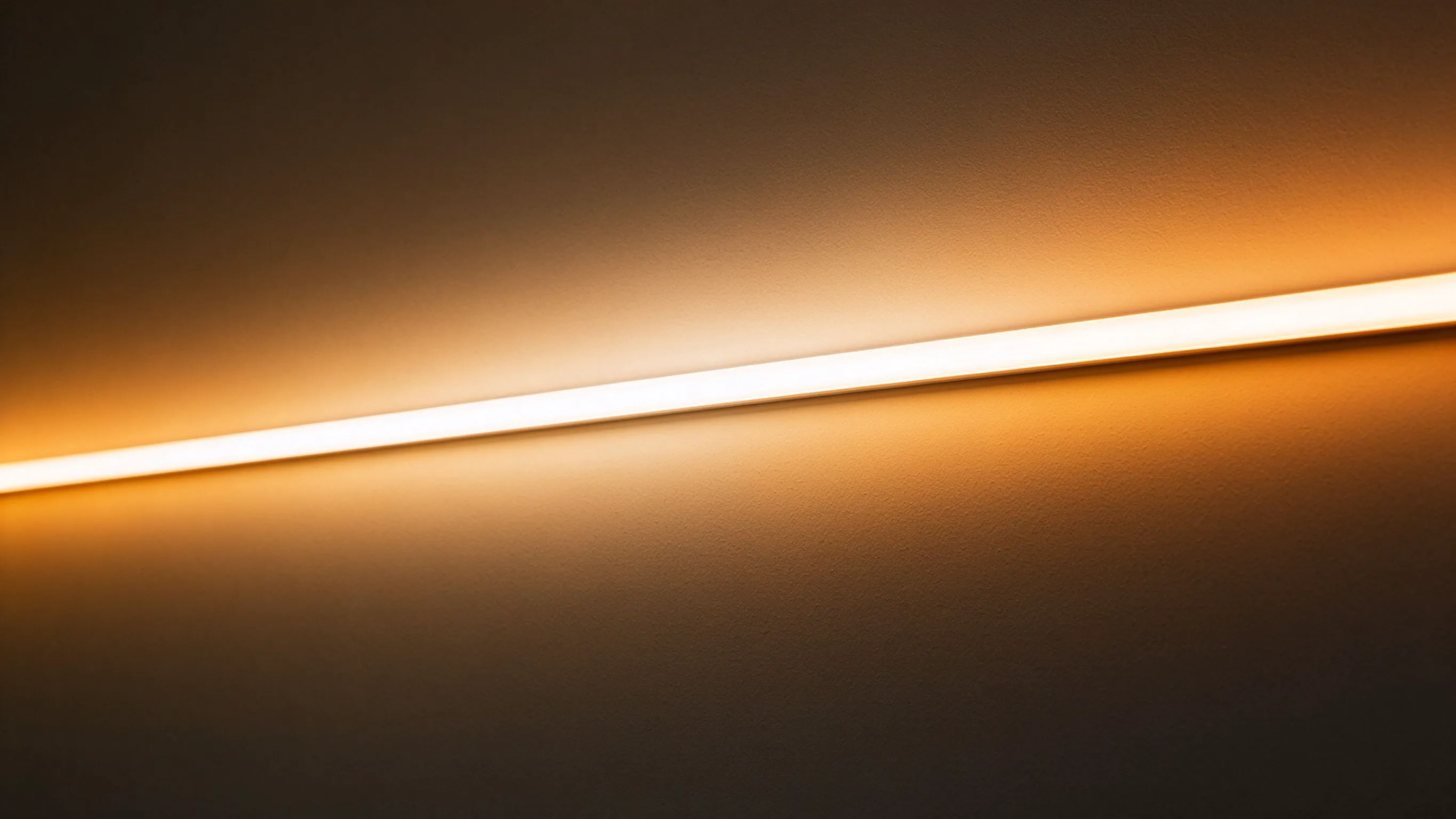
What dimming actually does to a neon sign
With an LED strip, you dim by reducing the duty cycle, and the light goes smoothly down to near zero. With a glass neon tube, you are controlling a gas discharge. Below a certain voltage the gas simply will not strike, so the sign drops from a usable level to dark rather than fading. On a silicone LED flex, true PWM dimming works down low, but you need a dimmable driver matched to the run, not just a wall dimmer on the mains input.
I had a client who wanted his bar neon to glow at ten percent at lunchtime and full brightness at night. Glass neon could not give him the low level without flickering, so we swapped that run to a dimmable silicone flex on a 0-10 volt driver, and he got the range he wanted. The lesson: dimmable neon means the right low-voltage technology and driver, not a generic dimmer switch.
The dimming difference by technology
- Glass neon: dims only from about 30 to 100 percent, then cuts out.
- LED silicone flex: smooth dimming down to near zero with the right driver.
- A standard mains dimmer on a neon transformer causes flicker and buzz.

Matching the driver to the dimmer
For a dimmable LED flex you need three matched parts: a dimmable driver, a control protocol the driver understands, and a wall controller. The common options are 0-10 volt, DALI, or trailing-edge mains dimming, and the driver must explicitly say it supports that protocol. A non-dimmable driver on a dimmer either buzzes, flickers or refuses to go below full brightness. I size the driver to at least 120 percent of the run load, so it has headroom and runs cool.
Glass neon only dims over a narrow range; flex dims smoothly with the right driver.
| Dimming method | Works on | Lowest level | Notes |
|---|---|---|---|
| 0-10 volt | LED flex drivers | Near zero | Smooth, common in bars |
| DALI | LED flex systems | Near zero | Addressable, commercial |
| Mains trailing-edge | LED flex only | 30-50% | Avoid on glass neon |
| Voltage reduction | Glass neon | ~30% | Flickers below this |
The transformer or driver must always be rated above the total load. A driver running at 90 percent of its capacity buzzes and runs hot, which shortens its life and makes any dimming feel rough. Oversize it by 20 percent and the whole system dims quietly.
Why glass neon dimming is so limited
A glass neon tube needs enough voltage to ionise the gas inside. Turn that voltage down and the discharge simply extinguishes rather than fading gracefully. You can dull the sign by around 30 to 40 percent, but below that it flickers, buzzes and stutters. If a client genuinely wants deep, smooth dimming, I steer them to a silicone flex on a dimmable driver. The authentic glass glow is not compatible with a wide dim range.

Buzz, flicker and the pitfalls
The two complaints I get on dimmable neon are an audible buzz and a visible flicker at low levels. Both usually come from the same cause: a mismatched dimmer on a non-dimmable driver, or a driver loaded to its limit. I fix it by replacing the driver with a properly dimmable unit, oversize it, and keep the control wiring short and away from the mains. A buzz that only appears at low brightness is the classic sign of a driver that was not meant to dim.
- Buzz at low levels means the driver was not designed for dimming.
- Flicker at minimum means the load is too small or the driver undersized.
- Keep the control wiring away from mains to avoid interference.
The handover I do on a dimmable sign
After install I walk the client through the full range on the controller, set a favourite low level for daytime, and mark the dimmer minimum so they do not push it into flicker. I also label the driver and leave a note of the dimmer protocol, so a future electrician does not fit a random mains dimmer and wreck the setup. Dimmable neon is a system, and the system only stays smooth if the next person understands it.
Recommended Products
Frequently Asked Questions
Can you dim real glass neon signs?
Only over a narrow range. A glass tube needs enough voltage to ionise the gas, so below about 30 to 40 percent brightness the discharge flickers, buzzes and cuts out rather than fading. You can dull a glass neon sign, but you cannot get deep smooth dimming. For a wide range, use a silicone flex on a dimmable driver instead.
What driver do I need for dimmable LED neon flex?
A dimmable driver that supports the protocol your wall controller uses, usually 0-10 volt, DALI or trailing-edge mains. Size it to at least 120 percent of the total run load so it has headroom and runs cool. A non-dimmable driver on a dimmer will buzz, flicker or refuse to go below full brightness.
Why does my neon buzz when I dim it down?
Because the driver was not designed for dimming, or it is running at its load limit. A non-dimmable unit on a dimmer strains at low output and buzzes. Replace it with a properly dimmable driver, oversize it by 20 percent, and keep the control wiring away from the mains. The buzz disappears.
Can I use a regular LED dimmer on neon flex?
Only if the driver explicitly supports that dimmer protocol. A regular mains dimmer on a non-dimmable LED driver causes flicker and buzz. Check the driver label for 0-10 volt, DALI or trailing-edge support, and match the wall controller to it. The dimmer alone is never enough; the driver has to understand it.
How low can I dim a neon sign before it flickers?
On a dimmable silicone flex you can go near zero smoothly. On glass neon, stop around 30 to 40 percent, because below that the gas discharge flickers and buzzes. Set the client controller to that floor and mark it, so they never push the sign into the stuttering range by accident.
Need help with your LED project?
Get factory-direct pricing, free samples and engineering support within 24 hours.
Email: info@arraystarled.com | Phone: +86-0755-2103-6746 | WhatsApp: 0086 1581 8514 077
Need to size your power supply? Use our LED Strip Power Calculator to find the right driver in seconds.