Glass Neon vs LED Flex for Outdoor Signs: A Five-Year Field View
- 2026-10-28 10:02
- /
- Arraystar LED
After five winters on the same high street, glass neon and LED flex tell very different stories in maintenance cost. I have serviced both on the same row, and the receipts are what finally convinced me that the upfront price is the wrong number to compare.
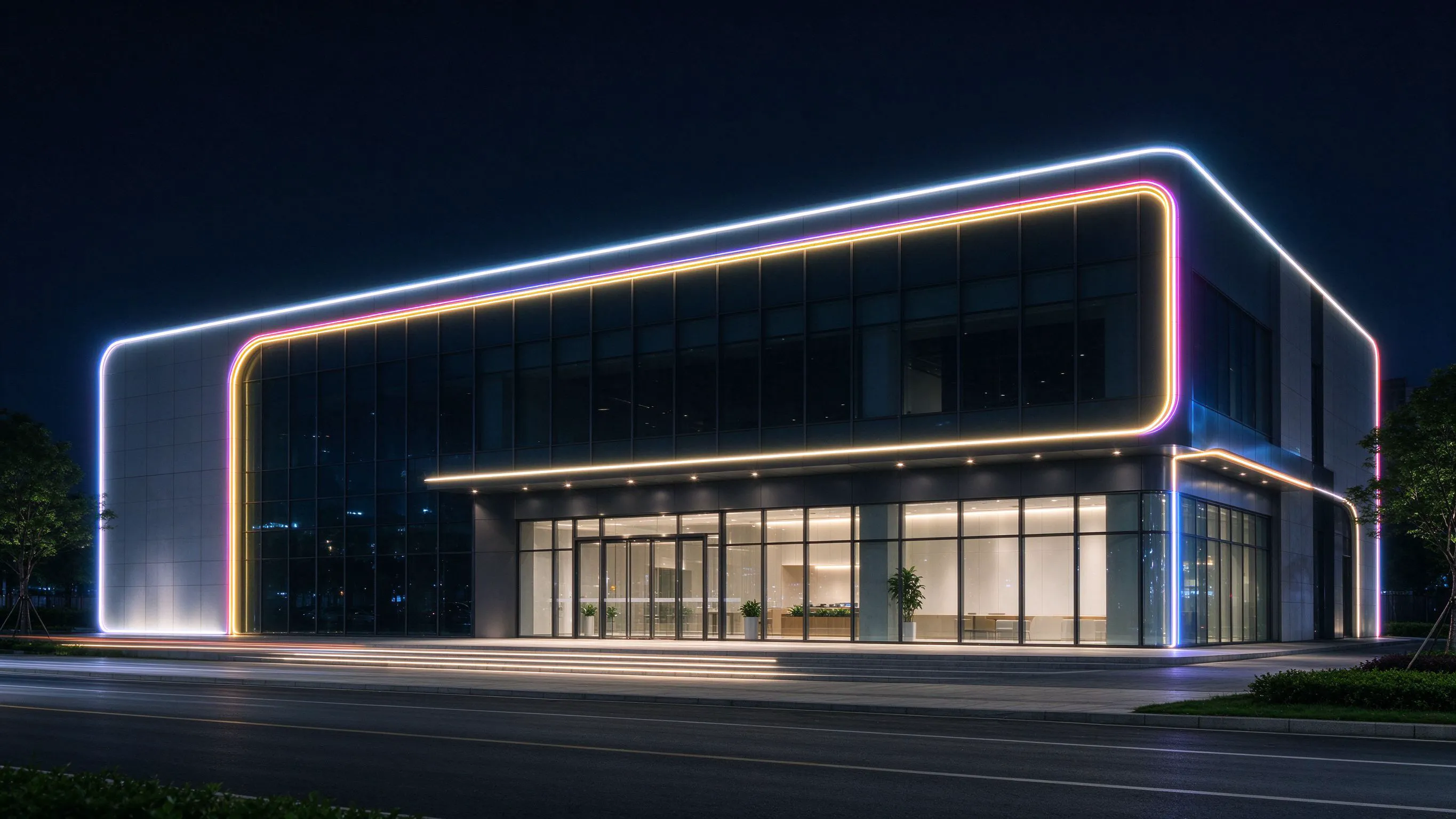
What five winters actually do to each
Glass neon is a beautiful, high-voltage gas discharge. After five winters it still glows, but the transformers hum a little louder, the electrodes have sputtered, and one tube per sign has usually been replaced. LED silicone flex is low-voltage and solid-state, so after five years it has no transformer to fail, no gas to leak, but its diffuser has yellowed in the sun and a couple of LED sections have gone dark. The failure modes are completely different, which is why the maintenance bills diverge.
On a row of twelve shopfronts I watched, the glass-neon signs needed an average of one call-out per winter, mostly for a transformer or a leaking tube. The LED flex signs needed almost no electrical call-outs, but two of them got diffusers replaced in year four because the yellowing bothered the owners. Apples and oranges, but the receipts tell a clear story.
The failure modes by technology
- Glass neon: transformer wear, electrode sputter, gas leaks, one tube replaced per year.
- LED flex: diffuser yellowing in UV, occasional dark LED section, no transformer.
- The upfront cost gap is real, but so is the five-year service gap.

The real five-year cost comparison
Glass neon is cheaper to buy in small runs and looks more authentic up close, but every fault is a high-voltage service call with a ladder and an electrician. Over five winters that is four to six call-outs, each with a tube or transformer part. LED flex costs more upfront and uses a cheap low-voltage driver, so most faults are a quick driver swap or a section replacement that a general installer can do. The labour per fault is far lower.
Upfront price flatters glass neon; the service receipts favour LED flex.
| Cost item over 5 years | Glass neon | LED silicone flex |
|---|---|---|
| Upfront install | Lower | Higher by 20-30% |
| Annual service calls | 4-6 | 0-1 |
| Typical part failures | Transformers, tubes | Drivers, rare LED sections |
| Five-year total cost | Higher overall | Lower overall |
The one place glass neon still wins is the warm, authentic glow that customers recognise as real neon. If the aesthetic is the whole point and the owner wants the look of the thing, glass neon is still worth buying. If the brief is a sign that stays lit with minimal fuss, LED flex wins on the receipts.
Where each technology still earns its place
I still spec glass neon for boutique interiors, cocktail bars and any brand that wants the genuine nostalgic glow and the high-voltage buzz. The atmosphere is not something a silicone diffuser fully copies. For exterior shopfronts, rooftop signs and any installation where the client will not pay for yearly service, I spec LED flex. The decision is not which is better, it is what the owner will maintain.

Weather and material differences
Glass neon is fragile under impact; a stray ball or a cleaning ladder can crack a tube, and the high-voltage wiring wants a dry, protected run. LED flex is tough silicone that shrugs off knocks and rain, but the diffuser ages in UV and the driver is the weak point. Coastal air attacks the metal hardware on both, so I use 316 stainless regardless of which technology I pick.
- Glass neon: fragile tubes, high-voltage wiring, authentic glow.
- LED flex: tough silicone, low-voltage driver, diffuser yellows in UV.
- Use 316 stainless hardware either way near the coast.
How I now write the spec
I sit down with the client and lay the five-year numbers on the table, not the upfront quote. If they want the real neon look and are happy to pay for a yearly service, we go glass. If they want to switch it on and forget it, we go LED flex with a UV-stabilised diffuser and a spare driver on the shelf. The right answer depends on the owner, not on which technology I happen to prefer.

Recommended Products
Frequently Asked Questions
Is glass neon cheaper than LED flex over five years?
No, not once you add the service receipts. Glass neon costs less upfront, but over five winters it typically needs four to six call-outs for transformers, leaking tubes and electrodes. LED flex costs 20 to 30 percent more upfront but has almost no electrical call-outs. The five-year total usually favours LED flex.
When should I still choose glass neon for a sign?
When the authentic warm glow and the high-voltage look are the whole point. Boutique interiors, cocktail bars and brands that want real neon atmosphere still win on glass, because a silicone diffuser does not fully copy the look. Only pick it if the owner will happily pay for yearly service and understands the fragility.
Why do my LED neon tubes go yellow after a few years outside?
The silicone diffuser is oxidising in UV, especially on sun-facing walls. It is not dirt and cleaning will not reverse it. Spec UV-stabilised or food-grade silicone on any exterior run, and derate the LED loading so the chips run cooler, which slows the yellowing and keeps the colour for two extra seasons.
What fails first on outdoor LED flex signs?
The driver, not the tube. Low-voltage drivers age in heat and sag output, and a failed driver takes out the whole run it feeds. Keep a spare on the shelf and swap it in minutes. The silicone tube itself is tough; the weak point is the electronics, which is why most LED faults are a cheap and quick driver change.
Can I mix glass neon and LED flex on the same facade?
Yes, but match the colour temperature and brightness by eye at night, because glass neon and LED flex rarely read identically. Put the glass where the glow matters and the flex where low maintenance matters, and expect the two technologies to age at different rates. Plan for the flex diffuser to be refreshed before the glass tubes need work.
Need help with your LED project?
Get factory-direct pricing, free samples and engineering support within 24 hours.
Email: info@arraystarled.com | Phone: +86-0755-2103-6746 | WhatsApp: 0086 1581 8514 077
Need to size your power supply? Use our LED Strip Power Calculator to find the right driver in seconds.