Recolouring an Existing Neon Sign: Can You Match the Original Tube Hue?
- 2026-10-28 10:02
- /
- Arraystar LED
Matching an existing neon tube hue is half colour science, half driver voltage. I have learned to tell clients up front that a match on a deep red is usually possible, while a match on a pale blush pink almost never is.
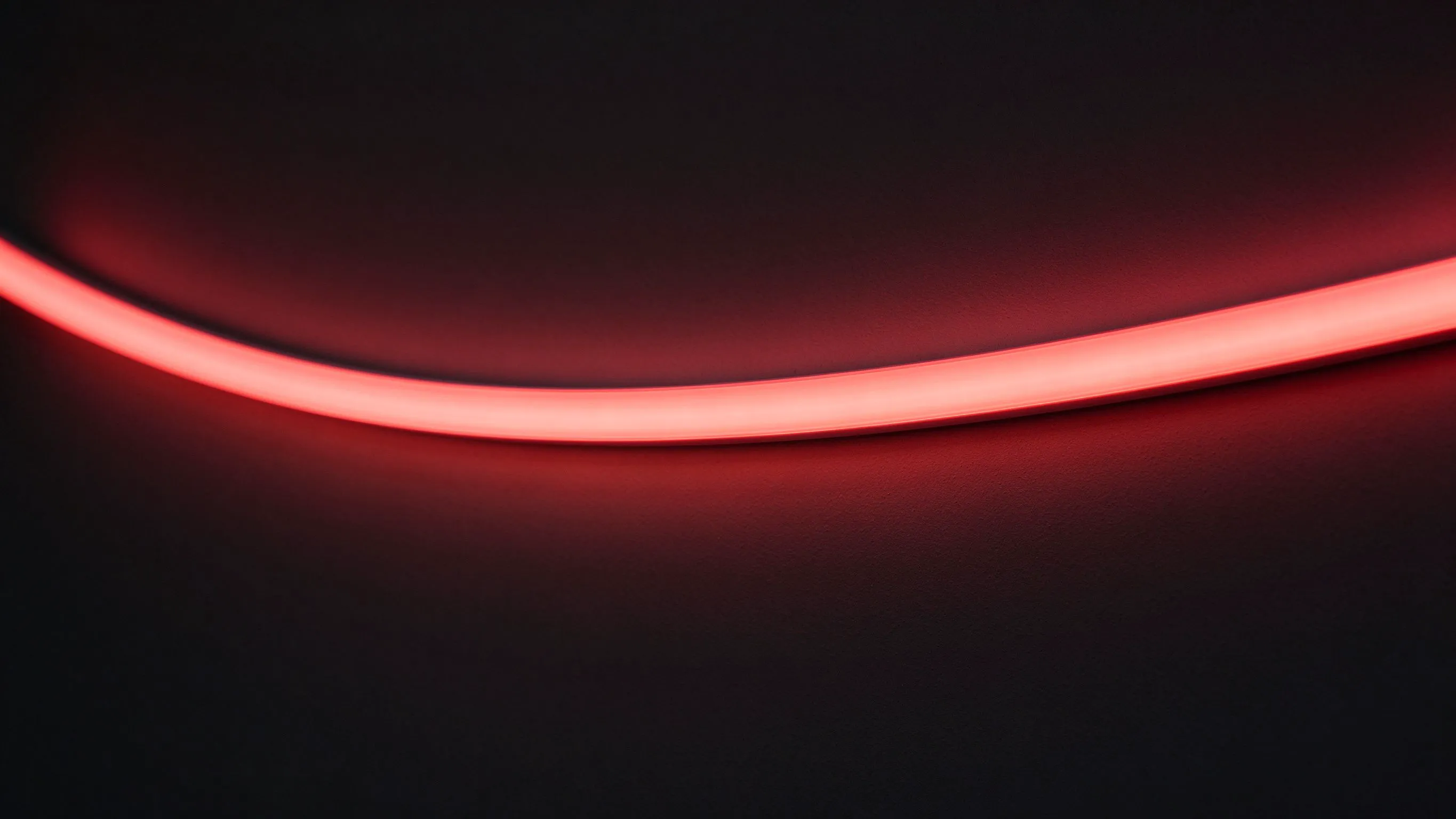
What you actually can and cannot match
When a client brings in a photo or a surviving tube and asks for a recolour, the first thing I do is measure the existing output with a cheap colour meter on the wall where the sign actually hangs. Phone photos lie; white balance lies twice. The measured correlated colour temperature and the RGB values on the lit wall are what I work to.
Warm colours, reds, ambers and deep oranges, are forgiving because the spectral output of red LEDs is narrow and stable. Cool pale colours, blush pinks, ice blues and mint greens, are the ones that fight you, because a tiny shift in bin or drive current moves the perceived hue a long way.
Bin selection and drive current
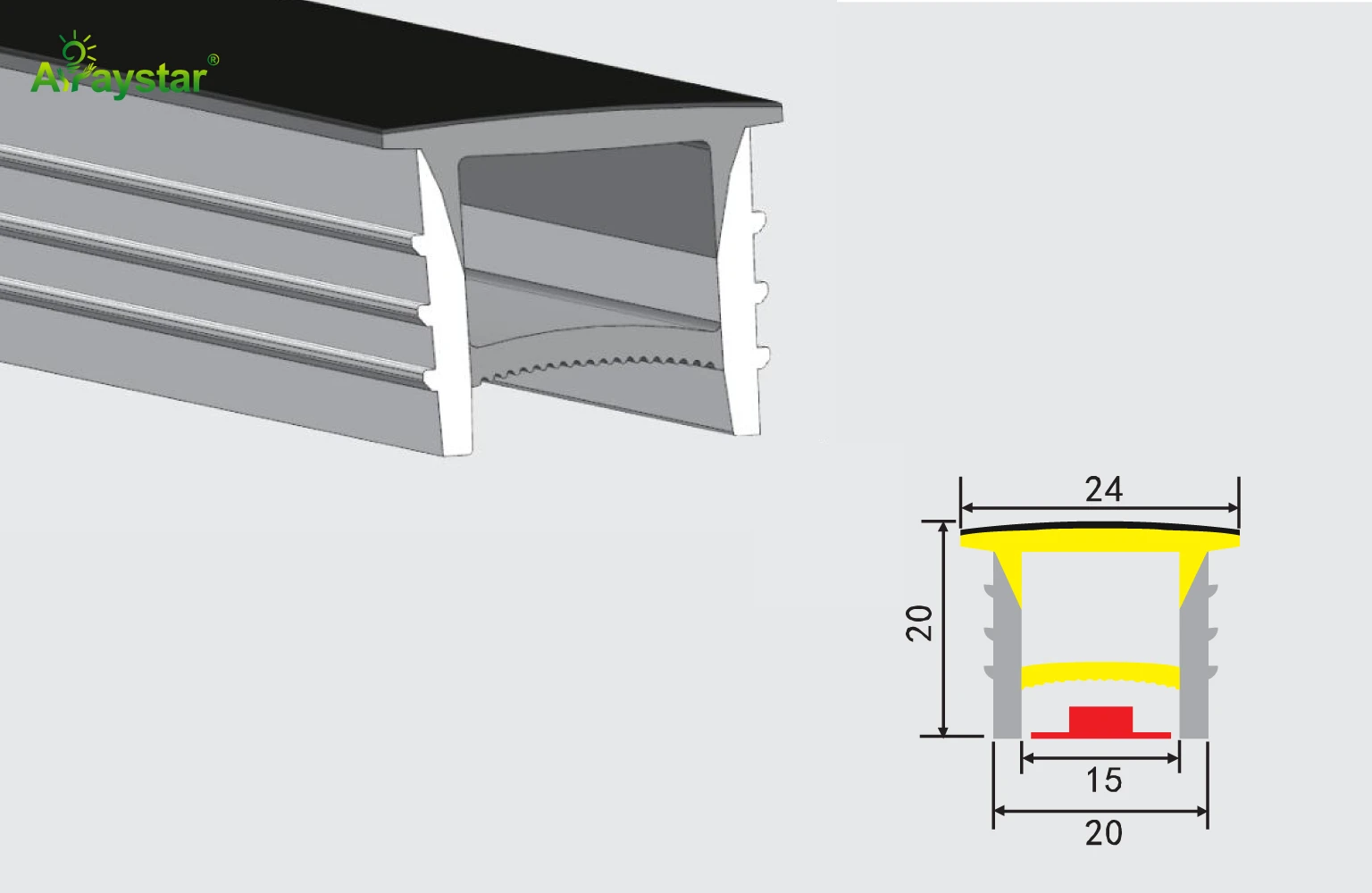
Silicone neon output shifts with forward current. Run the same tube at 15 mA versus 20 mA and a warm white can move 50 to 100 K in correlated colour temperature. I ask for the LED bin, chromaticity coordinates on the 1931 diagram rather than just a CCT label, and then size the driver so I have headroom to trim current on the bench.
Warm saturated colours match cleanly; pale pastels need a sample.
| Target hue | Match difficulty | Typical tweak |
|---|---|---|
| Deep red / amber | Easy | Stick to bin, current within 10% |
| Warm white 2200-2700 K | Moderate | Trim current +/-10% |
| Blush pink / ice blue | Hard | Request custom bin sample first |
I never order a full run before seeing a 300 mm sample lit on the actual wall in the evening. That short piece costs me a few dollars and saves a re-spray.
Diffuser and jacket effects
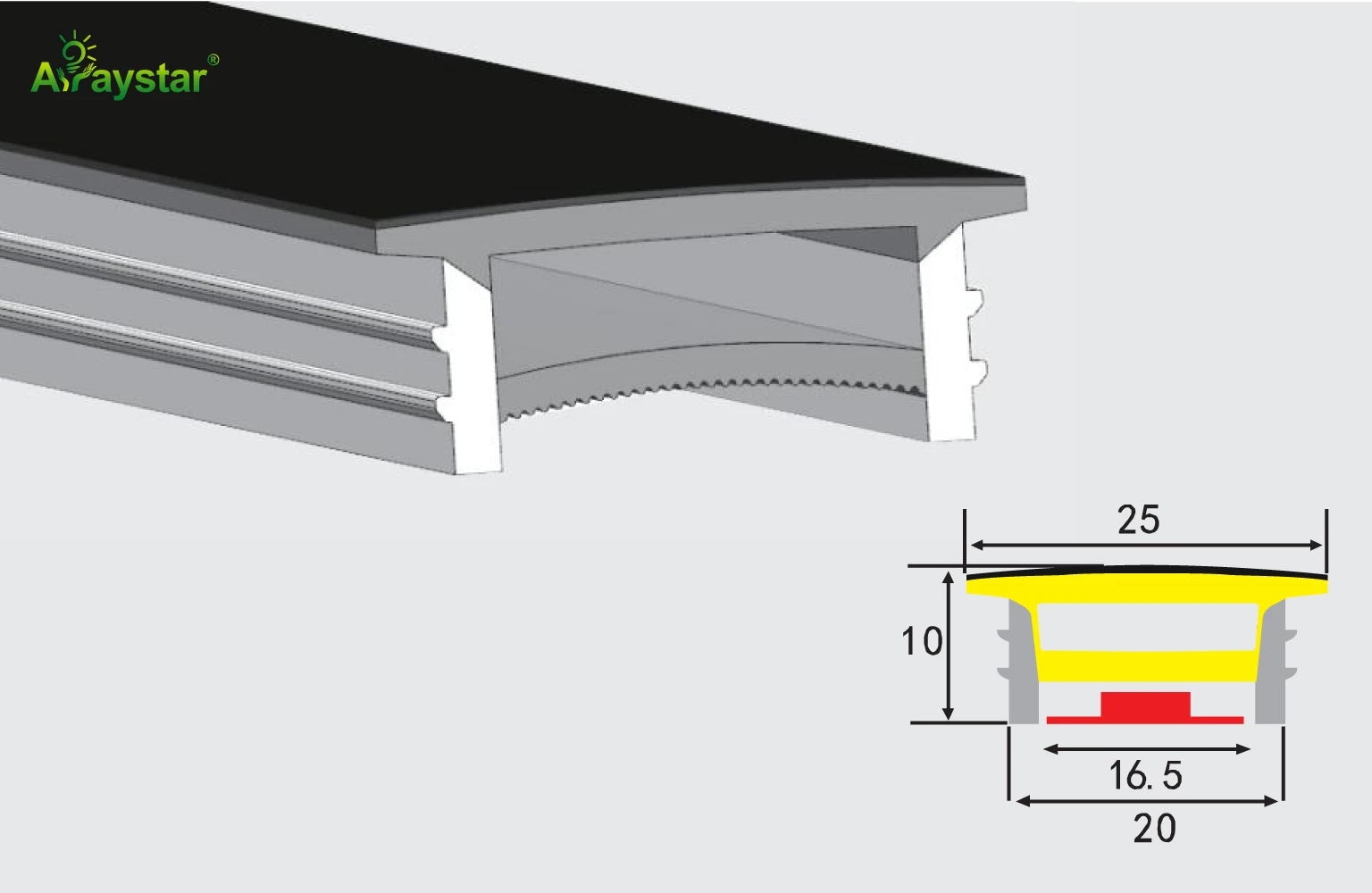
The jacket is part of the colour. Clear silicone reads as the LED chip colour; frosted or milk jackets shift the hue by five to ten percent and warm it up slightly. If the original sign used a frosted jacket and you match the chip colour with a clear tube, you will think the sample is wrong. I match jacket type first, then chip colour.
Anti-glare and diffuse jackets also change how the colour reads at distance. A tube that looks slightly pink on the bench can read almost white from ten metres. That is fine for a building outline, bad for a brand colour.
Voltage, dimming and ageing
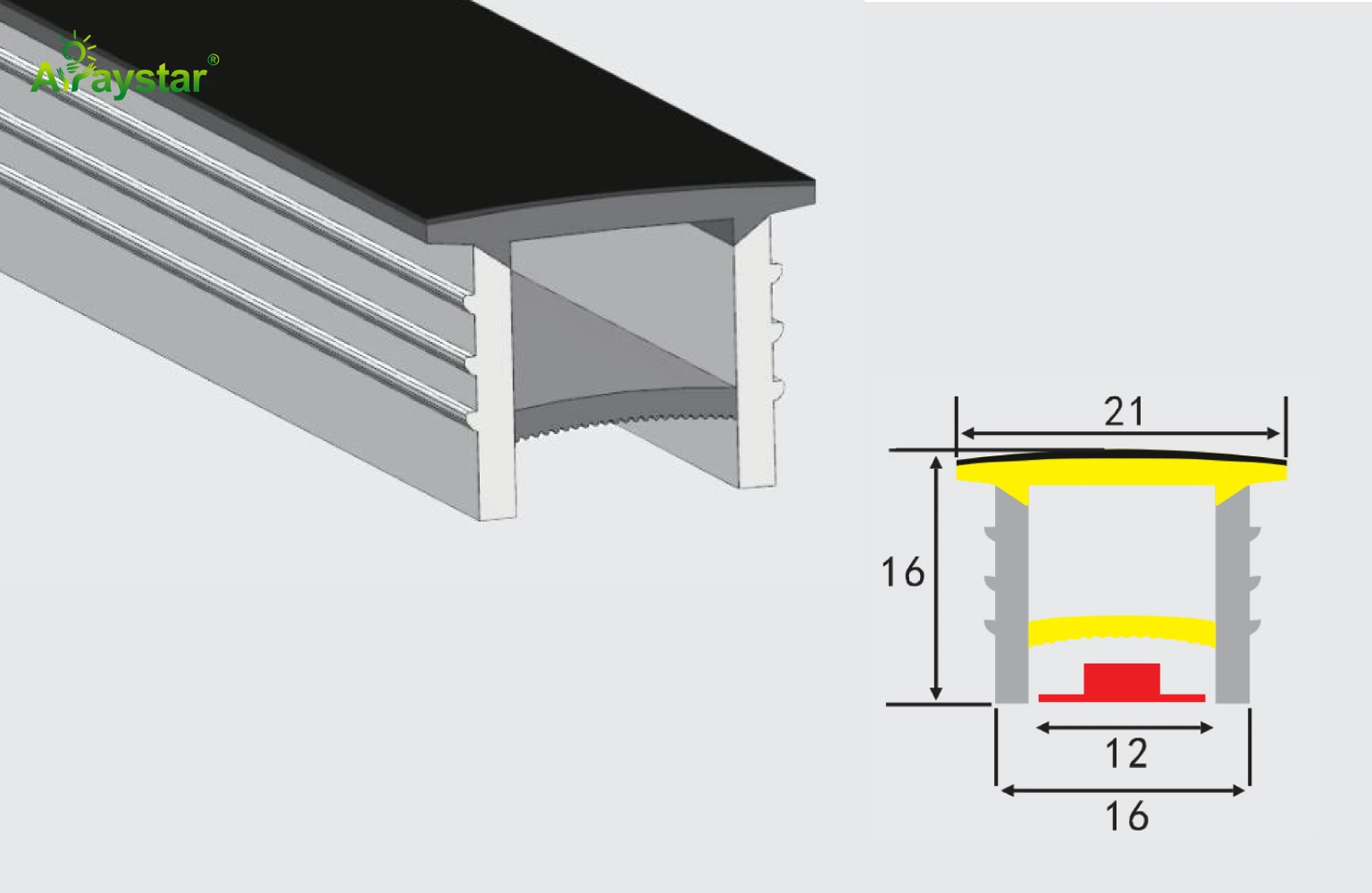
Old signs dim. A tube that has run 30 000 hours has lost ten to twenty percent of its output, so a brand-new tube at the same colour looks brighter and often harsher. I run the new tube at 80 to 90 percent current on a dimmable driver for the first month or two so it settles closer to the aged neighbour, then back it up to full.
Ageing also shifts hue, usually toward blue on warm-white LEDs. If the original is five years old, I ask for a slightly warmer bin than the current measurement suggests, because the new tube will drift as it ages and I want it to land near the original, not past it.
Setting client expectations
I have the sample lit on the wall, the client standing there, and I say it out loud: this is as close as silicone neon gets. Within about a five-percent colour difference, most people cannot tell in daylight, and at night from the pavement nobody cares. If they need a pixel-perfect match, we talk about RGB pixel control, not recoloured flex.
- Measure the original on site, do not trust the photo.
- Order a 300 mm sample before the full run.
- Match jacket type before chip colour.
- Derate new tube output 10 to 20 percent to account for ageing.
On a recent bar sign I matched a faded blood-red neon to a silicone tube within three percent, but only after I rejected the first sample, which the factory had driven five milliamps hot. The bench trim took twenty minutes and saved me a return trip on a thirty-metre crane lift.
Recommended Products
Frequently Asked Questions
Can you exactly match a neon sign colour from a photo?
No. Phone cameras shift white balance by hundreds of Kelvin. I need either the surviving tube powered on or a colour-meter reading taken on the wall where the sign hangs. A photo gets me in the right ballpark, not the match.
Why does the new tube look brighter than the old one?
Because it is. LEDs lose 10 to 20 percent of output in the first 20 000 to 30 000 hours, so an aged original looks dimmer and softer. I run the new tube at 80 to 90 percent current for the first month and then bring it up to full, which matches the perceived brightness better.
What colours are hardest to match?
Pale pastels, blush pink, ice blue and mint green, are the hardest, because a small bin or current shift moves the perceived hue a long way. Deep saturated reds and ambers are the easiest because red LED spectra are narrow and stable.
Does the silicone jacket change the colour?
Yes. Clear jacket reads as chip colour; frosted or milk jackets shift the hue by 5 to 10 percent and warm it slightly. I match the jacket type first, then tune the LED bin, otherwise the sample will never match no matter how close the chip is.
Should I order a sample before the full run?
Always. A 300 mm sample lit on the actual wall in the evening costs very little and tells you more than any datasheet. I have walked away from jobs where the sample was visibly off and the client was glad I did not ship the full reel.
Need help with your LED project?
Get factory-direct pricing, free samples and engineering support within 24 hours.
Email: info@arraystarled.com | Phone: +86-0755-2103-6746 | WhatsApp: 0086 1581 8514 077
Need to size your power supply? Use our LED Strip Power Calculator to find the right driver in seconds.