
LED Strip Lighting for Self-Storage Facilities: Motion-Sensed Aisle Layout
- 2026-10-15 14:34
- /
- Arraystar LED
Self-storage operators tell me the same two complaints: the electricity bill is high because corridors are lit all day for the handful of customers actually on site, and security cameras give grainy footage in dark aisles. The answer isn't brighter lights running 24/7 - it's low-wattage linear strips tied to motion sensors, so an aisle lights the moment someone enters and goes dark after they leave. It cuts idle hours and makes the camera image usable at the same time.
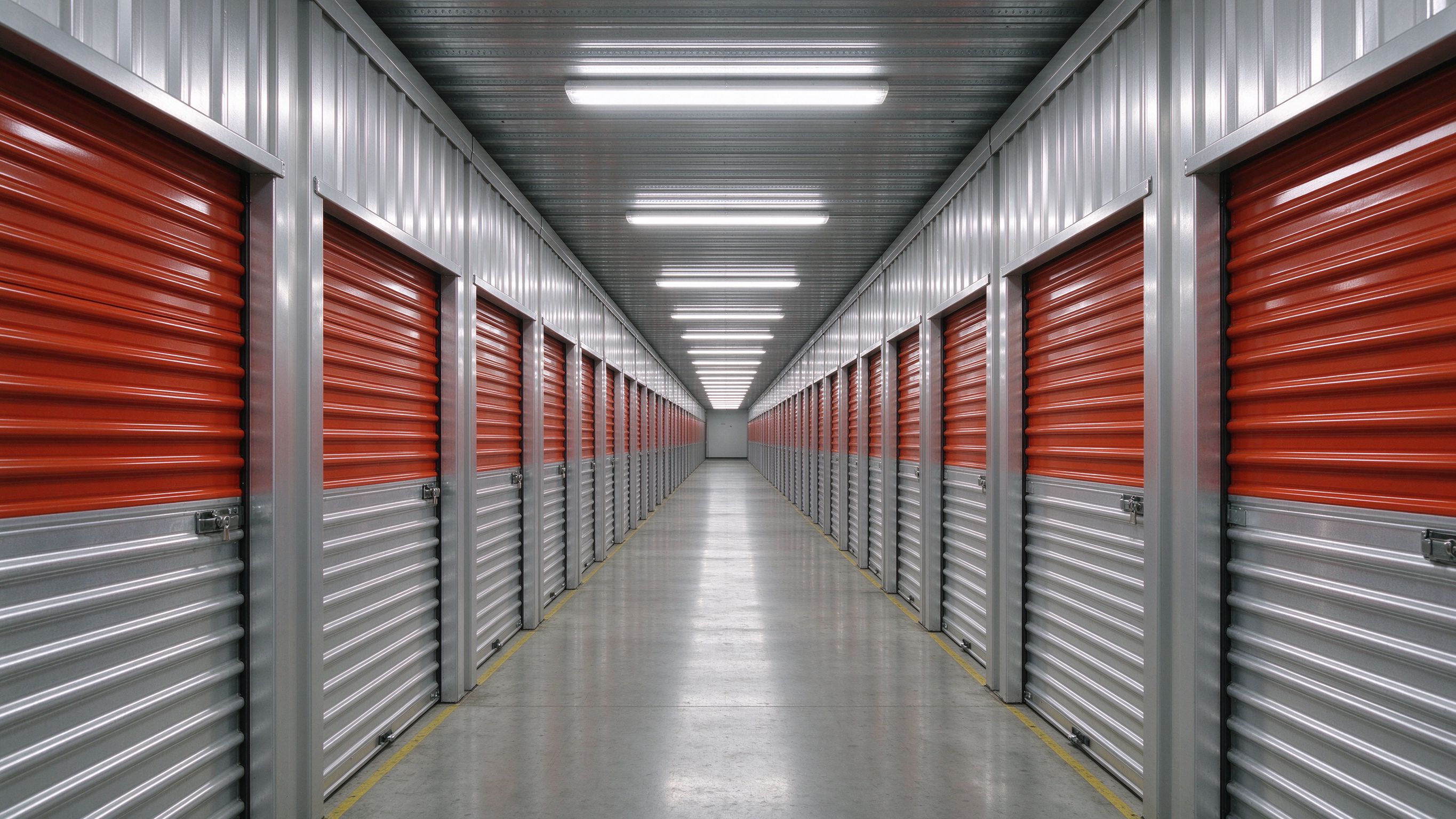
Why Storage Facilities Waste Light
A self-storage site is mostly empty space most of the time. Long corridors of doors sit unoccupied, yet traditional lighting runs the whole aisle at full brightness during open hours, which is almost all wasted energy and produces a lot of heat in an enclosed corridor.
The pattern of use is the key: occupancy is intermittent and unpredictable, a customer visits one specific unit, and staff patrol on a route. Lighting that follows occupancy rather than a clock matches the actual use of the building and removes most of the wasted hours.
Motion Sensors and How to Zone the Aisles
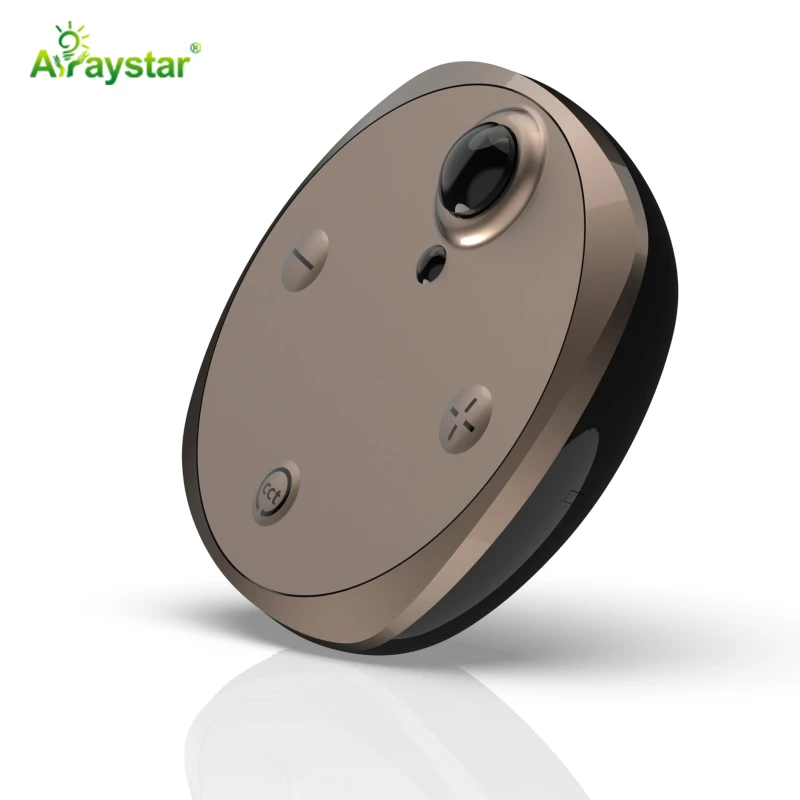
I split corridors into sensor zones rather than putting the whole facility on one sensor. Each zone covers a sensible stretch of aisle, around 8-15m depending on sightlines, so entering one aisle lights only that aisle instead of the whole floor.
Wire the sensors with these settings:
- Set a hold time of roughly 2-5 minutes after motion stops - long enough that a customer loading a car isn't plunged into dark.
- Use a low standby or dim level rather than fully off if cameras need a minimum image, ramping to full on motion.
- Place sensors so they catch someone entering from either end of the aisle without blind spots at corners.
- Group outdoor loading bays on separate weatherproof sensors with daylight override.
Choosing the Right Strips for Corridors and Units
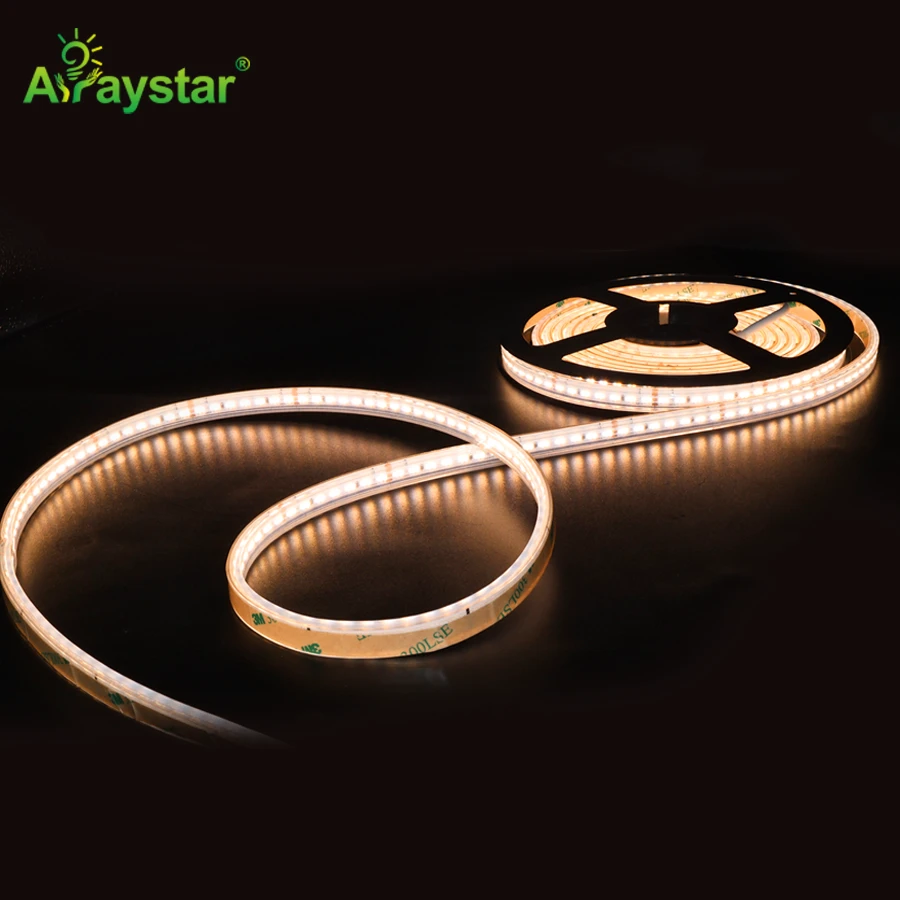
Corridors need even, low-glare light that makes unit numbers and door locks easy to read and gives cameras a clean image. I use efficient white strips in sealed channels along the corridor ceiling, centered so the light falls evenly on both rows of doors.
Individual units can be fitted with small strip runs on request or for premium units, switched with the door or a local sensor. Waterproof, color-adjustable strips are useful in facilities that offer climate-controlled or drive-up units where conditions vary.
Light Levels for Safety and Camera Clarity
There's a balance: too dim and customers feel unsafe and cameras record noise, over-lighting wastes energy and glares. Target an even level that makes door numbers legible from the aisle and keeps faces and locks clear on camera.
Uniformity beats peak brightness - dark ends feel unsafe and give patchy footage, so continuous strips work better than spaced fixtures that leave pools of shadow.

Wiring, Standby Power and Cost Recovery
Because the point is savings, specify efficient strips and drivers rather than cheap high-wattage product; high-efficacy strips on sensors cut corridor energy by a large margin over always-on fixtures. Keep drivers and receivers accessible, use wireless sensors where wiring means chasing walls, and factor in fewer lamp replacements in high ceilings, a hidden cost operators are glad to lose.
Recommended Products
Frequently Asked Questions
How much energy do motion-sensor storage lights save?
Because corridors are unoccupied most of the time, switching to low-wattage strips that run on motion rather than all day removes most of the lighting hours. Operators typically see a large cut in corridor lighting energy, plus fewer replacements in high ceilings.
Should storage aisle lights switch fully off or stay dim?
That depends on your cameras. A low dim standby keeps a minimum image for security and ramps to full on motion; fully off saves the most energy. If cameras need a base level or customers would find total darkness unsettling, use the dim standby option.
How long should the sensor keep an aisle lit?
Around 2-5 minutes after motion stops. That's long enough for a customer loading or unloading at their unit not to be left in the dark, while still switching off promptly once the aisle is empty. Adjust to match typical visit length.
How do you light self-storage corridors for security cameras?
Use continuous linear strips centered over the aisle for an even wash rather than spaced fixtures that leave dark patches. Uniform light makes door numbers, faces and lock points clear on camera; peak brightness in one spot is less useful than consistency.
Can motion sensors be retrofitted to an existing storage facility?
Yes. Wireless PIR sensors and receivers avoid chasing walls, making them the practical retrofit choice, with each aisle split into its own sensor zone. New builds can use wired sensors. Either way, keep the receivers accessible for maintenance.
Need help with your LED project?
Get factory-direct pricing, free samples and engineering support within 24 hours.
Email: info@arraystarled.com | Phone: +86-0755-2103-6746 | WhatsApp: 0086 1581 8514 077







