PIR Sensor Range vs Background: Tuning Sensitivity for False Triggers
- 2026-10-28 10:04
- /
- Arraystar LED
A PIR that fires every time the curtain moves is not broken; it is simply tuned too wide for the room. I back the range off, drop the time-out, and aim the lens away from draughts and warm vents, and the nuisance stops within minutes.
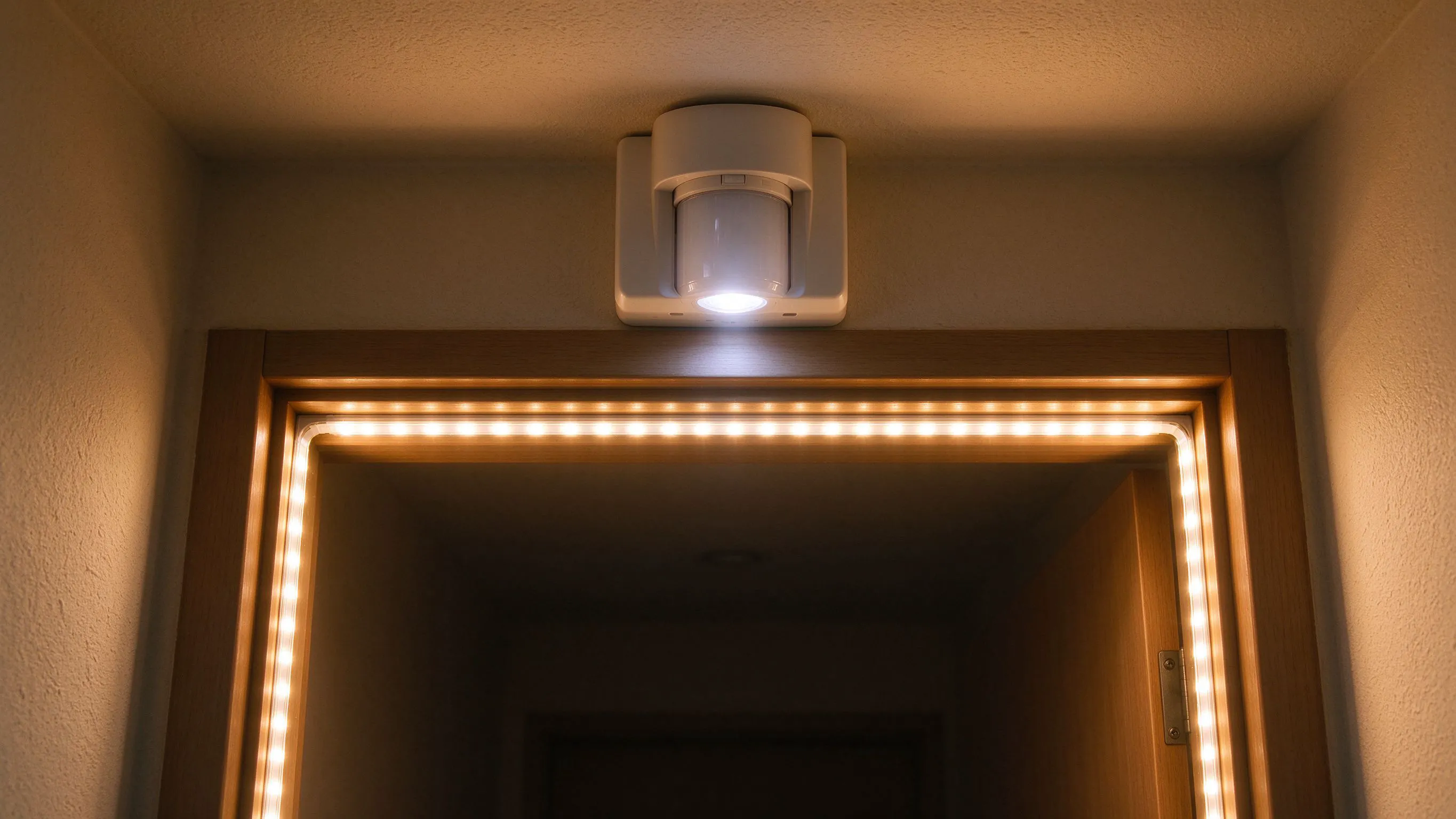
What a PIR actually sees
A passive infrared sensor does not see a person; it sees a change in heat across its lens segments. A warm object moving across two segments produces a differential signal that trips the output. That is why a moving warm curtain, a pet, a sunbeam crawling across a floor, or a radiator kicking on can all look like a person to the lens. The sensor is doing its job perfectly; the job it is doing is the wrong one for that room.
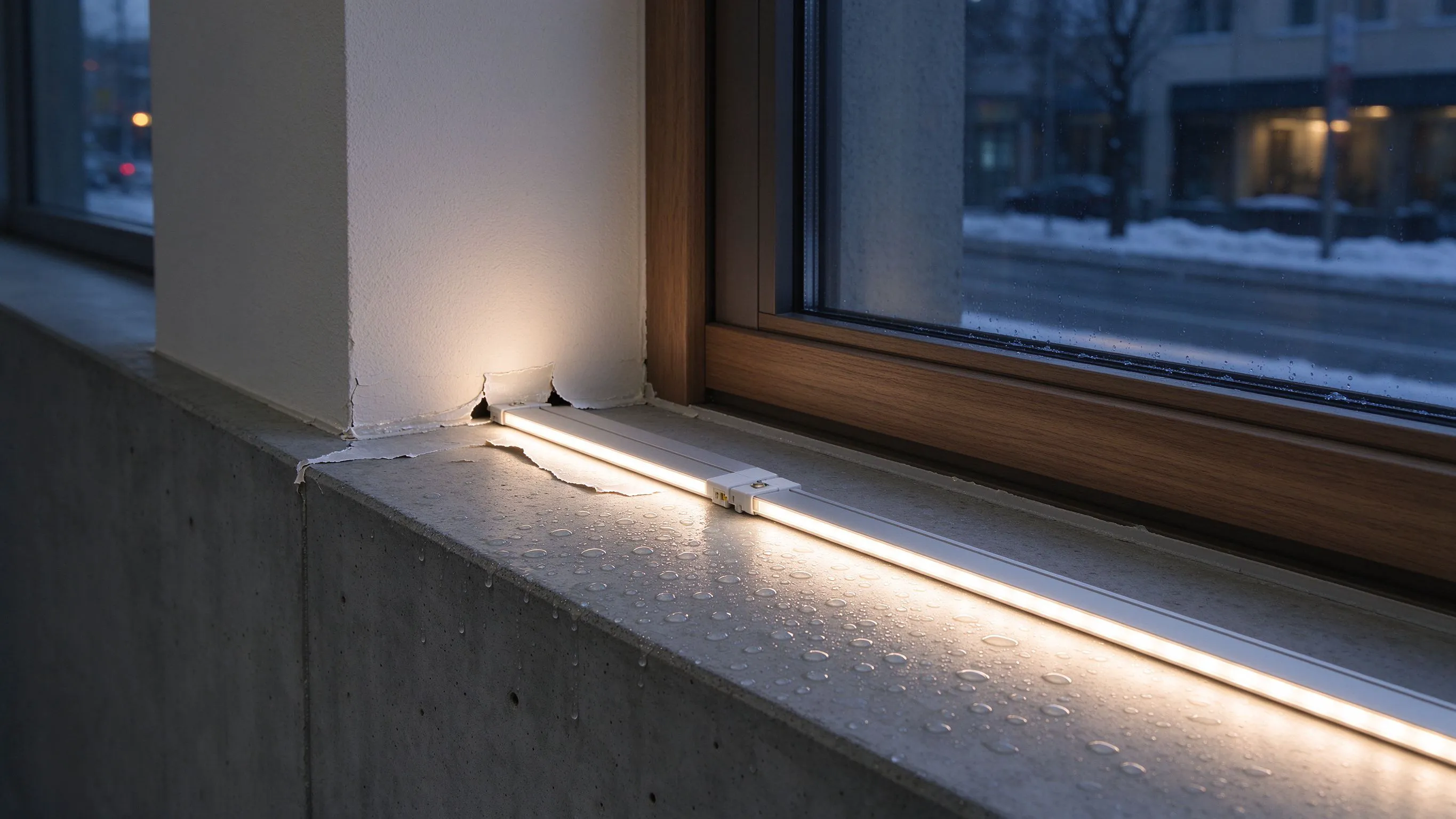
I tuned a bedroom PIR that was switching the lights on every time the central heating clicked in. The sensor had been mounted level with a radiator. Once I dropped the range from eight metres to three and re-aimed the lens at the doorway, the heating stopped setting it off. The client had lived with it for months assuming it was faulty.
The common false-trigger causes
- Warm air currents from radiators, vents or open doors.
- Pets, particularly cats and dogs crossing the beam.
- Sun patches moving across the floor through a window.
- Curtains and blinds stirred by draughts.
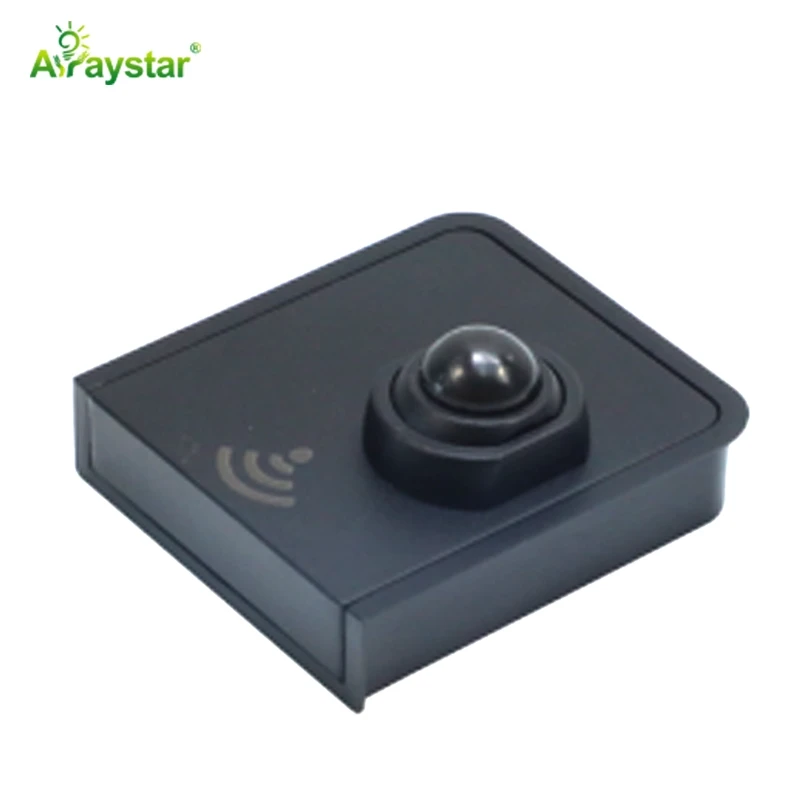
Range, time-out and mounting height
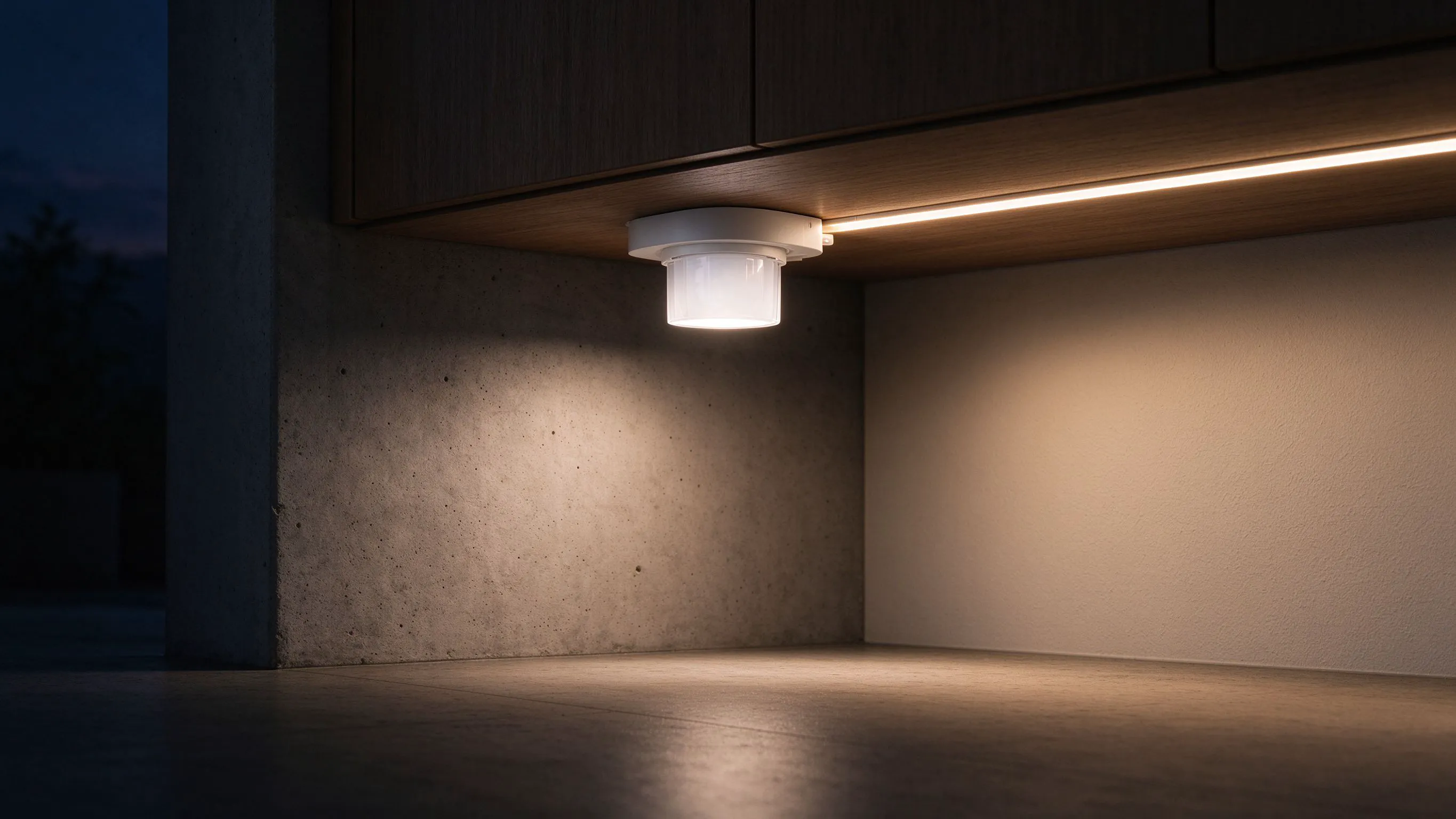
A typical PIR gives three adjustments: sensitivity or range, the hold time, and sometimes a lux level. I start by turning the range down to the distance I actually need. A cupboard corridor needs two metres, not eight. A shorter range rejects distant warm changes. I set the time-out to the shortest practical hold, often thirty seconds, so a stray trip does not keep the light on for ten minutes. Mount the sensor between 2.2 and 2.6 metres high, where the lens sweeps the floor in a neat fan rather than aiming at the wall.
Tune the PIR to the door, not to the whole room.
| Setting | Typical starting value | Reason to lower it |
|---|---|---|
| Range | 2-3 m for a room | If pets or windows trip it |
| Time-out | 30 seconds | If a brief trip wastes light |
| Lux level | Daylight off | Keep lights off in daytime |
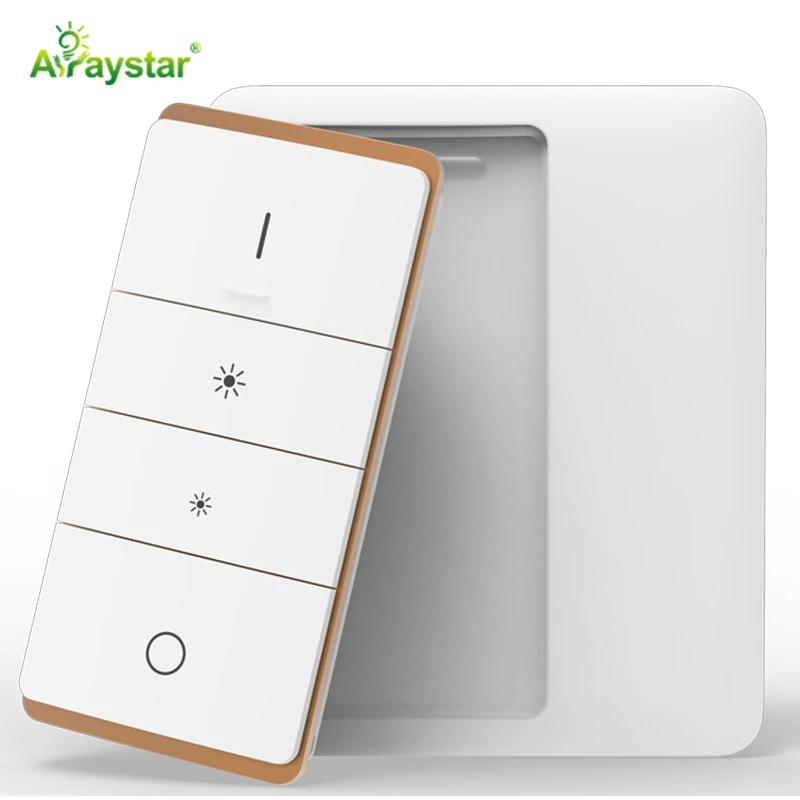
Aiming the lens at the problem
A PIR lens has a narrow sensing fan, and I aim that fan precisely at the entry path the person must walk, not at the radiator, the fish tank, the television or the window. If the sensor cannot be repositioned, I mask part of the lens with a small piece of electrical tape over the offending segments. Masking is a real installer trick: it narrows the beam without replacing the unit. I never block the whole lens, only the segments watching the warm trouble spot.
- Point the sensing fan at the doorway, not across the room.
- Mask lens segments aimed at windows, radiators or pets.
- Keep the sensor away from direct airflow from a vent.
Pets, draughts and sun patches
Pets are the hardest false trigger because they are warm and they move. For a home with a cat, I either mount the sensor high enough that the floor fan is above the pet, or pick a pet-immune unit with a dual-lens that ignores small warm masses. Sun patches through a window creep across the floor as the day moves, and a PIR on that patch trips on a timer I cannot see. Re-aiming away from the window cures it.
The walk-test I do on site
After I tune a PIR I walk the room twice. I walk the expected path and confirm the light comes on; then I stand by the radiator, stir the curtain, and let the pet cross, and confirm the light stays off. If the walk-test fails I adjust again rather than hoping it settles. A PIR you cannot trust after a five-minute tune-up is a PIR the client will cover with tape in a week, and then the light does not work at all.
- Walk the true entry path; the light must trigger reliably.
- Stir known trouble spots; the light must stay off.
- Set the hold time short enough that a stray trip annoys for only seconds.
Recommended Products
Frequently Asked Questions
Why does my PIR trigger when a curtain moves?
A curtain stirred by a draught changes the heat pattern the lens sees, especially if it sits in a sun patch or near a vent. The sensor cannot tell fabric from a person. Lower the range, re-aim the lens away from the window, or mask the segments watching the curtain. The heating or air flow behind the curtain is usually the real trigger.
What height should a PIR be mounted at?
Around 2.4 metres, give or take. That height spreads the lens fan evenly across the floor and keeps the fan above small pets. Too low and it watches the whole wall and furniture; too high and the beam narrows to a thin strip on the floor. Follow the unit datasheet, but 2.2 to 2.6 metres is the safe working range for most domestic PIRs.
Can I make a PIR ignore my cat?
Mount it high enough that the sensing fan passes above the cat, or fit a pet-immune PIR with a dual-lens that weights the signal by object size. Lowering the range helps but does not fully solve it. Where the pet habitually crosses the beam, I often fit a hidden touch or key switch as a manual override so the client is not held hostage to the animal.
Why does the light come on in daylight?
The lux threshold is set too high, so the PIR still activates in bright rooms. Turn the lux adjustment down so the light only switches on below the daylight level you choose. On many units you hold a dark object over the lens during setup to teach the day threshold. Once the day and night levels are split, the light stays off on a sunny afternoon.
What should the time-out be set to?
The shortest hold that still feels useful, often 30 seconds for a corridor and one to two minutes for a room. A long ten-minute hold means one false trip keeps the light burning all evening. Set it short so a stray trigger is barely noticeable, and rely on the sensor re-triggering while the person is actually present.
Need help with your LED project?
Get factory-direct pricing, free samples and engineering support within 24 hours.
Email: info@arraystarled.com | Phone: +86-0755-2103-6746 | WhatsApp: 0086 1581 8514 077
Need to size your power supply? Use our LED Strip Power Calculator to find the right driver in seconds.