TM-30 vs CRI: Which LED Colour Metrics to Trust
- 2026-09-18 19:07
- /
- Arraystar
Quick Answer
CRI (Ra) scores a light against 8 soft pastel samples; TM-30 (IES TM-30-20) scores it against 99,000 real surface colours and reports both fidelity (Rf) and colour saturation (Rg). TM-30 is broader and more repeatable, so it better predicts how people actually see skin, retail goods and décor. Specify CRI Ra 90+ together with TM-30 Rf ≥ 90 and Rg near 100–105 — CRI alone can hide weak reds or oversaturated colours.
📑 Table of Contents

A broader metric like TM-30 better predicts how customers see products on these shelves.
Why CRI Started to Show Its Age
CRI was standardised in 1974 for the fluorescent era and uses only 14 colour samples — eight of which (the ones that make up Ra) are deliberately low-saturation pastels. Real LED strips render thousands of real surfaces: cosmetics packaging, food, skin, wood and paint. A light can score Ra 90 yet distort saturated reds (a weak R9), oversaturate blues, or wash out greens.
The Illuminating Engineering Society responded with IES TM-30 (TM-30-15, -18, -20). It compares a light to the daylight reference across 99 colour sets drawn from real objects, and reports two numbers instead of one — plus a visual colour vector graphic. For the background on the older measure, read our CRI explainer; this guide compares the two.

TM-30 analyses the whole spectrum across real surface colours, not a handful of samples.
What TM-30 Rf and Rg Actually Measure
- Rf (colour rendering fidelity) — how faithfully colours are reproduced, scaled so 100 is perfect daylight. Think of it as the modern, broader cousin of Ra. Higher is better; ≥ 90 is excellent, ≥ 80 is good.
- Rg (colour rendering gamut) — whether colours are less saturated (below 100) or more saturated (above 100) than daylight. ~100 is neutral; high-Rg looks vivid but can distort skin.
- Colour vector graphic — a polar plot showing which hue families are shifted up or down; you can see at a glance whether reds are weak or greens oversaturated.
The combination matters. A strip with Ra 90 but Rg 115 and weak red R9 looks “pretty” — punchy for signage but wrong for skin and food. TM-30 exposes this; CRI often does not.
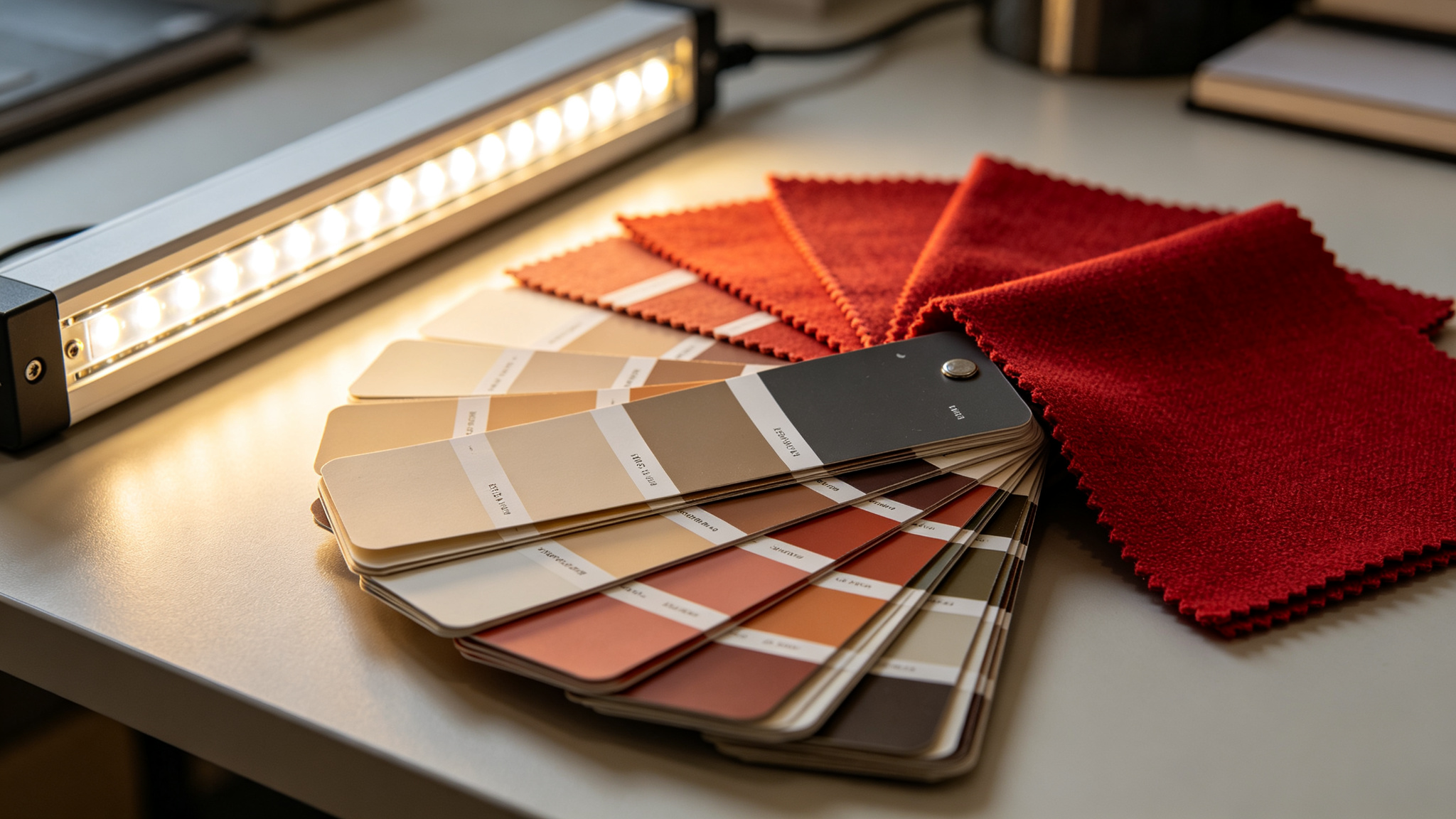
Real material samples — exactly what TM-30’s 99 colour sets are designed to predict.
CRI vs TM-30: Side-by-Side Table
| Aspect | CRI (Ra) | IES TM-30 (Rf / Rg) |
|---|---|---|
| Standard | CIE 13.3 (1974) | IES TM-30-20 (updated) |
| Colour samples | 14 (Ra averages 8 pastels) | 99 sets from real surfaces |
| Numbers reported | One Ra value (+ R1–R14) | Rf, Rg + vector graphic |
| Saturated reds (R9) | Often weak; must ask separately | Rf includes them; vector graphic shows it |
| Saturation behaviour | Not measured | Rg quantifies oversaturation |
| Repeatability | Can vary between labs | Better repeatability |
| Best use | Quick comparison, legacy specs | Specifying quality lighting |
| Good target | Ra ≥ 90, R9 ≥ 50 | Rf ≥ 90, Rg 98–105 |

In retail, TM-30 predicts how lipstick and foundation actually look far better than Ra alone.
Reading the TM-30 Colour Vector Graphic
The vector graphic plots 16 hue bins. Each spoke points to a hue; the dot shows how much that hue shifts in lightness and saturation under the LED. If the dots lean inward on the red spoke, reds are washed out (the classic weak-R9 problem). If green/blue spokes bulge outward, colours are oversaturated — attractive on a sign, unflattering on skin.
Rule of thumb: ask the factory for both the CRI/R9 report and the TM-30 Rf/Rg report at your installed CCT. A premium strip should show Rf ≥ 90, Rg between 98 and 106, and a vector graphic that stays close to the centre — vivid but honest.
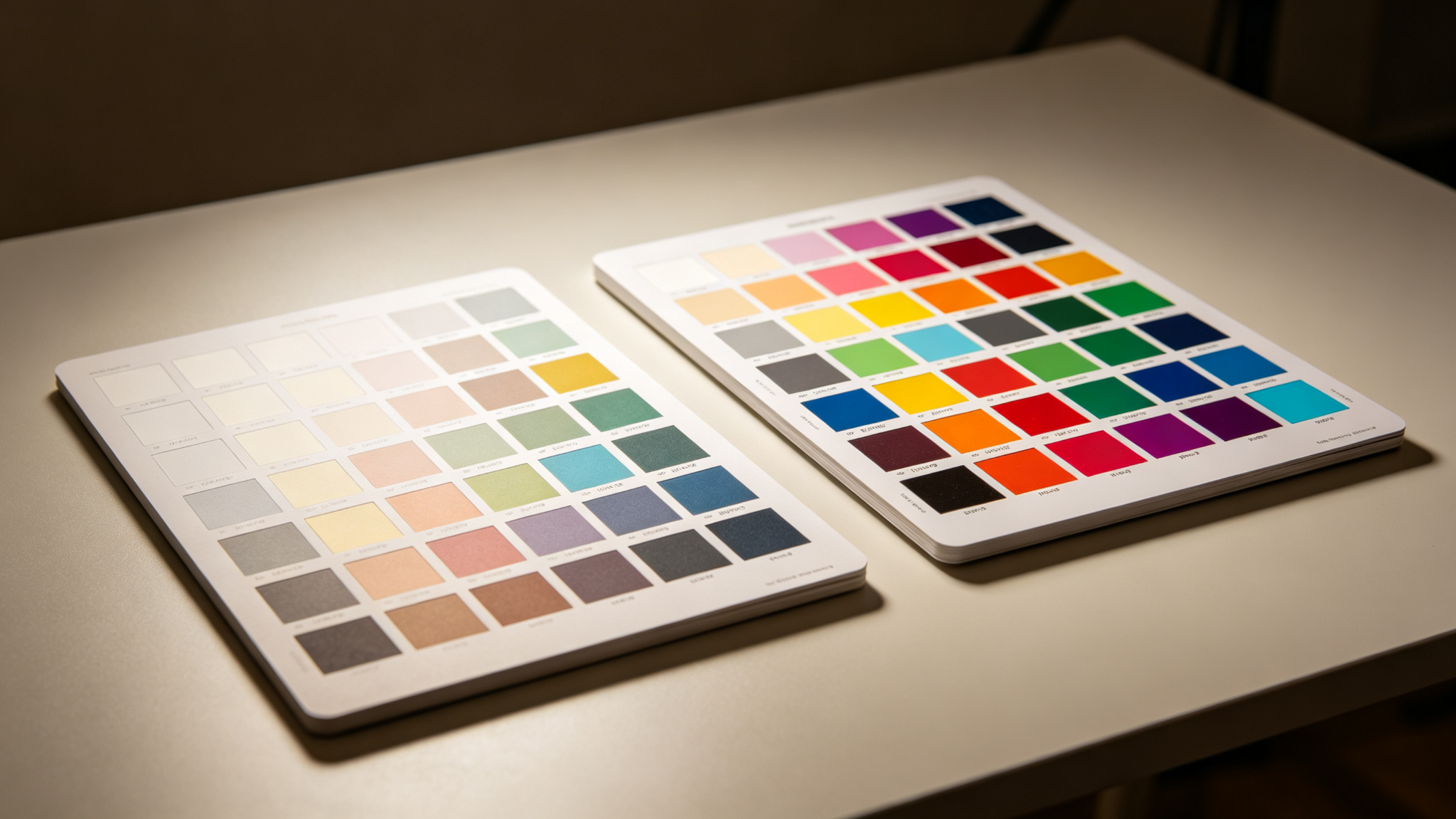
Side-by-side charts: the broader metric catches the washed-out one that Ra might miss.
Which Metric to Specify for LED Strips
Neither metric replaces the other — use them together. Ra is universal and everyone understands it; TM-30 is the more truthful predictor. For LED strip projects, the most defensible specification is: Ra ≥ 90, R9 ≥ 50, TM-30 Rf ≥ 90, Rg 98–105. Pair this with your CCT choice (see the Kelvin guide) and, for warm-dim systems, our warm vs cool white guide.

Reputable factories run spectrophotometric tests and can supply both CRI and TM-30 reports per batch.
The 30-second decision
Buying on “CRI 90” alone is risky → ask for the TM-30 sheet. Rf high and Rg near 100 means honest colour; Rg far above 100 means vivid but distorted. Test with your own products before bulk order.
Recommended Products
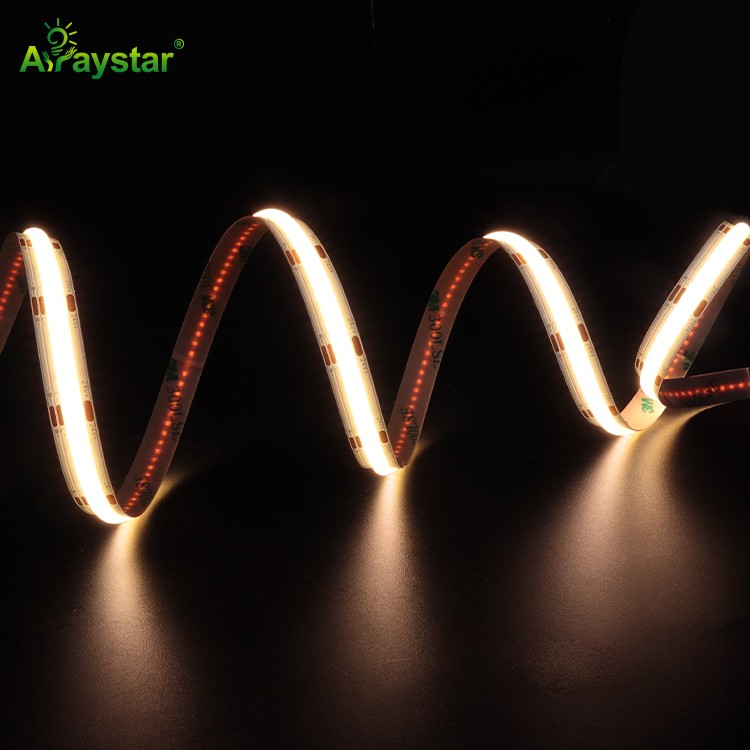
CCT Tunable COB LED Strip 10 mm, 10W+10W
High-fidelity tunable COB with strong Rf and stable gamut across the 2700K–6500K range — ideal when colour honesty matters.
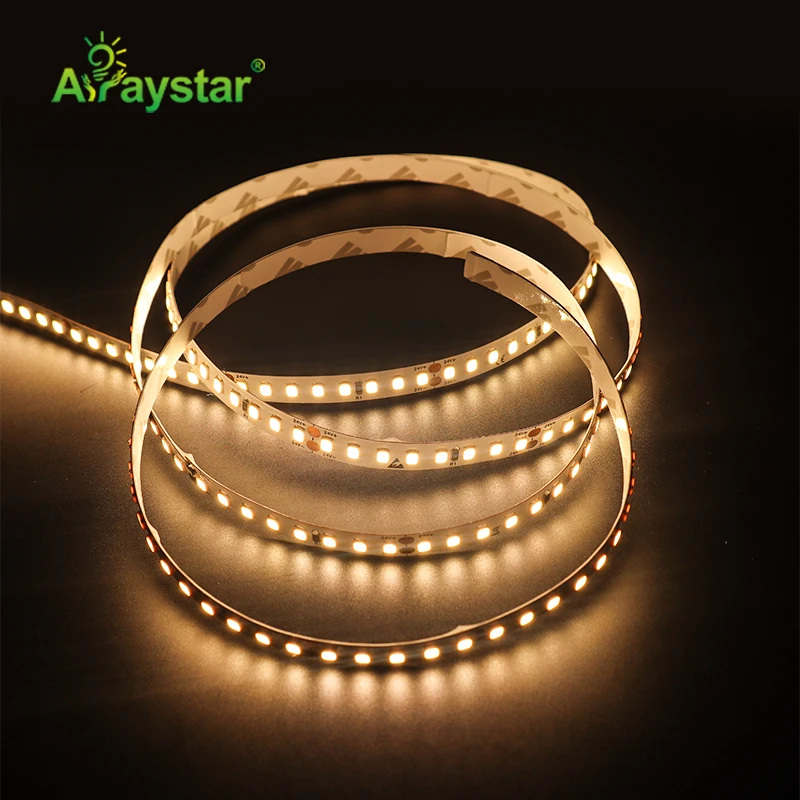
High Efficiency 2835 LED Strip, 168 LEDs/m
Efficient SMD strip with CRI 90 options and consistent TM-30 numbers, a versatile workhorse for retail and offices.
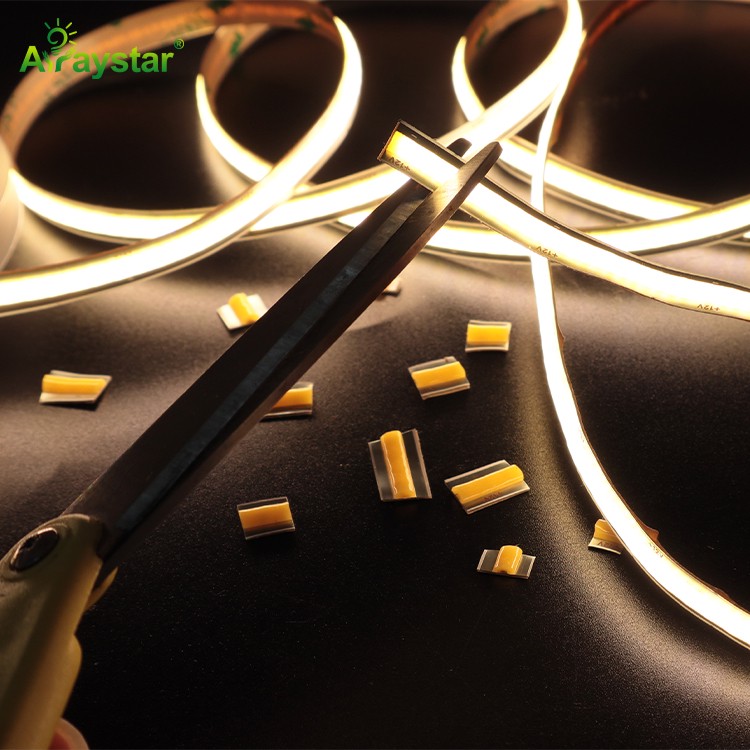
Free Cut COB LED Strip, 400 LEDs/m, 8 mm
Dot-free free-cut COB with high colour fidelity for close-view coves where both smoothness and accurate colour count.
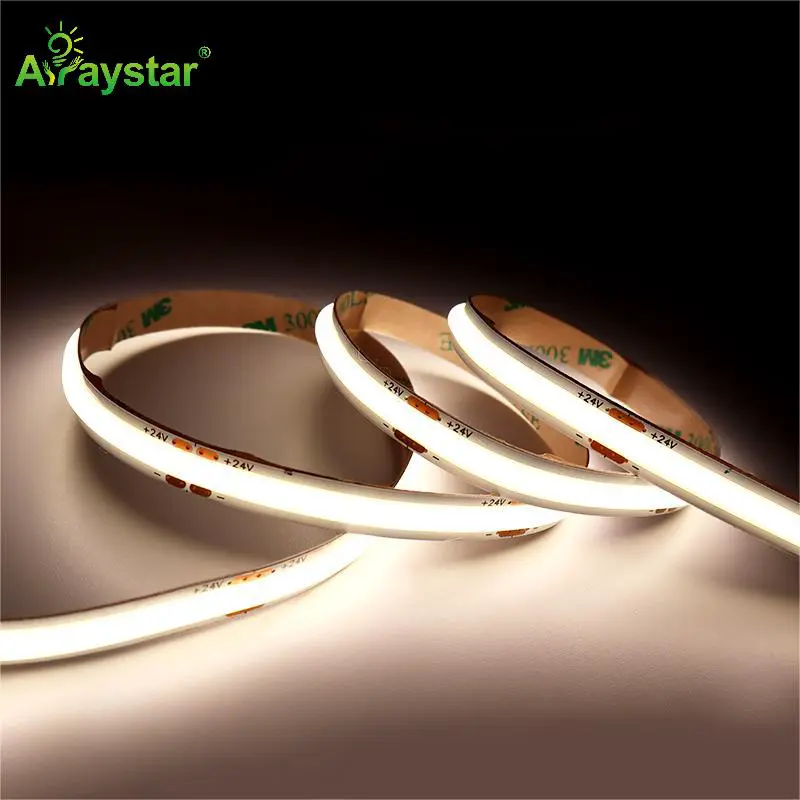
Reel-to-Reel COB LED Strip, 320 LEDs/m
Uniform reel-to-reel COB with tight colour-bin control, suited to long runs where consistent TM-30 across reels is required.
Frequently Asked Questions
Is TM-30 better than CRI?
TM-30 is broader and more predictive: it uses 99 real-surface colour sets and reports fidelity (Rf) plus saturation (Rg), while CRI uses eight pastel samples for Ra. TM-30 is the better predictor of real appearance; CRI remains the universal shorthand. Best practice is to specify both.
What is a good TM-30 Rf and Rg?
Aim for Rf at or above 90 (excellent) and Rg between about 98 and 105. Rg well above 105 means oversaturated, flattering colours that distort skin; Rg below 95 can look flat. For most interiors, Rf 90+ with Rg near 100 is the sweet spot.
Does a high CRI always mean good TM-30?
No. A strip can score Ra 90 yet have weak saturated reds (low R9) or oversaturated blues, which TM-30 reveals through Rf, Rg and the vector graphic. That is why premium specifiers ask for both reports at the actual installed colour temperature.
Should I specify TM-30 or CRI to my supplier?
Specify both in writing: Ra 90+, R9 50+, TM-30 Rf 90+ and Rg 98-105, and request the spectrophotometer report at your chosen CCT. If a supplier only offers CRI, ask whether they can supply the TM-30 figures — most modern factories can test them.
Need high-CRI, color-consistent LED strips for your project?
Get factory-direct pricing, free samples and a tailored quote within 24 hours.
Get a Quote