Warm White vs Cool White LED Strip: Which Color Temperature Should You Choose?
- 2026-09-09 15:48
- /
- Arraystar
Quick Answer
Color temperature (measured in Kelvin) determines the warmth or coolness of LED light: 2700K-3000K warm white creates cozy, relaxing atmospheres ideal for homes, restaurants, and hotels; 3500K-4000K neutral white provides balanced, natural light for offices, retail, and task areas; 5000K-6500K cool white delivers bright, alert light for workshops, hospitals, and security lighting. Choose based on the room's purpose, desired mood, and existing decor. When in doubt, 3000K for living spaces and 4000K for work spaces are safe choices.
Understanding Color Temperature
Color temperature is measured in Kelvin (K) and describes the color appearance of light, from warm (yellow/orange) to cool (blue/white). Lower Kelvin = warmer light; higher Kelvin = cooler light. This is not related to the actual heat of the LED—it's a description of color appearance. The scale: 1000K-2000K (candlelight, very warm), 2700K-3000K (warm white, incandescent-like), 3500K-4000K (neutral white, natural), 5000K-6500K (cool white/daylight, bright), 6500K+ (very cool, blue-ish). Understanding color temperature helps you create the right mood and atmosphere for any space.
Warm White (2700K-3000K)
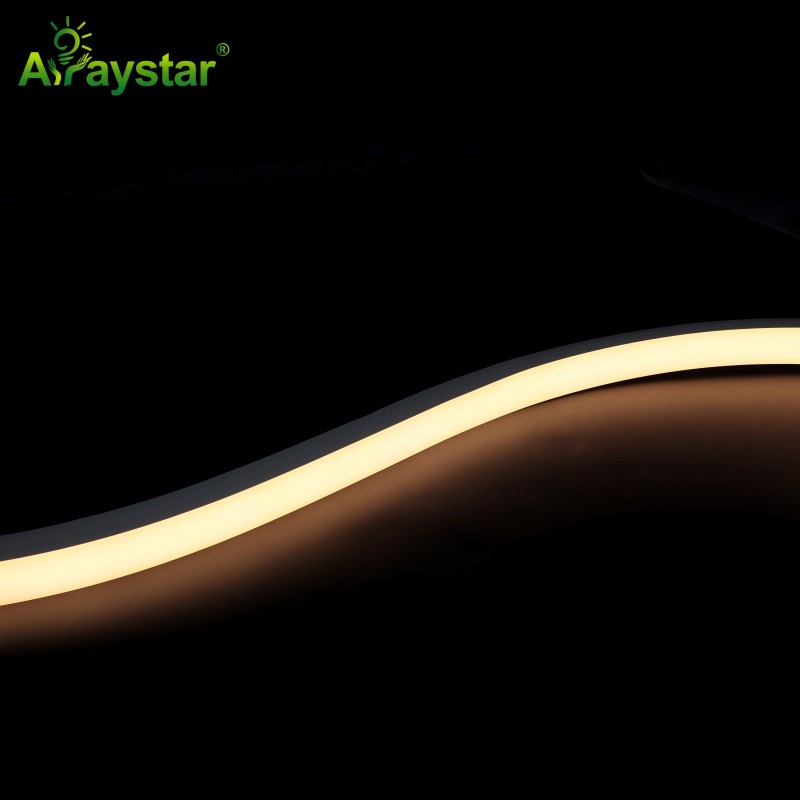
Warm white light has a yellowish, cozy glow similar to traditional incandescent bulbs or candlelight. Best for: Living rooms, bedrooms, dining rooms, restaurants, hotels, spas, and any space where relaxation and comfort are priorities. Advantages: Creates warm, inviting atmosphere; flattering for skin tones; enhances warm-colored decor (wood, earth tones); promotes relaxation and melatonin production in the evening. Disadvantages: May appear too yellow for task-oriented spaces; can make some colors appear muted; not ideal for areas requiring high visibility or color accuracy. 2700K is the warmest, coziest option; 3000K is slightly brighter and more versatile.
Neutral White (3500K-4000K)
Neutral white (also called natural white) provides balanced, clean light that is neither too warm nor too cool. Best for: Offices, kitchens, bathrooms, retail stores, showrooms, and areas where balanced, natural-looking light is desired. Advantages: Balanced color rendering; good for task lighting without being harsh; versatile for both work and living spaces; makes colors appear natural and vibrant; promotes alertness without being clinical. Disadvantages: May feel less cozy than warm white in relaxation spaces; some people find 4000K slightly cool for bedrooms. 3500K is slightly warmer and more comfortable; 4000K is brighter and more energizing. This is the most versatile color temperature range.
Cool White (5000K-6500K)
Cool white (also called daylight) provides bright, blue-white light similar to natural daylight at noon. Best for: Workshops, garages, hospitals, laboratories, security lighting, outdoor areas, and spaces requiring maximum visibility and alertness. Advantages: Maximum brightness and visibility; promotes alertness and focus; makes details and colors crisp; ideal for tasks requiring precision; good for security and outdoor lighting. Disadvantages: Can feel harsh, clinical, or cold in living spaces; may cause eye strain with prolonged exposure; can interfere with sleep if used in bedrooms in the evening; may make skin tones appear washed out. 5000K is slightly warmer and more comfortable; 6500K is the brightest, coolest option.
Choosing the Right Color Temperature
Consider these factors: 1) Room purpose: Relaxation = warm (2700K-3000K), work = neutral (3500K-4000K), precision/security = cool (5000K+). 2) Time of day: Morning/daytime = cooler for alertness, evening = warmer for relaxation. Consider tunable white strips for circadian lighting. 3) Existing decor: Warm-colored decor (wood, earth tones) pairs well with warm white; modern/monochrome decor suits neutral or cool white. 4) Personal preference: Some people prefer warmer light, others prefer cooler—there's no absolute right answer. 5) Consistency: Use the same color temperature throughout a space for a cohesive look. Mixing color temperatures in one room can look disjointed. 6) When in doubt: 3000K for living/bedroom, 4000K for kitchen/office/bathroom. These are safe, versatile choices that work well in most applications.
Color Temperature Comparison Table
| Factor | Option A | Option B |
|---|---|---|
| Brightness | Medium-High | High |
| Efficiency | Good | Excellent |
| Cost | Lower | Higher |
| Best For | General applications | Premium installations |
Recommended Products
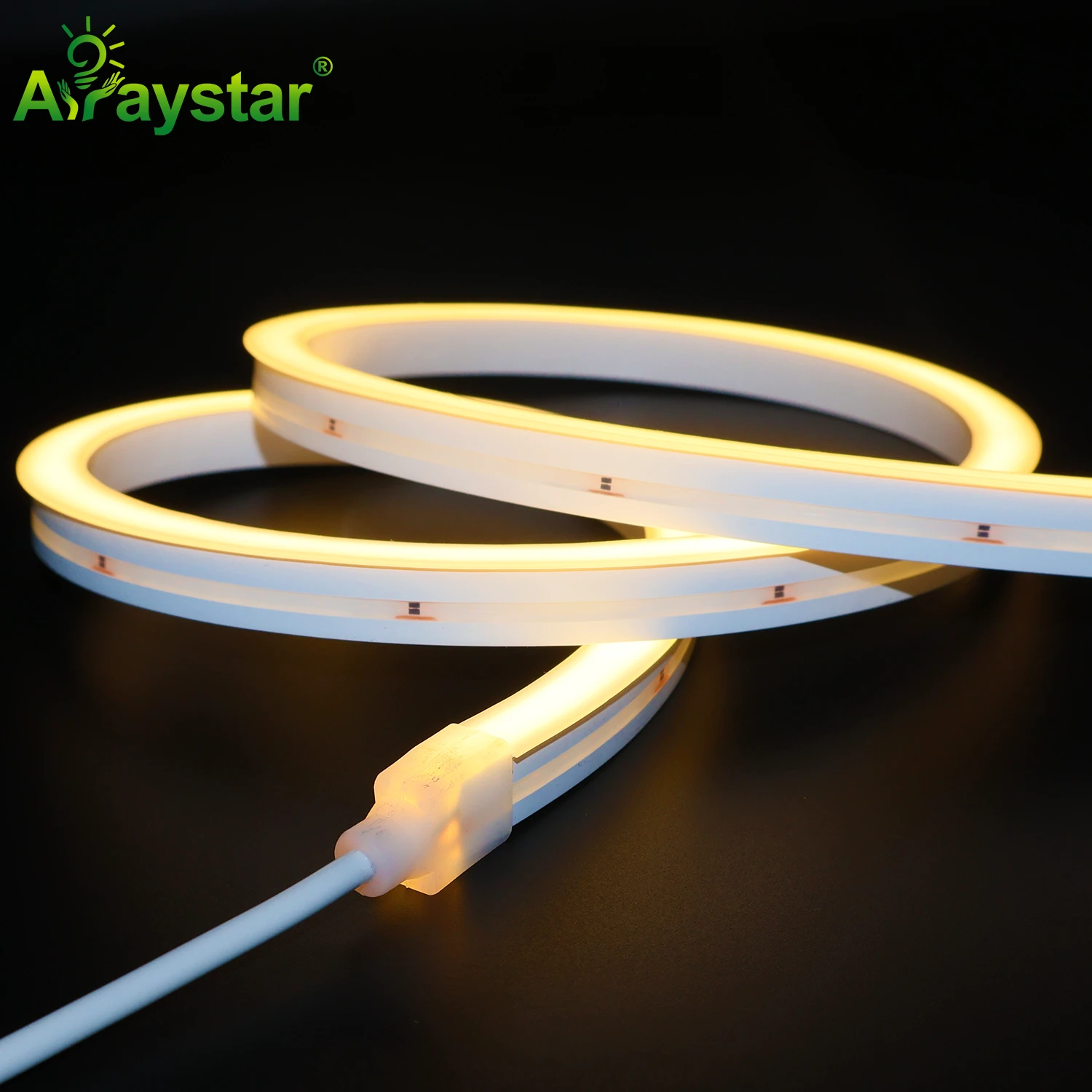
IP68 Full Silicon Extrusion LED Neon Strip ART-NS1010-IP68
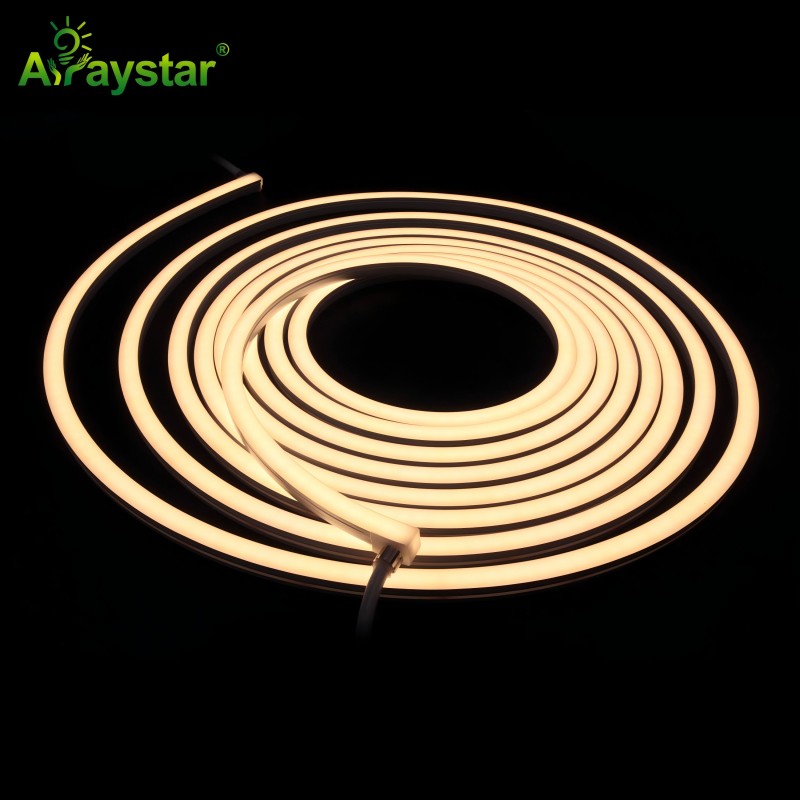
1010 Top Bend Neon LED Strip CCT/Color Voltage Power(W/M) LED Type LED Qty/m Cut Size IP Rating CRI Lumen(lm/M) ART-NS1010-120-X-12 1800K, 2700K, 3000K, 4000K, 6000K 12V DC 10 W/m 2835 120LEDs/m
ART-NT1525
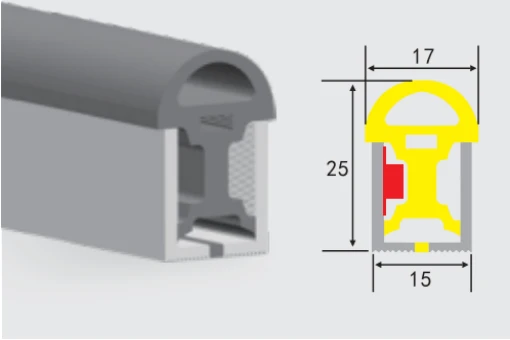
Professional common side bend neon tube from Arraystar LED, manufactured with premium quality components and backed by our 3-year warranty.
Frequently Asked Questions
Q: Can ip68 full silicon extrusion led neon strip be cut to custom lengths?
A: Yes, most ip68 full silicon extrusion led neon strip can be cut at designated cut points (typically every 5cm or 10cm depending on LED density). Always cut at the marked copper pads and use proper connectors or soldering for reliable connections. COB strips offer mini-cut options with 2.5mm intervals.
Q: What power supply do I need for ip68 full silicon extrusion led neon strip?
A: Choose a power supply matching your strip's voltage (12V/24V/48V) with wattage at least 20% higher than total strip consumption. For example, a 5m 14.4W/m strip needs at least 72W + 20% = 86.4W, so a 100W power supply is recommended.
Q: Are ip68 full silicon extrusion led neon strip dimmable?
A: Yes, ip68 full silicon extrusion led neon strip support multiple dimming methods including 0-10V, PWM, TRIAC, DALI, and DMX512 when used with compatible dimmers and drivers. COB strips dim especially smoothly due to their uniform light output.
Q: Do you offer OEM/ODM services for ip68 full silicon extrusion led neon strip?
A: Yes, Arraystar LED provides comprehensive OEM/ODM services including custom PCB design, specific LED binning, custom color temperatures, private labeling, and custom packaging. Our factory has 15+ years of experience serving clients in 80+ countries.
Q: What is the lifespan of ip68 full silicon extrusion led neon strip?
A: Quality ip68 full silicon extrusion led neon strip from Arraystar LED have a rated lifespan of 50,000+ hours (L70). Actual lifespan depends on operating temperature, current drive, and environmental conditions. We offer 3-year warranty on all products.
Conclusion
Color temperature (measured in Kelvin) determines the warmth or coolness of LED light: 2700K-3000K warm white creates cozy, relaxing atmospheres ideal for homes, restaurants, and hotels; 3500K-4000K neutral white provides balanced, natural light for offices, retail, and task areas; 5000K-6500K cool white delivers bright, alert light for workshops, hospitals, and security lighting. Choose based on the room's purpose, desired mood, and existing decor. When in doubt, 3000K for living spaces and 4000K for work spaces are safe choices. Arraystar LED offers 15+ years of LED strip manufacturing experience with full OEM/ODM capabilities, CE/RoHS/ERP certification, and 3-year warranty. Contact our team for a free consultation and custom quote for your project.
Ready to start your project? Contact us today for expert guidance and competitive pricing.
About the Manufacturer
ArrayStar LED is a professional LED strip manufacturer in Shenzhen, China since 2010, serving 80+ countries. We support custom OEM/ODM projects (custom CCT, CRI, PCB, logo, packaging) and wholesale supply for distributors and contractors worldwide.