Tunable SOB Strips: Smooth 2700K to 6500K on a Thin Board
- 2026-10-09 18:40
- /
- Arraystar LED
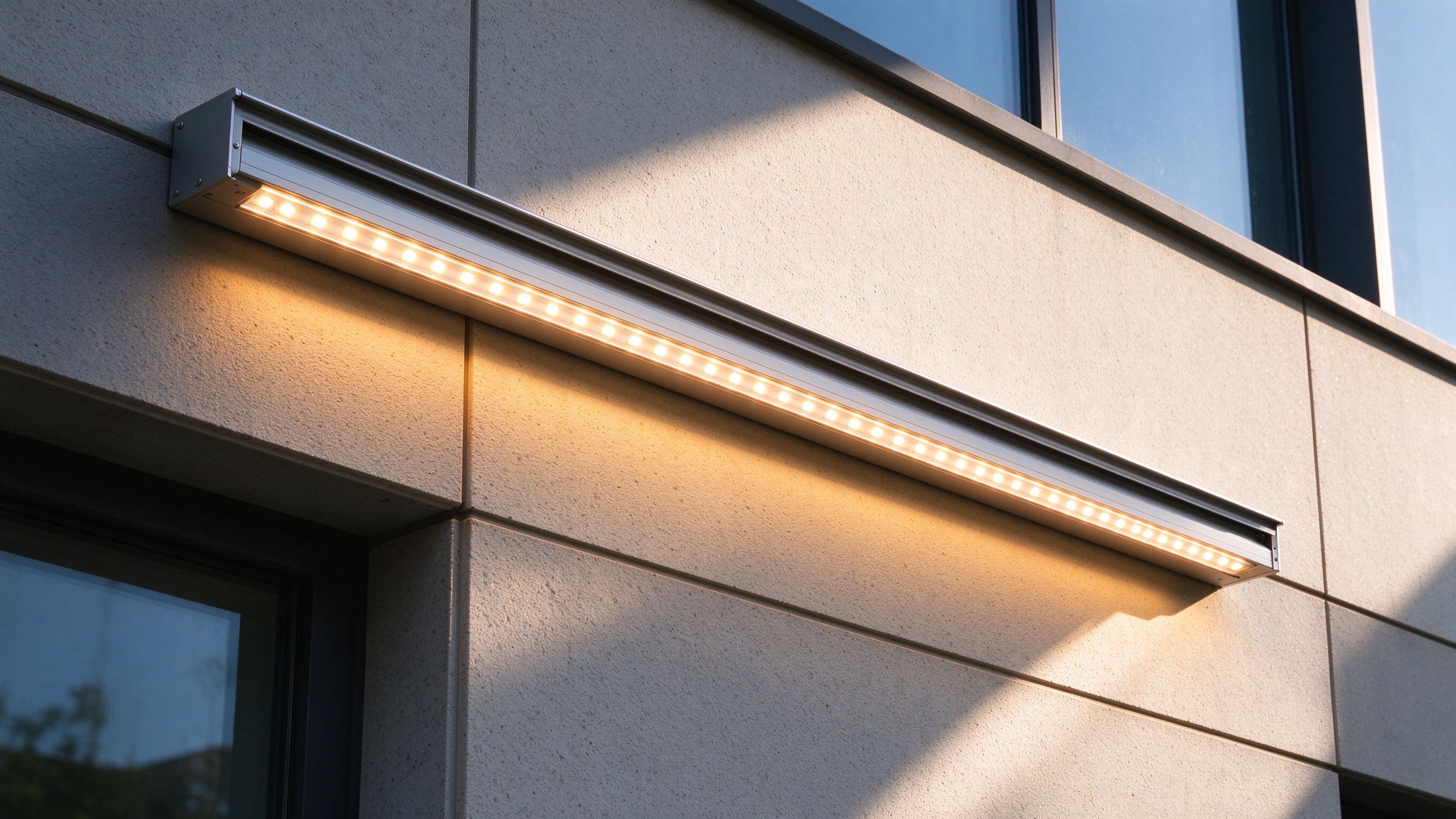
Full-range tunable white usually means a trade-off: wide 2700K to 6500K control on a conventional board, or a slim seamless SOB form with limited range. A tunable SOB strip puts the complete warm-to-cool sweep on a thin, dot-free board, giving designers precise white control inside slim profiles without choosing between range and a flush, smooth source.
The Two Desires That Used to Conflict
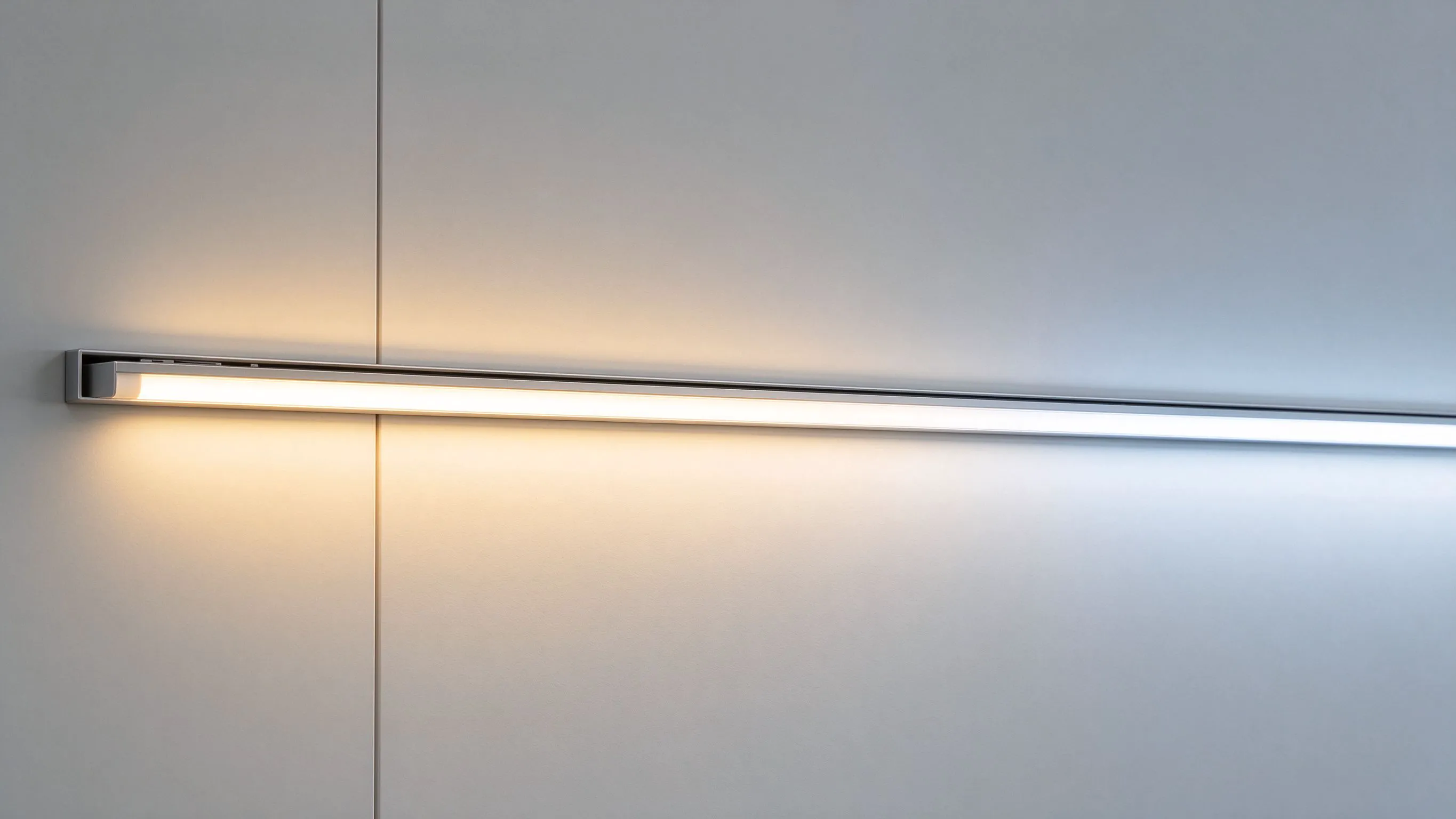
Specifiers increasingly want the full white range, from a warm 2700K evening glow to a crisp 6500K daylight, so one linear system can adapt to any scene. At the same time, modern joinery and architectural details demand ever-thinner, flush, seamless light sources that disappear into slim channels.
Until recently those two goals pulled against each other: wide-range tunable product came on conventional boards, while the thinnest seamless SOB form offered limited or fixed white.
What a Tunable SOB Strip Combines
- Full 2700K to 6500K tunable white on one strip.
- Thin SOB board with a flush, seamless emitting surface.
- High LED density (560 class) for a dot-free line.
- Warm and cool channels blended for smooth intermediate whites.
- Slim profile compatibility for modern minimal details.
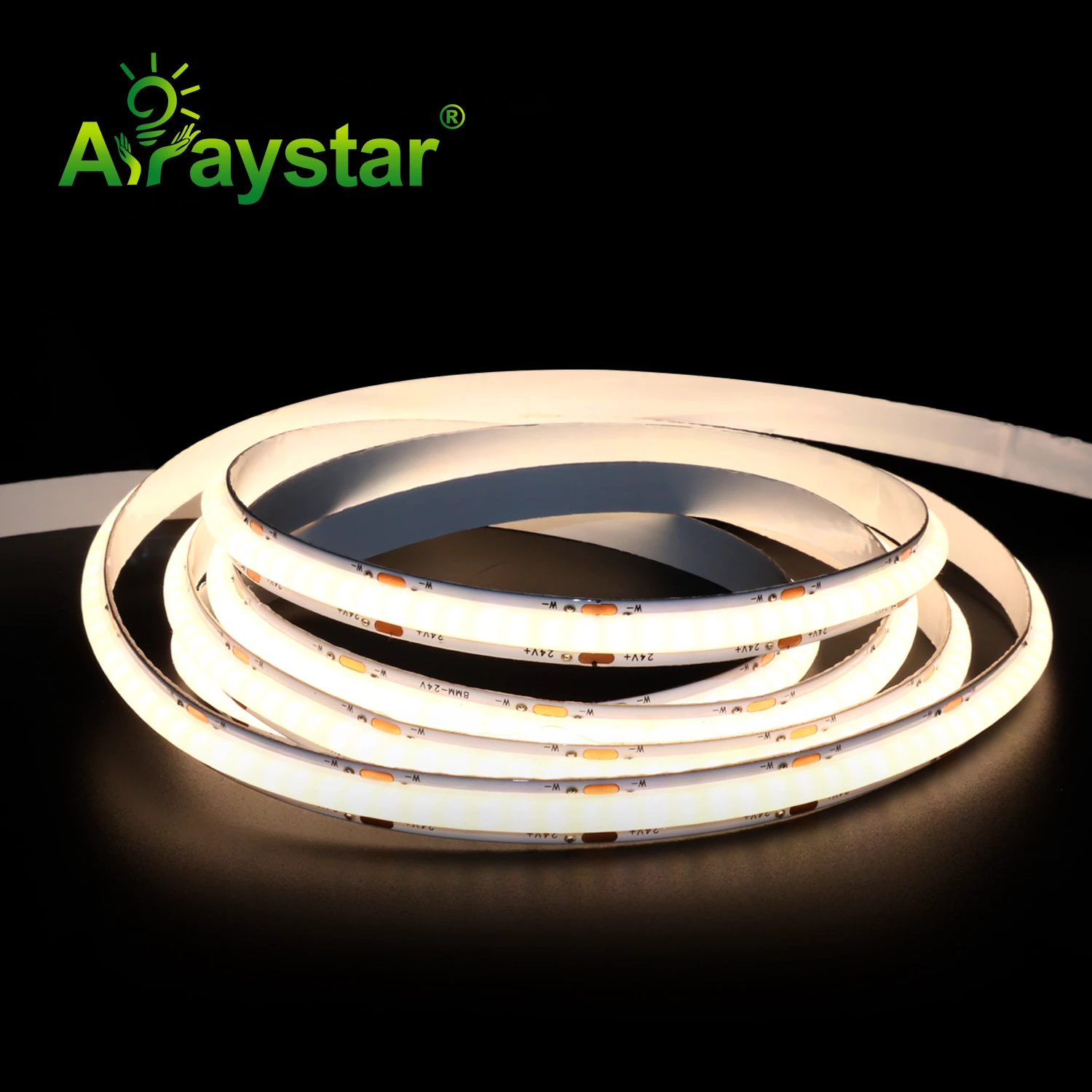
When a slim detail also needs the complete white range, I use the tunable 2700K-6500K SOB strip. It removes the old choice between range and form factor.
Tunable SOB vs Standard Tunable COB
Tunable SOB keeps full range in the thinnest seamless form.
| Factor | Standard tunable board | Tunable SOB |
|---|---|---|
| White range | Wide | Wide (2700-6500K) |
| Board / surface | Conventional | Thin, flush, seamless |
| Slim-channel fit | Moderate | Excellent |
| Dot-free quality | Good at high density | Very smooth flush SOB |
| Best for | General tunable coves | Minimal slim tunable details |
Where Full-Range Slim White Wins
- Minimalist residential coves and slim ceiling details.
- High-end joinery and furniture with tunable white in shallow channels.
- Boutique hotel and spa spaces adapting from day to night.
- Modern offices and meeting pods wanting range in slim trims.
- Any design where the fixture must be invisible and the white fully adjustable.
Blending Two White Channels Smoothly
Tunable white works by blending warm and cool channels, and the quality of the intermediate whites depends on how tightly those channels are interleaved. The dense SOB packaging places warm and cool emitters close together so they blend into a single seamless source even behind a shallow cover, reducing the tint and shadow lines that appear when the two populations are spaced apart on a sparse board. As with all tunable product, I commission the mid-range whites, where blending is most critical, rather than checking only the warm and cool endpoints.
Control and Driver Requirements
A full-range strip needs a control system that can drive two white channels and cross-fade them across the entire 2700-6500K sweep without stepping. In commercial projects this is commonly a DALI DT8 or dedicated tunable driver; in smaller spaces a smart two-channel controller suffices. I prioritise flicker-free dimming, repeatable CCT presets and, for occupied spaces, a simple way to recall warm, neutral and cool scenes without exposing occupants to raw channel control.
- Use a two-channel tunable-white driver or DALI DT8 as appropriate.
- Confirm smooth cross-fade with no stepping through the middle CCTs.
- Save named scenes (warm evening, neutral day, cool focus).
- Provide simple controls; hide raw channel adjustment from end users.
Thermal and Power Notes on a Thin Board
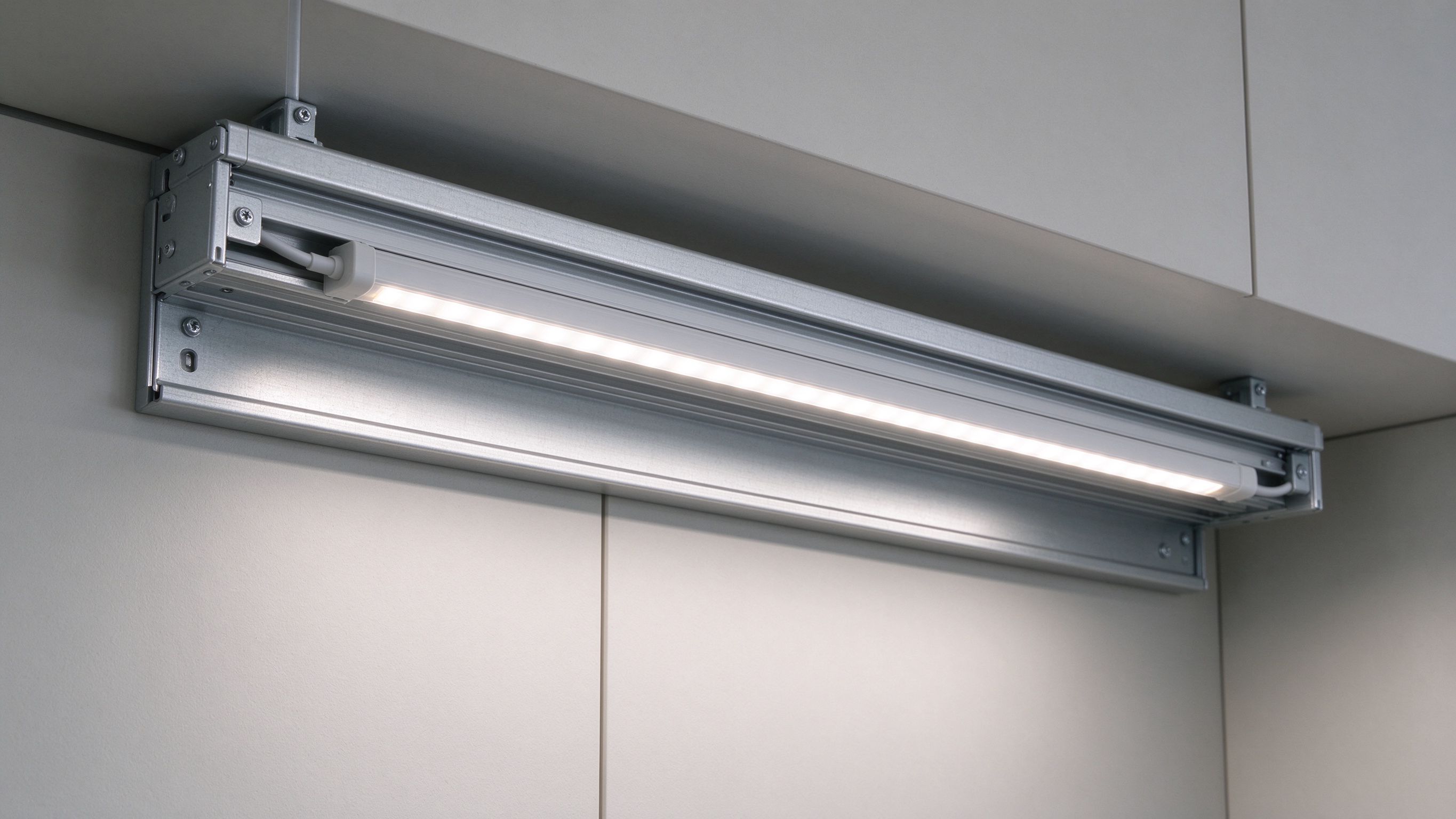
A thin SOB board has less thermal mass than a wide profile, so even though the dense emitters are efficient I still mount to a suitable slim aluminium channel for heat sinking, keep the strip within rated current and size drivers for the loaded run. On long slim coves I plan feed intervals to keep both white channels even, because voltage drop on a thin board shows up as a colour shift at the far end, which is especially visible on neutral white scenes.
Specifying a Slim Full-Range System
Send the channel dimensions, the desired 2700-6500K range, run lengths, control protocol and the scenes the space needs. I will confirm the tunable SOB strip, compatible two-channel drivers, slim aluminium profile and feed layout. We supply the tunable SOB and recommend a slow full-range sweep on a mocked slim cove, checking the intermediate whites and the flush appearance before committing, since both the mid-range blending and the thin form factor are best evaluated on a real section.
Circadian Scenes and Daylight Matching
The full 2700K to 6500K range earns its place in spaces that should track the time of day rather than merely switch between a couple of presets. In offices, wellness suites and hotel rooms, a tunable SOB system can follow a daylight schedule: a clean cool white around 5000-6500K through the morning to support alertness, a neutral white through the middle of the day, and a gradual warm-down toward 2700K in the evening that avoids the cool evening exposure which interferes with relaxation and sleep. Doing this inside a slim, flush SOB profile means the circadian source can be integrated into the same minimal architectural details that designers previously reserved for fixed decorative light.
- Morning: cool, bright white to support focus and wakefulness.
- Midday: neutral white for general comfort and tasks.
- Afternoon: gradual reduction in colour temperature.
- Evening: warm 2700K glow to support wind-down.
- Night: dim warm standby for circulation without alerting the eye.
I am careful to present circadian scheduling as a control-programming task layered on top of good hardware, not a magic property of the strip. The strip must be capable of smooth, flicker-free blending across the whole range, which the dense SOB packaging supports, but the actual schedule lives in the driver or building control system and should be tuned to how the space is really used; a restaurant does not want an office daylight schedule, and a meeting room may need manual override for presentations. For clients who only ever want warm evening light, the full 6500K capability is wasted and a dim-to-warm product is simpler, but for spaces genuinely occupied across the day, the slim full-range tunable SOB lets the architecture deliver both daylight-matching function and a beautifully minimal light line from the same fixture.
Recommended Products
Frequently Asked Questions
What is a tunable SOB LED strip?
It is a thin silicon-on-board strip with a flush seamless surface that blends warm and cool channels to sweep the full white range, around 2700K to 6500K. It gives complete adjustable white in a slim, dot-free form factor for minimal channels where a conventional tunable board would be too thick.
What is the difference between tunable SOB and tunable COB?
Both blend warm and cool channels for adjustable white, but SOB uses a thinner, flush silicone-encapsulated board that fits slimmer profiles and presents a perfectly smooth surface, while conventional tunable COB uses a standard board better suited to general coves. Choose tunable SOB when minimal form and full white range are both required.
How do I control a 2700K-6500K tunable strip?
With a two-channel tunable-white driver and controller, such as a DALI DT8 driver in commercial projects or a smart two-channel controller in smaller spaces, that cross-fades warm and cool channels smoothly. Prioritise flicker-free dimming, repeatable CCT presets and simple named scenes rather than exposing raw channel control to occupants.
Why do intermediate whites sometimes look tinted?
Mid-range whites are where warm and cool channels mix, and if the emitters are sparsely spaced, batches differ or voltage drops along a thin board, the blend drifts off the black-body curve and looks tinted. Dense SOB interleaves the channels tightly; still commission the mid-range CCTs, use one batch and inject power evenly on long runs.
Does a thin SOB strip overheat at high density?
A thin board has limited thermal mass, so mount it to a suitable slim aluminium channel for heat sinking, run it within rated current, size drivers for the loaded length and plan feed intervals on long coves. With proper thermal mounting the dense 560-LED strip runs reliably; without it, heat shortens life and shifts colour.
Need help with your LED project?
Get factory-direct pricing, free samples and engineering support within 24 hours.
Email: info@arraystarled.com | Phone: +86-0755-2103-6746 | WhatsApp: 0086 1581 8514 077
Need to size your power supply? Use our LED Strip Power Calculator to find the right driver in seconds.