
UKCA, PSE & RCM: LED Strip Certification for the UK, Japan and Australia
- 2026-09-30 17:39
- /
- Arraystar LED
Beyond CE, LED exporters hit a patchwork of national marks - UKCA for post-Brexit Britain, PSE for Japan, RCM for Australia/New Zealand - and assuming one certificate covers them all causes goods to be turned away. Each scheme has its own safety/EMC scope, marking and importer responsibilities, and voltage norms differ (Japan's 100/110V, for example, changes the product itself). Mapping the destination's mark, voltage and documentation before production - and specifying compliant strip, drivers and voltage-specific neon - prevents the most expensive surprise in exporting: a market you can't legally enter.

One Product, Several National Front Doors
CE opens the EU/EEA, but other major markets run their own conformity regimes. The UK uses UKCA (with ongoing recognition arrangements), Japan requires PSE for electrical products, and Australia/New Zealand use the RCM (Regulatory Compliance Mark) covering electrical safety and EMC. Each has different scopes, standards, labels and obligations, and the importer in each market typically carries legal responsibility.
The practical job for an exporter is market-by-market: identify the required mark and standards, confirm the product (including its rated voltage) matches that market, gather the model-specific reports and declarations, and apply the correct label. Treat compliance as part of product specification, not paperwork added after an order arrives.
UKCA for the United Kingdom
After Brexit, the UK established UKCA marking for goods placed on the GB market (Great Britain - England, Scotland, Wales), based on UK-designated standards that closely mirror the EU's. Northern Ireland follows different arrangements (CE/UKNI). The UK has extended recognition of CE for many goods during transition periods, so current acceptance rules should be checked at the time of shipping, but UKCA remains the intended long-term route.
For lighting, UKCA covers the same electrical safety and EMC principles as CE (UK versions of the luminaire and EMC standards), backed by a UK Declaration of Conformity and technical file. If you already hold genuine EN-tested reports, the technical basis largely transfers - but confirm current UK government guidance, as recognition timelines have shifted repeatedly.
Major market marks for LED exports.
| Market | Mark | Scope highlights | Voltage note |
|---|---|---|---|
| UK (GB) | UKCA | Electrical safety + EMC, UK standards | 230V; check CE recognition status |
| Japan | PSE | Electrical appliance safety (DENAN) | 100/110V - product-specific |
| Australia/NZ | RCM | Electrical safety + EMC (ACMA/EESS) | 230-240V |
| EU/EEA | CE | LVD/EMC/RoHS, EN standards | 230V |
| Importer | Responsible party | Holds compliance duty in each market | Verify per destination |
PSE for Japan and the Voltage Question
Japan's PSE (Product Safety Electrical appliance & materials) certification under the DENAN law is mandatory for specified electrical appliances, including power supplies and many lighting products. It splits into diamond PSE (specified products needing third-party certification) and circle PSE (self-declared with testing); LED drivers and fixtures fall into categories that must be identified precisely. Labels and importer/notification obligations are specific to Japan.
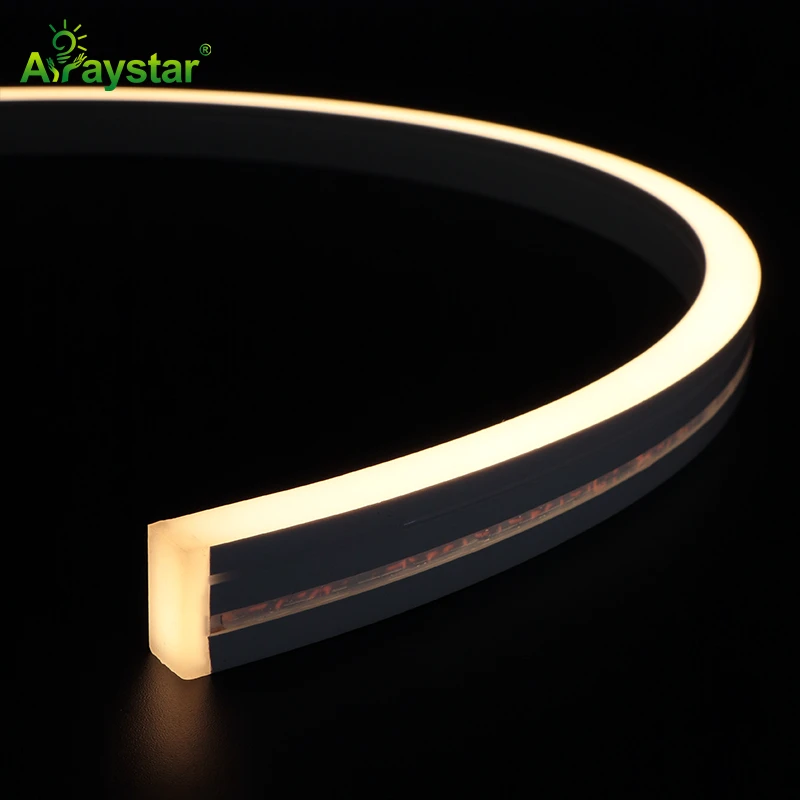
Crucially, Japan runs at 100V (50/60Hz by region), so products must be rated for the Japanese market - this is where voltage-specific components matter. 110V AC neon flex (horizontal-bending, rated for the ~100/110V market) is the kind of voltage-specific product required for Japanese neon/signage installations rather than a 230V European item; specify the correct-voltage SKU and its PSE-relevant documentation from the start.
RCM for Australia and New Zealand
The RCM combines electrical safety and EMC/EME compliance for Australia and New Zealand, overseen through the EESS (Electrical Equipment Safety System) and ACMA. In-scope electrical equipment is registered at a risk level (high/medium/low) with an authorized supplier registered in the EESS database, and the RCM mark applied. LED drivers and luminaires generally fall in scope, with safety standards aligned to IEC/AS-NZS.
As with other markets, the driver is often the controlled item - a compliant luminaire needs a compliant, appropriately certified 230-240V driver. Australian importers must be registered and the equipment registered at the correct level; exporters should provide the IEC-based safety and EMC reports that RCM registration relies on.
Efficient Multi-Market Compliance Strategy
- Build from IEC/EN core reports (safety + EMC) that most schemes recognize.
- Specify market-voltage products: 230V EU/UK/AU, 100/110V Japan.
- Use certified drivers per market; the driver is frequently the controlled item.
- Confirm current UKCA/CE recognition rules at shipment time.
- Classify PSE diamond vs circle and handle Japanese notification/labeling.
- Register RCM/EESS via an authorized AU/NZ supplier; apply correct marks.
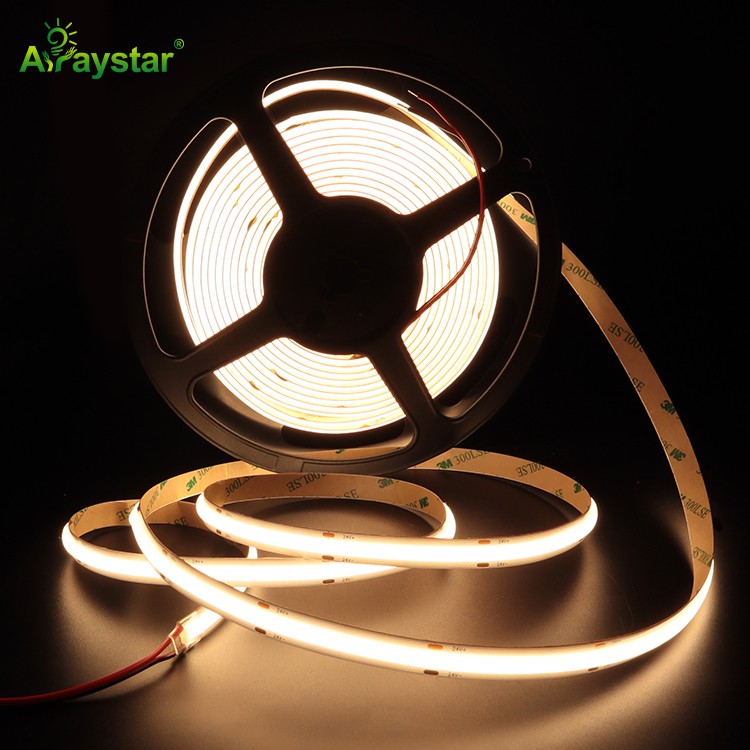
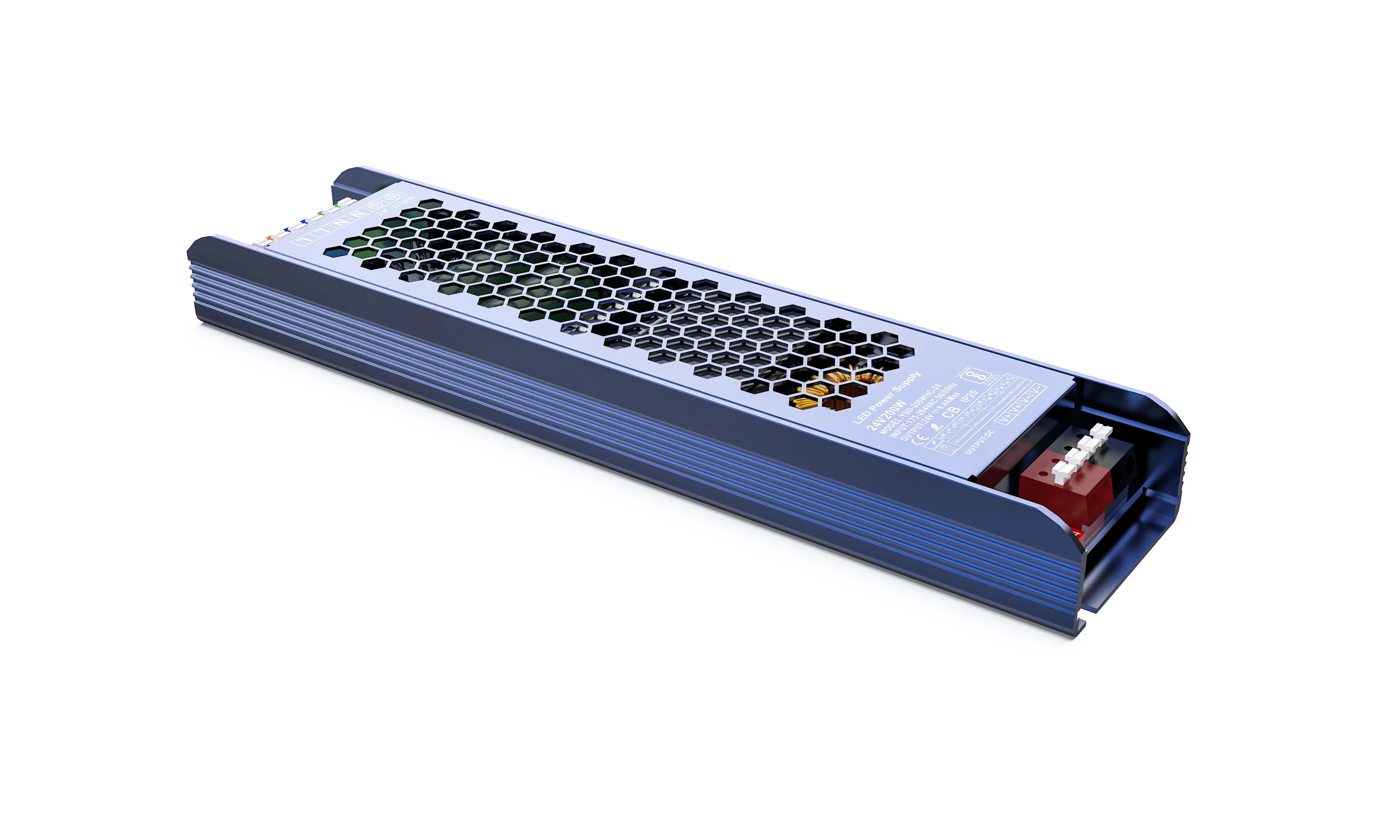
The efficient path is to engineer products to IEC standards (which underpin EN, BS, AS/NZS and largely JIS equivalents), then add each market's specific mark, voltage variant and paperwork. High-efficiency strip and certified dimmable power supplies (such as a 200W dimmable unit with the relevant reports) give you a common technical core, while market-specific items like 110V neon handle the genuine voltage differences. Plan compliance per destination at quotation stage, not at customs.
Recommended Products
Frequently Asked Questions
What certification do LED lights need for the UK, Japan and Australia?
UKCA for Great Britain (electrical safety + EMC, with current CE-recognition rules to check), PSE under Japan's DENAN law for electrical appliances/lighting, and the RCM (via EESS registration and ACMA EMC) for Australia/New Zealand. Each needs model-specific documentation and a responsible importer; one certificate does not cover all markets.
Can I sell CE-certified LED products in the UK?
The UK has extended recognition of CE marking for many goods during transition periods, but UKCA is the intended long-term GB route based on UK standards mirroring EN, with a UK Declaration of Conformity; Northern Ireland follows separate CE/UKNI arrangements. Always check current UK government guidance at shipment because recognition timelines have changed repeatedly.
What is PSE certification and why does voltage matter for Japan?
PSE is Japan's mandatory electrical product safety certification under DENAN, split into diamond (third-party) and circle (self-declared with testing) categories covering drivers and lighting, with specific labeling and importer notification. Japan runs at 100V, so you must supply correct-voltage products - e.g. 110V AC neon for signage, not 230V European items - with PSE documentation.
How do I get RCM compliance for LED lights in Australia?
The RCM covers electrical safety and EMC via the EESS and ACMA: an authorized supplier must be registered in the EESS, the equipment registered at its risk level (high/medium/low) using IEC/AS-NZS-aligned safety and EMC reports, and the RCM mark applied. The LED driver is often the controlled item and must be compliant for 230-240V.
How do I efficiently certify LED strip for multiple countries?
Engineer to IEC standards (which underpin EN/BS/AS-NZS and near-equivalent JIS) for the core safety and EMC reports, then add each market's mark, voltage variant and paperwork: 230V for EU/UK/AU, 100/110V for Japan, certified drivers per market, and current UKCA/CE rules. Use high-efficiency strip and certified dimmable supplies as a common technical core and plan at quotation stage.
Need help with your LED project?
Get factory-direct pricing, free samples and engineering support within 24 hours.
Email: info@arraystarled.com | Phone: +86-0755-2103-6746 | WhatsApp: 0086 1581 8514 077
Need to size your power supply? Use our LED Strip Power Calculator to find the right driver in seconds.







