
Importing LED Strips From China to the US: Section 301 Tariffs, HTS Codes & Landed Cost
- 2026-09-29 12:08
- /
- Arraystar LED
The sticker price of a strip is only one line of your landed cost - duties, Section 301 tariffs, freight, insurance and broker fees can add a large, variable percentage, and they change with trade policy. Get the HTS classification right, confirm who bears duty under your Incoterm, model total landed cost per meter, and build the bill of materials (strip, neon, profiles) so a tariff shift doesn't wreck your margin.
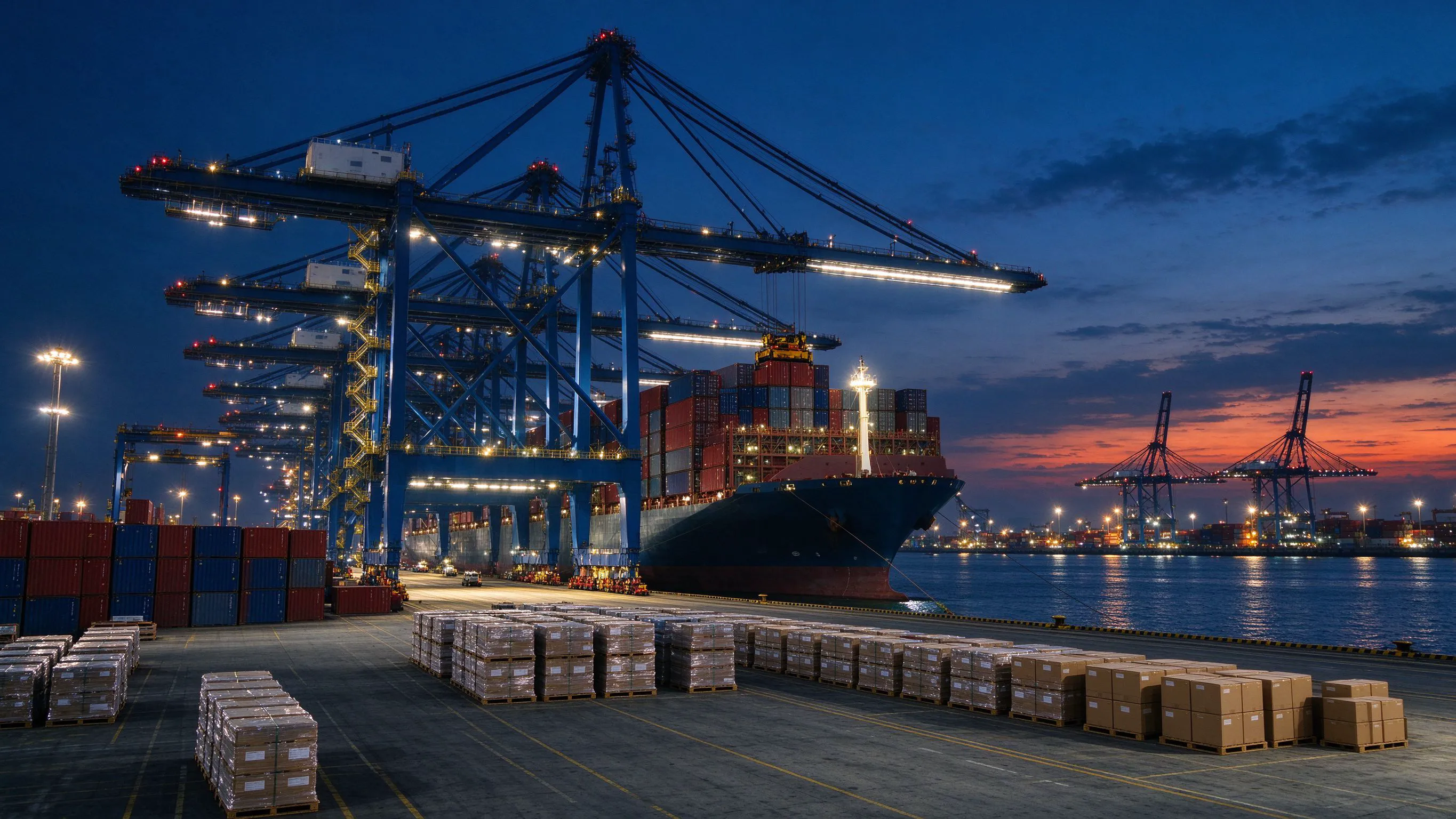
Landed Cost, Not Factory Price, Is the Number That Matters
Buyers new to importing compare factory quotes per meter and assume that's their product cost. It isn't. Landed cost = product price + freight + insurance + customs duties (including any Section 301 additional duty for China-origin goods) + broker and handling fees, and sometimes bonding or examination charges. Two suppliers with similar FOB prices can produce very different landed costs once freight efficiency and duty exposure are counted.
The pieces that make up landed cost.
| Cost component | Who typically controls it | Notes |
|---|---|---|
| Product (FOB price) | You, via spec & negotiation | The visible part |
| Freight (sea/air/express) | Incoterm + volume | Volatile; consolidations help |
| Insurance | Small but required on CIF/CIP | Often overlooked |
| Base customs duty | HTS classification | Set by product code |
| Section 301 / other extra duty | Origin + policy | Can be large; changes with policy |
| Broker / handling / bonds | Your broker | Entry and compliance fees |
Tariff rates and exemptions are policy-driven and change - treat the percentages as something you verify with a licensed customs broker or the current official sources at the time of entry, not a fixed number from a blog.
HTS Classification: The Code That Sets the Duty
LED strip and lighting products are classified under the Harmonized Tariff Schedule of the United States (HTSUS), generally within Chapter 85 (electrical) lighting / LED-related headings, with the exact code depending on whether the item is a bare flexible strip, a finished luminaire, a part, or a sign component. The classification determines the base duty rate and how additional tariffs apply - getting it wrong means overpaying or, worse, a customs penalty on a later audit.
- Bare LED strip/tape, finished luminaires and sign components may classify differently.
- Aluminum profiles, controllers and power supplies can fall under separate codes.
- Get a written classification or ruling advice from your broker before the first shipment.
- Don't let a supplier pick the code to chase a lower rate - the importer of record is liable.
Section 301 and China-Origin Surcharges
Goods of Chinese origin have faced additional Section 301 duties on top of normal HTS rates, and trade actions can add or adjust further measures. Whether and how these apply to a specific LED product at entry depends on the current lists and any exclusions in force at that time. The actionable point for a buyer is to model these explicitly in landed cost rather than discover them on the customs entry, and to know that origin, not brand, determines exposure.
- Section 301 is added on top of the base HTS duty for China-origin goods.
- Exclusion lists and rates change - confirm current status with your broker.
- Substantial transformation rules govern whether assembly elsewhere changes origin.
- Don't assume relabeling or simple repackaging changes origin - it generally doesn't.
How Product Spec Choices Move the Duty Math
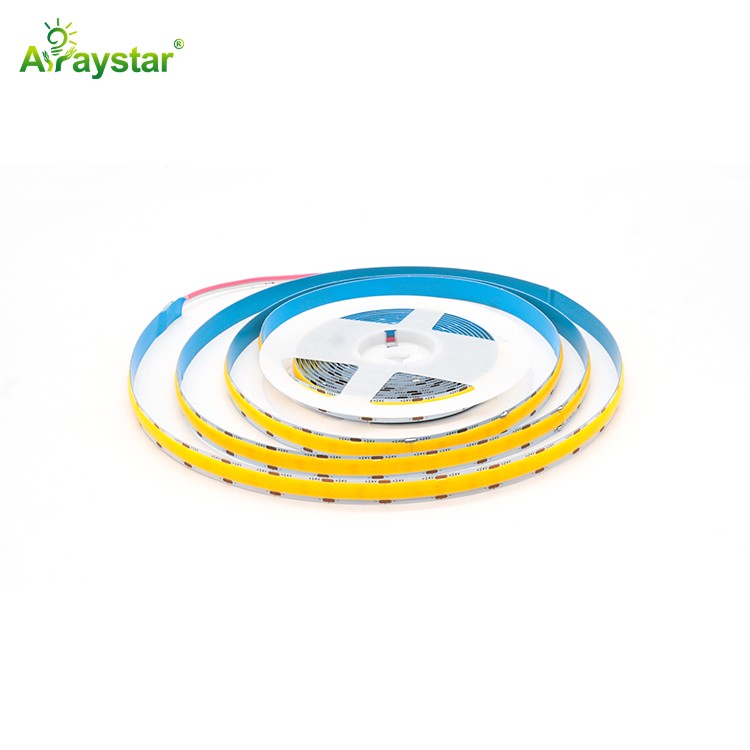
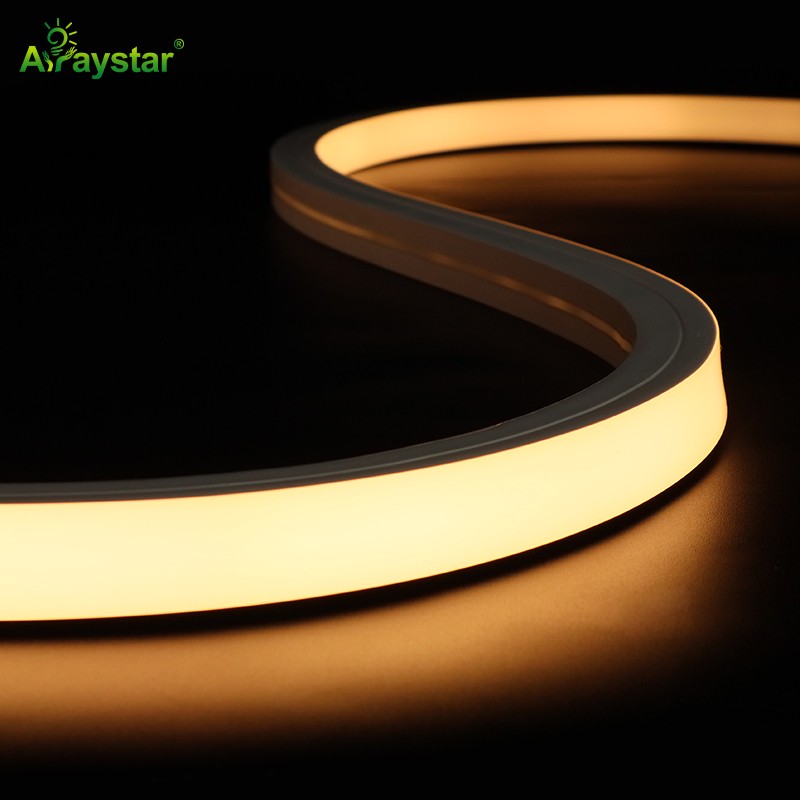
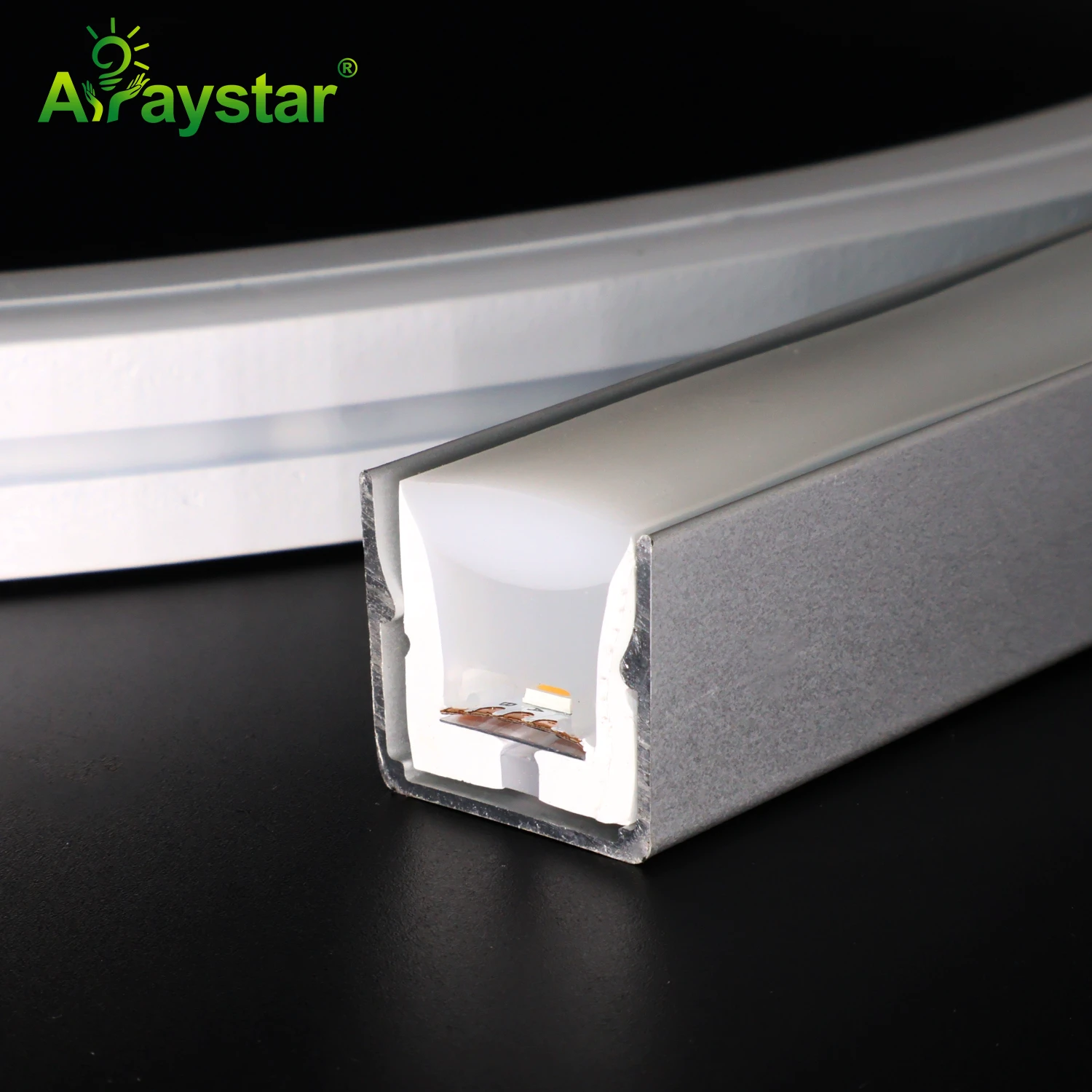
Because duty is ad-valorem (a percentage of value), the product mix in a container shifts total duty. High-value, high-margin finished goods carry more duty per unit than commodity strip; aluminum profiles and accessories may sit under different codes. Consolidating complementary items - premium COB, long-run neon and the profiles that go with them - lets you fill containers efficiently and spread freight while you model each line's duty exposure separately.
Incoterms: Who Actually Pays the Duty
Your shipping terms decide who is the importer of record and who carries duty risk. Under FOB the buyer controls and pays freight, insurance and duties; under DDP the seller is responsible for delivery including duty (and prices that risk into the quote); under EXW the buyer handles essentially everything. Match the term to your experience - new importers often prefer DDP for simplicity, experienced ones use FOB to control and reduce cost.
Where duty responsibility falls by Incoterm.
| Term | Seller handles | Buyer handles |
|---|---|---|
| EXW | Goods available at factory | Everything, incl. export/import, duty |
| FOB | To origin port/on vessel | Main freight, insurance, duty, clearance |
| CIF/CIP | Freight + insurance to destination | Import clearance & duty |
| DDP | Delivery door to door incl. duty | Minimal - highest price, least effort |
A Practical Landed-Cost Workflow
- Get correct HTS classification for each product line from a licensed broker.
- Confirm current base duty and any Section 301/other surcharge for China origin.
- Collect FOB price, freight per unit, insurance and broker/bond fees.
- Build a landed-cost-per-meter spreadsheet for every SKU, not just the quote.
- Compare suppliers on landed cost and lead time, not FOB sticker price.
- Model a duty-rate sensitivity so a policy change doesn't erase your margin.
- Keep product, packing and origin documentation consistent for customs audits.
This article explains the mechanics and what to ask; duty rates and policy are time-sensitive, so always confirm the current figures and classification with a licensed U.S. customs broker or attorney before committing to a shipment.
Recommended Products
Frequently Asked Questions
What HTS code do LED strip lights import under to the USA?
LED strips and lighting goods generally fall in Chapter 85 electrical/lighting headings, but the exact HTS code depends on whether the item is bare flexible strip, a finished luminaire, a sign part, a power supply or an aluminum profile, each of which may classify differently. Obtain the precise code from a licensed customs broker before shipping.
Do I pay Section 301 tariffs on LED strips from China?
China-origin LED products have been subject to Section 301 additional duties on top of the base HTS rate, subject to the lists and any exclusions in force at entry, which change over time. Confirm current applicability and rates with a licensed broker at the time of shipment, and model them in your landed cost.
Is DDP or FOB better when importing LED strips?
New importers often prefer DDP because the supplier handles freight, clearance and duty for a simple delivered price (at a 10-15% premium); experienced importers use FOB to control freight and customs and reduce cost. Under FOB you are the importer of record and must manage classification and duty yourself.
How do I calculate the landed cost of imported LED strips?
Add the FOB product price, freight, insurance, base HTS duty, any Section 301/other surcharge, and broker/handling/bond fees, then divide by meters or units for a landed cost per SKU. Classify each product line correctly, use current duty rates from a broker, and add a sensitivity buffer for policy changes.
Can I avoid China tariffs by assembling LED strips in another country?
Only if the goods undergo a genuine 'substantial transformation' in that country meeting origin rules; simple relabeling, repackaging or minor assembly generally does not change origin for tariff purposes and can create compliance risk. Consult a customs attorney before relying on a third-country origin claim.
Need help with your LED project?
Get factory-direct pricing, free samples and engineering support within 24 hours.
Email: info@arraystarled.com | Phone: +86-0755-2103-6746 | WhatsApp: 0086 1581 8514 077
Need to size your power supply? Use our LED Strip Power Calculator to find the right driver in seconds.







