
Wildlife-Friendly (Turtle-Safe) Amber LED Strip Lighting for Coastal Projects
- 2026-09-30 17:38
- /
- Arraystar LED
Coastal and nature-adjacent lighting has a responsibility ordinary exterior lighting doesn't: blue-rich white light disorients sea turtles, disrupts pollinators and birds, and spills far across water and dunes. The fix is a deliberate switch to amber/orange long-wavelength light, low mounting, full cutoff and tight control - using dedicated orange 2835 strip for wildlife zones, anti-glare sealed neon for coastal exposure, and small waterproof supplies. Done right, the path stays safe for people while the beach stays dark enough for the wildlife that was there first.
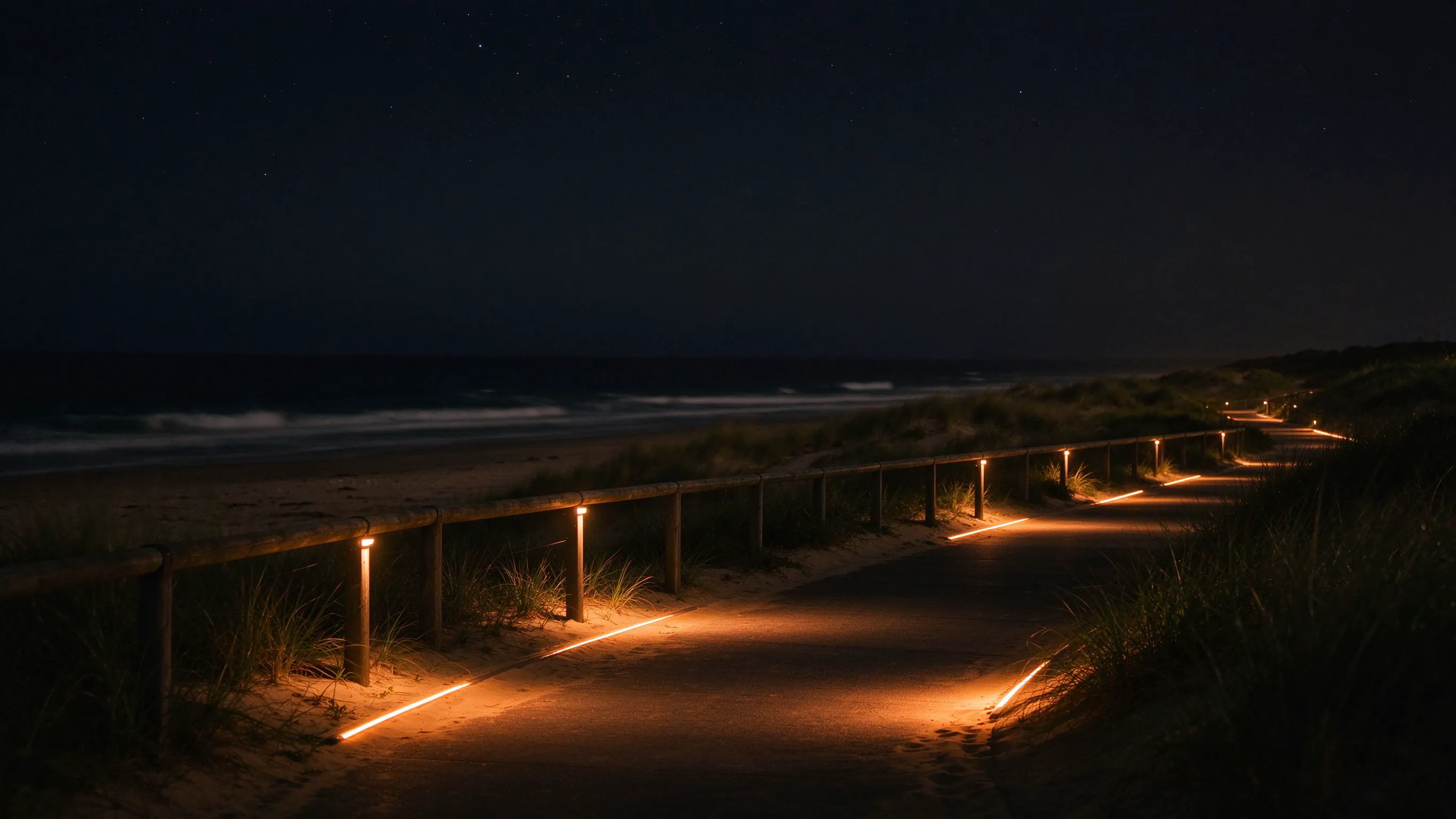
Blue-Rich Light Is the Problem on the Coast
Sea turtle hatchlings navigate to the ocean by the bright reflection of the moon and stars on the water; bright white coastal lights draw them inland instead, where they die. Across nature sites, blue-rich short-wavelength light disrupts nocturnal pollinators, bird migration and the foraging patterns of coastal animals. This is well-established science and increasingly written into local lighting codes.
Wildlife-friendly lighting isn't about turning the lights off - people still need safe paths, decks and boardwalks. It's about changing the spectrum, direction and amount of light: long-wavelength amber/orange that wildlife is far less sensitive to, aimed only where needed, shielded from the sky and water, and dimmed or switched off when not in use.
Amber/Orange Strip for Wildlife-Sensitive Zones
Where lighting overlaps sensitive habitat - beach access paths, dune boardwalks, sea-walls, coastal decks - use dedicated amber/orange light rather than white. Orange 2835 strip emits in the long-wavelength part of the spectrum that turtles, insects and many nocturnal animals are least sensitive to, while still giving people enough light to walk safely.
Run orange 2835 strip low along boardwalk edges and path boundaries at modest brightness. It marks the walking surface and changes in level without the blue content that disrupts wildlife, and it's far less attractive to swarms of insects than white light - an added comfort benefit on humid coasts.

Core principles of wildlife-friendly coastal lighting.
| Principle | Wildlife-friendly practice |
|---|---|
| Spectrum | Amber/long-wavelength (roughly 560nm+), no blue-rich white |
| Direction | Full cutoff; aim at the path, never sky or water |
| Mounting height | Low to the ground along edges and boardwalks |
| Intensity | Lowest level that keeps paths safe; dim when possible |
| Duration | Sensors/timers so light is on only when people are present |
| Shielding | Baffles and anti-glare lenses to contain spill |
Anti-Glare Sealed Neon for Salt and Spray
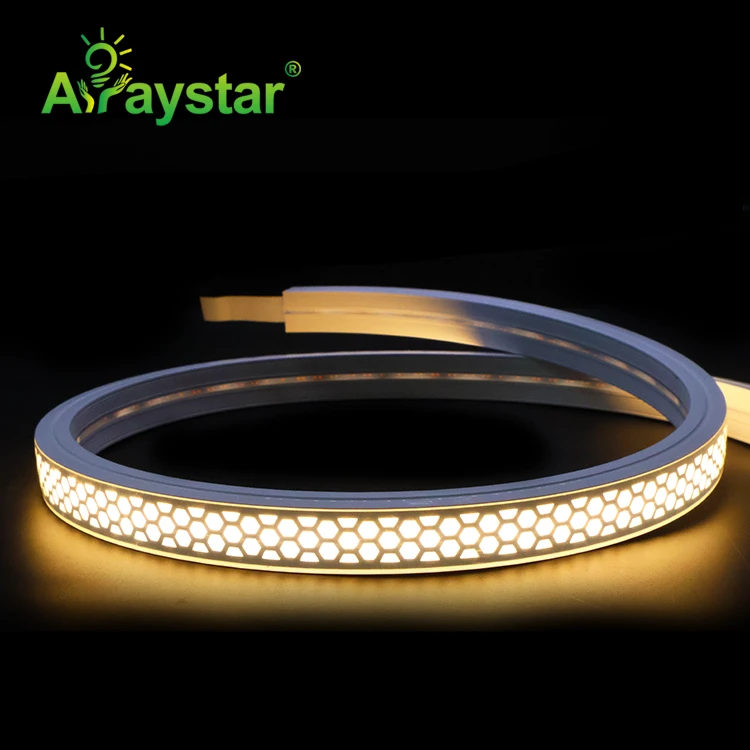
Coastal hardware also has to survive salt spray, wind and moisture, and it has to be shielded so light doesn't spill onto the beach or water. An IP65/IP67 anti-glare neon in a 16x10mm form factor handles both jobs - sealed against the marine environment and optically controlled to direct light downward rather than out across sensitive habitat.
The anti-glare 16x10 neon mounts low on railings, sea-walls and boardwalk stringers with its lensed face angled onto the walking surface, containing the amber glow to the path and preventing upward spill and reflections off wet boards. Its diffused body keeps the light soft rather than a row of bright points.
Small, Sealed Power and Motion Control
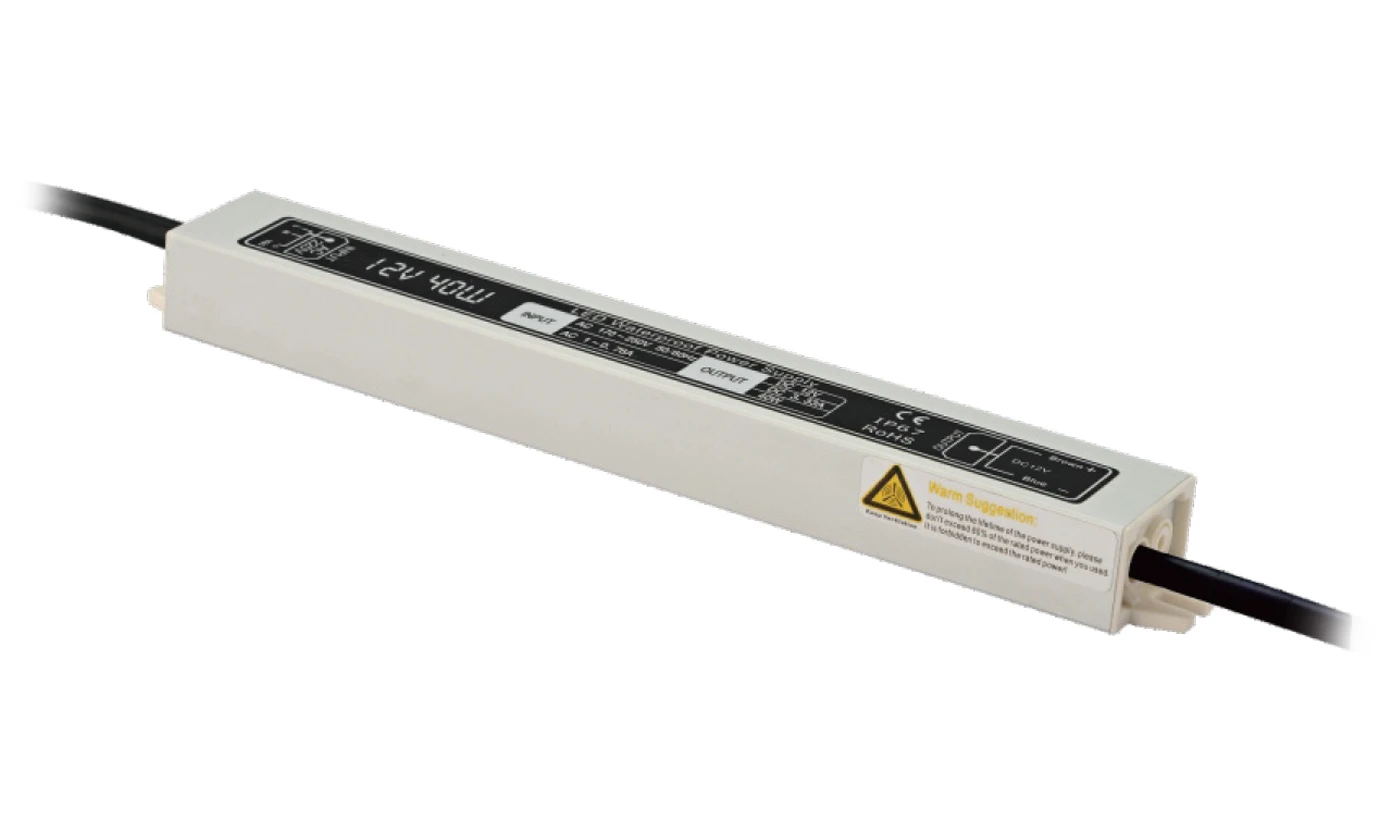
Wildlife lighting should be on only when someone needs it, which makes sensors especially valuable on quiet beaches and trails. A small waterproof power supply feeds the low-wattage amber runs, with motion sensors bringing the path up as someone approaches and switching it back down after they pass.
A 40W waterproof power supply is ample for a typical boardwalk or path section of low-density amber strip, keeping the hardware compact and sealed against the coastal climate. Pair it with PIR/timer control so the beach stays naturally dark most of the night - the single biggest win for wildlife - while remaining safe and welcoming for people.
Codes, Nesting Season and Getting It Certified
- Check local sea-turtle/coastal lighting ordinances - many mandate amber wavelengths and cutoff.
- Observe nesting-season curfews; dim or disable non-essential light during sensitive months.
- Shield all sources from the beach and water; use the minimum necessary brightness.
- Keep interior building light from spilling through windows and doors facing the shore.
- Document the spectrum and cutoff for wildlife-authority approval where required.
Recommended Products
Frequently Asked Questions
What color light is wildlife-friendly on coasts and beaches?
Amber or orange long-wavelength light (roughly 560nm and above), with no blue-rich white content. Sea turtles, nocturnal insects and many coastal animals are far less sensitive to long wavelengths, while amber still gives people enough light to walk safely. Dedicated orange 2835 strip on low boardwalk settings is the practical source.
How does coastal lighting affect sea turtles?
Hatchlings naturally orient toward the moonlit ocean, but bright blue-rich white coastal lights draw them inland where they die, and adult females avoid lit beaches to nest. Amber long-wavelength, fully shielded, low-mounted, sensor-controlled lighting that doesn't spill onto the beach greatly reduces this disorientation.
How do I light a beach boardwalk without harming wildlife?
Use low-wattage amber/orange strip mounted low along boardwalk edges with anti-glare sealed neon that aims light only onto the walking surface (full cutoff, no sky or water spill), at the minimum safe brightness, on motion sensors or timers so it's dark when nobody's present. Follow local turtle/coastal codes and nesting-season curfews.
Is amber LED strip weatherproof enough for salt spray?
Yes when you use sealed IP65/IP67 anti-glare neon (such as the 16x10) rated for exterior marine exposure, fed by a small waterproof power supply in a protected location. The sealed construction handles salt spray and moisture, and the anti-glare lens also keeps the amber light from spilling onto the beach or water.
Should coastal wildlife lights be on all night?
No - the biggest wildlife benefit comes from keeping the shore dark when no one's around. Use PIR motion sensors or timers so paths illuminate only when people approach and dim/switch off afterward, and observe nesting-season curfews that may require non-essential light off during sensitive months.
Need help with your LED project?
Get factory-direct pricing, free samples and engineering support within 24 hours.
Email: info@arraystarled.com | Phone: +86-0755-2103-6746 | WhatsApp: 0086 1581 8514 077
Need to size your power supply? Use our LED Strip Power Calculator to find the right driver in seconds.







