WS2811 2835 Addressable Strips: Low-Power Pixels for Long Runs
- 2026-10-09 18:40
- /
- Arraystar LED
Not every pixel project needs dense, power-hungry 5050 chips. For long architectural outlines, building edges and large ambient runs, a WS2811-controlled 2835 strip uses low-power pixels with an external IC to deliver addressable colour over great distances at lower cost and current, with the grouped control that suits washes, chases and colour changes far better than expensive fine-pitch product.
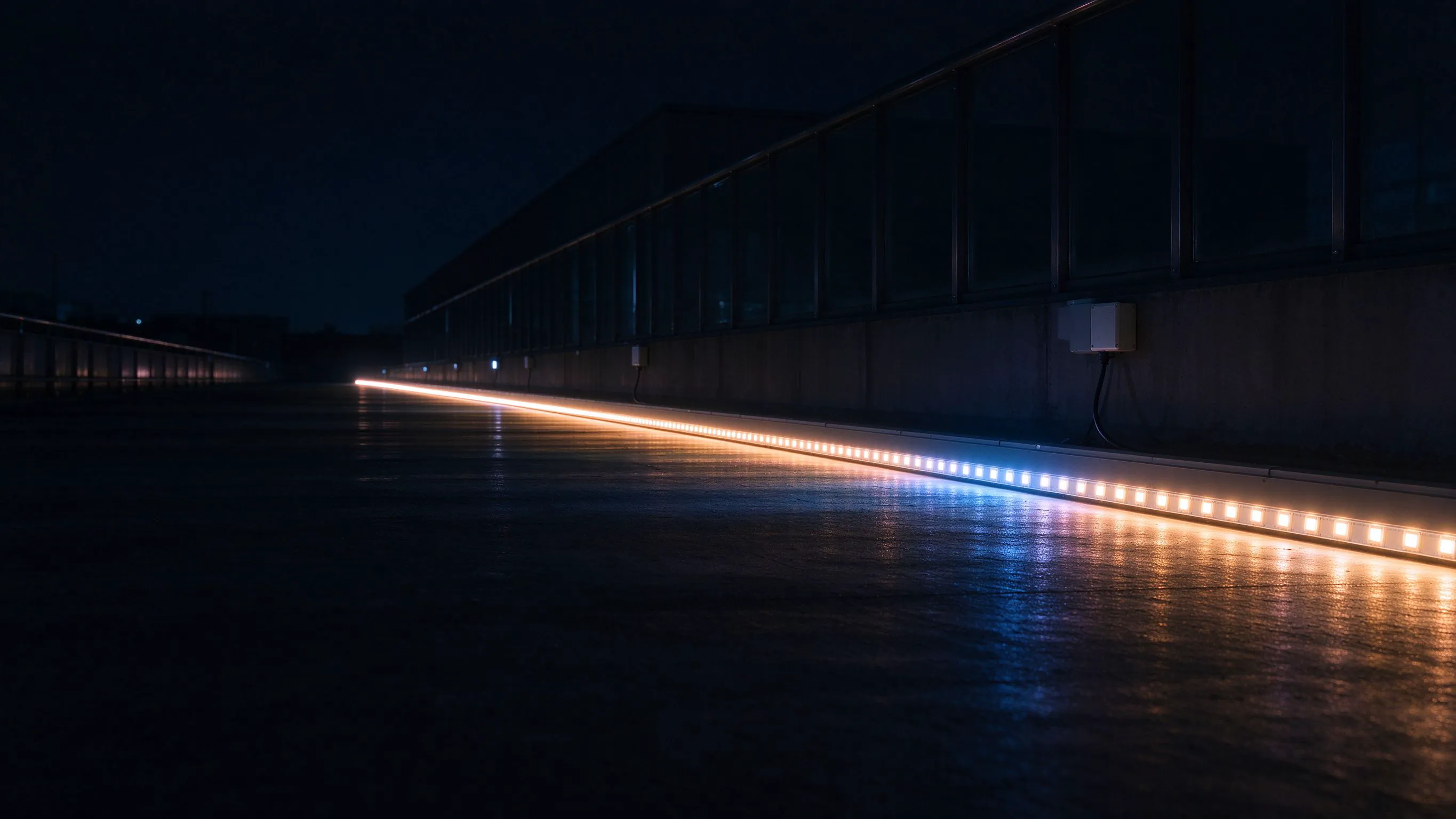
When Dense 5050 Pixels Are Overkill
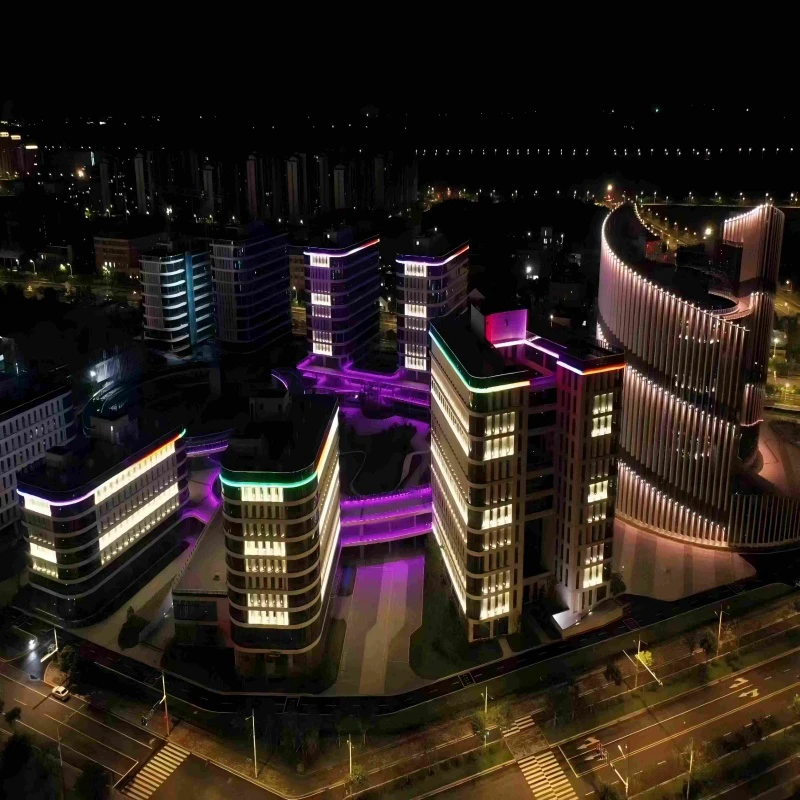
A lot of addressable lighting is not video screens or close text; it is long building outlines, roof edges, bridges, landscape contours and large ambient coves that change colour or run slow chases viewed from metres away. For these, a dense high-power 5050 pixel strip wastes energy and budget, and its current draw makes very long runs difficult to power.
What these projects actually need is addressable control at modest resolution, low current per metre and a price that lets hundreds of metres be deployed.
What a WS2811 2835 Strip Offers
- Low-power 2835 LEDs controlled by external WS2811 ICs.
- Lower current per metre for long, easily powered runs.
- High LED count (120 class) with grouped pixel control.
- Cost-effective over hundreds of metres.
- Proven, widely supported WS2811 protocol.
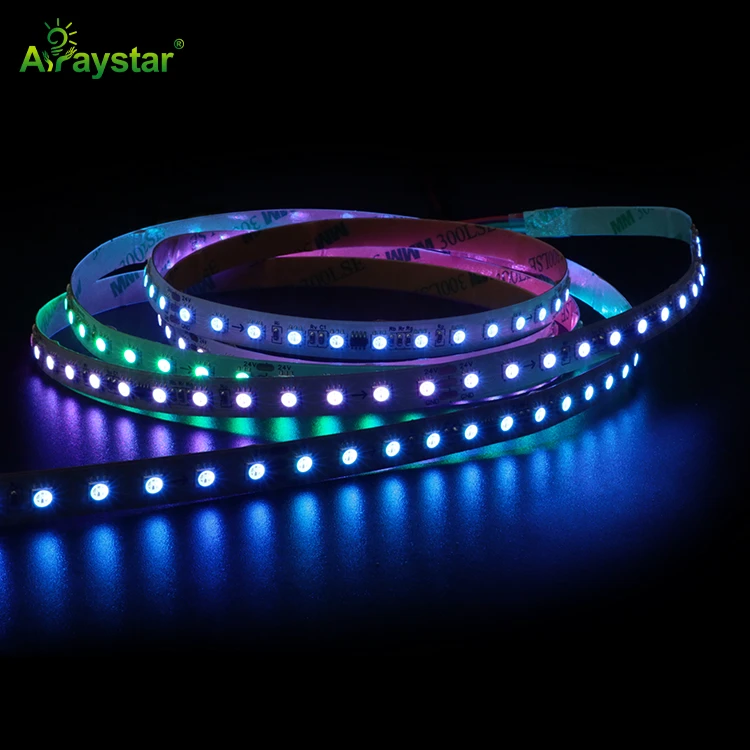
For long architectural pixel runs I use the WS2811 2835 strip. It matches the resolution to the viewing distance and keeps power and cost realistic at scale.
WS2811 2835 vs Dense 5050 Pixel Strip
Use the low-power grouped strip for scale, not detail.
| Factor | Dense 5050 pixels | WS2811 2835 |
|---|---|---|
| LED / power | High-power 5050 | Low-power 2835 |
| Current per metre | High | Low |
| Resolution | Fine | Grouped, modest |
| Long-run practicality | Power-intensive | Very good |
| Best for | Close screens, text | Distant outlines, washes, chases |
Understanding Grouped (External IC) Control
On a WS2811 2835 strip, one external IC typically controls a group of several LEDs rather than each LED individually, so the controllable pixel is the group, not every diode. This grouped control is invisible in slow colour changes and chases viewed from distance, and it is the reason the strip can pack many LEDs for smooth light while keeping the pixel count and data load low. It is the opposite trade-off from high-density strip: deliberately coarse control in exchange for long, cheap, low-power runs.
- Confirm how many LEDs each WS2811 IC controls (the segment size).
- Segment size sets the true resolution and minimum effect detail.
- Grouping is invisible for washes and chases at distance.
- Not suited to close text or per-LED graphics.
Where Long Low-Power Pixels Win
- Building rooflines, facades and perimeter outlines.
- Bridges, landscape contours and large exterior runs.
- Long coves and corridors running colour washes and chases.
- Festive and civic lighting deployed over hundreds of metres.
- Budget-sensitive projects needing addressable colour at scale.
Powering and Controlling Hundreds of Metres
The lower current per metre is the main enabler at scale, but long exterior runs still need disciplined power injection and weatherproofing. I divide large outlines into powered zones, use appropriate IP-rated product and sealed connections outdoors, and drive the WS2811 data through controllers or receivers sized for the total grouped pixel count, which is usefully small because of grouping. This lets one control system address very long runs that would be impractical with dense high-power strip.
Matching Effect Speed to Segment Size
Because control is grouped, very fast fine-grained effects can reveal the segment structure as stepping, while slow broad effects look perfectly smooth. I program long architectural runs with effect speeds and patterns matched to the segment size, favouring gradual cross-fades, slow chases and block colour changes over rapid per-pixel animation. Setting expectations on effect style at the design stage prevents disappointment after installation.
Specifying a Long Architectural Pixel Run
Send the total run length, viewing distance, weather exposure, desired effects (colour change, chase, wash) and control preference. I will confirm the WS2811 2835 segment size, whether its grouped resolution suits the content, IP rating for outdoor sections, power zoning and controller capacity. We supply the WS2811 2835 strip and recommend a trial of the intended effect on a representative run at the real viewing distance before scaling to hundreds of metres.
Powering a 400-Metre Riverside Outline
A municipal riverside walkway called for a continuous addressable colour outline along a 400-metre balustrade that would run slow seasonal colour washes and occasional chase effects for festivals, viewed from across the water as well as by pedestrians. An early proposal using high-power 5050 pixel strip produced an enormous power budget, required injection points every few metres along a structure with no convenient electrical supply, and priced the project beyond the civic budget.
Switching to the WS2811 2835 low-power grouped strip reshaped the entire scheme. The lower current per metre reduced both the driver count and the cable and distribution infrastructure, which on a 400-metre exterior run was the largest cost after the strip itself, while the grouped resolution was completely invisible at the viewing distances involved; nobody across a river resolves individual pixels in a slow colour wash. We divided the balustrade into powered and data zones, used weatherproof product with sealed connections throughout, and placed the control and power equipment in a handful of accessible service cabinets rather than distributing hundreds of small drivers. The effects were deliberately programmed to match the grouped control: slow cross-fades between seasonal colours and broad, gentle chases rather than fast per-pixel animation, which both looked appropriate for a calm waterfront and hid the segment structure entirely. The scheme came in well under the high-power proposal's electrical budget and has run reliably through weather and festivals. It is the benchmark I use to explain that the correct pixel product for a project is defined by viewing distance and effect style, not by which strip has the most or brightest LEDs; for a distant, long, slow exterior outline, a modest low-power grouped strip is not a compromise but the correct engineering choice.
Recommended Products
Frequently Asked Questions
What is a WS2811 2835 addressable strip?
It is a strip of low-power 2835 LEDs controlled by external WS2811 integrated circuits, where each IC addresses a group of several LEDs rather than every diode. It gives addressable colour at modest grouped resolution with low current per metre and low cost, making long architectural outlines and ambient runs practical.
Why use WS2811 2835 instead of dense 5050 pixel strip?
For long, distant features such as building outlines and ambient washes, dense 5050 pixels waste power and money and are hard to power over distance. The low-power 2835 grouped strip draws less current, costs less per metre and handles hundreds of metres easily, while its coarser resolution is invisible in slow colour changes viewed from far away.
What does grouped or external-IC control mean?
One WS2811 chip controls a segment of several LEDs, so the controllable pixel is that group rather than each individual LED. Check the segment size because it sets the true resolution; grouping is fine for washes and chases at distance but cannot render close text or per-LED graphics.
Can WS2811 2835 strip be used outdoors over very long runs?
Yes, that is one of its strengths, but use an appropriately IP-rated version with sealed connections, divide the outline into powered zones with regular injection, and drive the data through controllers or receivers sized for the total grouped pixel count. The low current per metre makes long exterior runs far more practical than dense high-power strip.
What effects suit grouped low-power pixel strip?
Slow colour washes, block colour changes and broad chases viewed from distance look perfectly smooth because the grouping is too fine to notice. Very fast, fine-grained per-pixel effects can reveal the segment structure as stepping, so match effect speed to the segment size and agree on the effect style at the design stage.
Need help with your LED project?
Get factory-direct pricing, free samples and engineering support within 24 hours.
Email: info@arraystarled.com | Phone: +86-0755-2103-6746 | WhatsApp: 0086 1581 8514 077
Need to size your power supply? Use our LED Strip Power Calculator to find the right driver in seconds.