COB Strip in a Wine Cellar: UV, Heat and Humidity Limits
- 2026-10-28 10:03
- /
- Arraystar LED
Wine wants 12 to 14 C, 70% humidity and zero UV. A COB strip in a cellar has to deliver that: low heat, no UV, and an IP rating that survives damp. Get the driver out of the room and keep wattage per metre low.
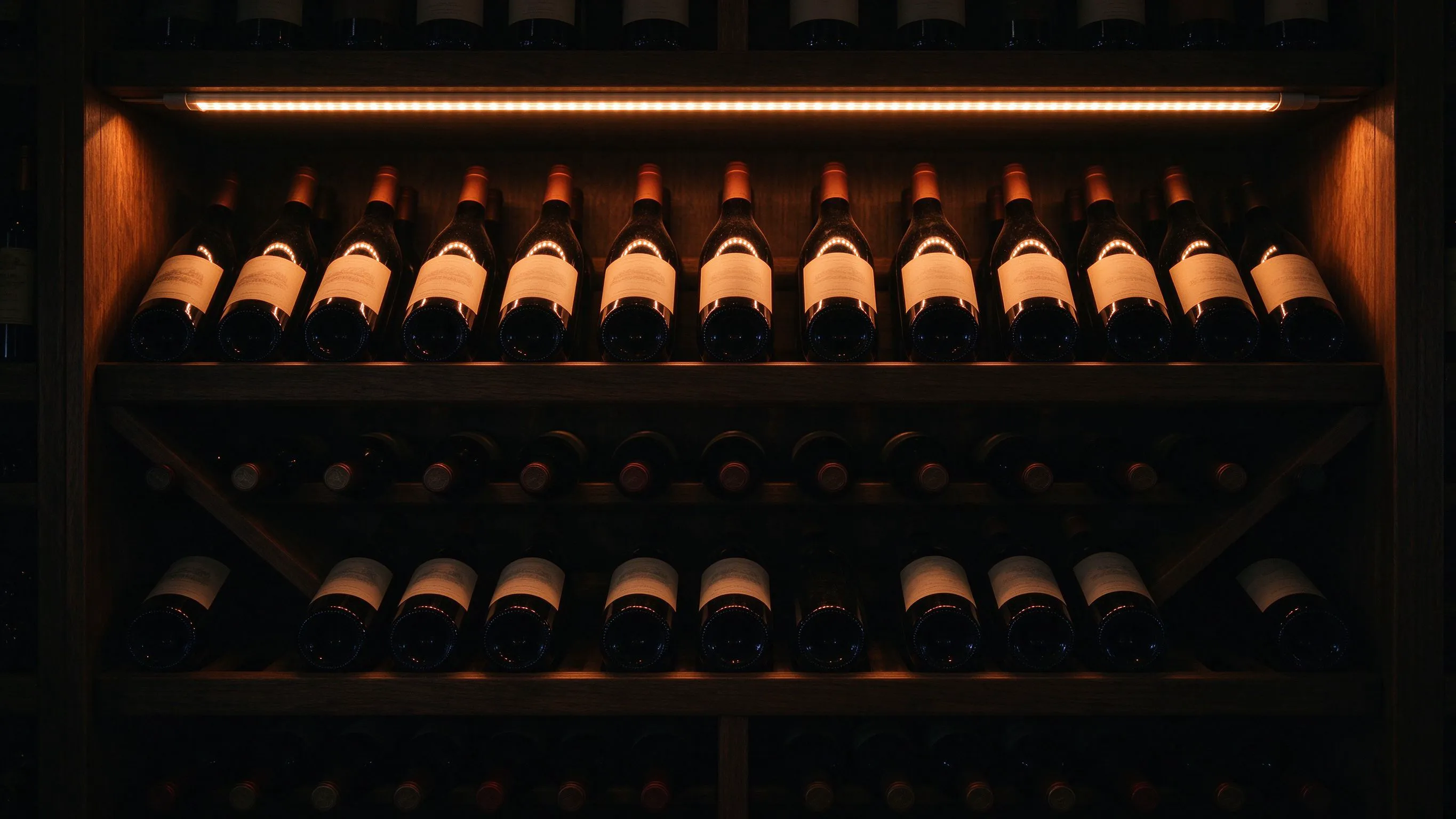
What a wine cellar actually demands
Wine ages best at a steady 12 to 14 C and around 70% humidity. Temperature swings above 2 C damage corks and age the wine prematurely. UV light is worse: it breaks down tannins and gives wine a light-struck, wet-cardboard taste. That means any light in the cellar has to be cool-running, UV-free, and switched off unless someone is actually in the room.
COB LEDs fit this job better than halogen or incandescent. They emit almost no UV, they run at low wattage, and a 24 V strip can be run from a driver mounted outside the cellar. The trap is thinking that any LED strip is fine; cheap strips on thin PCB run warm and cheap drivers hum. Spec it carefully.

Heat and wattage limits
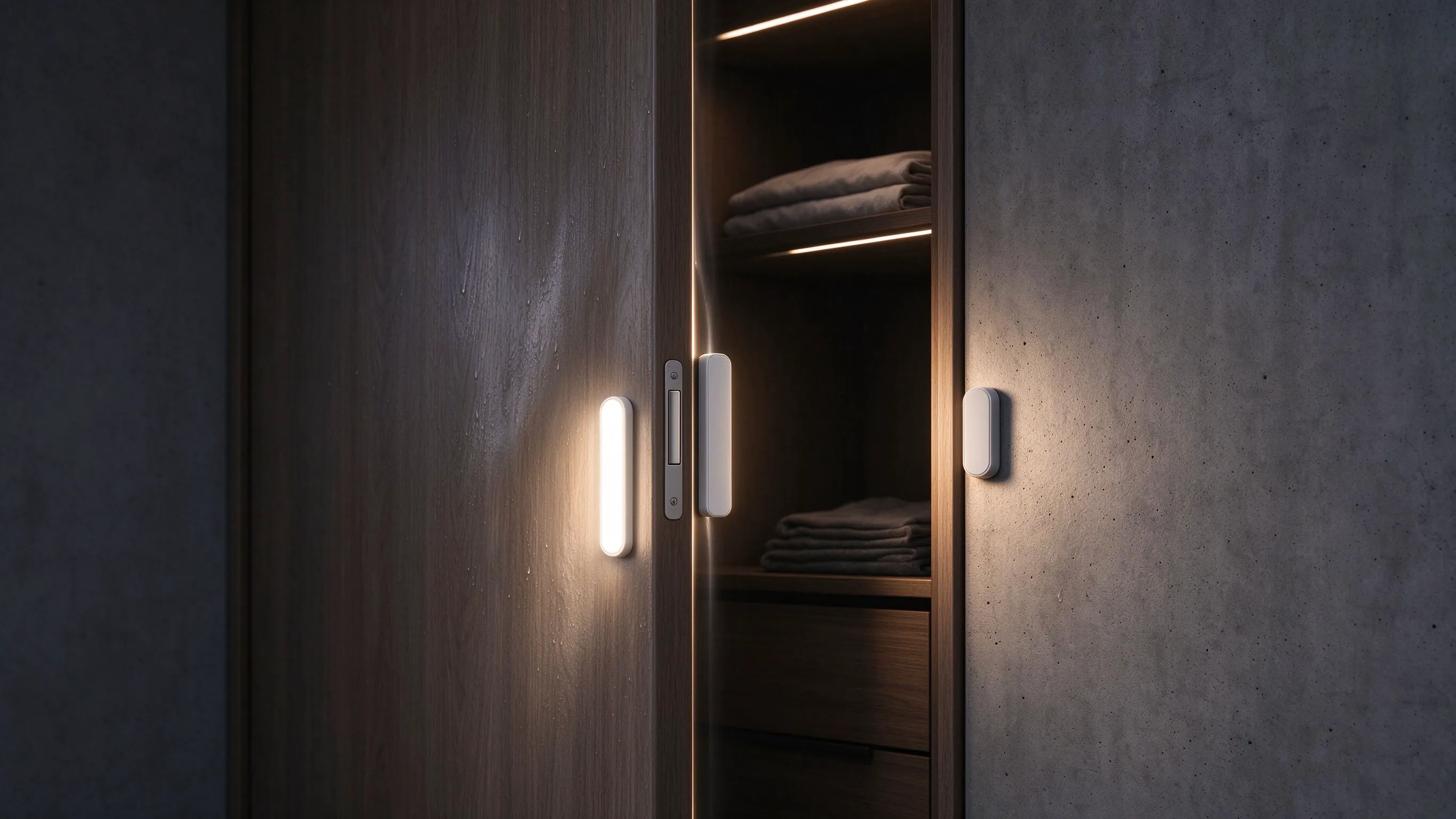
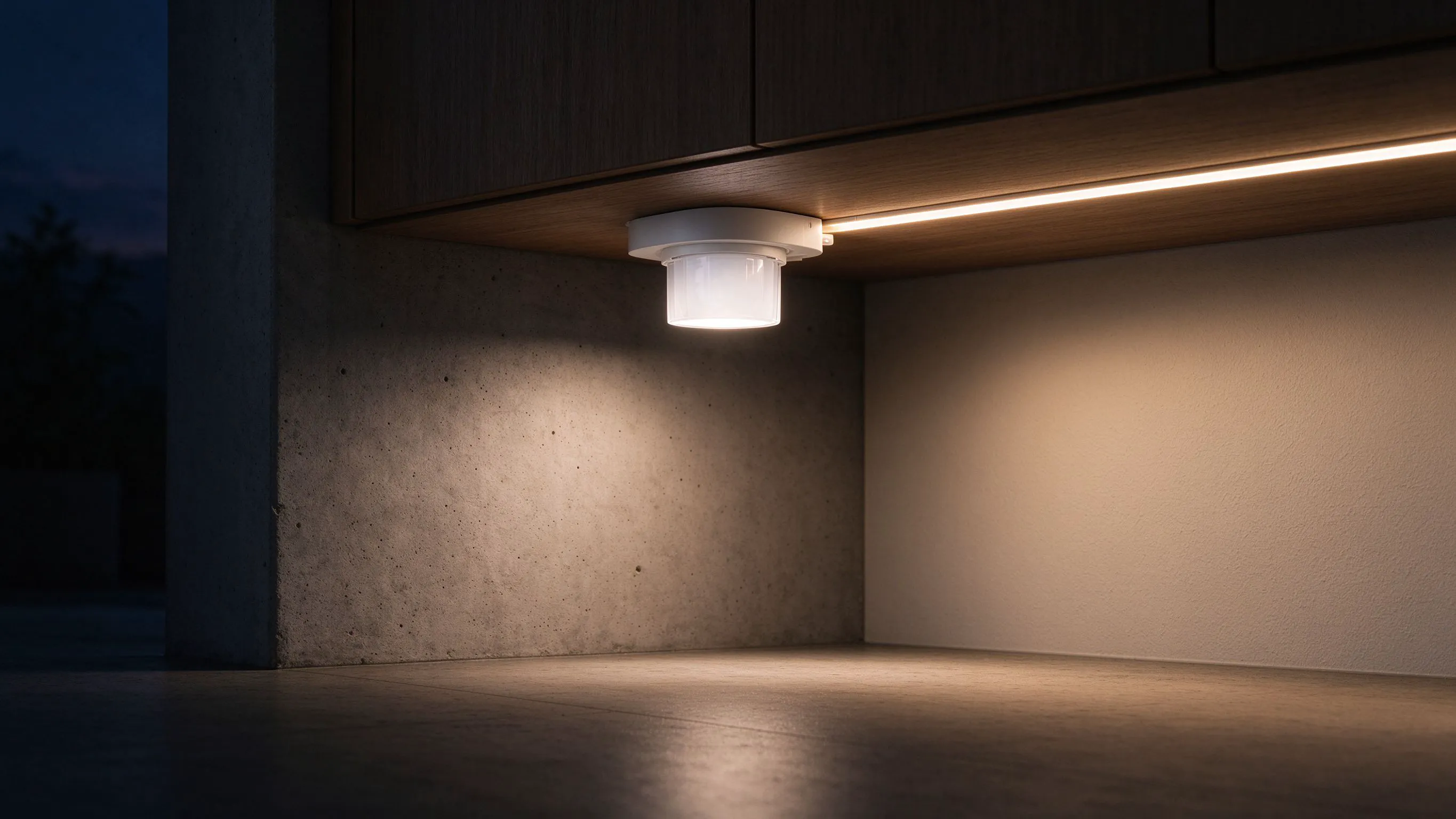
A sealed cellar is a small thermal box. A strip running at 15 W/m for an hour raises local air temperature near the rack by 2 to 3 C, enough to matter in a room held at 13 C. Keep the strip at 5 to 8 W/m and run it only on a motion sensor or timer. A motion sensor that switches the light off after two minutes idle is the right control, not a dimmer left on all night.
The driver is the bigger heat source. A 60 W driver running warm adds more heat to the cellar than a 5 m strip at 6 W/m. Mount the driver outside the cellar, in the garage or the utility room, and run 24 V feed cable into the room. Keep the feed under 5 m or use 16 AWG to avoid voltage sag.
Target numbers for a residential cellar.
| Parameter | Safe range | Why |
|---|---|---|
| Strip wattage | 5 to 8 W/m | Keeps local heat down |
| Cellar air temp | 12 to 14 C | Wine ageing target |
| Humidity | 65 to 75% | Keeps corks moist |
| Run time | Motion sensor, 2 min off | Limits heat and light exposure |
| UV | under 0.1% at 365 to 400 nm | Avoids light-struck flavour |
IP rating and humidity
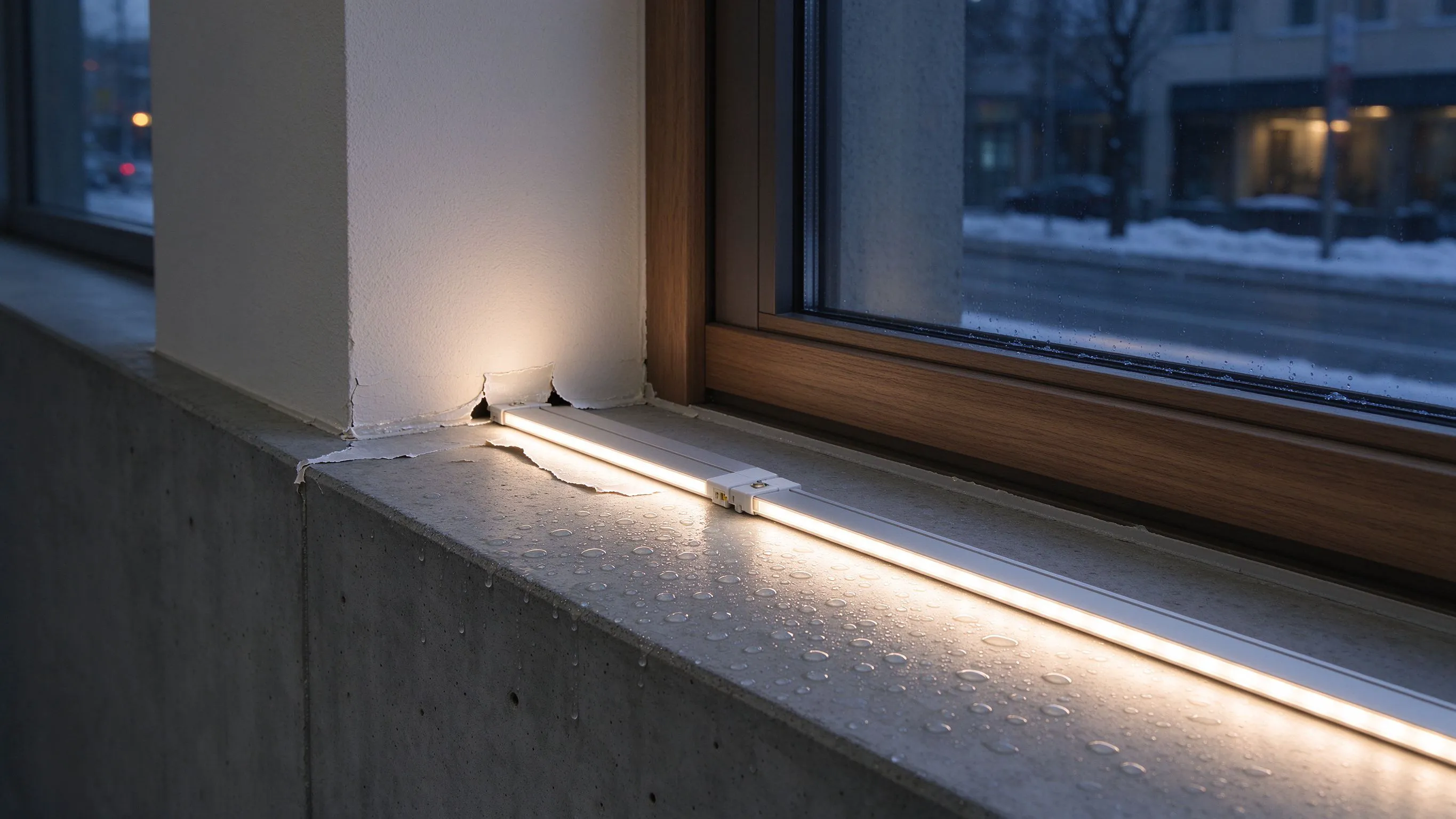
Cellar humidity sits at 70%, and cold walls sweat when the door opens. A strip that is IP20 will corrode at the solder joints within a year. Use an IP65 or IP67 silicone-extruded strip. The silicone sleeve also keeps the humidity off the PCB. Do not use IP65 self-adhesive strip on a raw timber rack; the wood breathes and the adhesive lets go. Screw the strip into an aluminium channel or clip it to the rack with plastic holders.
Keep all connectors inside the cellar in a small junction box with gel-filled wire connectors. Twist-and-tape connectors corrode fast at 70% humidity. The driver side can be dry, but every joint on the cellar side must be sealed.

Colour and beam direction
Wine rack lighting is not about illuminating bottles. It is about showing the label. Aim the strip down at the top shoulder of each bottle so the label face catches the light. A strip run along the front of each shelf, aimed 20 degrees down, lights the label without pointing at the viewer eyes. Keep the beam narrow or use a diffused channel so the light does not bounce off the glass bottles.
Colour temperature: 2700 K warm white, CRI 90+, is the standard. It makes reds look deep and labels legible. Avoid cool white above 3500 K; it makes wine look clinical. RGB is fine for party ambience on a separate circuit, but do not run RGB on the bottles themselves; it distorts label colours and the wine appearance.
- Aim each shelf strip at the bottle shoulders, not straight ahead.
- Use a diffuser channel so the strip reads as a soft line, not a bright row.
- Run the main white strip on a motion sensor; reserve RGB for a separate showcase switch.
- Keep total wattage per rack run under 8 W/m so local heat stays under control.

Install and sign-off checks
After install, leave the cellar door closed and run the strip for two hours on a timer loop. Measure the air temperature at bottle-neck height with a calibrated digital thermometer. It should not rise more than 1 C over the cellar baseline. If it rises 2 C or more, you are running too much wattage or the driver is inside the room.
Check humidity with a hygrometer. If the strip warms the rack enough to drop humidity below 60%, add a small ultrasonic humidifier or move the strip further from the bottles. Open the door after the test and look for condensation beads on the strip silicone sleeve. Beads mean the seal held; beads inside the sleeve mean it did not, and the strip has to come out.
Final check: stand in the dark cellar, switch the light on, and read a back label at the far end of the rack. If you can read it without leaning in, the strip is bright enough. If you are dazzled, add a diffuser or drop to the lower-wattage strip. Wine cellars are about browsing, not surgery.
Recommended Products
Frequently Asked Questions
Can LED strip light damage wine?
Quality COB LEDs emit negligible UV and run cool, so at low wattage and short run time they do not damage wine. Cheap strips on thin PCB can leak UV; use a known low-UV part and keep run time on a motion sensor.
Where should I mount the cellar driver?
Outside the cellar. The driver itself emits more heat than the strip. Run 24 V feed cable into the room from a driver in the garage or utility. Keep the feed under 5 m, or use 16 AWG.
What IP rating does a wine cellar need?
IP65 or IP67, because cellar humidity sits around 70% and cold walls sweat. A silicone-extruded strip is the safe choice. IP20 will corrode at the solder joints within a year.
What colour temperature shows wine best?
2700 K warm white at CRI 90+. It renders reds deeply and makes labels legible. Avoid 4000 K and above; it looks clinical and distorts wine colour.
How long can the cellar light stay on?
On a motion sensor with a 2-minute timeout. Wine ages in the dark; the light is for humans browsing. A strip left on 24/7 adds heat and light exposure the wine does not need.
Need help with your LED project?
Get factory-direct pricing, free samples and engineering support within 24 hours.
Email: info@arraystarled.com | Phone: +86-0755-2103-6746 | WhatsApp: 0086 1581 8514 077
Need to size your power supply? Use our LED Strip Power Calculator to find the right driver in seconds.