
How Tight Can You Bend LED Strip? Minimum Radius, Flat vs Twist Bends and the Cracks I See
- 2026-10-08 17:37
- /
- Arraystar LED
LED strip is flexible in the directions it is engineered for and surprisingly fragile everywhere else. The solder joints and copper traces on a PCB are brittle, and bending too tight, bending across the wrong axis, or folding a flat strip in a twist cracks joints, lifts components and kills sections - often weeks later as the crack works open with thermal movement. The fix starts with choosing the right product for the shape: top-bend or side-bend neon matched to the curve's axis, flexible zigzag strip for channel letters and tight corners, and rigid bar for true straight runs. Respect the minimum radius, never bend at a component, and relieve the bend into a profile, and the install survives thermal cycling instead of failing in service.
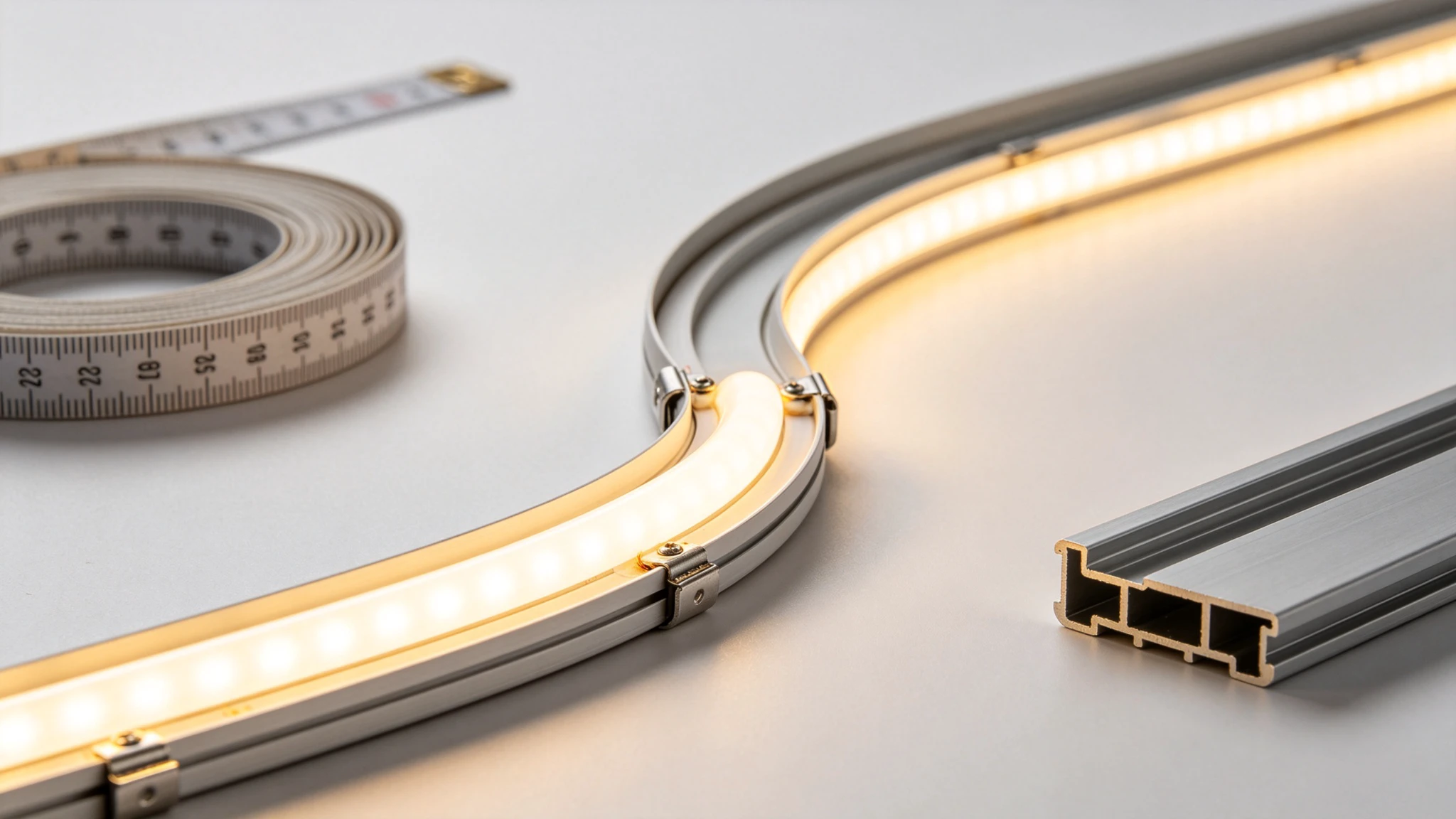
What Actually Breaks When You Bend Strip
The glowing silicone is flexible; the circuit board inside is not. Standard strip is a thin FR-4 or flexible PCB carrying LED packages, resistors and solder joints. Copper work-hardens and cracks when folded sharply, solder is brittle and fractures under repeated flexing, and the LED and resistor packages themselves can de-laminate from the board. A bend that looks fine on installation day can open a microscopic crack that completes its failure after weeks of heating and cooling.
- Bending directly on an LED package or resistor concentrates stress on the solder joint - always bend in the gap between components.
- A sharp 90-degree crease in flat SMD/COB tape is the single most common damage I see on site.
- Twisting (helical) stress is worse than a clean curve because it loads the joints unevenly.
- Repeated flexing fatigues copper even when each bend looks gentle; static installs should be bent once and held.
Minimum Bend Radius and the Two Axes of Neon
For ordinary flat SMD and COB tape, treat anything tighter than about 20-25mm (roughly a coin across) as risky on the flat, and avoid folding it edgewise at all - the thin board is not meant to bend that way. Neon flex is different: it is purpose-built to curve, but it is manufactured in specific bend orientations because the internal LED board sits in a particular plane inside the silicone.
Match the bend axis to the curve - this is where most neon failures start.
| Product | Bends in which plane | Typical minimum | Use |
|---|---|---|---|
| Flat SMD/COB tape | Gentle flat curves only | ~20-25mm radius, no edge fold | Straight and shallow curves in profiles |
| Top-bend neon | Curves across the wide face | Small radius, sign/ceiling curves | Letters, arches, wide-face bends |
| Side-bend neon | Curves in the thin direction | Small radius, edge-plane turns | 90-degree outline corners, thin-plane curves |
| Zigzag / foldable strip | Folds at designed links | Sharp 90-degree folds | Channel letters, box edges, tight corners |
| Rigid bar | Does not bend at all | Straight only | Hard straight lines, no curves |
The rule I repeat to installers is simple: a neon profile that bends beautifully across its wide face will split if you force it sideways, and vice versa. Ordering the wrong bend orientation and forcing it on site is far more common than anyone admits, and the split usually appears at the first tight corner.
Top-Bend Neon for Wide-Face Curves
Top-bend (sometimes called front-bend) free-cut neon flexes across its broad face, which is the orientation you want when the neon follows a curve in the same plane the viewer sees - a rounded sign letter, an arch, a wave across a ceiling, a circular halo. The internal board is segmented to allow exactly this motion and the silicone hinges at the segment gaps.
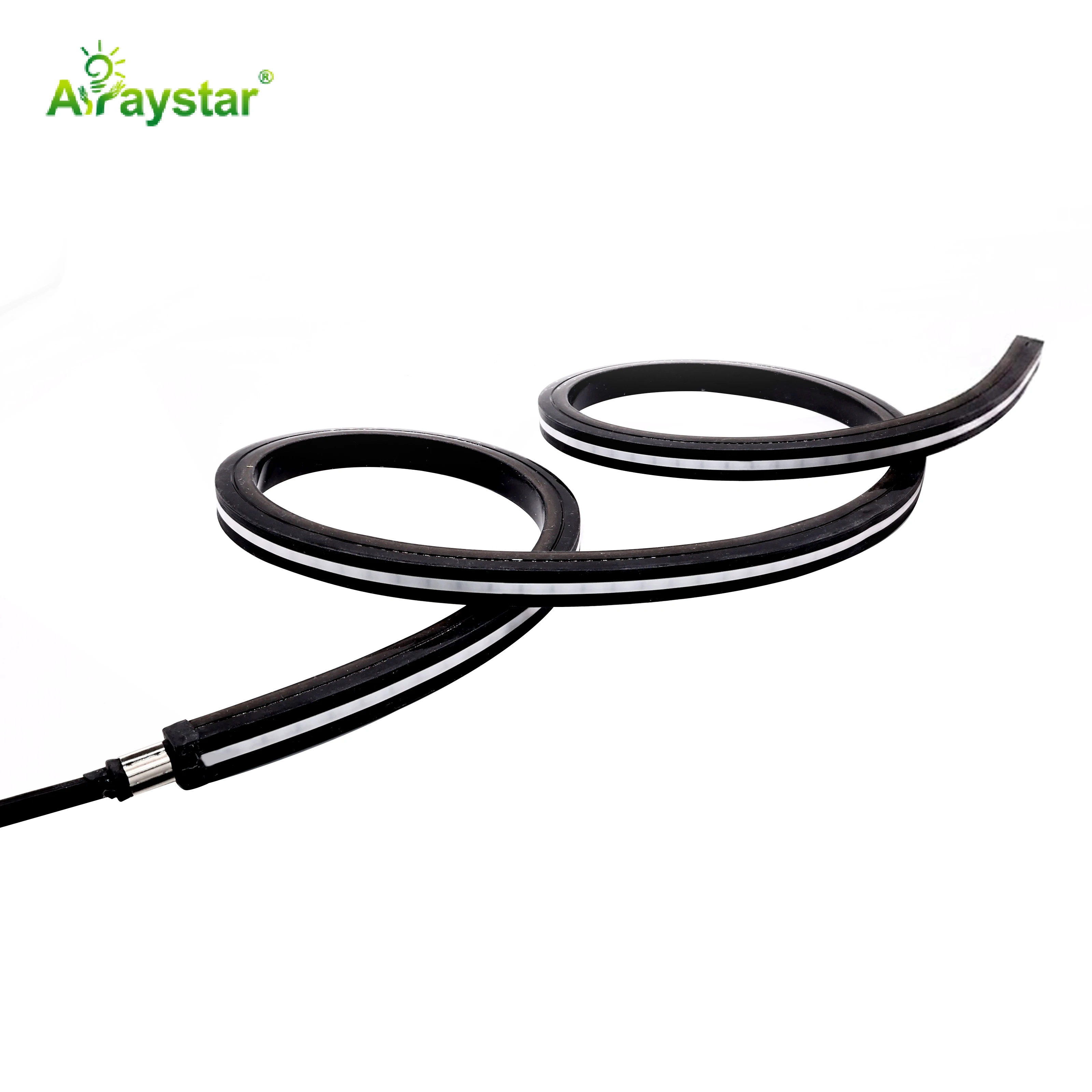
When you form top-bend neon, make smooth, supported curves and hold them in channel or clips rather than letting a single point take a tight kink. Even purpose-built neon has a minimum radius - forcing a fingertip-tight loop will still pinch the internal board. Form the curve gradually, ideally around a template, and let the mounting channel carry the shape.
Side-Bend Neon for Edge-Plane Corners
Side-bend neon turns in the thin direction - think of the neon going around the outside corner of a wall or following a rectangular outline where the bend axis is horizontal while the strip faces outward. A 0612 RGBW side-bend profile, for example, is segmented to fold this way and is the correct product for crisp outline corners that top-bend neon cannot make without twisting.
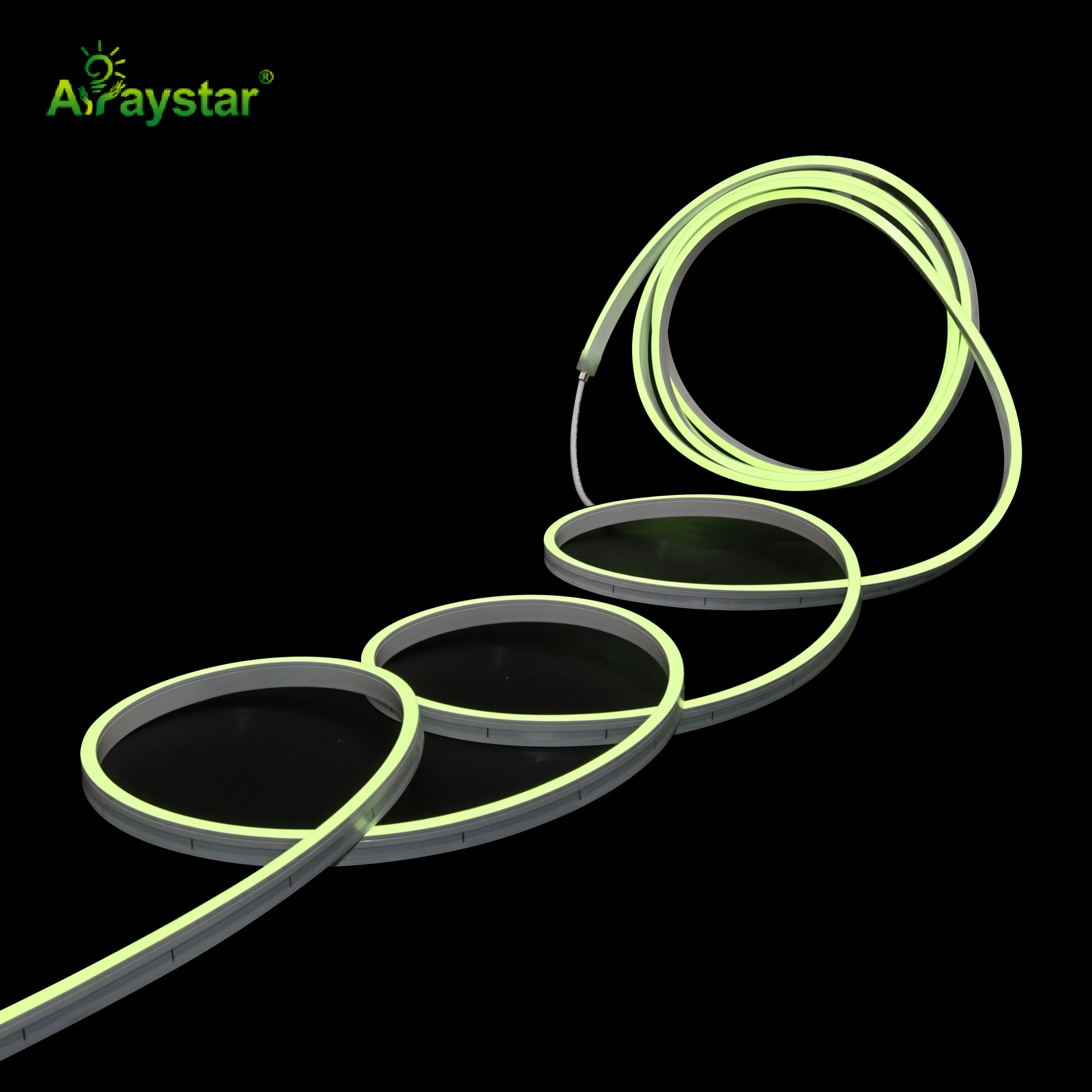
If you find yourself twisting a neon run to get around a corner that cuts across both planes, stop - that usually means the run needs a mitred joint, a corner connector, or a switch from top-bend to side-bend product. A twisted joint concentrates stress and is almost impossible to seat cleanly into a channel.
Zigzag and Foldable Strip for Tight Corners and Letters
For genuinely sharp 90-degree folds - channel letters, light-box edges, furniture trims, anywhere a smooth curve is impossible - use strip designed to fold. Zigzag (also called accordion or foldable) strip has narrow PCB links in a repeating Z pattern that let the tape turn 90 degrees, even back on itself, at the engineered links without stressing the LED packages.
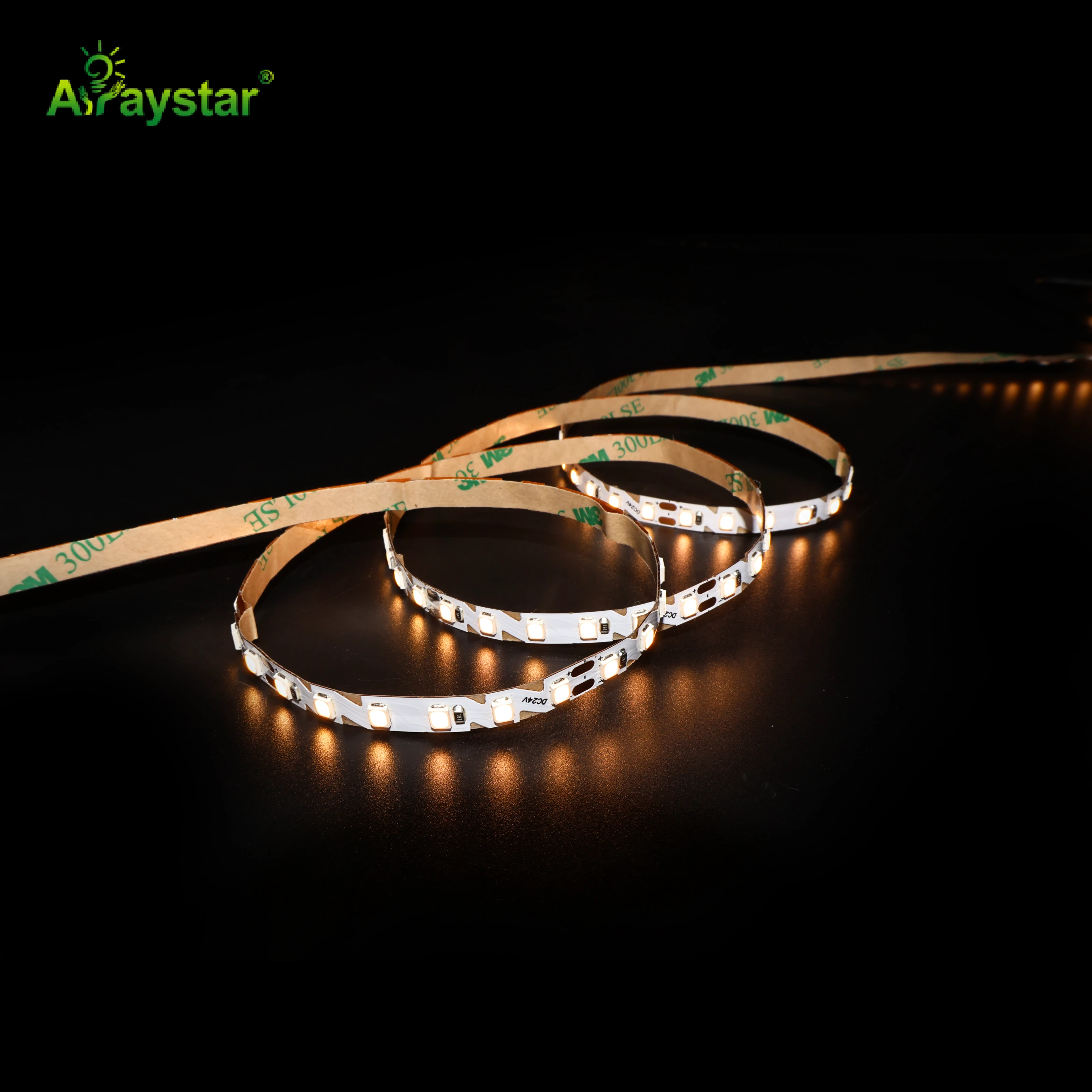
- Fold only at the designed narrow links, never through an LED or resistor.
- Pre-form corners with a small square template so every fold is 90 degrees and consistent.
- Secure the fold with a corner clip or a dot of silicone so it cannot spring back and fatigue.
- For repeated dynamic flexing (moving displays), specify product rated for bend cycles rather than static strip.
Installation Habits That Keep Bends Alive
The profile is part of the bending solution, not just decoration. Seating bent strip or neon into the correct aluminium channel or silicone mounting rail distributes the curve, holds the radius and stops thermal movement from working a joint open. Free-hanging bends move with every temperature cycle and fail first.
- Plan bend points before cutting and choose top-bend, side-bend or zigzag product to suit.
- Bend once, smoothly, around a template - do not repeatedly flex a static install into place.
- Never crease flat tape at 90 degrees; use a corner connector, a foldable strip or a mitred profile.
- Secure curves in channel or clips and leave no single point carrying a tight unsupported kink.
- On corners in signage, prefer purpose-made neon corner connectors over forced twists.
Choose the product that bends the way the design already wants to move and the installation becomes easy - that is usually the difference between a neon sign that lasts a decade and one that starts dropping sections after one winter.
Recommended Products
Frequently Asked Questions
What is the minimum bend radius for LED strip?
Ordinary flat SMD and COB tape should not be bent tighter than roughly 20-25mm radius on the flat and should never be folded edgewise or creased to 90 degrees. Purpose-built neon flex bends much tighter because its internal board is segmented, but only in its designed axis (top-bend or side-bend) and down to the profile's stated minimum. Zigzag strip folds at engineered links for sharp corners. When in doubt, bend more gently than the datasheet minimum.
What is the difference between top-bend and side-bend LED neon?
Top-bend (front-bend) neon curves across its wide face, for rounded letters, arches and waves in the plane you see. Side-bend neon turns in its thin direction, for outline corners and edges where the bend axis runs horizontally while the strip faces out. Forcing either type to bend in the wrong axis twists and splits the housing. Check the corner geometry and order the matching orientation, or use a corner connector.
Can you bend LED strip 90 degrees?
Not ordinary flat tape - a sharp 90-degree crease cracks solder joints and copper and fails over time. For a right angle use one of three correct methods: foldable zigzag strip bent at its engineered links, a solder-free corner connector joining two straight sections, or neon with a purpose-made corner piece. Always make the corner in a gap or at a designed link, never directly on an LED or resistor.
Why did my LED strip stop working after I bent it around a corner?
A bend that is too tight, in the wrong axis, or made directly on a component cracks a solder joint or copper trace. The damage can be microscopic and only complete after thermal cycling, which is why a section sometimes dies days or weeks later. Cut the damaged length out, remake the corner with the correct top-bend/side-bend neon, zigzag strip or a corner connector, and seat it in profile so the bend is supported and held once.
Can LED strip be bent repeatedly for moving or flexible displays?
Standard strip is rated for static installation - a single bend held in place - not for repeated flexing, which fatigues the copper and fails quickly. For moving, wearable or dynamically flexing displays you need product specifically rated for bend cycles, usually with extra-flexible PCB construction and reinforced solder points. Check the datasheet's flex-cycle rating; if it is not stated, assume the strip is static-only and design the motion out.
Need help with your LED project?
Get factory-direct pricing, free samples and engineering support within 24 hours.
Email: info@arraystarled.com | Phone: +86-0755-2103-6746 | WhatsApp: 0086 1581 8514 077
Need to size your power supply? Use our LED Strip Power Calculator to find the right driver in seconds.







