Mains-Voltage LED Strip Outdoors: Permit, Isolation and Cable Rules
- 2026-10-28 10:04
- /
- Arraystar LED
230 V mains LED strip looks like a plug-and-play product, and that is exactly what gets installers into trouble outdoors. It is not a low-voltage toy; it is a mains circuit, and isolation, cable rating and weatherproofing have to meet the same rules as any exterior wiring.
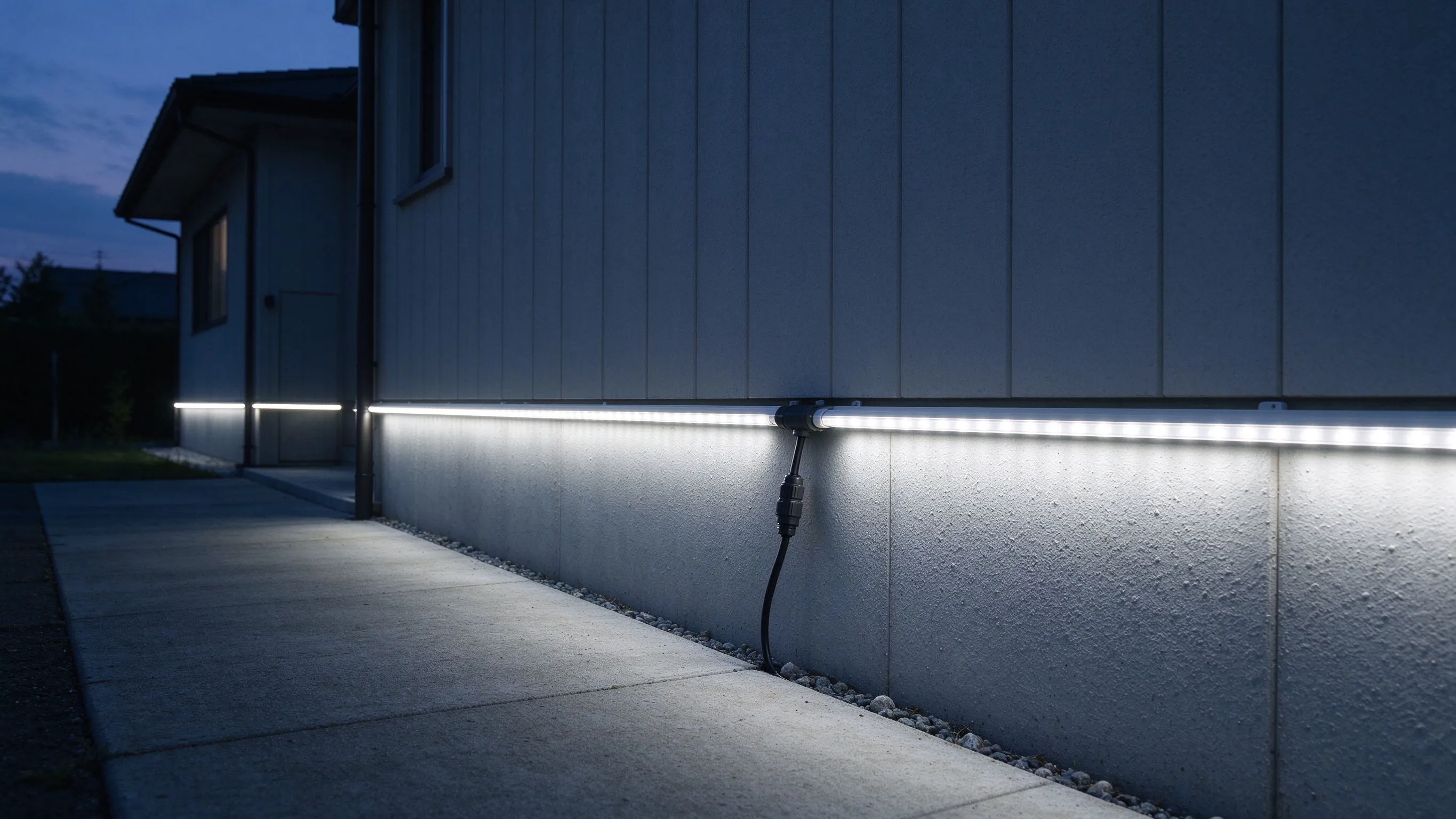
Why mains strip is not a simple product
A 230 V or 220 V LED strip runs straight off the mains through an inline driver, often supplied as a five-metre roll with a plug on the end. Indoors that is convenient. Outdoors it becomes a fixed electrical installation: the driver, the cable joints and the cable rating all come under the wiring rules of whatever country you are in, not the strip datasheet.
I was called to a pub garden where someone had run a 230 V strip along the fence on a bag of accessories. The driver sat in a plastic bag, the joints were insulated with tape, and the cable dropped straight into the soil. It worked for one summer. We replaced every joint, moved the driver into a proper weatherproof enclosure, and ran armoured or rated cable to the feed.
The code points I never skip
- RCD / residual-current protection on the circuit, mandatory outdoors.
- Weatherproof enclosure for the driver, IP65 minimum.
- Outdoor-rated cable and rated glands, not the loose tails on the roll.
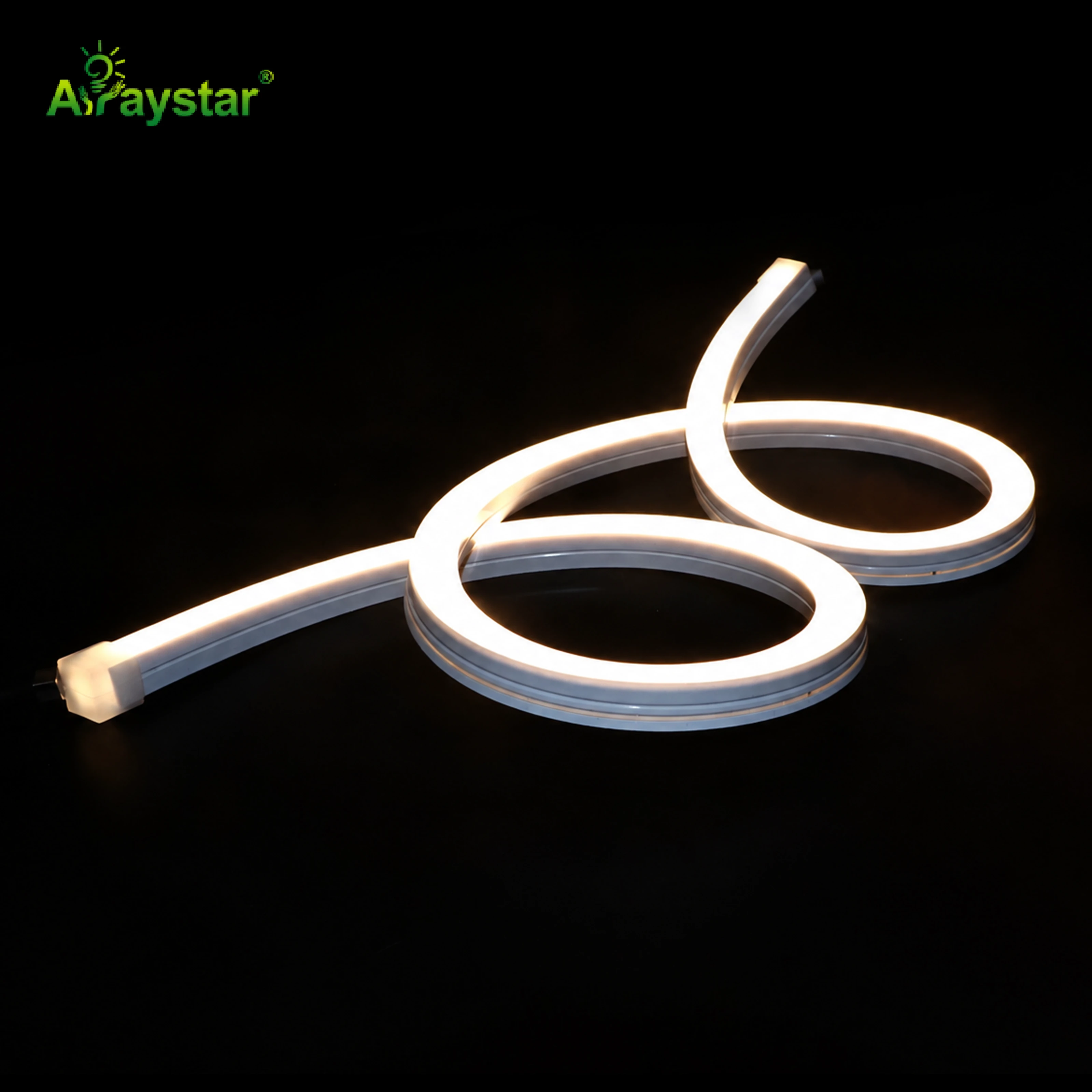
Isolation and RCD protection
Any exterior mains circuit in most territories needs RCD protection, typically 30 mA, to cut the power within milliseconds if someone touches a live fault. The driver itself is a SELV or isolated power supply, but the mains side into the driver must still be protected. I never run an exterior 230 V strip off an unprotected socket, even a switched one inside the building.
Treat the whole run as a fixed mains circuit.
| Element | Requirement I enforce | Why |
|---|---|---|
| RCD protection | 30 mA on the circuit | Touch-safety outdoors. |
| Driver housing | IP65 or better enclosure | Rain on the driver. |
| Cable | Outdoor-rated, UV stabilised | Sun and rain degrade PVC. |
| Joints | Gel-filled connectors | No tape outdoors. |
Cable rating and where the joints live
The thin tail on a 230 V strip roll is not meant to be the external circuit cable. I run proper outdoor-rated flex or SWA from the building to a weatherproof junction box at the start of the strip, and only then connect the strip tail inside the box. Every joint outdoors is a gel-filled connector or a screwed gland in an enclosure, never tape or a twist connector, no matter how small.

Driver placement and thermal headroom
Mains drivers get hot, and a hot driver in a sealed box bakes itself to death by summer. I size the driver at eighty percent of its rated load at most, mount it in a ventilated weatherproof box, and keep it off a dark wall in direct sun. A driver rated for 100 W driving 90 W on a south-facing wall will overheat; derate it.

The handover and the permit point
In many places a fixed exterior mains installation of this kind needs a licensed electrician and notification to the local authority. I tell clients up front that the strip itself is the easy part; the circuit behind it is a regulated job. Do the electrics properly the first time, keep the installation certificate, and the strip will run for years without a callback.
One detail that catches people: the plug on the end of a consumer 230 V strip roll is for temporary indoor use, and you are not meant to hard-wire through it on an exterior job. I cut the plug off and land the mains directly into a weatherproof junction box with proper terminals, then run the strip tail from there. Leaving a consumer plug exposed outdoors is the fastest way to fail an inspection and to invite water into the one joint that was never designed for it. Treat every exterior mains joint as a permanent connection, and the inspection passes without a second look. That is how a mains exterior job stays quiet for a decade.
Recommended Products
Frequently Asked Questions
Can I just plug a 230V LED strip into an outdoor socket?
No. Even on an RCD-protected outdoor socket, the driver and joints are exposed weather points. The driver needs an IP65 enclosure, joints must be gel-filled or glanded, and the circuit should be treated as a fixed exterior installation, not a plug-in toy.
Do outdoor mains LED circuits need an RCD?
Yes, almost everywhere a 30 mA RCD is required on exterior circuits for touch-safety. The isolated driver protects the strip side, but the mains feed into the driver must be RCD-protected. I never connect an exterior 230 V strip to an unprotected supply.
What cable do I use for outdoor mains LED strip?
Outdoor-rated, UV-stabilised flex or armoured cable run from the building to a weatherproof junction box, then the strip tail connects inside the box. The thin tail on the roll is not the external circuit cable and must not be left exposed to sun and rain.
Can I use tape to seal LED strip joints outdoors?
No. Tape hardens in UV and lets water in within a season. Use gel-filled inline connectors or screwed glands inside a weatherproof enclosure. I have opened too many tape joints to find green corrosion; it is never worth the saving.
Does a mains LED strip installation need a certificate?
Often yes, because it is a fixed exterior mains circuit. In most territories this kind of work should be done or signed off by a licensed electrician with the appropriate notification. The strip is cheap; the non-compliant circuit behind it is what costs later.
Need help with your LED project?
Get factory-direct pricing, free samples and engineering support within 24 hours.
Email: info@arraystarled.com | Phone: +86-0755-2103-6746 | WhatsApp: 0086 1581 8514 077
Need to size your power supply? Use our LED Strip Power Calculator to find the right driver in seconds.