220V vs 24V LED Strip for a Large Outdoor Perimeter: Real Trade-offs
- 2026-10-28 10:04
- /
- Arraystar LED
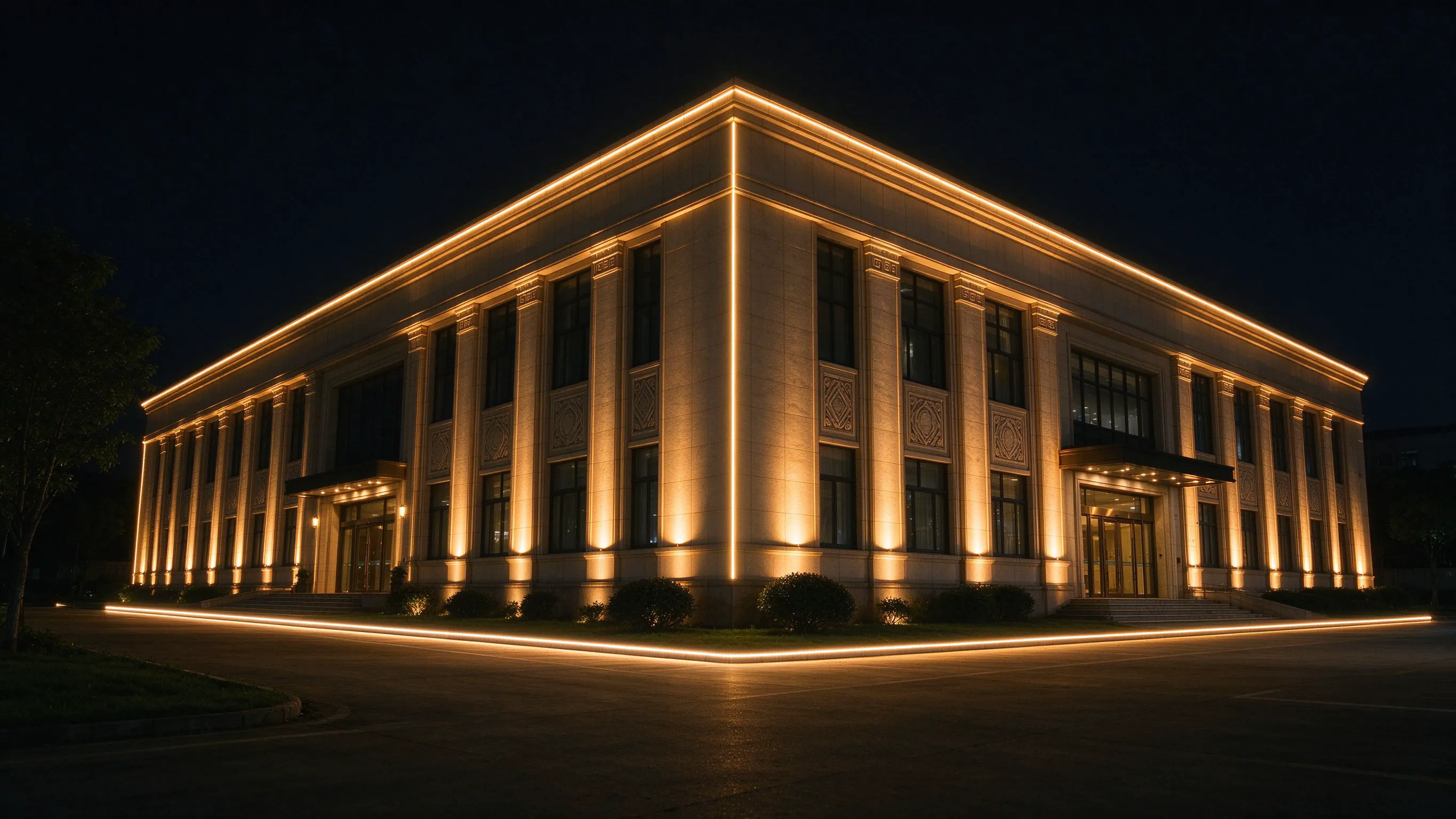
A fifty-metre building perimeter is the job where 230 V strip either earns its keep or becomes a compliance headache. I have done both, and the choice comes down to run length, who can wire it, and how much voltage drop you are prepared to chase.
The problem with long low-voltage runs
A 24 V strip over a long perimeter suffers voltage drop. On copper cable, a 50 m run at even modest current drops several volts by the far end, which means the last ten metres glow warm and dim. To fix it you run thicker cable and inject power at multiple points, which means multiple drivers, multiple cables and more joints. That is where 230 V strip starts to look attractive.
On a fifty-metre hotel facade I first priced it in 24 V: six drivers, six feeds, thick copper dropping down every run. The client balked at the cable and labour. We re-ran it as a single 230 V feed with one driver at each corner, and the install cost came down, but we then had to satisfy the electrician and the local wiring rules. Both routes work; they cost differently.
What decides it
- Run length: over about 20 m, 230 V gets its advantage.
- Driver and feed count: 230 V means fewer power points.
- Who wires it: 230 V needs a licensed electrician outdoors.
How far each system will actually go
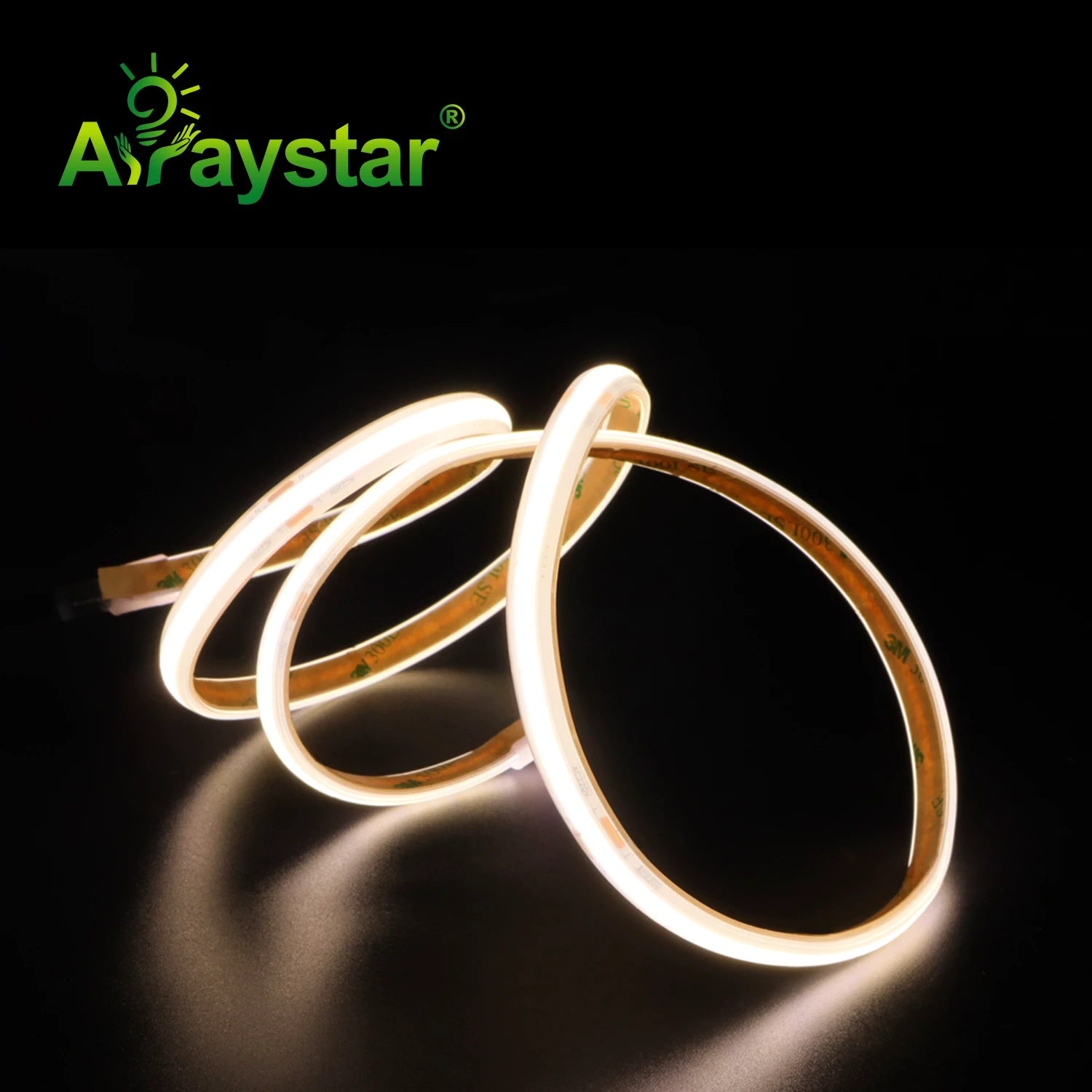
A 24 V strip on its own copper can carry roughly four to eight metres before droop shows, depending on density. With thicker feed cable you can stretch that, but beyond twenty to thirty metres you are injecting power every five metres. A 230 V strip, by contrast, can run thirty to fifty metres from a single feed because the current is low and the on-board driver rectifies locally. That is the real difference.
Long runs favour 230 V; short, flexible jobs favour 24 V.
| Factor | 24 V system | 230 V system |
|---|---|---|
| Max run per feed | 5-10 m, extendable | 30-50 m. |
| Voltage drop | Major, needs thick cable | Negligible on long runs. |
| Installer | Any competent installer | Licensed electrician. |
| Joints outdoors | Many injection points | Few, but mains-rated. |
The compliance trade-off
The catch with 230 V outdoors is that every feed, driver and joint is a mains installation. It must be RCD-protected, drivers housed in IP65 boxes, and often signed off by an electrician. A 24 V SELV system is far more forgiving for the installer and less regulated. I tell clients that 230 V saves cable and drivers but adds an electrician and a certificate to the bill.
Light quality and what the client sees
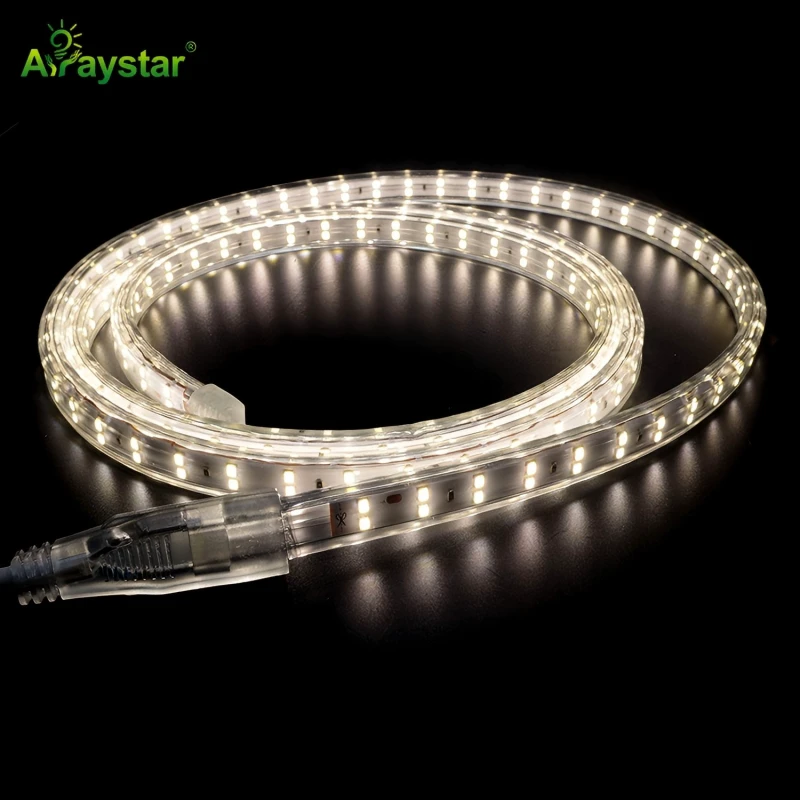
A 24 V system lets you pick any strip density, colour and tunable white easily, and dim it with a standard low-voltage dimmer. 230 V strip is usually on-off or simple phase dimming, with fewer choices of density. If the client wants tunable white or smooth dimming across the perimeter, I lean toward 24 V even on a longer run, because the extra drivers are worth the control.

My call on a large perimeter
For a true fifty-metre-plus straight perimeter with on-off control, I specify 230 V and bring in the electrician up front. For anything that needs dimming, colour tuning, or complex shapes, I stay 24 V and bite the bullet on cable and injection points. The cheapest route on paper is rarely the cheapest when you price the electrician and the joints in.
Whatever I choose, I feed a long perimeter from both ends rather than the middle, and I keep each feed run under twenty-five metres. On a corner I drop the power feed down the facade in a sealed tube, never dangling in the open, and I label every driver with the run it serves. A perimeter light that fails after winter is a nightmare to fault-find at height; good labelling and sensible feed points turn a day-long repair into a twenty-minute swap on the correct driver. Long perimeters reward planning, not speed, and the right voltage choice makes the rest straightforward.
Recommended Products
Frequently Asked Questions
Is 220V or 24V better for a long outdoor perimeter?
For a 30-50 m straight perimeter with simple on-off control, 220 V wins: fewer feeds, almost no voltage drop. For dimming, tunable white or complex shapes, 24 V is more flexible despite needing more power injection points along the run.
Why does 24V LED strip dim at the far end?
Voltage drop along the copper cable. A long 24 V run loses several volts by the far end, so the last metres glow warmer and dimmer. Fix it with thicker feed cable and injecting power every five to ten metres, or switch to 230 V for the long stretch.
Can I install 220V outdoor strip myself?
The mains side of the installation should be done or signed off by a licensed electrician in most places. RCD protection, IP65 driver enclosures and outdoor-rated cable are regulated. The strip clipping you can do, but the circuit behind it is not a DIY job.
How long can a 24V LED strip run before droop?
On its own copper, roughly four to eight metres before visible droop, depending on LED density. With thicker feed cable and mid-run power injection you can extend it, but beyond twenty to thirty metres the number of injection points makes a 230 V feed more economical.
Which system gives better dimming on a perimeter?
24 V gives smoother, more flexible dimming and supports tunable white easily through standard low-voltage controls. 230 V strip is mostly on-off or simple phase dimming with fewer density options. If dimming quality matters, stay low-voltage even on a longer run.
Need help with your LED project?
Get factory-direct pricing, free samples and engineering support within 24 hours.
Email: info@arraystarled.com | Phone: +86-0755-2103-6746 | WhatsApp: 0086 1581 8514 077
Need to size your power supply? Use our LED Strip Power Calculator to find the right driver in seconds.