
Mains LED Strip Gives a Static Shock When Touching the Diffuser
- 2026-11-02 15:55
- /
- Arraystar LED
A faint tingle on the plastic diffuser of a 220V strip is not static, and it is not normal. It is leakage current through the driverless strip, and on a damp wall it can climb to a level you should not be touching bare-handed.

What the tingle actually feels like, and why it scares people
You run a finger along the plastic diffuser of a mains neon run and you feel a tiny buzz, like touching a 9V battery to your tongue, or a faint vibration under wet fingertips. Your first thought is static build-up from sliding on a wool jumper. It is not. Static discharges once and is gone; this tingle is there every time you touch the diffuser, and it gets worse on a humid evening.
Driverless high-voltage strips run the line voltage directly along the copper inside the jacket. The silicone or PVC jacket is insulation, not a safety barrier, and a small capacitive leakage of a fraction of a milliamp can reach the outer skin. On a dry wall in a heated room it is below what your finger notices. On a cold garage wall in November it is exactly what a user reports to me as a shock.
- It is only on the diffuser or jacket, never on a fitting.
- It feels worse with wet hands or after a shower.
- It fades if the strip is on an RCD that trips when you touch it.
Leakage current: the numbers behind the buzz
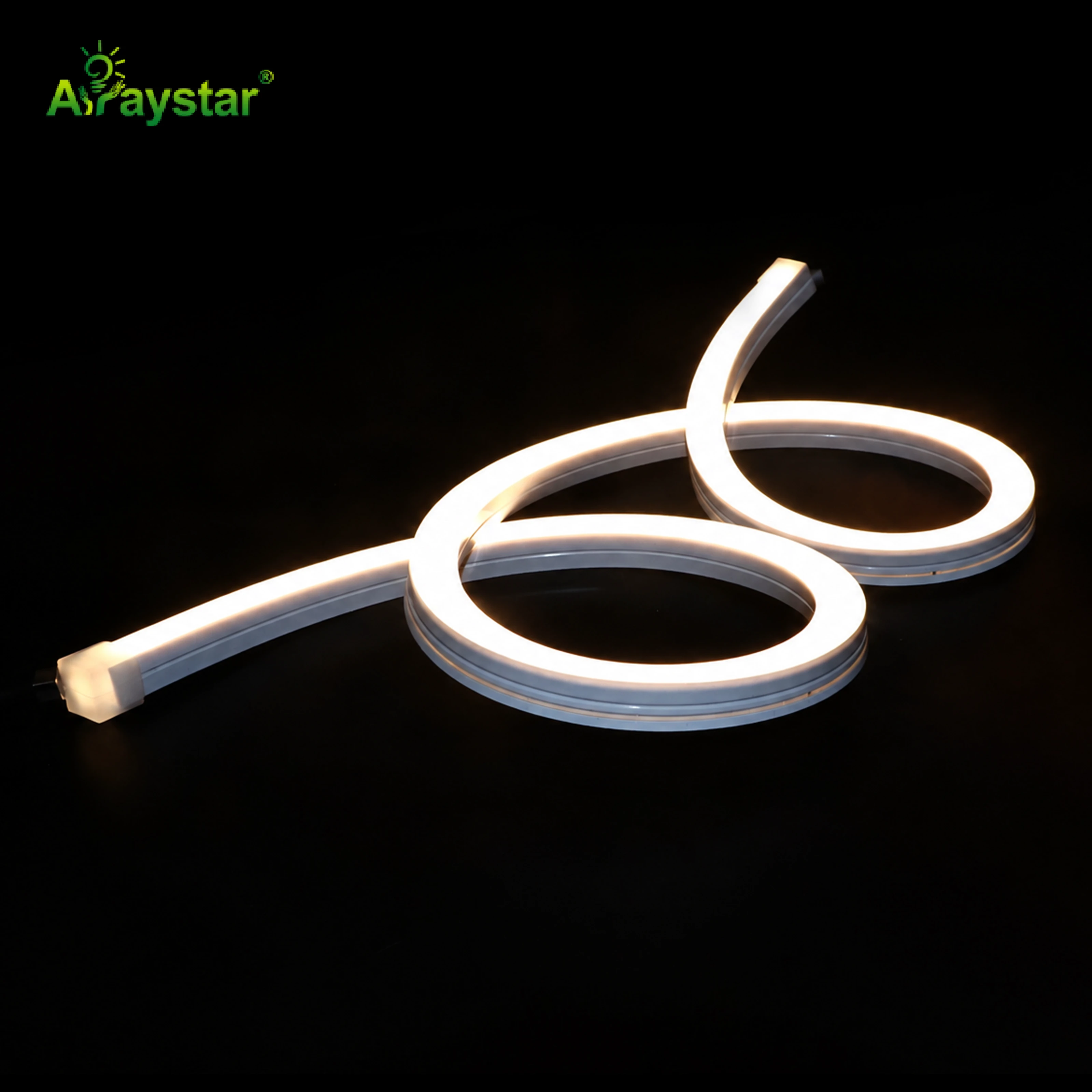
A driverless 220V strip forms a small distributed capacitor between the internal copper and the outer skin. Typical touch-current on a healthy unit is 0.2 to 0.5 mA. You start to notice it around 0.5 mA, and a genuinely uncomfortable tingle lands near 1 mA. The IEC touch-current limit for accessible parts on class II equipment is 0.7 mA, which is why your body can feel it long before anything dangerous happens.
The problem is when the jacket is damaged. A cut, a screw through the insulation, or a joint that was not made properly can pull that leakage up by a factor of ten. Above 3 to 5 mA you are no longer in a faint tingle; you are in territory where a heart condition or a wet floor stops being theoretical.
Where the leakage comes from, in order of likelihood
Measure with a current clamp around the live and neutral together.
| Source of leakage | Typical touch current | What to do |
|---|---|---|
| Normal distributed capacitance | 0.2-0.5 mA | Fit on RCD, stop touching it |
| Pin hole or crack in jacket | 1-3 mA | Find the cut, shorten or repair |
| Bad end joint / unsealed cap | 2-6 mA | Remake joint, re-seal |
| Strip mounted on metal not earthed | 3-10 mA | Earth the rail or isolate |
Isolation, RCD and when to stop touching it

Every mains-voltage strip run, without exception, belongs on its own 30 mA RCD or RCBO. That is not optional, and it is the single change that turns a scary tingle into a safe system. The RCD trips at 30 mA, which is well below the level that harms a wet body, and it will also catch the slow climb of leakage as the jacket ages.
I also push the run through an isolating transformer on anything a client can lean on or touch with both hands, like a handrail neon or a shop counter edge. Once the strip is isolated, the capacitive leakage becomes a harmless few tens of microamps and the tingle vanishes even if the jacket is slightly damp.
What I tell users, and when the job needs a sparky
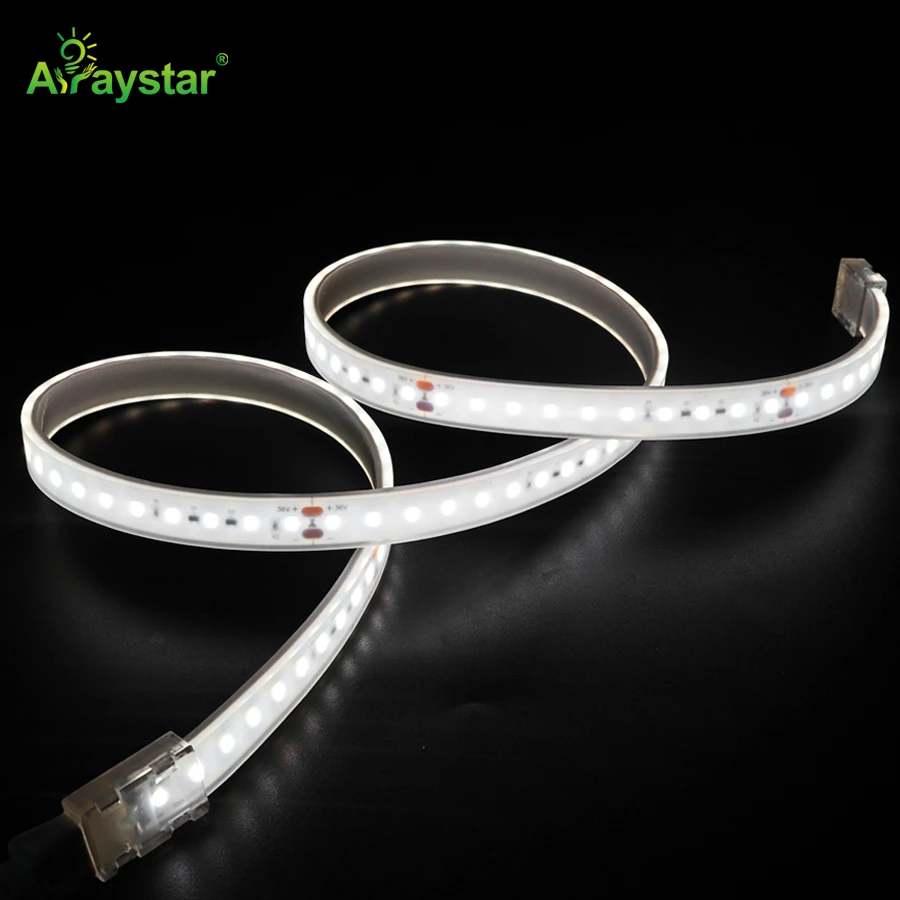
My default answer to the user message is: stop touching the diffuser, turn the run off, and check three things. Is there an RCD on the circuit? Is the jacket cut anywhere along the run? Is the strip mounted on metal that is not earthed? If all three are clean and the tingle persists above 1 mA, a qualified electrician needs to measure it properly. Do not patch it with extra tape; tape does not reduce capacitive leakage.
I also advise clients to keep mains runs out of normal hand reach. A neon above a toe kick that nobody touches is a completely different risk profile from a neon handrail you grip every time you walk past. Design the run so the tingle is on a surface your hand never lands on, and the problem stops being a problem.
Recommended Products
Frequently Asked Questions
Is a faint tingle on a 220V LED strip normal?
A faint, below-0.5 mA tingle on the diffuser of a driverless mains strip is common and comes from distributed capacitance. It is still on a 30 mA RCD, and you stop touching it. If the tingle is strong enough to make you pull your hand away, that is above 1 mA and the run needs inspection.
Can I fix it with more insulation tape over the jacket?
No. Tape adds physical insulation but does nothing to reduce the capacitive coupling between internal copper and your finger. The leakage is a few microamp-level capacitive current, not a short. The effective fix is an RCD, an isolating transformer, or relocating the run out of hand reach.
Why does the tingle get worse in winter?
Humidity and a cold wall raise surface conductivity. At 20 percent relative humidity your skin is a poor conductor; at 80 percent on a damp garage wall it conducts several thousand times better, so the same 0.5 mA leakage becomes a noticeable buzz. The RCD still protects you either way.
Does the strip need to be earthed?
A class II double-insulated mains strip does not need an earth on the jacket. The problem is if you mount it on a metal rail or aluminium channel that is not bonded. In that case the rail becomes the accessible metal part, and it must be earthed or the whole run isolated.
When should I call an electrician instead of fixing it myself?
If the tingle is strong enough to pull your hand away, if the RCD trips when the light is on, or if the jacket is cut and the copper is visible, stop work and call an electrician. Mains-voltage work on a wet floor or in a bathroom is not a DIY task.
Need help with your LED project?
Get factory-direct pricing, free samples and engineering support within 24 hours.
Email: info@arraystarled.com | Phone: +86-0755-2103-6746 | WhatsApp: 0086 1581 8514 077
Need to size your power supply? Use our LED Strip Power Calculator to find the right driver in seconds.