Why Neon Flex Peels Off Facades in Summer (and the Fix That Lasts)
- 2026-10-28 10:02
- /
- Arraystar LED
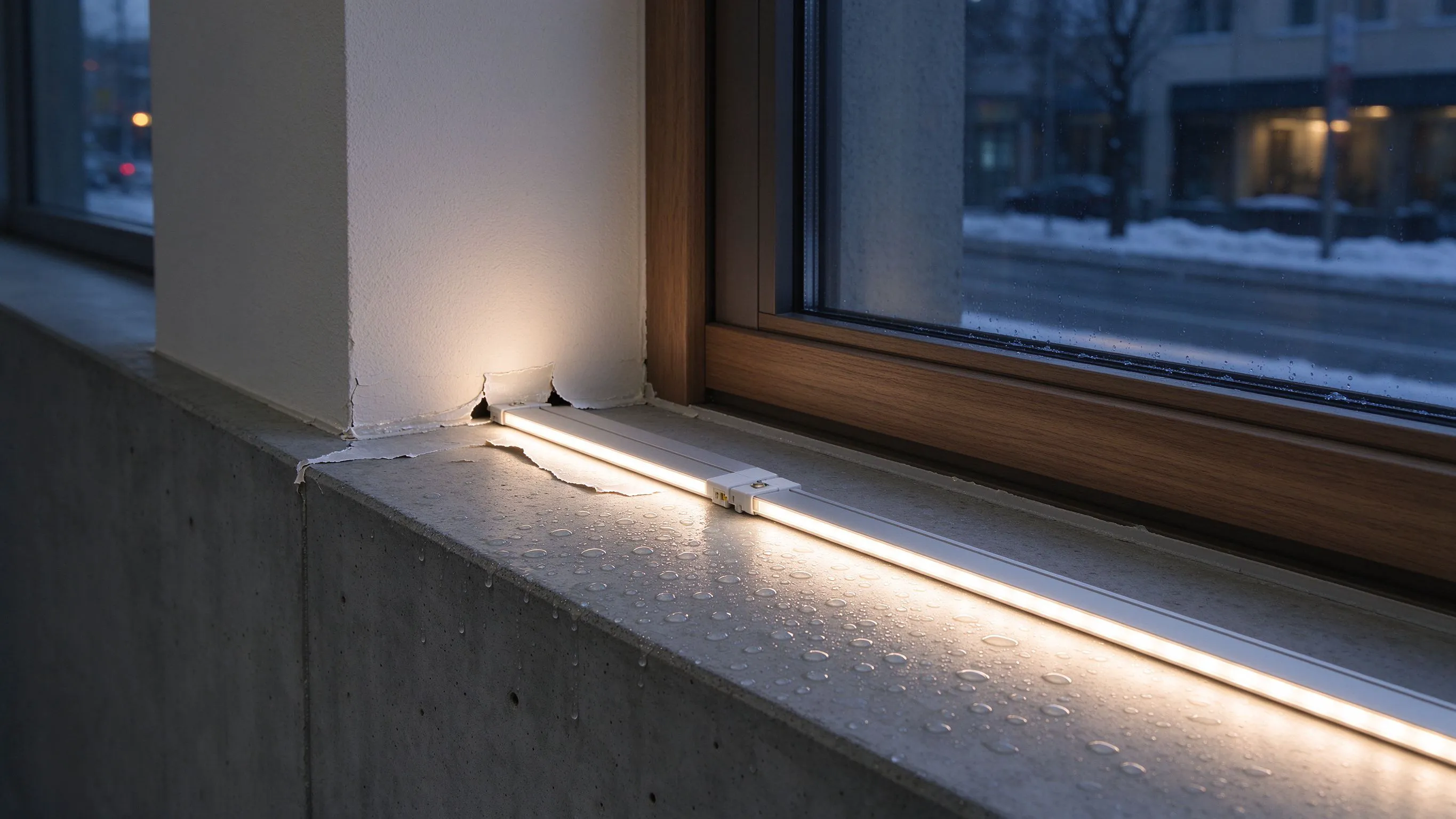
Neon flex peeling off a facade in summer is almost never a bad product. It is a bad adhesive decision made in a cold shop and exposed to a south wall in July. I now prime, clip and pick the right temperature window, and I have not had a peeling call in four years.
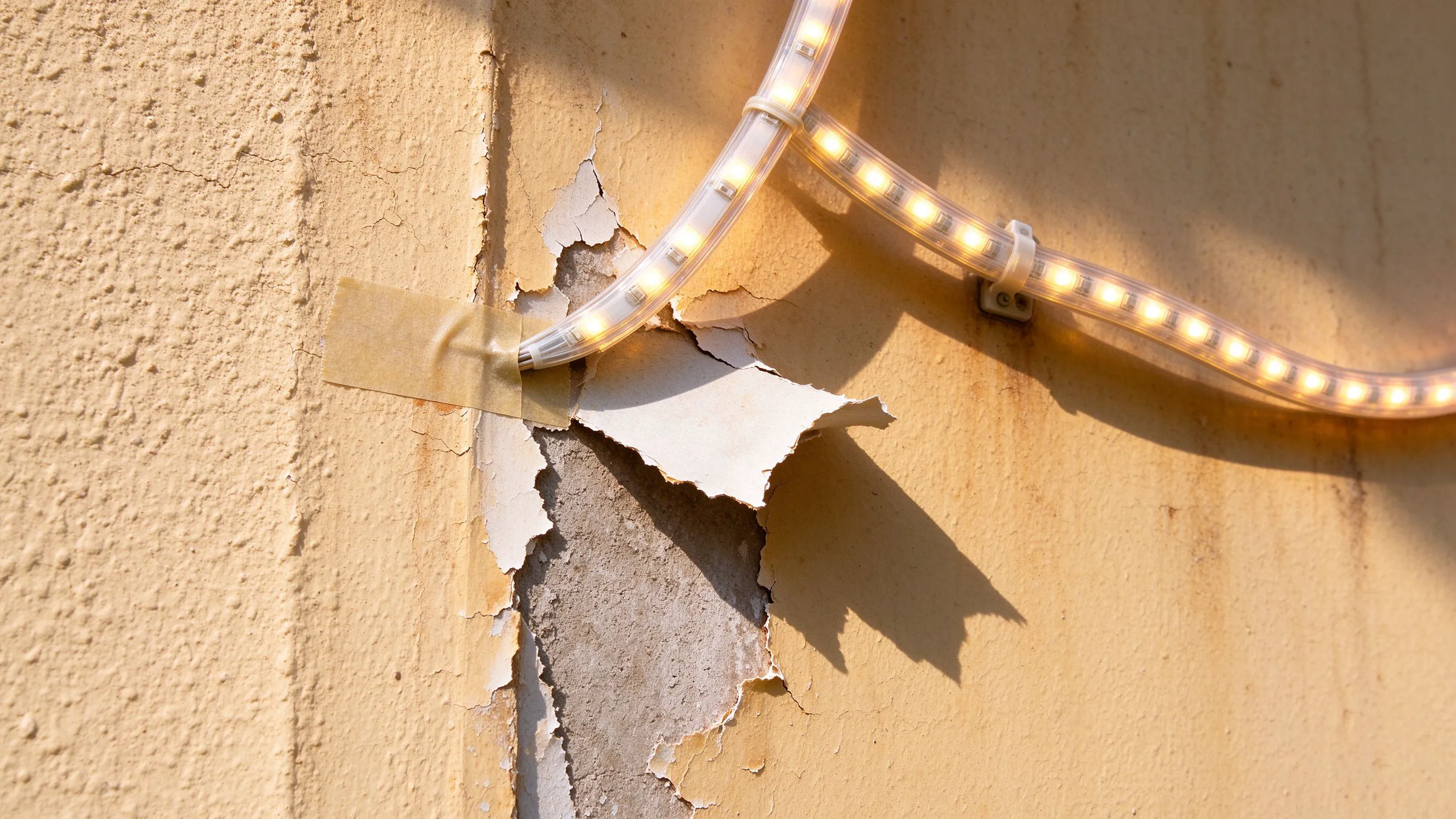
Why VHB fails when the sun comes out
The foam tape on the back of most neon flex is an acrylic VHB. It bonds brilliantly at twenty degrees in a dry workshop, and it holds through winter. In summer, a dark facade in direct sun hits sixty to seventy degrees on the surface, and the VHB softens. Above roughly fifty degrees, the adhesive turns from a solid bond into a viscous layer, and the tube slowly peels under its own weight. By August you see a two-metre run hanging by one end, usually at the south-west corner where the afternoon sun is hottest.
I lost a weekend in June on a restaurant fascia. The flex had been applied in April on a cool morning, looked perfect in the photos, and by mid-July the whole lower run was drooping. The client thought the tube was defective. The tube was fine; the VHB had simply turned to goo against a black render that baked all afternoon.
The three root causes of summer peel
- Surface temperature over fifty degrees softens the acrylic VHB.
- Dusty or powdery render gives the tape nothing to grip.
- No mechanical clip backup; the tape carries the whole load.
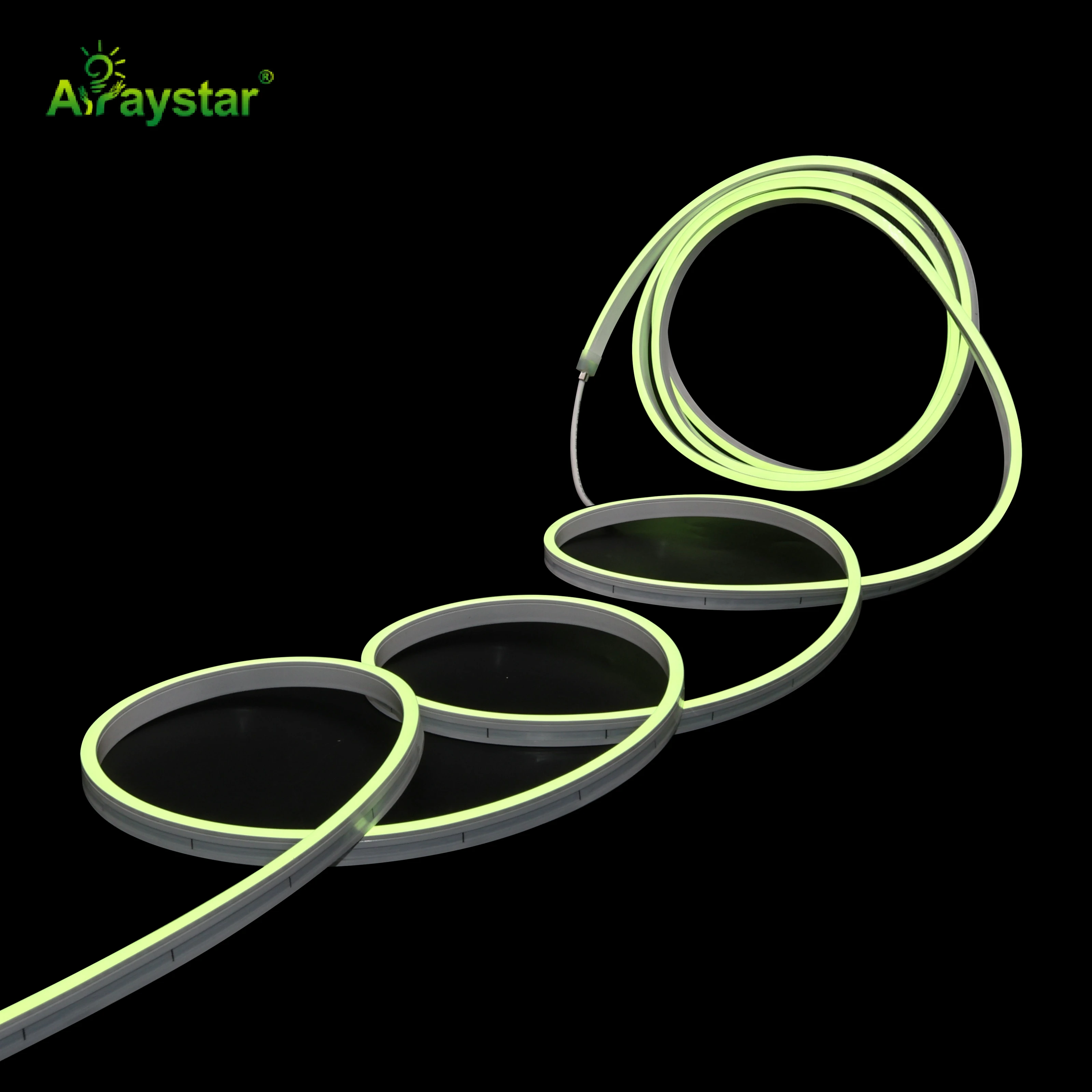
The surface prep I now do every time
Before any VHB goes near a facade, I wash the wall with warm water and a stiff brush, let it dry fully, then wipe the bond line with isopropyl alcohol on a lint-free cloth. On powdery render or fibre cement, I roll on a thin coat of primer designed for VHB, let it go tacky for twenty minutes, and only then apply the tape. That primer step alone doubles the bond strength on a dusty substrate. It adds an hour to the job and saves a callback in August.
Primer on powdery walls is not optional; it is the difference between a May bond and a September peel.
| Substrate | Prep step | Mechanical backup? |
|---|---|---|
| Sealed render | Wash + IPA wipe | Recommended on runs over 2 m. |
| Powdery render | Wash + VHB primer | Yes, clips every 500 mm. |
| Powder-coated aluminium | IPA wipe only | Not needed under 3 m. |
| Timber slats | Light sand + IPA | Yes, screws through clips. |
I never apply VHB in direct sun. Early morning, late afternoon, or on a cloudy day only. A wall that reads twenty degrees in the morning hits forty-five by midday, and the bond that forms on a hot wall is weaker because the adhesive does not wet out properly.
The mechanical clip backup
I now treat VHB as the cosmetic bond and small plastic or aluminium clips as the structural bond. On any run over two metres outdoors, I add a clip every four to five hundred millimetres, screwed into the wall with a wall plug. The VHB still holds the tube flush and gap-free, but if the adhesive softens in August the clips carry the load. The result is a sign that looks adhered but is mechanically secured, which is exactly how it should be.
- Clip spacing: 400 to 500 mm centre-to-centre on runs over 2 m.
- Place a clip within 50 mm of every corner and every end cap.
- Use UV-stabilised clips; nylon yellows and embrittles in two summers.
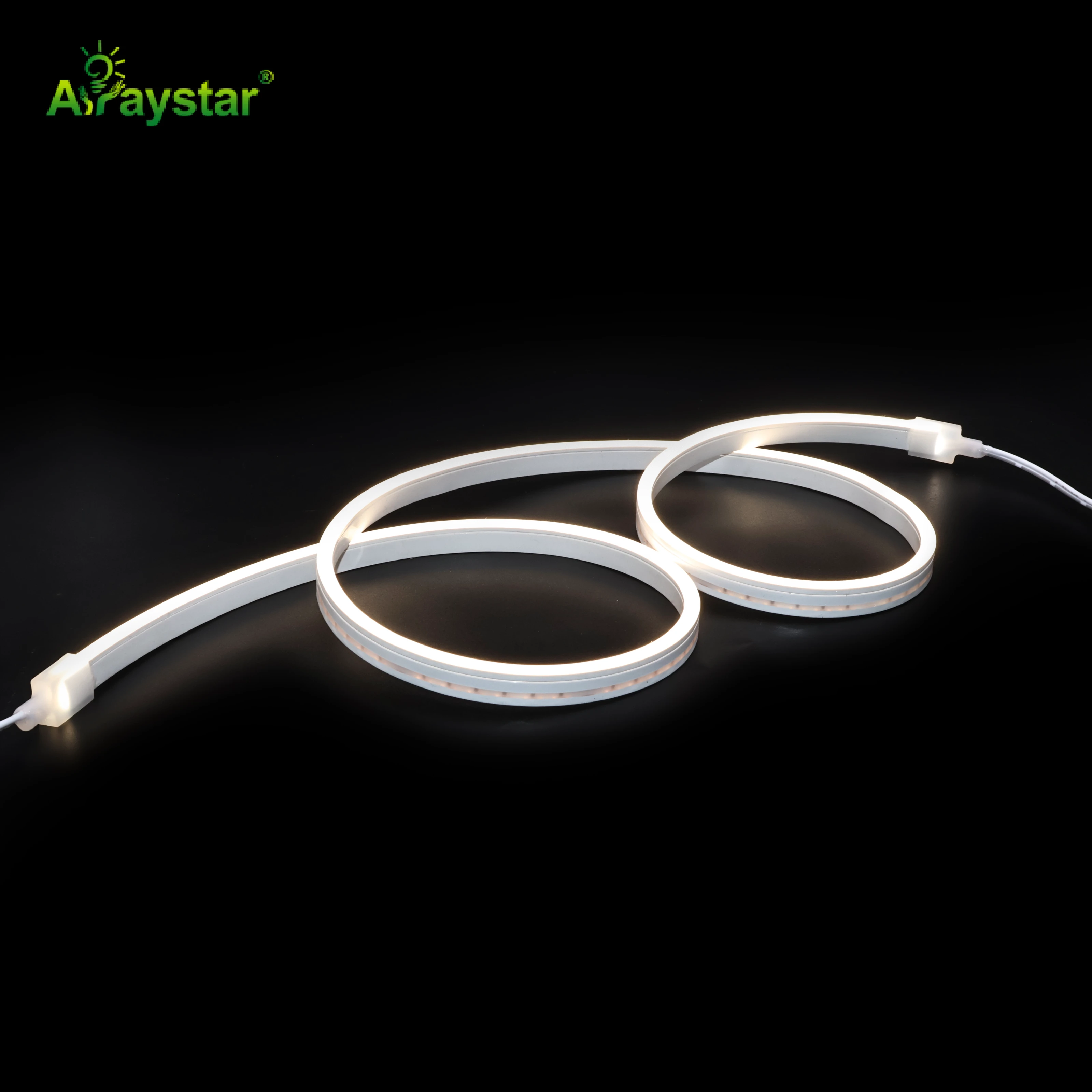
The temperature window and tape choice
Standard VHB is rated down to about ten degrees application temperature and up to eighty degrees service temperature, but that rating assumes a flat, clean substrate. For facades that exceed sixty-five degrees on the surface, I step up to a higher-temperature acrylic tape with a thicker foam core, or I skip the tape entirely and go full clip. The cost difference is small; the callback difference is large.
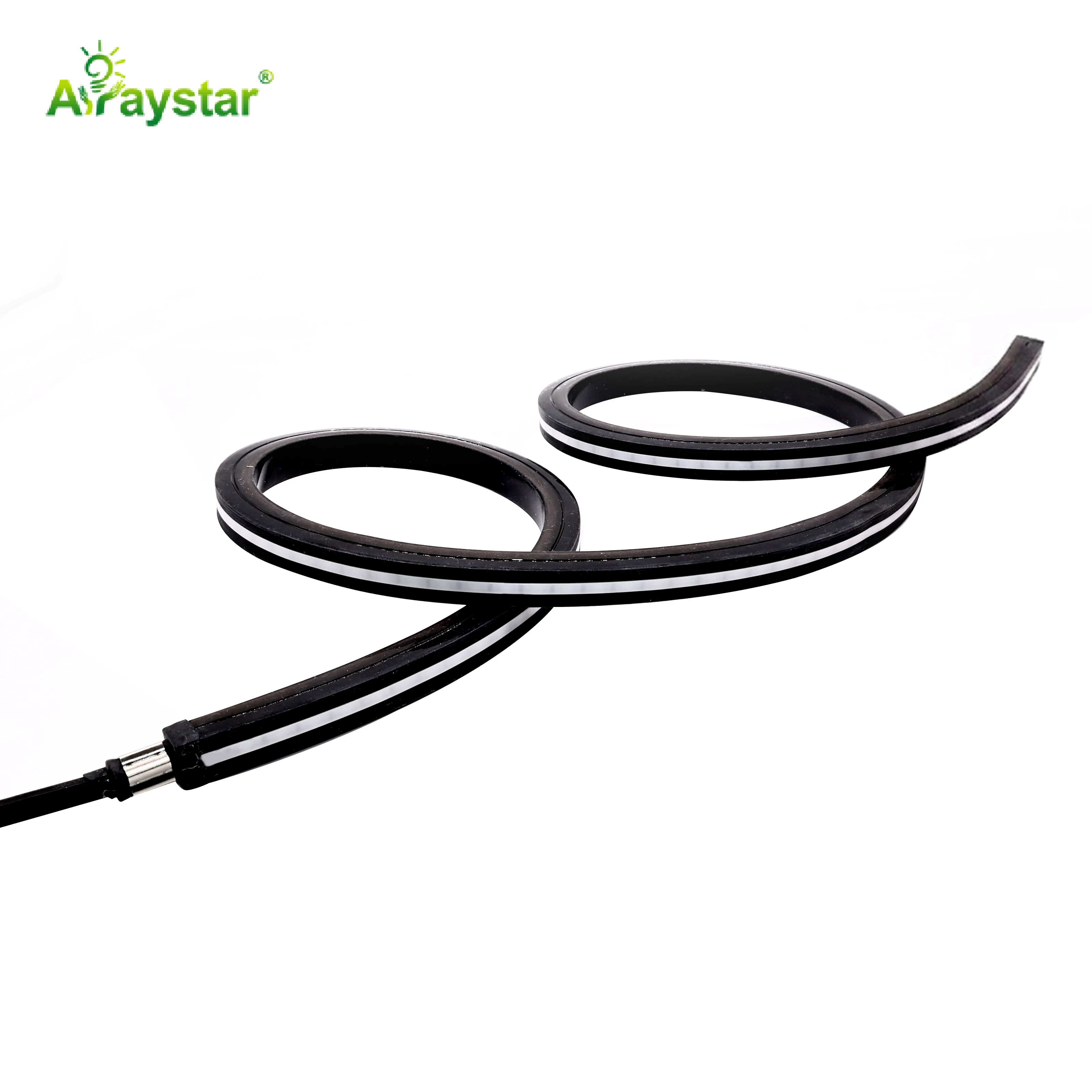
The callback repair that actually lasts
When a client rings in August about a peeled run, I do not re-stick it. I pull the tube off, scrape the old VHB residue off both the tube and the wall, wash and prime the wall, and re-fit with the higher-temperature tape plus clips. Re-using the old tape never works; it has already soft-aged and will peel again at the next hot spell. I quote the repair as if it were a fresh install, and the client accepts once I explain why.
- Scrape every scrap of old VHB off the tube and the wall; residual tape ruins new bond.
- Prime the wall even if it looked fine the first time.
- Add clips this time; the client now understands why.
- Return in October to check the bond has survived one full hot cycle.
Recommended Products
Frequently Asked Questions
Why does neon flex peel off the wall in summer?
The VHB foam tape softens when the facade surface climbs above fifty degrees in direct sun. The acrylic adhesive turns viscous and the tube slowly peels under its own weight, usually starting at the hottest south-west corner. It is not a tube defect; it is an adhesive that was never meant for a sun-baked facade.
Can I just use stronger double-sided tape?
Stronger tape helps, but it does not solve the physics. At sixty-five degrees surface temperature, even a high-temperature acrylic tape softens enough to creep. The honest fix is mechanical clips every 400 to 500 mm, with the VHB only providing a flush, gap-free finish. Tape alone on a sun-baked wall is a bet you will lose by August.
What wall preparation stops neon flex peeling?
Wash the wall, let it dry, wipe the bond line with isopropyl alcohol, and roll on a VHB primer on powdery render or fibre cement. Let the primer go tacky for twenty minutes before applying the tape. Never apply VHB in direct sun; choose an early morning or a cloudy day. The primer step alone roughly doubles bond strength.
When should I add mechanical clips to neon flex?
On any outdoor run over two metres, and anywhere the facade faces south or west in a hot climate. Space clips every 400 to 500 mm, with one within 50 mm of every corner and end cap. Use UV-stabilised plastic or aluminium clips; plain nylon yellows and embrittles in two summers. The VHB remains, but the clips carry the load.
How do I repair an already peeled neon flex run?
Do not re-stick the old tape. Pull the tube off, scrape every scrap of old VHB from both tube and wall, wash and prime the surface, and re-fit with high-temperature tape plus mechanical clips. The old adhesive has already soft-aged and will peel again. Treat it as a fresh installation and return in October to check the bond.
Need help with your LED project?
Get factory-direct pricing, free samples and engineering support within 24 hours.
Email: info@arraystarled.com | Phone: +86-0755-2103-6746 | WhatsApp: 0086 1581 8514 077
Need to size your power supply? Use our LED Strip Power Calculator to find the right driver in seconds.