My Cheap Neon Flex Is Turning Sticky and Oily After One Summer
- 2026-11-02 15:54
- /
- Arraystar LED
That tacky, oily film on your cheap neon flex after one summer is plasticizer migrating out of the PVC jacket. It cannot be cleaned off permanently, and it will keep getting worse. The fix is not a wipe-down; it is a silicone-jacketed flex that was never going to do this in the first place.
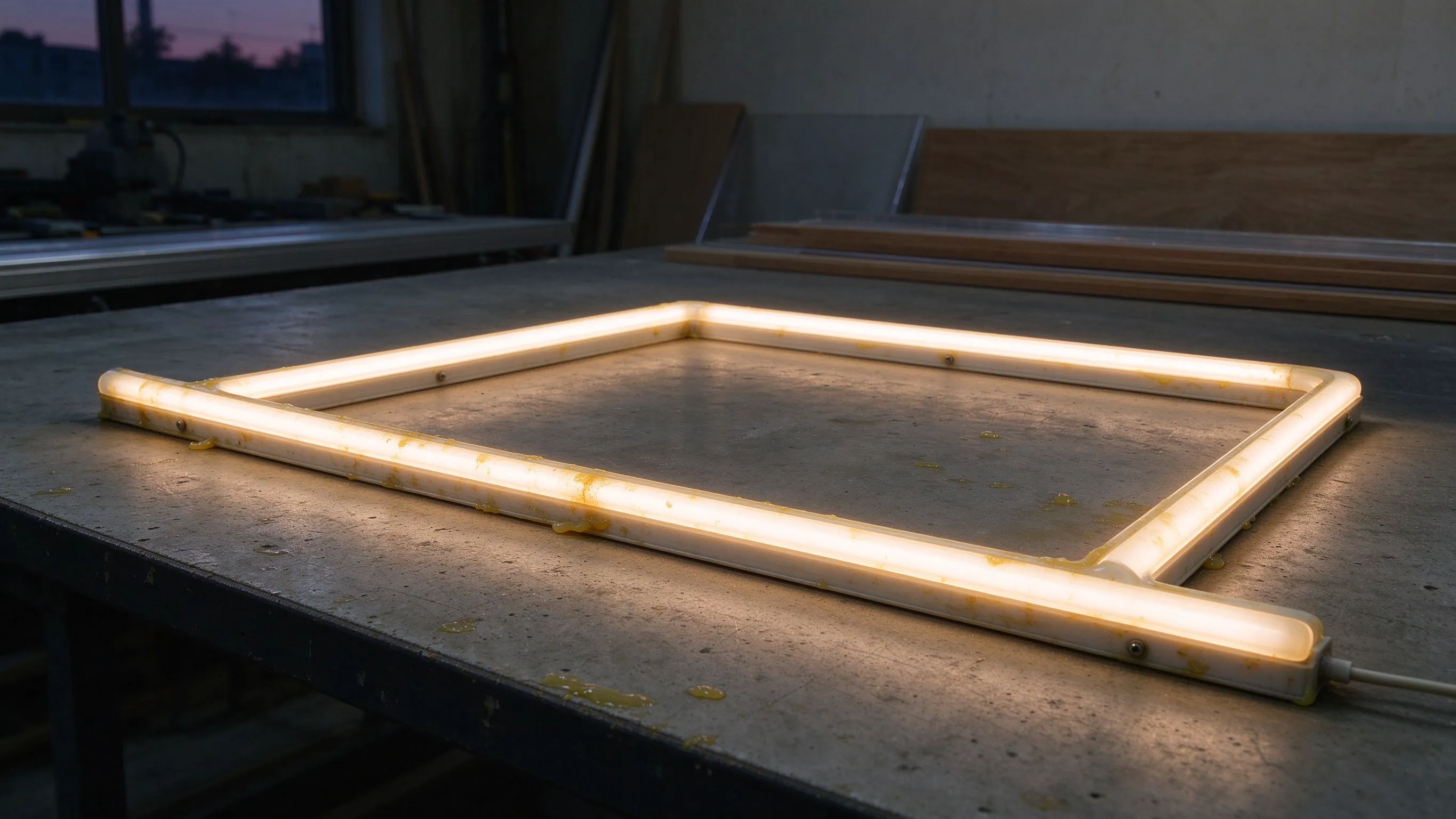
The sticky film that just keeps coming back
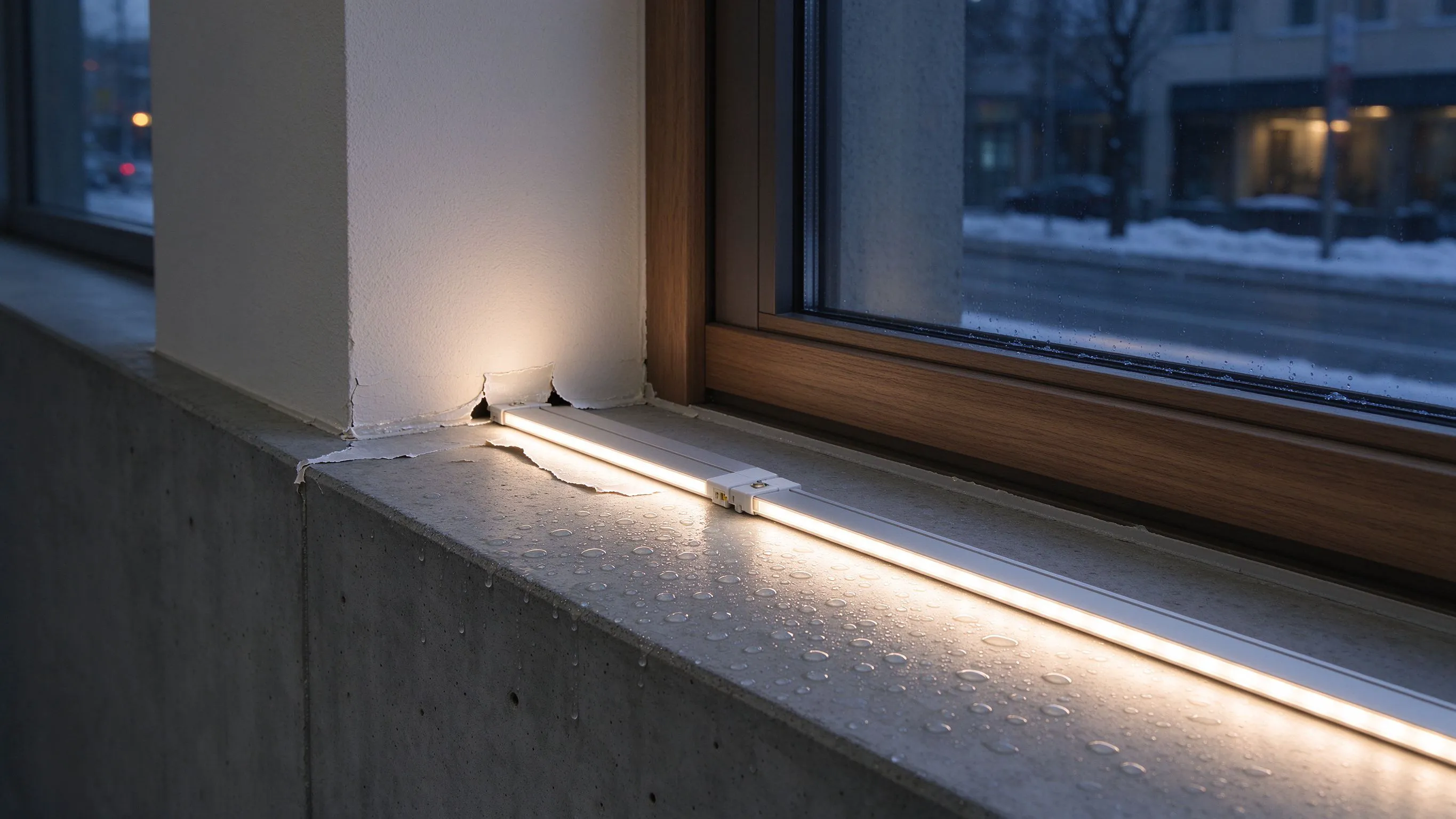
You wipe the flex with a cloth, it feels clean for a week, then the tackiness returns and leaves a faint brownish smear on your fingers. It is not dirt and it is not grease from the kitchen. It is plasticizer, the chemical that makes PVC flexible in the first place, weeping out of the jacket as the material ages and heats up.
I got this call from a homeowner who had run a cheap white neon flex along a kitchen shelf. By August the jacket felt like a kitchen sponge left out in the sun, and the glow had gone dingy yellow. No amount of isopropyl alcohol fixed it, because the plasticizer is inside the PVC, not on it.
Why cheap PVC flex does this
PVC is rigid on its own. To make a flexible neon jacket, manufacturers add plasticizer oils, and those oils slowly migrate to the surface over years. Heat accelerates it: a flex running along a shelf that warms to 45 C in summer bleeds plasticizer far faster than one in a cool hallway. Cheap flex uses more plasticizer to begin with, because it makes the jacket softer at lower cost.
- PVC jackets need plasticizer to stay flexible.
- Heat and UV speed up the migration to the surface.
- Cheap flex loads more plasticizer, so it bleeds more.
Silicone needs no plasticizer, which is why it stays dry.
| Jacket material | Sticky after one summer? | Typical life indoors |
|---|---|---|
| Cheap PVC | Yes, within 1-2 years | 2-3 years |
| Good PVC stabilised | Rarely | 4-6 years |
| Silicone | No, ever | 8-10 years |
What cleaning actually achieves
A wipe with isopropyl alcohol removes the surface plasticizer for a week or two, but the reservoir inside the jacket keeps weeping. You are mopping a floor with the tap still on. Worse, aggressive cleaners can strip the anti-UV coating on the jacket and speed the aging. I tell clients that once the tackiness is noticeable, the only permanent fix is replacement.
If you must extend the life of a cheap run, keep it out of direct sun and out of warm shelves. Lowering the jacket temperature by 10 C roughly halves the bleed rate. That is a hold-the-line measure, not a cure.
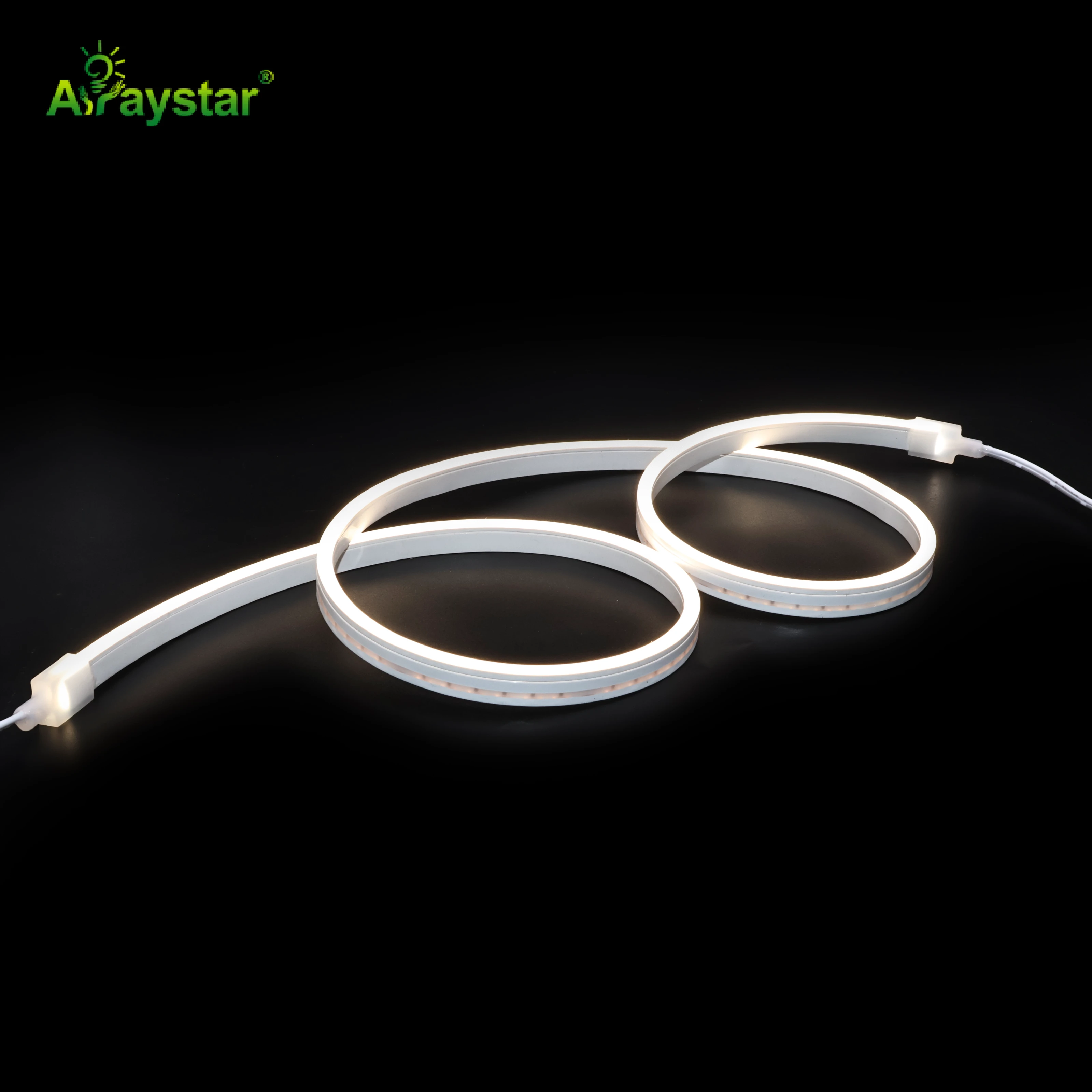
Why silicone flex never gets sticky
Silicone is cured into a rubber network during manufacture; it does not need plasticizer to stay flexible. A silicone jacket stays dry and smooth for a decade, even above a radiator or in a sunroom. It is more expensive up front, but the difference at year three is the whole point of buying it.
If the flex will see heat or sun, silicone is the cheaper option over five years.
| Property | Cheap PVC | Silicone |
|---|---|---|
| Sticky surface after heat | Yes | No |
| UV resistance | Poor | Excellent |
| Operating temperature | 0-50 C | -20 to 85 C |
| Indoor life | 2-3 years | 8-10 years |
How to shop so you never buy sticky flex again
The spec sheet will not say "silicone" in big letters. Look for the actual jacket material: pure silicone, or silicone-coated. If it says PVC, vinyl, or TPU, treat it as a budget product and expect the tackiness within a few years. Touch the sample if you can; silicone feels dry and slightly rubbery, PVC feels softer and faintly slippery.
- Check the jacket material on the datasheet, not the marketing name.
- Pure silicone or silicone-coated stays dry; PVC or TPU will not.
- Buy a short sample run and leave it in a warm window for a month before committing.
Recommended Products
Frequently Asked Questions
Why is my neon flex sticky and oily?
It is plasticizer migrating out of a PVC jacket. PVC needs plasticizer oils to stay flexible, and those oils slowly reach the surface as the material ages, especially in heat. The result is a tacky, faintly oily film that wipes clean for a week then returns. It cannot be fixed; the jacket is degrading.
Can I clean the sticky surface off neon flex?
Temporarily. Isopropyl alcohol removes the surface plasticizer for a week or two, but the reservoir inside the PVC keeps weeping. Aggressive cleaners strip the UV coating and speed the aging. Once the tackiness is noticeable, cleaning is a holding pattern; the permanent fix is replacing the flex with a silicone-jacketed unit.
Does silicone neon flex get sticky?
No. Silicone is cured into a rubber network and contains no plasticizer, so it stays dry and smooth even after years in heat or sun. It does not bleed an oily film the way PVC does. If you have had a cheap PVC flex turn tacky, a silicone flex in the same location will not do the same thing.
How long does cheap PVC neon flex last?
About 2 to 3 years indoors away from direct sun, and less if it sees heat. The plasticizer migration starts around year one and becomes noticeable by year two, at which point the jacket feels tacky and the diffuser has yellowed. Silicone flex lasts 8 to 10 years in the same location, which is why it costs more up front.
Does heat make neon flex sticky faster?
Yes. Plasticizer migration speeds up sharply with temperature. A flex running at 45 C along a warm shelf will bleed oil in one summer, while the same flex in a cool hallway stays dry for years. Lowering the jacket temperature by 10 C roughly halves the bleed rate. If you must use PVC flex near heat, keep it ventilated.
Need help with your LED project?
Get factory-direct pricing, free samples and engineering support within 24 hours.
Email: info@arraystarled.com | Phone: +86-0755-2103-6746 | WhatsApp: 0086 1581 8514 077
Need to size your power supply? Use our LED Strip Power Calculator to find the right driver in seconds.