Neon Sign Height, Setback and Visibility: Drafting for Permit Approval
- 2026-10-28 10:03
- /
- Arraystar LED
A brilliant neon sign gets rejected at planning for setback or glare. I draft the layout to survive the permit review, not just to look good after dark.
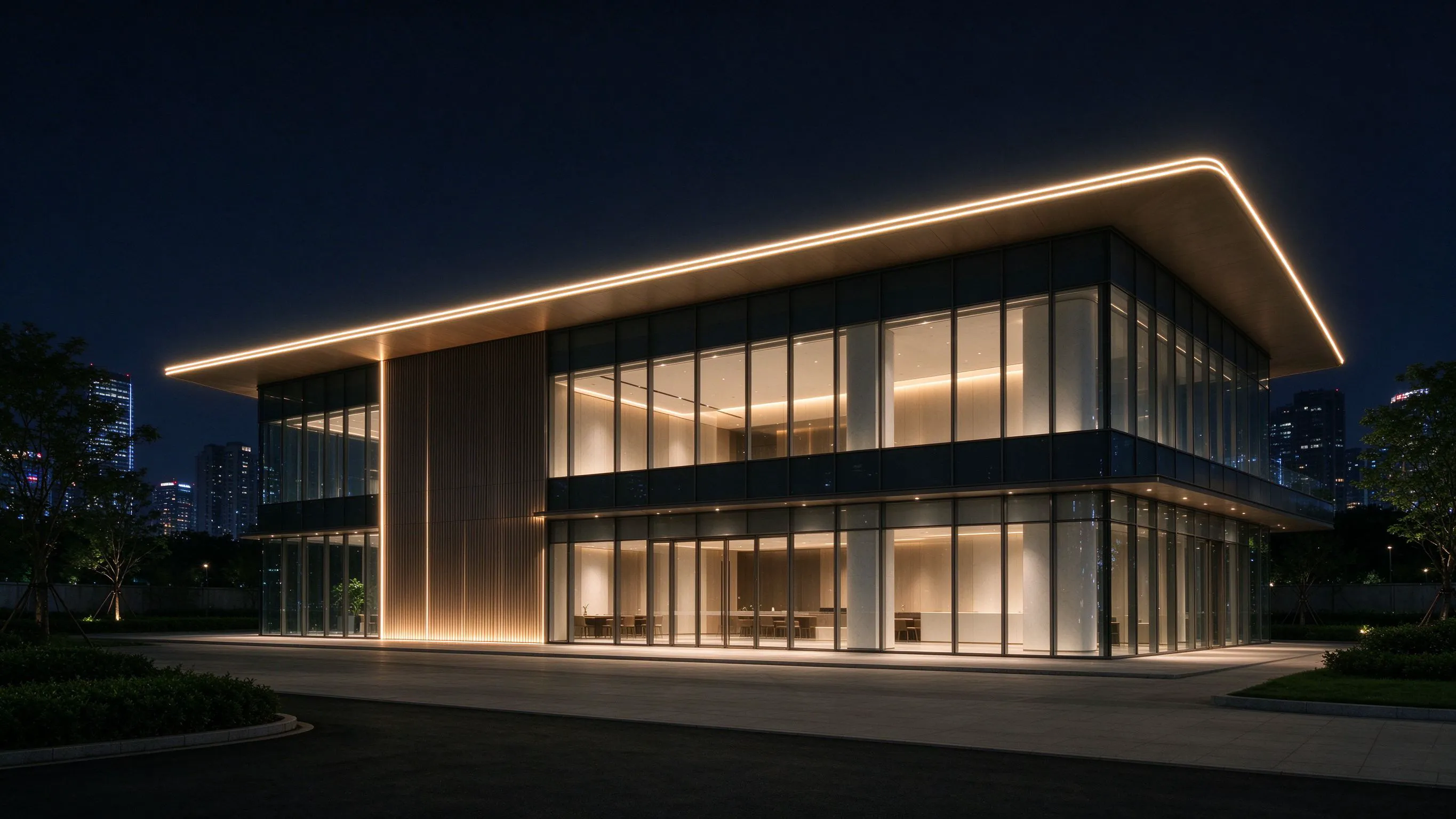
What planners actually measure
A permit application asks for a few numbers that installers often guess: sign area, height above grade, setback from the property line, and brightness at the boundary. Planners do not care how nice the logo looks. They compare your numbers against the local sign code, and a 0.5 m over-height is enough to bounce the package.
I measure height from finished grade to the top of the letters, not from the sill plate. I measure setback from the nearest property line, not from the building face. And I measure sign area as the whole rectangle bounding the letters, including any backing panel — not just the inked-up letterforms.

Numbers I submit
- Sign area: bounding rectangle, not letter area
- Height: from finished grade to top of letters
- Setback: to nearest property line
- Brightness: measured at the boundary at night
Height and setback rules I plan around
Most codes cap tenant signs at 1.0–1.5 m in height above the awning, and freestanding pylon signs at 4–6 m. Setback rules usually require the sign to sit at least 0.5–1.0 m behind the front property line, and never overhanging the sidewalk beyond 2.2 m above grade. I draft the layout to these limits with a 10% margin, not right on the edge.
For corner buildings, planners often restrict signs that face the side street — those are considered secondary frontage and get smaller area allowances. I ask which elevations count before I draw.
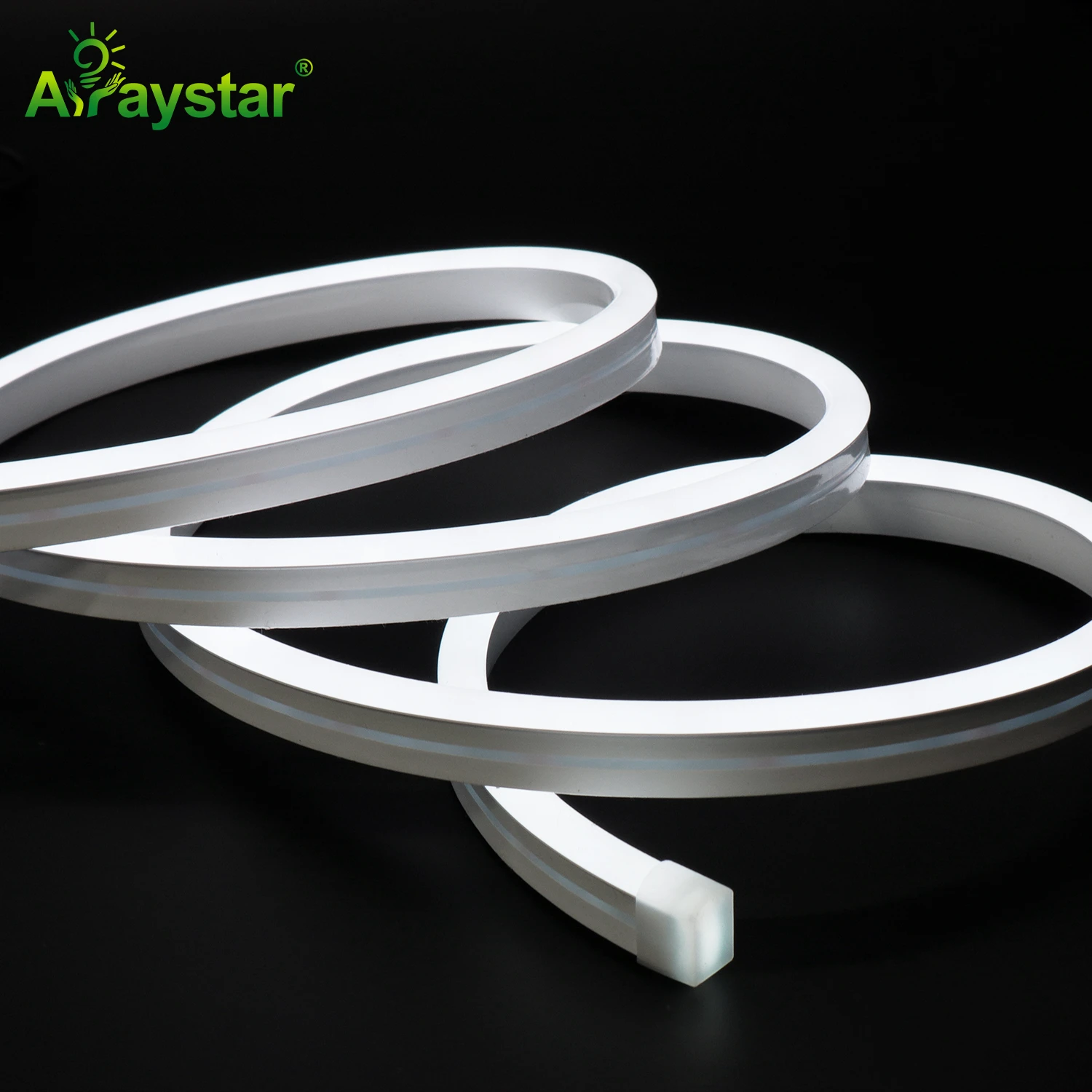
Typical limits
| Type | Height above grade | Setback |
|---|---|---|
| Tenant fascia | 1.0–1.5 m above awning | Flush to building face |
| Pylon freestanding | 4–6 m | 2–3 m behind front line |
| Window sign | No limit, no overhang | Inside glass |
| Roof sign | Often prohibited | N/A |
Glare, colour and brightness complaints
The quiet rejection reason is glare. A 6000K white neon shining into a residential window 10 m away draws a neighbour complaint before the sign is even energised. I spec 2700–3000K for signs near dwellings, and I add a dimming schedule: full brightness until 22:00, then 50% until close. Most codes now require photocell dimming anyway.
Flashing and chasing animation are usually restricted within 300 m of a road intersection. Static signs pass; animated ones need a separate variance. If the client wants animation, I tell them upfront and price the variance, not the sign.
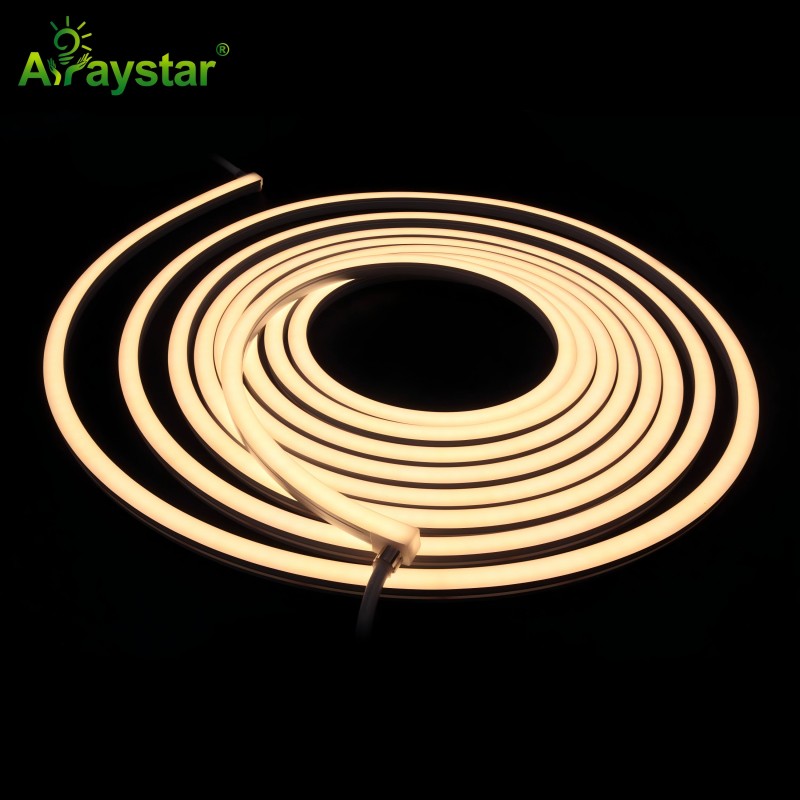
Glare rules I apply
- 2700–3000K near dwellings
- Photocell plus timer dim to 50% after 22:00
- No chasing within 300 m of an intersection
- No red or blue flash near traffic signals
Drawing the package planners want
I submit a scaled elevation showing the sign on the building, with dimensions in metres, a photo of the site, and a light spill contour at the property line. The light spill drawing is what wins approvals near houses: I show that the neighbour window receives less than 5 lux at night. That number comes from a quick photometric calc, not a guess.
I also include a maintenance note: how the sign is accessed, where the driver sits, and that it is serviceable from a safety harness. Planners like signs that will not become a hung-up mess in five years.
What goes in the package
- Scaled elevation with dimensions
- Site photo showing context
- Light spill contour at boundary
- Driver location and access note
- Material and finish schedule
Common reasons signs get bounced
The most frequent rejection is missing the setback by a few hundred millimetres because the sign bracket overhangs the face. I check brackets, not just letters. The second is sign area: a logo with a backing panel counts as the whole panel, not the logo. I size the panel to the code, then fit the logo inside it.
The third is unapproved colours. Some districts ban red signs near fire stations or green signs near pharmacies. I pull the district colour schedule before I pick the neon shade, not after the rejection letter.
Bounce triggers
- Bracket overhanging property line
- Counting letter area instead of panel area
- Wrong colour near sensitive uses
- Missing dimming schedule
Recommended Products
Frequently Asked Questions
How high can a neon sign be on a building?
Tenant fascia signs are typically capped at 1.0–1.5 m above the awning or parapet line. Freestanding pylon signs usually run 4–6 m above grade. I always draft with a 10% margin under the limit rather than right on it, because planners measure from finished grade to the top of the letters.
What setback does a neon sign need?
Most codes require freestanding pylons to sit 2–3 m behind the front property line. Fascia signs are usually flush to the building face, but brackets must not overhang the sidewalk beyond 2.2 m above grade. I measure setback to the nearest property line, not the building face.
Can neon signs be animated or flashing?
Often no within 300 m of a road intersection. Static warm-white signs pass easily; chasing or flashing animation usually needs a separate variance. I tell clients this upfront and price the variance if they want motion, rather than losing the sign at review.
How bright is too bright for a residential area?
I aim for under 5 lux at the property line at night. That means 2700–3000K colour, full brightness until 22:00, then a timer or photocell dim to 50%. Cool white 6000K shining into a neighbour window 10 m away is the fastest way to draw a complaint.
Does a backing panel count toward sign area?
Yes. Sign area is the bounding rectangle of the whole sign, including any panel, not just the letterforms. I size the panel to the area allowance, then fit the logo inside it. Designing the logo first and then discovering the panel is too big is the most common bounce I see.
Need help with your LED project?
Get factory-direct pricing, free samples and engineering support within 24 hours.
Email: info@arraystarled.com | Phone: +86-0755-2103-6746 | WhatsApp: 0086 1581 8514 077
Need to size your power supply? Use our LED Strip Power Calculator to find the right driver in seconds.