
Motion-Sensor LED Strip Lighting for Parking Garages & Underground Car Parks
- 2026-09-29 12:07
- /
- Arraystar LED
Underground garages are lit to full brightness 24/7 in most buildings, and most of that light is shining on empty concrete. Sensor-driven bi-level lighting - low standby when no one's around, full output on approach - is the single biggest energy and maintenance win available, and LED strip makes it cheap to add continuous wayfinding and stair safety. The build is mostly about sensor placement, waterproof drivers and long voltage-drop-free runs.
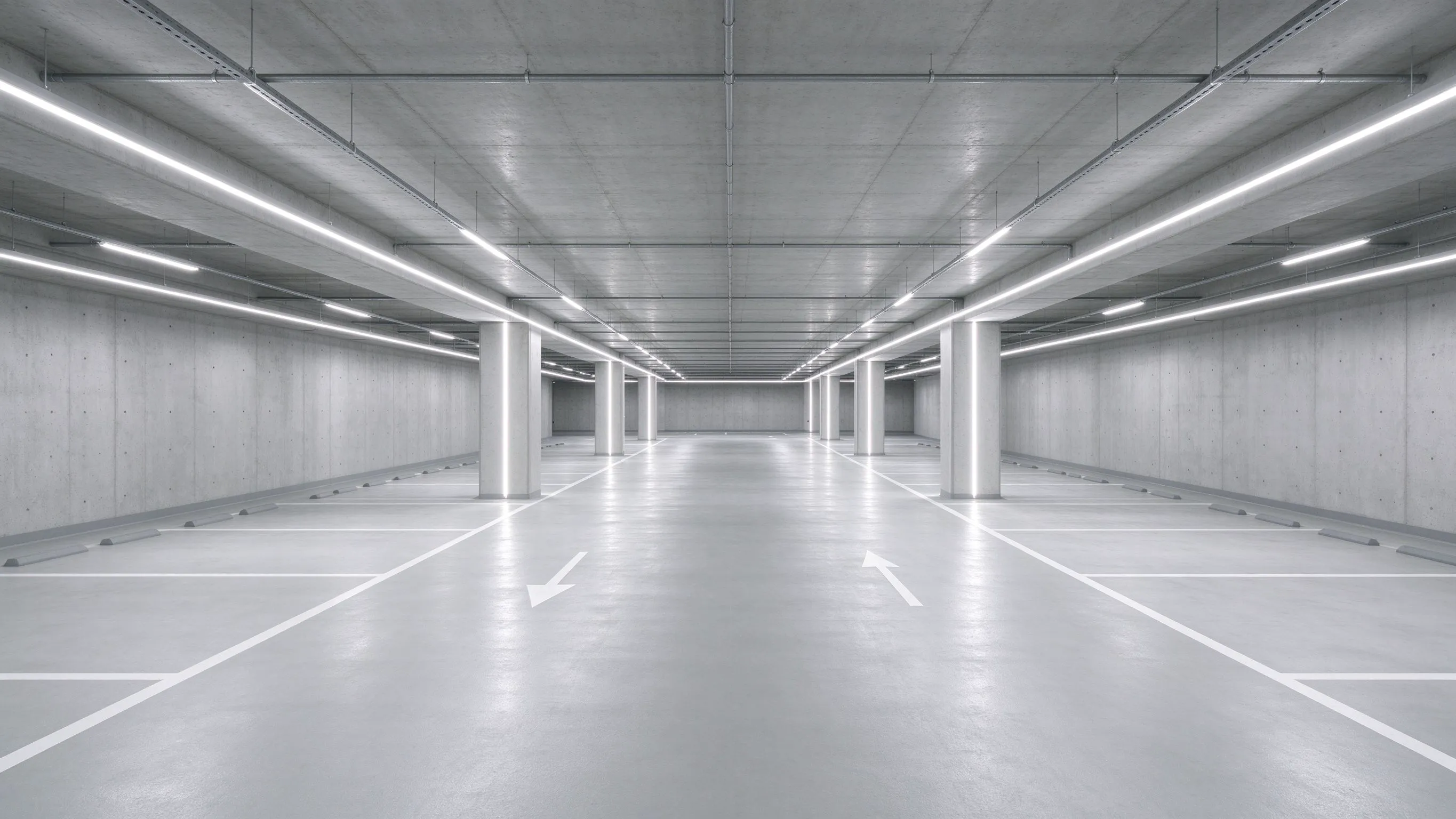
The Math Behind Always-Full vs Sensor-Driven Lighting
A basement or underground car park that holds full light all day wastes the majority of that energy on empty bays and aisles. Occupancy in many residential and office garages is sparse outside two short peak windows. Bi-level (also called corridor-function or standby) lighting holds the space at, say, 10-20% brightness and ramps to 100% when a car or person approaches, then dims back after a hold time.
The bi-level sequence a garage sensor should run.
| Mode | Brightness | Trigger | Purpose |
|---|---|---|---|
| Standby | 10-20% | Default, space empty | Security, CCTV, basic wayfinding |
| Full | 100% | Vehicle/pedestrian detected | Safe movement, parking, maneuvering |
| Hold | 100% | Maintained while occupied | Comfort during activity |
| Ramp-down | Fades over 30s-3min | After no motion | Smooth return to standby |
Real-world savings depend on occupancy, but moving from always-on to bi-level control commonly cuts lighting energy by half to three-quarters, and the dim standby hours also extend driver and LED life substantially.
Choosing the Sensor: PIR, Microwave Radar and Daylight
PIR (passive infrared) sensors detect moving body heat and are cheap and reliable for pedestrian aisles and stairwells, but they 'see' less well through glass and around corners. Microwave/radar sensors penetrate doors and detect vehicles around bends, making them better for vehicle ramps and large open decks. Many garage installations combine both, plus a daylight (photocell) input at entries so lights near open ramps respond to ambient day.
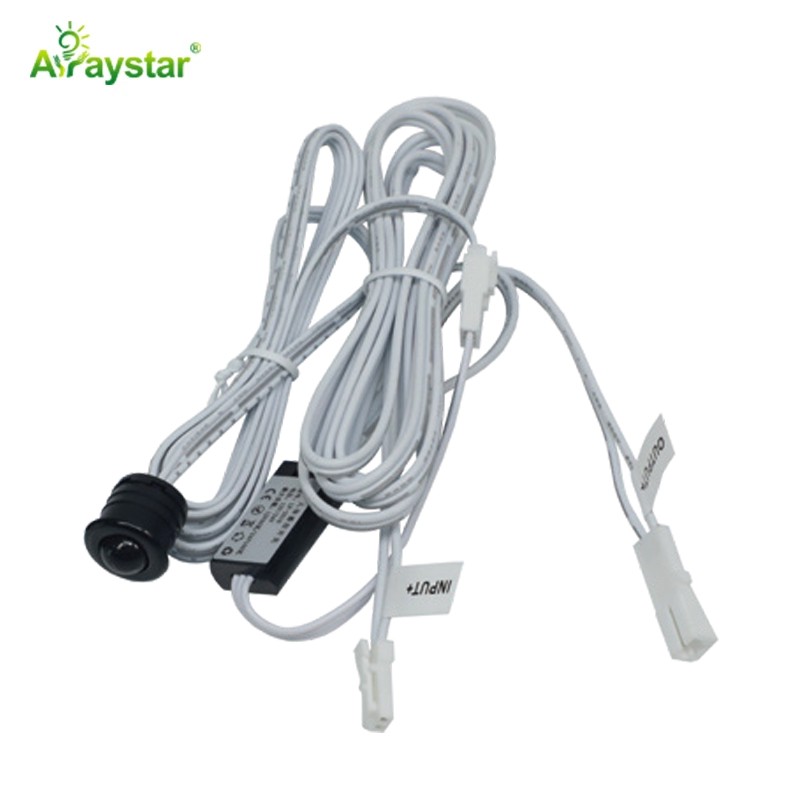
- PIR for stairs, pedestrian doors and enclosed aisles.
- Microwave/radar for vehicle ramps and big open decks where motion is far or around corners.
- Set sensitivity to avoid false triggers from air movement and neighboring aisles.
- Overlap coverage zones so a moving car is always handed from one sensor to the next - no dark gaps.
Continuous Linear Runs Beat Scattered Downlights in a Garage
Garages traditionally use individual battens or vapor-tight fittings, which leave pools of light and dark between them. Continuous LED strip in aluminum channels - or high-voltage solid-COB runs - delivers even wayfinding light down aisles and ramps, makes low ceilings feel less oppressive, and naturally guides drivers to exits and bays. At standby level, a continuous dim line still reads as a clear path on camera.

- Long 220V IP67 COB runs cover aisles without repeated feeds and voltage drop.
- Use 24V/48V strip in channels where low-voltage is mandated or runs are short.
- Boost light at hazards: ramp entries, speed bumps, pedestrian crossings, low headroom.
- Color: neutral 4000K for safety and CCTV; avoid warm dim light in moving-vehicle zones.
Stairs, Ramps and Pedestrian Paths
Pedestrian-struck areas are where garage lighting safety matters most. Stairwells benefit enormously from sensor control - they're often empty and over-lit - with a strip under the handrail or along each stair flight coming to full on entry. Keep these zones on warm-neutral light and ensure the first and last steps are clearly defined.
- Continuous strip along stair stringers or under handrails, aimed at treads.
- Sensor at each stair landing so flights illuminate before the pedestrian steps on.
- Mark changes in level and ramp transitions with higher brightness, not color gimmicks.
- Coordinate pedestrian and vehicle sensors so walk-to-car routes light as a connected path.
Drivers, IP Ratings and Power Distribution
Garages are damp, occasionally washed down, and unheated. Spec waterproof drivers (IP67) located in protected groups rather than scattered in the ceiling, and keep them accessible for replacement without closing a deck. A single larger driver per zone is simpler to maintain than many small ones, provided you respect voltage drop and fusing.
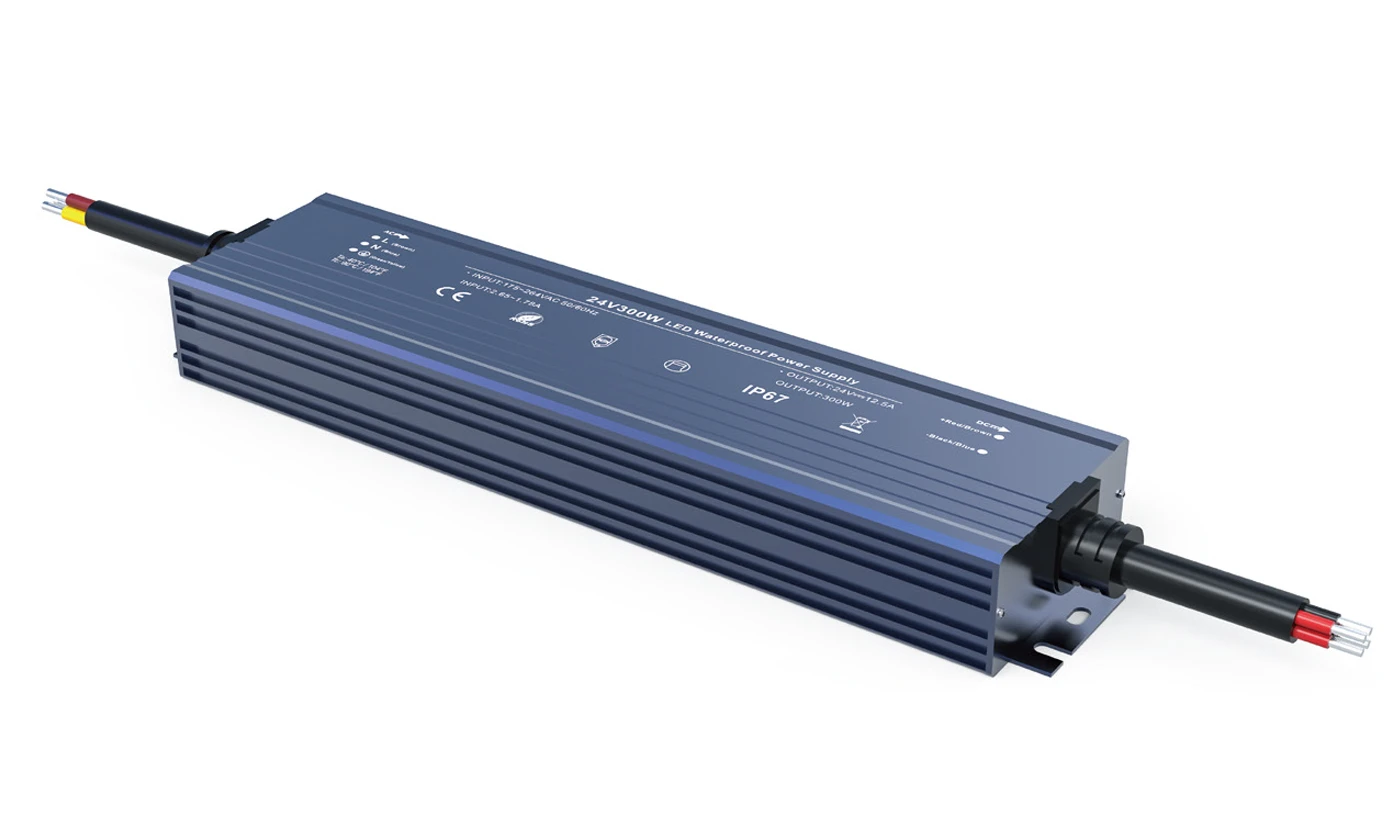
Garage-grade specification checklist.
| Element | Specification | Reason |
|---|---|---|
| Light source | IP65+ strip/COB, UV-stable | Damp, exhaust, washdown |
| Driver | IP67 constant-voltage, 80% load | Moisture, long life, serviceability |
| Sensor | PIR + radar, IP54+ | Vehicles and pedestrians, dusty air |
| Fixings | Stainless or coated steel | Humidity and corrosion |
| Control | Bi-level, grouped zones | Energy savings without dark areas |
Commissioning: The Part Everyone Skips
A well-specified system performs badly if commissioned badly. Walk every aisle and ramp at night with the system live, tune sensor range and hold time so lights come fully on before a driver reaches the area (not after), and confirm standby isn't so dim that CCTV or pedestrians suffer. Link adjacent sensors so movement triggers a 'look-ahead' corridor of light ahead of the vehicle.
- Verify no black gaps at sensor handover boundaries.
- Set hold time to clear the slowest maneuver, typically 1-3 minutes.
- Check CCTV image quality at standby level with security staff.
- Document zones and spare-channel capacity for future EV-charging expansion.
Recommended Products
Frequently Asked Questions
How much energy do motion-sensor garage lights save?
Moving from always-on to bi-level occupancy control typically cuts garage lighting energy by roughly 50-75%, depending on how busy the garage is, because spaces sit at a 10-20% standby level for most of the day. The dim standby hours also extend LED and driver lifespan.
PIR or microwave radar sensors for a parking garage?
Use PIR for enclosed pedestrian aisles and stairwells, and microwave/radar for vehicle ramps and open decks because it detects cars around corners and through doors. Most larger garages combine both, with overlapping zones and a daylight input near open entrances.
What brightness should standby garage lighting be?
Around 10-20% of full output - enough for security, CCTV and basic wayfinding, ramping to 100% on detection. Validate the standby level with security staff on camera at night; it should never leave a dark gap between sensor zones.
Can LED strip be used instead of battens in a car park?
Yes. Continuous IP65+ strip in aluminum channels, or long 220V IP67 solid-COB runs, give more even wayfinding light than scattered battens, work well at dim standby, and avoid pools of light and dark. Use neutral 4000K in vehicle zones for safety and clear CCTV images.
How waterproof do garage LED drivers need to be?
Specify IP67 constant-voltage drivers run at about 80% of rated load, grouped in protected but accessible locations. Garages are damp and sometimes washed down, so waterproof, serviceable drivers with stainless or coated fixings and per-zone fusing are the reliable approach.
Need help with your LED project?
Get factory-direct pricing, free samples and engineering support within 24 hours.
Email: info@arraystarled.com | Phone: +86-0755-2103-6746 | WhatsApp: 0086 1581 8514 077
Need to size your power supply? Use our LED Strip Power Calculator to find the right driver in seconds.







