
Pixel Neon Flex for Animated Signs: Running Text, Chasing Effects and Dynamic Logos
- 2026-09-30 17:38
- /
- Arraystar LED
Animated neon signage used to mean either static glass or exposed dot matrix - until pixel neon flex put individually addressable LEDs inside a diffused neon body, giving you smooth glowing outlines that can also chase, flash and display effects. The project succeeds or fails on three choices: the pixel pitch (which sets resolution and viewing distance), the bend/body format, and a controller that can actually drive the protocol and number of pixels - typically an ArtNet/sACN controller for serious architectural work. Match those and you get signage that glows like neon and animates like a screen.
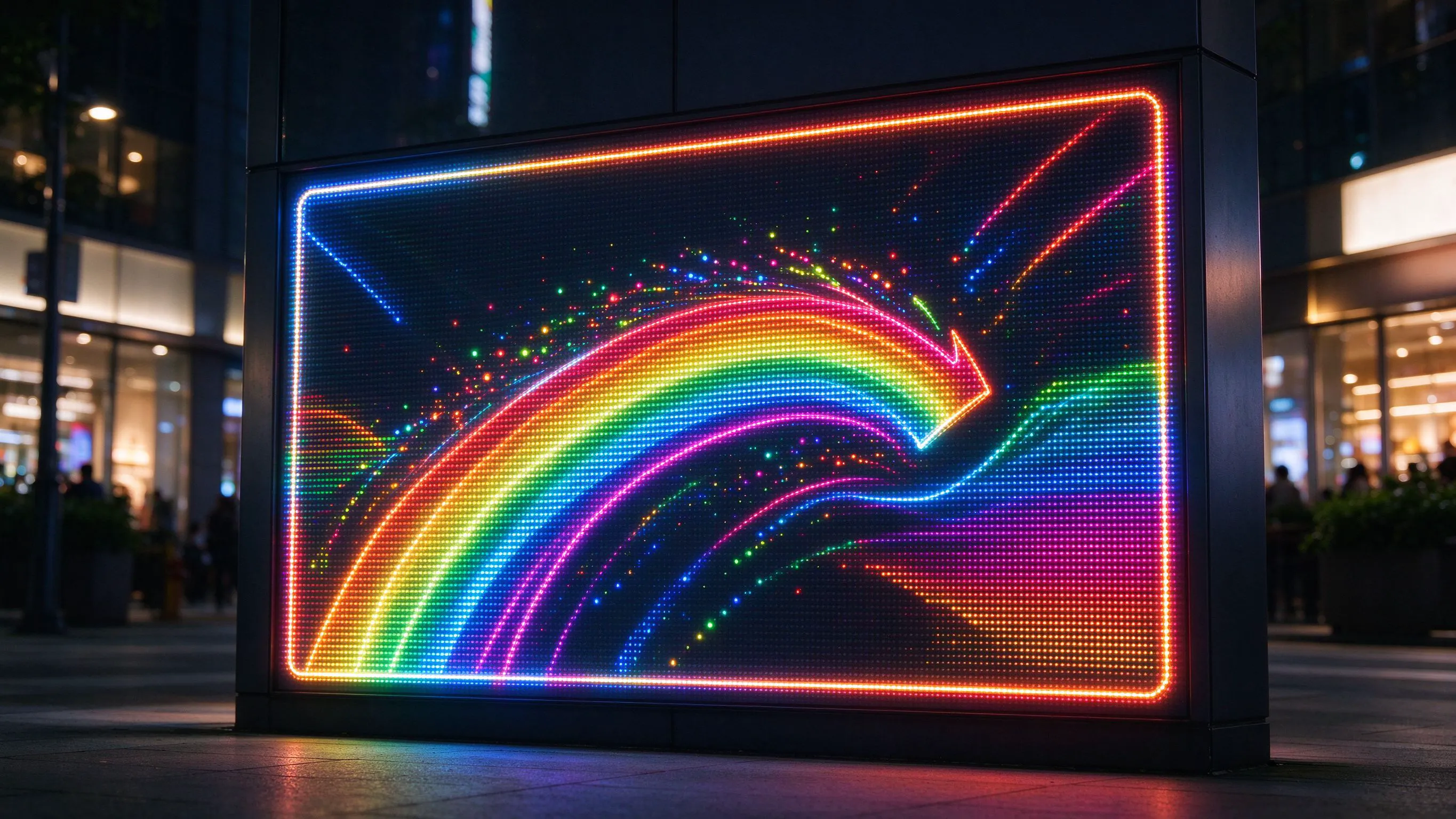
Pixel Neon Merges Two Signage Traditions
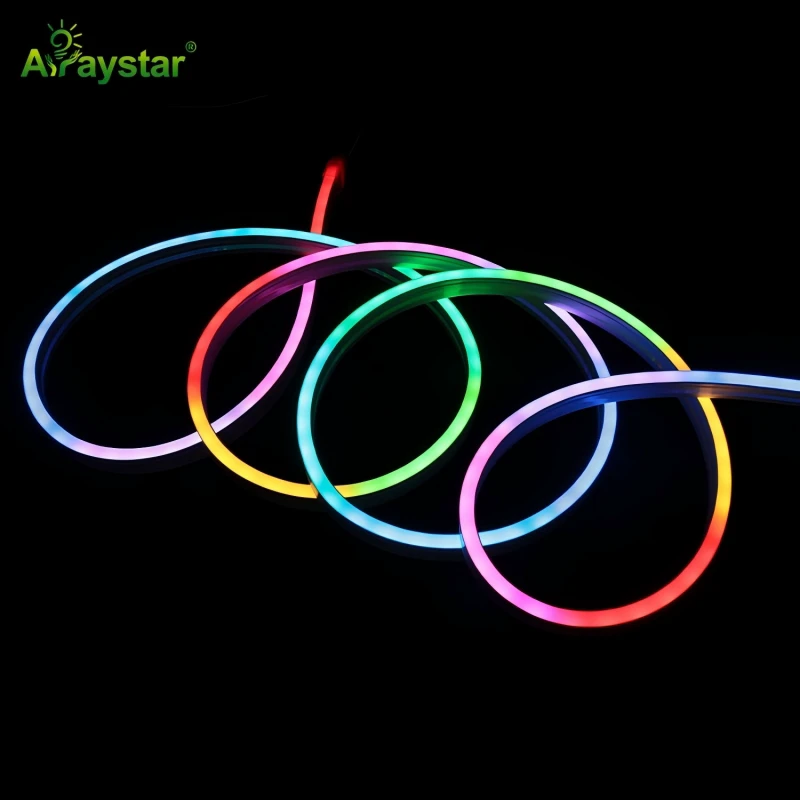
For years you had to choose: the smooth continuous glow of neon, or the dynamic animation of addressable dot matrix with its visible individual bulbs. Pixel neon flex combines them - an LED neon body diffusing a string of individually controllable pixels, so the same glowing outline that looks like neon at rest can run chases, color sweeps, flashes and even low-resolution graphics when animated.
It's the product behind animated bar fronts, dynamic building outlines, attention-grabbing storefront signage and stage sets that need both neon aesthetics and motion. But 'addressable neon' covers real differences in pixel density, color type and control - and under-specifying the controller is the number one reason these installs fail.
Pixel Pitch and Color Type Set the Look
Pixel pitch - the spacing between addressable pixels - decides everything about resolution and viewing distance. Tight pitch gives smooth animation and readable effects up close; wider pitch is cheaper and fine for long-view building outlines where each pixel is seen from far away. Color type matters too: RGB gives full color, RGBW adds a dedicated white chip for cleaner whites and pastels.
The RGBW pixel neon NS1616 is a larger 16x16 body with a dedicated white channel - good for bold signage that needs true white alongside saturated color. The smaller RGB pixel neon NS0612 is a slimmer 0612 body suited to tighter outlines and finer sign strokes where a smaller cross-section and closer pixels produce smoother effects at nearer viewing distances.
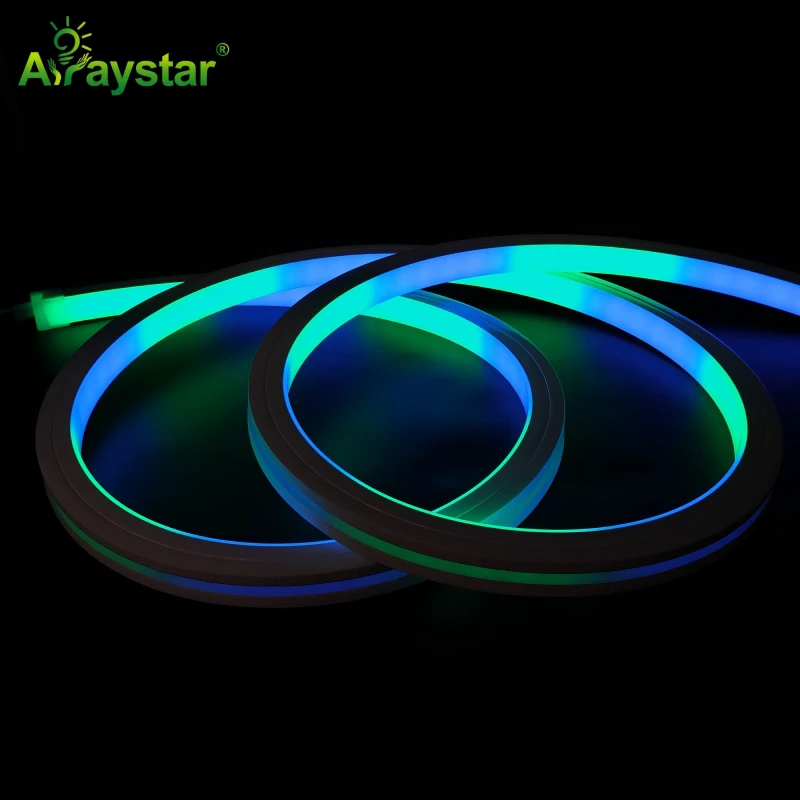
Matching pixel pitch and body to viewing distance.
| Factor | Tight pitch / small body | Wide pitch / large body |
|---|---|---|
| Viewing distance | Close (storefront, interior) | Far (building outline, stage) |
| Effect smoothness | Smooth, readable graphics | Visible steps, bold sweeps |
| Pixel count per meter | High - more controller load | Lower - easier to drive |
| Typical product | Slim NS0612 | Larger NS1616 (RGBW) |
| Cost | Higher per meter | Lower per meter |
The Controller Is the Make-or-Break Component
Animated pixel neon is only as capable as its controller, and this is where buyers most often cut the wrong corner. A long addressable run can contain thousands of pixels; a basic remote or cheap app controller won't drive that count, won't speak the protocol your pixels expect, and can't sync multiple runs into one coherent show.
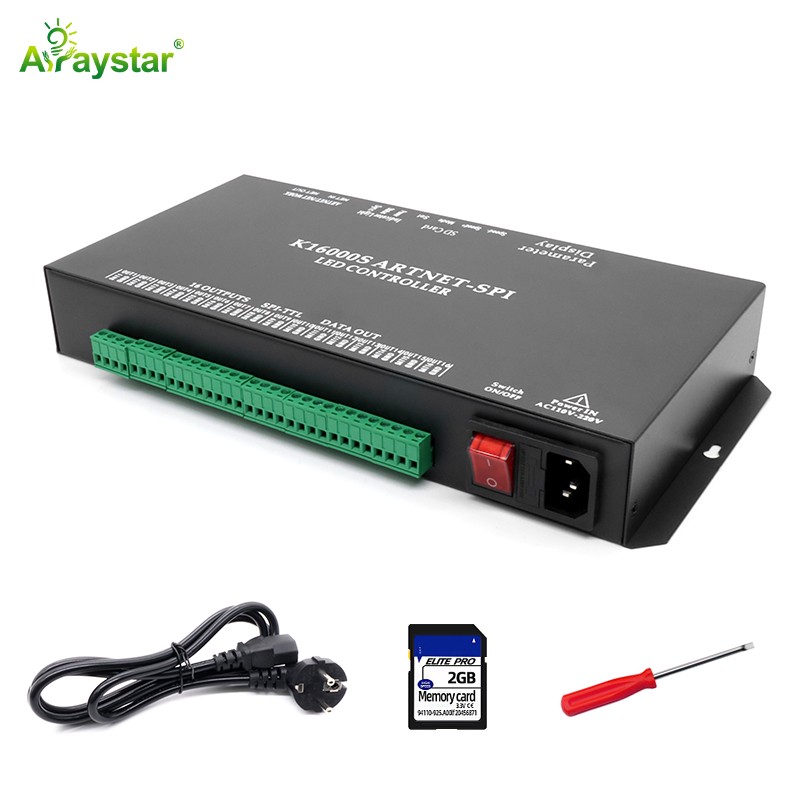
For serious architectural and commercial animated signage, a networked controller like the K16 ArtNet online controller is the right tier - it receives ArtNet/sACN (E1.31) over the network from lighting software or a console, drives large pixel counts across multiple universes, and lets you program and synchronize effects across the whole facade or sign. Match controller outputs, voltage and protocol (WS281x, SK6812 RGBW, UCS etc.) to the neon before ordering anything.
- Count total pixels and confirm the controller drives that many (per port and overall).
- Match the data protocol exactly - RGBW pixels need an RGBW-capable controller/output.
- Use ArtNet/sACN controllers for networked, multi-universe architectural shows.
- Inject power regularly; pixel neon at full white draws heavily down the run.
- Plan data direction and ground/common wiring to avoid flickering and data errors.
Designing Effects That Look Good in a Diffused Body
The diffused neon body changes how effects read compared with bare pixel tape: adjacent pixels bleed together, which makes chases and gradients look smooth and premium but means fine detail and tiny text effects blur out. Design for bold, flowing motion - color sweeps, breathing fades, traveling chases, segmented block effects - rather than high-resolution imagery.
Practical pattern guidance: use slow gradients and sweeps for premium storefronts and hospitality (fast flashing reads as cheap and can cause accessibility issues), reserve energetic chases for entertainment venues and events, and always provide a clean static mode as the default with animation as an option. RGBW products let you include warm static white for daytime/everyday use and full color for promotions.
Power, Layout and Reliability for Long Runs
Animated signage often runs long, and addressable pixels at full brightness - especially RGBW white - draw substantial current. Under-powering causes color shift at the far end, flickering and data glitches that get mistaken for defective pixels. Engineer power as carefully as the animation.
- Size supplies for maximum simultaneous white, not just single-color effects.
- Inject power every 5-10m per the product spec; keep data and power runs parallel.
- Keep controllers and power supplies dry and ventilated; IP-rated outdoors.
- Test each run's full-white load on the bench before permanent installation.
- Use a sender/amplifier architecture when pixel count exceeds one controller port.
Recommended Products
Frequently Asked Questions
What is pixel neon flex?
LED neon with individually addressable (pixel) LEDs inside the diffused body, so a smooth neon-style outline can also run animated effects - chases, color sweeps, flashes and low-resolution graphics. Choose pixel pitch by viewing distance, RGBW if you need true white, and a controller matched to the pixel count and protocol.
What pixel pitch do I need for animated neon signage?
Tight pitch in a slim body (like the NS0612) for close-viewing storefronts and interior signs where effects must read smoothly; wider pitch in a larger body (like the NS1616 RGBW) for far-view building outlines and stage work where bold sweeps suffice and controller load is lower. Pitch sets both resolution and pixel count.
What controller do I need for pixel neon?
For serious commercial/architectural animation use a networked ArtNet/sACN (E1.31) controller like the K16, which drives large pixel counts across universes and syncs runs from lighting software. Confirm total pixel count, voltage, data protocol (WS281x/SK6812 RGBW/UCS) and per-port capacity; basic app/remote controllers under-drive long runs.
RGB or RGBW pixel neon - which should I choose?
RGBW (such as the NS1616) adds a dedicated white LED for clean true whites and soft pastels, and lets you run warm static white for everyday use plus full color for promotions - ideal for storefronts. RGB is sufficient for saturated color-only entertainment effects and is usually cheaper, but its mixed white looks less clean.
Why do my animated neon runs flicker or dim at the far end?
Almost always power, not data alone: addressable pixels at full white draw heavy current, so under-sized supplies or missing power injection cause voltage drop, color shift and flicker down the run. Size supplies for maximum white, inject power every 5-10m, keep common ground consistent, and add amplifiers/senders when you exceed a controller port's pixel capacity.
Need help with your LED project?
Get factory-direct pricing, free samples and engineering support within 24 hours.
Email: info@arraystarled.com | Phone: +86-0755-2103-6746 | WhatsApp: 0086 1581 8514 077
Need to size your power supply? Use our LED Strip Power Calculator to find the right driver in seconds.







